

![Vivir Con Ilusión [living In Illusion] — Rómulo Macció](/media/artworks/images-full/e7/ee/e7ee2832a14ba6b2843f20bad8dc4134.jpg)
 プレビュー
プレビュー
 シェアする
シェアする シェアする
シェアする
 詳細を見る
詳細を見る

 ダウンロード
 似ている作品
 X線調査
X線調査 スライドショー
 Stats
StatsVivir con ilusión [Living in Illusion]
 Oil On Canvas
- WallArt
- Nueva Figuración
 1963
1963- Modern
 96.0 x 130.0 cm
 MAM Rio
 詳細を見る
詳細を見る
手描き油彩複製画
当社のアーティストが、お客様のご希望のサイズと額縁に合わせて、キャンバスに手描きで制作する油彩画です。 ( Switch to Print Switch to Digital Image)




































作品のオリジナル比率に合わせた、当店の規定サイズからお選びください。

特定のフレームやスペースに合わせて、ご希望のサイズをご入力いただけます。選択されたサイズが元の画像の比率と異なる場合、アートワークをトリミングするか、手描きで要素を追加して絵画を拡張いたします。デジタルモックアップ を制作し、制作開始前にご確認(承認)をいただきます。
画面上のプレビューは、実際のトリミングや拡張を正確に反映しているものではありません。最終的な構図は、モックアップによってのみ正確にご確認いただけます。
カスタムサイズもご利用いただけますが、元の比率を維持するためには、あらかじめ用意されたリストからサイズを選択することをお勧めいたします。
ご注文後、ArtsDot.com チームより詳細な指示をお送りするとともに、仕上がりイメージ(モックアップ)をご提供いたします。


 ガラスオプションは、110cm未満のサイズでのみご利用いただけます。

Vivir con ilusión [Living in Illusion]
複製技法
複製画のサイズ
-


合計金額
$ 263
関連作品
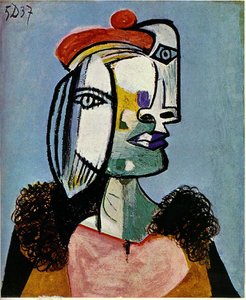

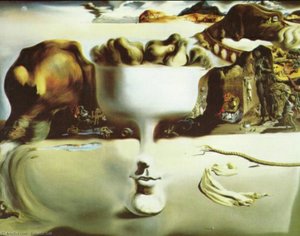
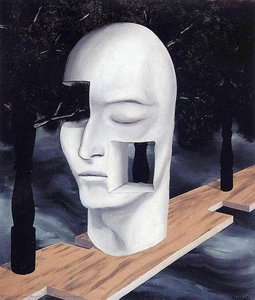
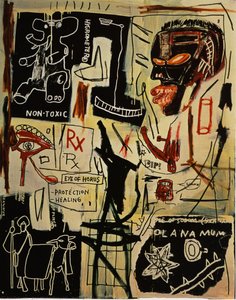
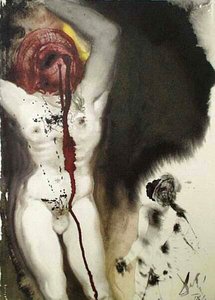
アーティストの略歴
Frank Auerbach: A Life Painted in Thick Emotion
Born in Berlin in 1931, Frank Auerbach’s life was profoundly shaped by the tumultuous events of the 20th century. His early years were marked by upheaval – a refugee from Nazi Germany, he arrived in England with his parents as a child, only to witness their tragic deaths during World War II. This experience of loss and displacement became a central, unspoken theme throughout his prolific career, informing the raw emotionality that permeates every brushstroke.
Auerbach’s artistic journey began at St Martin's School of Art in London, where he found mentorship under David Bomberg, a key figure in the School of London movement. This group, characterized by its rejection of academic formality and embrace of subjective expression, provided a fertile ground for Auerbach’s development. He honed his skills at the Royal College of Art but quickly gravitated away from the prevailing trends, forging his own distinctive style – one defined by intensely layered paint, often applied with palette knives and fingers, creating a tactile, almost sculptural surface.
His early models were deeply personal: his wife, Julia; Juliet Yardley Mills ('J.Y.M.'); and later, Stella West ('E.O.W.'), a close friend who served as the subject of many of his most intimate nudes and portraits. These figures weren’t rendered with photographic accuracy but rather imbued with Auerbach's own emotional state – a sense of vulnerability, loneliness, and quiet contemplation. He rarely left London, establishing a studio that remained his constant throughout his life, a space where he could immerse himself in the process of creation.
The Language of Thick Paint
Auerbach’s technique is instantly recognizable. He eschewed traditional blending methods, instead building up layers upon layers of paint – often using a thick impasto that dominates the surface of his canvases. This physicality isn't merely decorative; it’s integral to the expressive power of his work. The ridges and peaks of the paint seem to vibrate with emotion, conveying a sense of urgency and immediacy.
Critics initially struggled to categorize Auerbach’s art. Some dismissed it as “sculpture,” pointing to the sheer volume of paint applied, while others saw it as a departure from conventional painting. However, figures like David Sylvester recognized its profound psychological impact, arguing that despite the apparent density, these were undeniably paintings – ‘painterly images, not sculptural ones,’ capturing a deeply felt emotional landscape.
His use of color is equally significant. Auerbach favored dark, muted tones—browns, ochres, and blacks—often punctuated by flashes of red or yellow. These colors aren’t used to create realistic representations but rather to evoke mood and atmosphere, contributing to the overall sense of introspection.
The School of London and Beyond
Auerbach was a key member of the “School of London,” a group of British artists who emerged in the post-war era. Alongside figures like Leon Kossoff and Roger Hilton, they rejected the dominant trends of European modernism and developed a distinctly English style—characterized by its focus on urban landscapes, working-class subjects, and intensely personal expression.
His work gained recognition through exhibitions at the Beaux-Arts Gallery and later the Marlborough Gallery. A retrospective at the Hayward Gallery in 1978 solidified his place as one of Britain’s most important post-war painters. Auerbach's influence extends beyond the School of London, with artists like Bridget Riley acknowledging his impact on their own development.
Legacy and Enduring Emotion
Frank Auerbach died in 2016 at the age of 84, leaving behind a vast body of work that continues to resonate with viewers. His paintings are not merely representations of figures or landscapes; they are windows into the artist’s soul—a testament to the power of art to express profound human emotions.
His legacy lies in his uncompromising commitment to personal expression, his innovative use of paint, and his ability to create works that are both intensely intimate and universally relatable. Auerbach's paintings remain a powerful reminder of the enduring capacity of art to confront difficult truths and illuminate the complexities of the human experience.
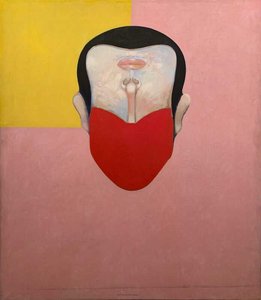
rómulo macció
1931 - 2016 , Argentina
基本情報
- Artistic Movement Or Style: Op art
- Artists Or Movements Influenced By This Artist:
- Bridget Riley
- Op art
- Artists Who Influenced This Artist:
- Jackson Pollock
- Yves Klein
- Date Of Birth: 24 April 1931
- Full Name: Bridget Louise Riley
- Nationality: British
- Notable Artworks:
- Prism Structure
- Cornwall Sequence
- The Red Series
- Place Of Birth: Norwood, London
関連記事
フランシス・ベーコン傑作25選:魂を揺さぶる絵画の世界 | ArtsDot
フランシス・ベーコンの傑作25選。魂を揺さぶる表現主義絵画の世界へ。人物画、三面図、ポープ・インノケンティウス10世など、美術史に残る名作をArtsDotで高精細複製画としてご紹介。インテリアに深みと個性を。今すぐコレクションをご覧ください。
Pop Surrealism: A Collision of Culture, Dreams & the Subconscious in Post-War Art
Explore the captivating world of Pop Surrealism with ArtsDot. Discover key artists like George Condo & Robert Williams, investment potential, and the movement's cultural impact. Expert insights for collectors.
至高の芸術:シュルレアリスムを象徴する10選 - 鑑賞と空間演出への誘い
ダリ、マグリット…シュルレアリスムを代表する10選を紐解く。夢と無意識の世界へ誘う傑作の裏側を徹底解説。空間に彩りを添える、至高のアートプリントを見つけませんか?ArtsDot.comでコレクションを探索しよう。

Dreamscapes & Disrupted Realities: Exploring Surrealism's Enduring Influence
Explore the fascinating world of Surrealism! Discover its origins, key artists like Dalí & Magritte, and enduring influence on art & culture. Expert insights & high-quality reproductions at ArtsDot.
マックス・エルンスト傑作25選:シュルレアリスムの深淵と装飾への誘い
マックス・エルンストの傑作25選。シュルレアリスムを代表する画家、その夢と無意識の世界を描いた絵画や版画を紐解きます。リビングやオフィスに飾るモダンアート、インテリアに最適な作品を見つけませんか?ArtsDot.comで全コレクションをオンラインで探す。