

 プレビュー
プレビュー
 プリントを購入
 シェアする
シェアする シェアする
シェアする
 詳細を見る
詳細を見る

 ダウンロード
 似ている作品
 X線調査
X線調査 スライドショー
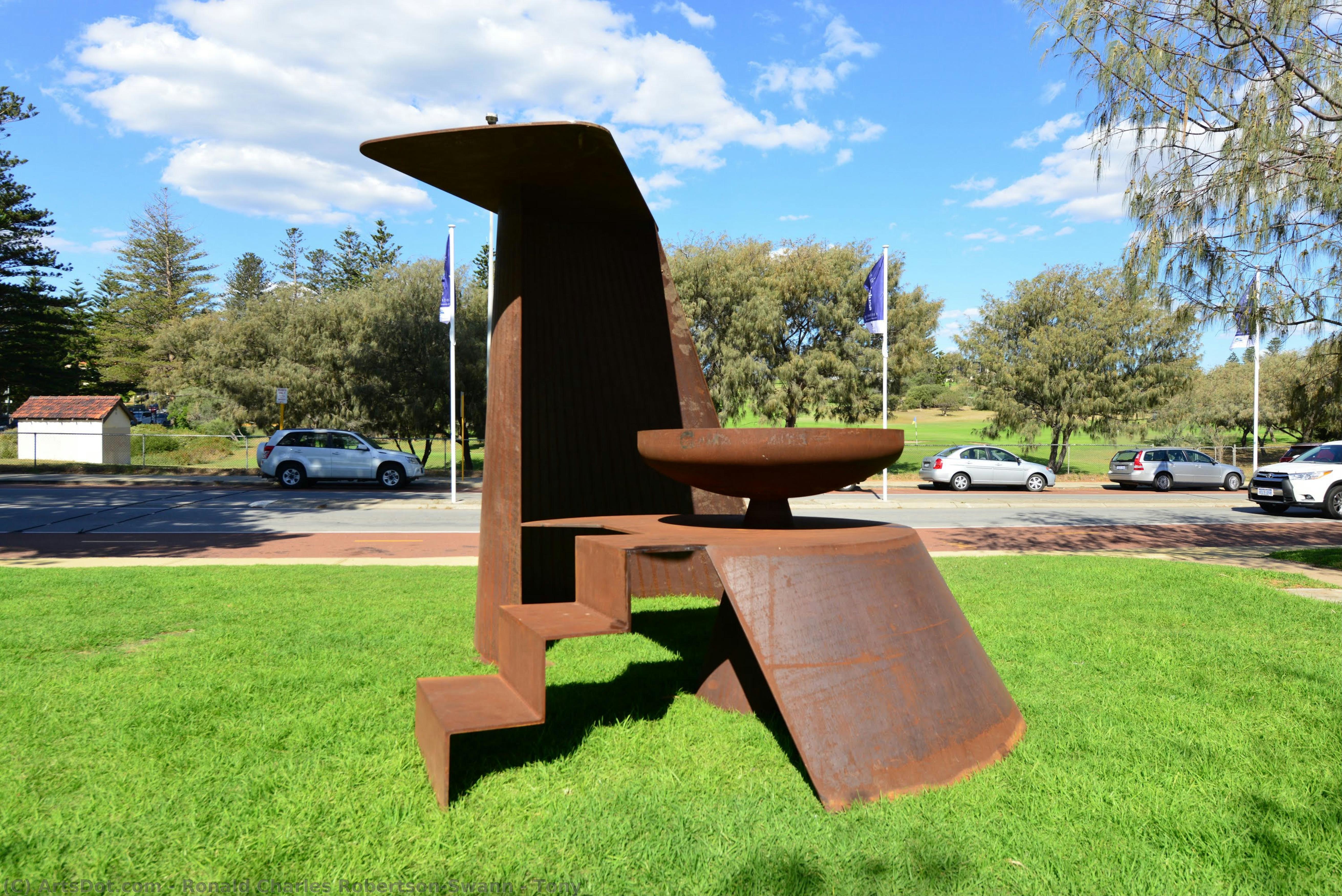
Tony


 詳細を見る
詳細を見る




































作品のオリジナル比率に合わせた、当店の規定サイズからお選びください。

特定のフレームやスペースに合わせて、ご希望のサイズをご入力いただけます。選択されたサイズが元の画像の比率と異なる場合、アートワークをトリミングするか、手描きで要素を追加して絵画を拡張いたします。デジタルモックアップ を制作し、制作開始前にご確認(承認)をいただきます。
画面上のプレビューは、実際のトリミングや拡張を正確に反映しているものではありません。最終的な構図は、モックアップによってのみ正確にご確認いただけます。
カスタムサイズもご利用いただけますが、元の比率を維持するためには、あらかじめ用意されたリストからサイズを選択することをお勧めいたします。
ご注文後、ArtsDot.com チームより詳細な指示をお送りするとともに、仕上がりイメージ(モックアップ)をご提供いたします。


 ガラスオプションは、110cm未満のサイズでのみご利用いただけます。

Tony
複製技法
複製画のサイズ
-


合計金額
$ 263
関連作品


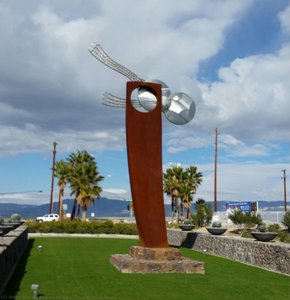
アーティストの略歴
Early Life and Artistic Foundations
Ronald Charles Robertson-Swann, born in Sydney, Australia, in 1941, embarked on a remarkable artistic journey that would see him become one of the nation’s most significant sculptors—and a figure often at the center of public discourse. His early life, spent largely in the suburbs of Bellevue Hill, was marked by a somewhat nomadic childhood following his father's work as a town clerk. This period, described by Robertson-Swann himself as “benign neglect,” perhaps fostered an independent spirit and a willingness to challenge conventional norms—traits that would become hallmarks of his career. He began formal art training at the East Sydney Technical College (now the National Art School) in 1957, initially attending night classes before committing fully to sculpture under the guidance of Lyndon Dadswell. This foundational period instilled in him a rigorous approach to form and material, but it was a move overseas that would truly shape his artistic trajectory.The London Years: Influences and Experimentation
In 1960, Robertson-Swann ventured to London, immersing himself in the vibrant art scene of post-war Europe. He enrolled at St Martin’s School of Art in 1962, a pivotal moment that brought him into contact with two immensely influential sculptors: Anthony Caro and Phillip King. These artists were pioneers of abstraction, pushing boundaries through their exploration of color, industrial materials—particularly steel—and spatial relationships. Robertson-Swann wholeheartedly embraced this new aesthetic, adopting the hard-edged formalism championed by Caro. Crucially, he also spent several years as an assistant to Henry Moore, absorbing the master sculptor’s understanding of volume, weight, and the inherent qualities of bronze. This period was not merely technical training; it was a profound immersion in the philosophical underpinnings of modern sculpture, shaping his own artistic vision. While initially focused on painting during this time—influenced by figures like Morris Louis—sculpture remained at the core of his ambitions.Return to Australia and the Rise of Public Controversy
Robertson-Swann returned to Australia in 1968, bringing with him a distinctly international sensibility. His early work upon his return was characterized by bold, brightly colored abstract sculptures that continued Caro’s spatial investigations. He quickly gained recognition, participating in landmark exhibitions like *The Field* at the National Gallery of Victoria and the Art Gallery of NSW in 1968—a watershed moment for abstract art in Australia. Throughout the 1970s and 80s, he solidified his reputation as a leading sculptor, lecturing at various institutions including the University of New South Wales and the National Art School. However, it was the commission for a public sculpture in Melbourne’s City Square in 1978 that would catapult him into national prominence—and controversy.Vault: A Defining Moment and Enduring Legacy
The resulting work, *Vault* (completed in 1980), became one of the most debated artworks in Australian history. Its angular, abstract steel form, painted a striking yellow, polarized public opinion. Initially met with widespread criticism—some derisively labeled it “the yellow thing”—it was dismantled shortly after its installation and spent years moving between various locations in Melbourne before finding a more permanent home outside the Australian Centre for Contemporary Art. Today, *Vault* is widely regarded as an icon of Australian sculpture, celebrated for its challenging aesthetic and enduring presence. It embodies Robertson-Swann’s commitment to pushing boundaries and engaging with the public sphere—even if that engagement meant weathering intense scrutiny.Teaching, Mentorship, and Continued Artistic Exploration
Beyond his sculptural practice, Robertson-Swann dedicated decades to education, serving as Head of Sculpture at both the Canberra School of Art (1978-1989) and the National Art School in Sydney (2009-2018). He fostered generations of sculptors, imparting not only technical skills but also a critical understanding of art history and contemporary practice. His commitment to mentorship extended beyond the classroom; he was a founding member of the Visual Arts Board of the Australia Council and served as artistic advisor to the popular annual exhibition *Sculpture by the Sea*. Throughout his career, Robertson-Swann has continued to exhibit extensively, with his works held in major public collections across Australia and internationally. He received the Order of Australia Medal in 2002 for his service to the arts, a testament to his profound impact on the Australian cultural landscape. His legacy extends beyond individual artworks; it lies in his unwavering dedication to artistic innovation, his commitment to education, and his willingness to provoke dialogue through challenging and thought-provoking sculpture.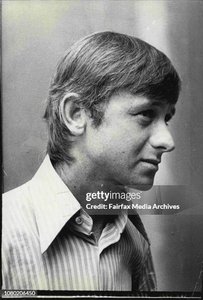
ronald charles robertson-swann
1941 - , Australia
基本情報
- Artistic Movement Or Style: Abstract sculpture
- Artists Who Influenced This Artist:
- Lyndon Dadswell
- Henry Moore
- Anthony Caro
- Philip King
- Date Of Birth: February 20, 1941
- Full Name: Ronald Charles Robertson-Swann
- Nationality: Australian
- Notable Artworks:
- Vault
- Leviathan Play
- Place Of Birth: Sydney, Australia
関連記事

Bronze Sculptures That Defined Art History | ArtsDot
Journey through art history with our Top 10 bronze sculptures! Explore masterpieces by Rodin, Michelangelo & more. Discover stories behind iconic statues and find museum-quality reproductions for your home decor at ArtsDot.com.

The Enduring Form: Exploring Themes & Techniques in Sculpture Across Historical Periods
Explore the rich history of sculpture from ancient masterpieces to contemporary innovations. Discover key techniques, influential artists & investment potential for discerning art collectors.
The Enduring Form: Sculpture Across History, Technique & Emotional Resonance
Explore the rich history of sculpture with ArtsDot. Discover key techniques, influential artists & investment potential for discerning collectors. Expert insights into valuing and collecting timeless masterpieces.

Bronze Age to Modern Masters: 10 Sculptures That Redefined Art | ArtsDot
Journey through art history with 10 legendary bronze sculptures – from Michelangelo's David to Rodin’s Thinker. Explore the stories, techniques & timeless beauty of these masterpieces. Find museum-quality reproductions & elevate your home decor on ArtsDot.com.
抽象表現主義を定義する十大傑作:芸術と装飾の深遠な旅
抽象表現主義を定義する10の傑作。ポロック、ロスコら巨匠たちの情熱と色彩の世界へ。各作品に込められた物語と技法を紐解き、至高のアート体験を。ArtsDot.comで、ミュージアムクオリティの複製画や洗練されたインテリアアイデアを発見してください。

