

 プレビュー
プレビュー
 シェアする
シェアする シェアする
シェアする
 詳細を見る
詳細を見る

 ダウンロード
 似ている作品
 X線調査
X線調査 スライドショー
 Stats
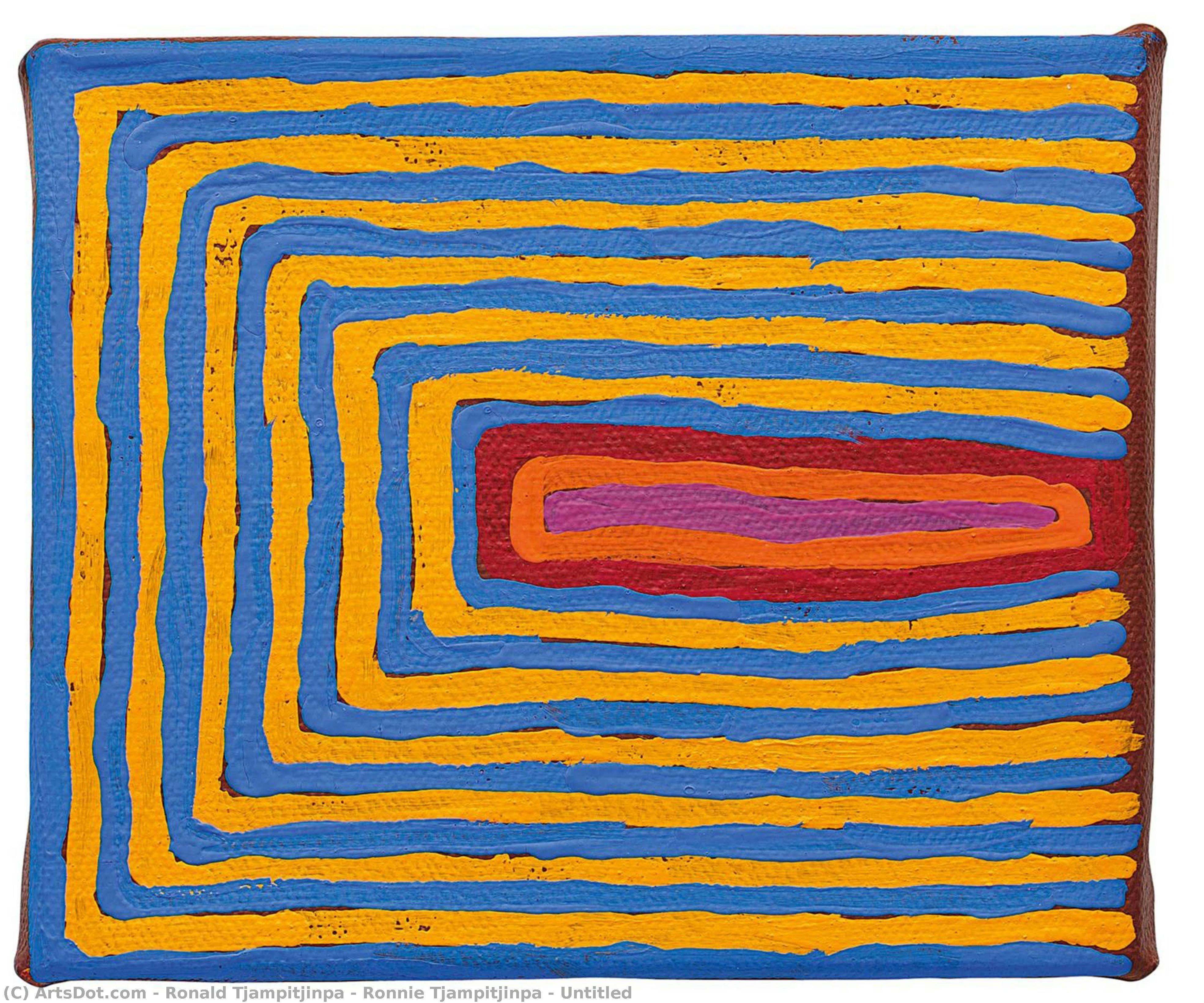
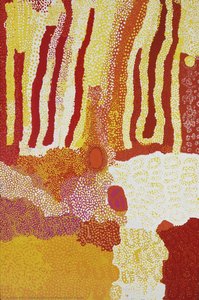
StatsRonnie Tjampitjinpa - Untitled

 詳細を見る
詳細を見る
オンラインプレビューをはるかに凌ぐ、高解像度で鮮明なデジタル画像をご購入いただけます。
各ファイルは、社内の専門家が高度なツールと熟練した手作業によるレタッチを用いて、細心の注意を払って準備されています。すべての画像において、卓越した鮮明度、正確な色彩再現性、そして繊細なディテールを保証いたします。
最終ファイルは、プロフェッショナルな編集・印刷環境ですぐにご利用いただけるよう最適化された状態で、72時間以内にメールにてお届けいたします。これは、一流のデザインスタジオ、出版社、ギャラリーから信頼されているものと同等の品質です。
デジタルアート
個人での鑑賞、印刷、クリエイティブなプロジェクト用に、高解像度ファイルをダウンロードできます。 ( Switch to Print 手描きの絵画を購入)
デジタル画像のご注文に付随する特典
高品質なデジタル画像配信を、確かな品質で。
ArtsDot.com を選ぶことは、単に画像を手に入れることではありません。それは、プロの手によって精密に仕上げられ、満足保証が付いた高品質なデジタルアートワークを受け取ることを意味します。ご注文いただいた際に自動的に付随する内容は、以下の通りです:

メールですぐにお届け
ご注文から72時間以内に、高解像度のデジタル画像ファイルがメールでお手元に届きます。すぐにそのままご利用いただけます。

AI技術で最適化されたデジタルファイル
お客様の作品は、高度なAIツールと専門家による手作業の編集を組み合わせてプロフェッショナルに最適化されており、細部のディテール、鮮明さ、そして正確な色再現性を最大限に引き出しています。

一生涯無料の再送サービス
ファイルを誤って削除したり、紛失してしまったりしましたか?ご安心ください。いつでも無料で再送いたします。

輸入手数料は一切かかりません
関税や手数料、配送料を気にすることなく、お気に入りのアートワークをすぐにお楽しみいただけます。デジタルダウンロードは常に免税です。

色彩再現の保証
プロ仕様のツールとカラーマネジメント技術を用いることで、デジタル画像が元の色を最大限に忠実に再現することを保証いたします。

100日間満足保証
ご購入いただいたデジタル画像にご満足いただけない場合は、100日以内であれば、理由を問わず修正または100%の返金対応をさせていただきます。

100% 返金保証
ご満足いただけない場合は、デジタルファイルを受け取ってから100日以内であれば、理由を問わず全額返金いたします。

まとめ買い割引
3枚購入で10%OFF - 5枚購入で15%OFF - 10枚以上購入で20%OFF。クリエイティブなプロジェクト、ギャラリー、エージェンシーに最適です。
関連作品

作家の略歴
Early Life and the Call of Papunya
Ronald Tjampitjinpa, also known as Ronnie Tjampitjinpa, emerged from the heart of the Australian Western Desert in 1943, born near Tjiturrunya, a place approximately 100 kilometers west of the Kintore Ranges. His early life was inextricably linked to the nomadic traditions of his Pintupi people, traversing vast landscapes and absorbing an intimate knowledge of the land—a landscape steeped in ancestral stories and the complex network of Dreaming songlines known as the Tingari cycle. The 1950s brought hardship with a prolonged drought, forcing Tjampitjinpa’s family to seek refuge first at Haasts Bluff and then Papunya, settlements established under government policies aimed at assimilating Aboriginal communities. This relocation proved profoundly disruptive, severing ties to traditional ways of life and fostering a deep longing for their ancestral country. The forced communal living in Papunya, amongst diverse tribal groups, created an environment of cultural tension but also unexpectedly became the crucible for a remarkable artistic movement.The Birth of a Movement: Papunya Tula Art
Papunya, despite its initial challenges, proved to be the unlikely birthplace of contemporary Indigenous Australian art. In 1971, schoolteacher Geoffrey Bardon recognized the inherent storytelling power within the men’s knowledge of their lands and encouraged them to express these narratives through painting. Tjampitjinpa was among those who cautiously began translating ancient beliefs onto canvas—initially using pencils on paper before embracing acrylic paints. These early works were often deeply personal, reflecting a yearning for home and a desire to preserve cultural heritage threatened by assimilation. The outpouring of artistic expression led to the formation of the Papunya School Painters Co-operative in 1971, which evolved into Papunya Tula Artists in 1972—a landmark achievement that empowered Aboriginal artists and revolutionized the art world’s perception of Indigenous culture. Tjampitjinpa became a founding shareholder, playing a pivotal role in establishing this pioneering cooperative model.Dreaming Stories and Geometric Abstraction
Tjampitjinpa's artistic style is immediately recognizable for its simplicity, boldness, and profound connection to the land. His paintings are not literal depictions of landscapes but rather abstract representations of *Tingari* sites—sacred places associated with ancestral beings and creation stories. He employs a distinctive palette, often featuring earthy tones punctuated by vibrant ochres and yellows, creating compositions that evoke the heat, texture, and spiritual energy of the desert. The geometric shapes and lines are not merely aesthetic choices; they represent pathways, waterholes, sand dunes, and other significant features within the *Tingari* cycle. These paintings function as maps—both physical and metaphysical—guiding viewers through a complex web of ancestral knowledge. His work often explores themes of “water dreaming” and “bushfire dreaming”, further illustrating his deep connection to the natural world and its cyclical rhythms.Advocacy, Return to Country, and Mature Style
Throughout the 1980s, Tjampitjinpa actively advocated for the return of the Pintupi people to their traditional lands. His efforts culminated in the establishment of Walungurru (Kintore) in 1981, allowing his community to reclaim their ancestral country after decades of displacement. He then established outstations at Ininti (Redbank), Muyinga and Yinintitjarra, further solidifying the Pintupi’s connection to their homelands. This return to country profoundly impacted his art. Freed from the constraints of Papunya and immersed in the familiar landscapes of his youth, Tjampitjinpa's paintings gained a new depth and confidence. He became Chairman of the Kintore Outstation Council, demonstrating his commitment to community leadership alongside his artistic pursuits. His style matured, becoming increasingly refined and symbolic, earning him widespread acclaim both nationally and internationally.Legacy and Historical Significance
Ronald Tjampitjinpa stands as one of the most important contemporary Indigenous Australian artists. He was a winner of the 1988 Alice Springs Art Prize and his works are held in numerous prestigious public and private collections, including the National Gallery of Australia and the Art Gallery of New South Wales. His contribution extends beyond his individual artistic achievements; he played a crucial role in establishing Papunya Tula Artists, empowering Aboriginal artists to control their narratives and benefit from their cultural heritage. His paintings are not simply works of art but powerful statements of identity, resilience, and connection to the land. Tjampitjinpa’s legacy continues to inspire generations of Indigenous artists and serves as a testament to the enduring power of *Dreamtime* stories and the importance of preserving cultural traditions. He remains an active artist today, continuing to share his knowledge and vision with the world.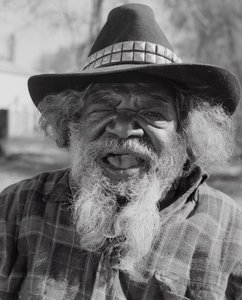
ronald tjampitjinpa
1943 - , Australia
プロフィール概要
- Artistic Movement Or Style: Papunya Tula, Dreamtime Painting
- Date Of Birth: 1943
- Full Name: Ronald Tjampitjinpa
- Nationality: Australian Aboriginal
- Notable Artworks: ['Untitled']
- Place Of Birth: Papunya, Australia