

 プレビュー
プレビュー
 シェアする
シェアする シェアする
シェアする
 詳細を見る
詳細を見る

 ダウンロード
 似ている作品
 X線調査
X線調査 スライドショー
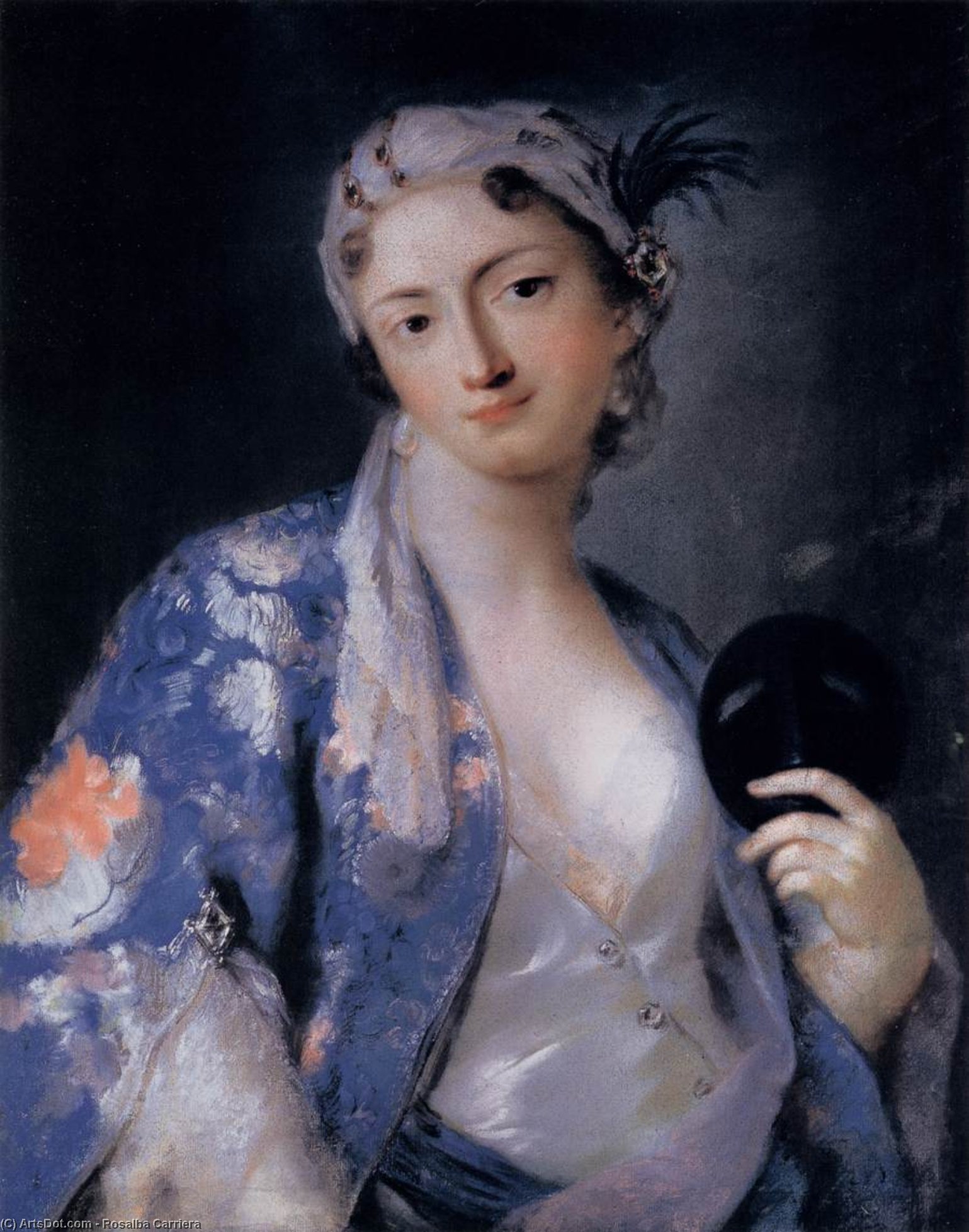
Portrait of Felicita Sartori
 Acrylic On Canvas
- WallArt
- Venetian Rococo Pastel
 1730
1730 75.0 x 55.0 cm
 ウフィツィ美術館
 詳細を見る
詳細を見る
ジークレー/アートプリント
迅速な制作と多彩な仕上げオプションを備えた、ミュージアムクオリティのジークレーまたはキャンバスプリント。 ( 手描きの絵画を購入 画像を購入)




P118B $10

P118H $10

P118W $10

P438Z $10

P508JH $12

P508YH $12

P805H $10

P805Z $10

P919BZ $10

P919G $10

P919XJ $10

P959ZH $10

P968JZ $12

W106C $8

W218G $10

W218JH $8

W218Y $10

W307PJ $10

W316G $10

W316PJ $8

W316Y $10

W398PJ $8

W4111J $10

W500HY $15

W500JH $15

W692G $12

W849H $8

W940BG $15

W953PJ $8




作品のオリジナル比率に合わせた、当店の規定サイズからお選びください。

特定のフレームやスペースに合わせて、ご自身でサイズを指定することも可能です。選択されたサイズが元の画像の比率と一致しない場合、作品をトリミングするか、鏡面反射または単色での塗りつぶしによって画像を拡張いたします。制作を開始する前に、ご確認用のデジタルモックアップをお送りいたします。
画面上のプレビューには、実際のトリミングや拡張は反映されませんのでご注意ください。最終的な構図を正確に確認できるのは、モックアップのみとなります。
カスタムサイズも承っておりますが、元の比率を維持するためには、あらかじめ用意されたリストからサイズを選択することをお勧めいたします。


 ガラスオプションは、110cm未満のサイズでのみご利用いただけます。

Portrait of Felicita Sartori
ジークレー/アートプリント
複製画のサイズ
-


合計金額
$ 62
A Venetian Jewel: Rosalba Carriera’s Portrait of Felicita Sartori
Rosalba Carriera's "Portrait of Felicita Sartori," painted in 1730, stands as a testament to the burgeoning Rococo style and Carriera’s pioneering approach to portraiture. More than just a likeness, it embodies the spirit of Venetian aristocratic society—a celebration of beauty, grace, and refined intellect—captured with breathtaking precision through pastel technique on ivory. The painting depicts Felicita Sartori, a young woman dressed in opulent Turkish costume adorned with a turban and gown, holding a mask delicately balanced in her left hand. This seemingly simple gesture speaks volumes about Carriera’s understanding of symbolism; the mask represents anonymity and theatricality, hinting at the performance inherent in social interaction during this era.- Style & Technique: Carriera's mastery lies in her masterful use of pastel—a medium favored by Venetian artists for its ability to achieve luminous colors and subtle tonal gradations. Unlike oil paint, pastel allows for layering pigments directly onto the ivory support, resulting in an ethereal quality that captures the very essence of light and atmosphere. The artist’s meticulous attention to detail is evident in every brushstroke, meticulously rendering textures—the silk of Sartori's gown, the sheen of her hair ornaments—with astonishing accuracy.
- Historical Context: Venetian art flourished during the Baroque period, transitioning into the Rococo style by the mid-18th century. This stylistic shift favored asymmetry, pastel colors, and decorative ornamentation, reflecting a broader cultural preoccupation with pleasure and fantasy. Carriera’s work aligns perfectly with these trends, positioning Sartori within a milieu of aristocratic refinement and artistic innovation.
The Significance of Ivory & Costume
Carriera's decision to utilize ivory as the substrate for her miniature portraits was revolutionary—a bold departure from established conventions. Ivory offered unparalleled luminosity and translucency, allowing pastel pigments to shine through with remarkable brilliance. Furthermore, Sartori’s costume—inspired by Turkish fashion—was a deliberate choice intended to convey status and sophistication. The turban, a symbol of Ottoman imperial authority, underscored Sartori's noble lineage and signaled her engagement with the wider European cultural landscape.- Color Palette: The pastel palette employed in “Portrait of Felicita Sartori” is remarkably vibrant yet restrained—dominated by shades of pink, peach, and gold. These colors are skillfully blended to create a harmonious visual experience, emphasizing Sartori’s radiant complexion and highlighting the luxurious fabrics of her gown.
- Composition: The composition adheres to Rococo principles of asymmetry and dynamism, guiding the viewer's gaze across the canvas with graceful curves and subtle tonal shifts. Sartori’s pose—slightly tilted to her right shoulder—adds a touch of elegance and conveys an air of contemplative repose.
Emotional Resonance & Legacy
Ultimately, “Portrait of Felicita Sartori” transcends mere representation; it evokes profound emotional resonance. The painting captures not only Sartori’s physical beauty but also her inner spirit—her intelligence, grace, and poise—transforming her image into a timeless emblem of feminine allure. Rosalba Carriera's achievement as one of history’s most successful women artists cemented her place in art history, inspiring generations of painters to embrace pastel technique and explore the expressive potential of delicate color palettes.- Influence on Subsequent Artists: Carriera’s innovative approach to portraiture profoundly impacted subsequent Venetian artists, establishing a precedent for capturing psychological nuance alongside visual splendor. Her legacy continues to inspire contemporary painters who strive to emulate her mastery of pastel and her unwavering commitment to artistic excellence.
A Reproduction Worth Admiring
A high-quality reproduction of Rosalba Carriera’s “Portrait of Felicita Sartori” offers an exceptional opportunity to experience the beauty and sophistication of Venetian Rococo art firsthand. The pastel medium faithfully recreates Carriera's luminous colors and subtle tonal gradations, transporting viewers back to a moment in time—a celebration of aristocratic elegance and artistic innovation.関連作品

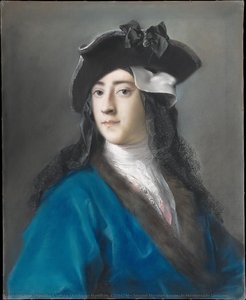
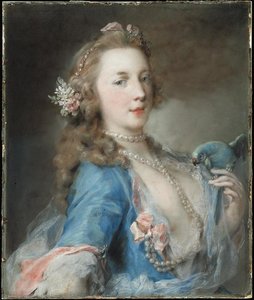
アーティストの略歴
ヴェネツィアの輝ける星:ロザルバ・カリエラの生涯と芸術
18世紀、活気あふれるヴェネツィアの芸術界から、真の革新者として現れた女性がいました。ロザルバ・カリエラです。彼女は当時の社会的な期待を打ち破り、時代を代表する最も名高い肖像画家の一人となりました。1675年、熟練したレース編み職人の母と弁護士の父という、控えめな暮らしの家庭に生まれたカリエラの芸術への道は、当初は型にはまらないものでした。ヴェネツ向のレース産業の衰退により、家族は新たな生計の手段を模索せざるを得なくなります。その中で、若きロザルバはその繊細な手つきを、嗅ぎタバコ入れの蓋に描く極小のミニチュール画へと注ぎ込みました。この芸術への初期の試みは驚くべき成功を収め、緻密なディテールと、形態や色彩に対する天賦の理解力によって彼女の名声を確立しました。決定的なのは、彼女がこれらのミニチュア肖像画の支持体として、伝統的なヴェラム(羊皮紙)ではなく象牙を用いる先駆者となったことです。この実験的な姿勢こそが、後の彼女のキャリアを定義することになります。これらの魅力的なミニチュアは、ヴェネツィアの貴族社会や、グランドツアーで訪れる旅行者たちの間で瞬く間に人気を博し、彼女の将来の成功の礎を築きました。パステルの革命
カリエラは当初、ミニチュール画において卓越した才能を発揮していましたが、彼女の遺産を真に不朽のものとしたのは、パステル画への傾倒でした。それまでパステルは主にスケッチや習作のために使われてきましたが、彼女はその地位を、正式な肖像画にふさわしい技法へと昇華させた先駆者の一人でした。これは単なる技術的な転換ではなく、美学的な変革でもありました。パステルを用いることで、カリエラは肌色の繊細なニュアンス、布地の煌めくような質感、そして被写体の刹那的な表情を、比類なき柔らかさと優雅さで捉えることが可能になったのです。これらの特性は、当時台頭していたロココ様式と完璧に調和していました。彼女の肖像画は単なる似顔絵ではなく、見る者を魅了し、理想化された美を提示するものでした。彼女は瞬く間に、バイエルンのマクシミリアン2世やデンマークのフレデイト4世、そして何よりポーランド王兼ザクセン選帝侯のアウグスト強王といった権威ある顧客を惹きつけ、強王は彼女のパステル画を膨大なコレクションとして蓄積しました。1704年には、ローマのサン・ルカ・アカデミーから「栄誉ある会員(Accademico di merito)」に任命されるという、女性芸術家としては極めて稀な栄誉を手にするに至り、その名声が確固たるものとなったのです。パリでの勝利と国際的な称賛
1720年までには、ロザルバ・カリエラの名声はヴェネツィアを遥かに超え、ヨーロッパの芸術の中心地であるパリへと彼女を導きました。影響力のある美術収集家ピエール・クロザに招かれた彼女は、フランスの首都で約2年間を過ごし、そこでも社会現象を巻き起こしました。彼女の肖像画は、国王ルイ15世や、あの名高い画家アントワーヌ・ワトー自身を含むフランス宮廷の人々から熱望されました。カリエラの才能は普遍的に称賛され、彼女は前例のない快挙を成し遂げます。それは、外国出身の芸術家、ましてや女性には極めて稀なことであった「王立絵画彫刻アカデミー」の会員に選出されたことでした。この勝利は、彼女の芸術的技術を証明しただけでなく、女性クリエイターの機会を制限していた当時の社会規範に挑戦するものでもありました。パリにおける彼女の存在は貴族の嗜好に大きな影響を与え、芸術のパトロン層を王室の枠を超えて広げ、ロココ美学へのより幅広い理解を育みました。また、彼女は決して孤独に活動していたわけではありません。姉のジョヴァンナとアンジェラが、この時期に押し寄せた膨大な依頼の制作を支えており、彼女の成功を可能にした強固な家族の絆が見て取れます。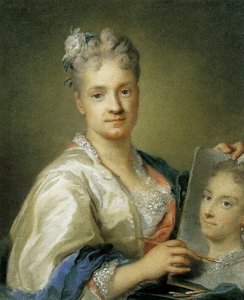
ロザルバ・カリエラ
1675 - 1757 , イタリア
基本情報
- Artistic Movement Or Style: ロココ
- Artists Or Movements Influenced By This Artist:
- アデライード・ラビリ=ギヤール
- エリザベート=ヴィジェ=ルブラン
- Date Of Birth: 1675年
- Date Of Death: 1757年
- Full Name: ロザルバ・カリエラ
- Nationality: イタリア
- Notable Artworks:
- バイエルン公マクシミリアン2世
- デンマーク王フレデリック4世
- 画家と妹ナネタ
- 強王アウグスト
- 猿を連れた少女
- 春
- Place Of Birth: イタリア、ヴェネツィア
関連記事

The Subdued Radiance of Pastel: Exploring Nuance & Emotion in Art
Explore the nuanced world of pastel art! Discover its history, techniques & emotional power with expert insights from ArtsDot.com. Find museum-quality reproductions and learn about collecting this delicate medium.

The Rococo Aesthetic: Opulence, Rebellion & the Pursuit of Pleasure in 18th-Century Art
Explore the opulent world of Rococo art! Discover its origins, key artists like Watteau & Boucher, and lasting influence on design. Expert insights for collectors & enthusiasts.

華麗なるロココ:芸術史を彩る10大傑作の世界
華麗なるロココ美術の世界へ。バロックから生まれた優雅な芸術、その10大傑作を徹底解説!ブーシェ、フロマンなど巨匠たちの技と物語を紐解き、お部屋を彩るアートを見つけよう。ArtsDot.comで至高の美術館品質レプリカとインテリアアイデアを発見。
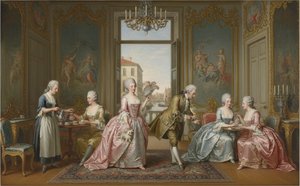
Pietro Longhi's Venetian Scenes: A Study of Rococo Society & Domestic Life
Explore the captivating world of Pietro Longhi's Venetian scenes! Discover insightful analysis of his Rococo masterpieces & social commentary on 18th-century life. Learn about this 'Venetian Hogarth' and his lasting artistic legacy.
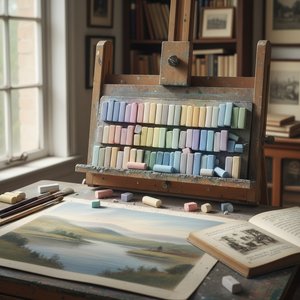
The Subtleties of Pastel: A Comprehensive Exploration of Technique, History & Emotional Resonance
Explore the captivating world of pastel art! Discover its rich history, Impressionistic masters like Degas, emotional power & unique techniques. Find museum-quality reproductions at ArtsDot.

