

 プレビュー
プレビュー
 シェアする
シェアする シェアする
シェアする
 詳細を見る
詳細を見る

 ダウンロード
 似ている作品
 X線調査
X線調査 スライドショー
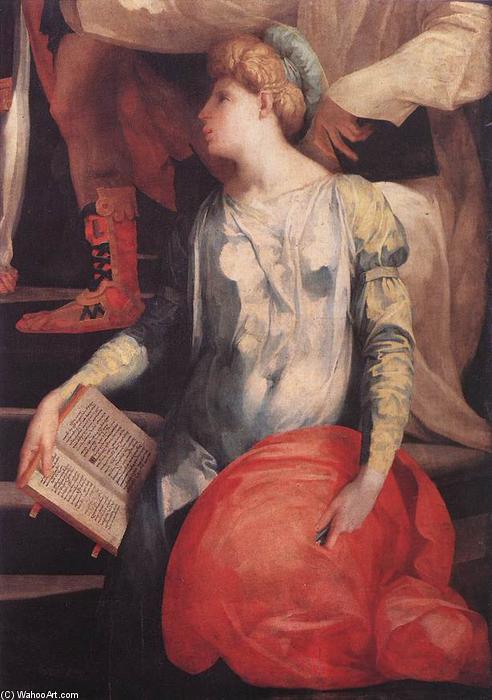
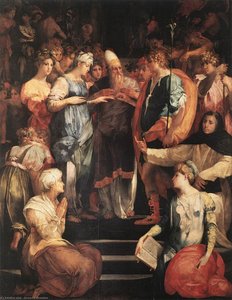
Marriage of the Virgin (detail)


 詳細を見る
詳細を見る
ジークレー/アートプリント
迅速な制作と多彩な仕上げオプションを備えた、ミュージアムクオリティのジークレーまたはキャンバスプリント。 ( 手描きの絵画を購入 画像を購入)




P118B $10

P118H $10

P118W $10

P438Z $10

P508JH $12

P508YH $12

P805H $10

P805Z $10

P919BZ $10

P919G $10

P919XJ $10

P959ZH $10

P968JZ $12

W106C $8

W218G $10

W218JH $8

W218Y $10

W307PJ $10

W316G $10

W316PJ $8

W316Y $10

W398PJ $8

W4111J $10

W500HY $15

W500JH $15

W692G $12

W849H $8

W940BG $15

W953PJ $8




作品のオリジナル比率に合わせた、当店の規定サイズからお選びください。

特定のフレームやスペースに合わせて、ご自身でサイズを指定することも可能です。選択されたサイズが元の画像の比率と一致しない場合、作品をトリミングするか、鏡面反射または単色での塗りつぶしによって画像を拡張いたします。制作を開始する前に、ご確認用のデジタルモックアップをお送りいたします。
画面上のプレビューには、実際のトリミングや拡張は反映されませんのでご注意ください。最終的な構図を正確に確認できるのは、モックアップのみとなります。
カスタムサイズも承っておりますが、元の比率を維持するためには、あらかじめ用意されたリストからサイズを選択することをお勧めいたします。


 ガラスオプションは、110cm未満のサイズでのみご利用いただけます。

Marriage of the Virgin (detail)
ジークレー/アートプリント
複製画のサイズ
-


合計金額
$ 62
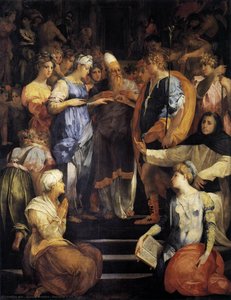
The Marriage of the Virgin: A Dance of Shadow and Light in Florentine Mannerism
Rosso Fiorentino’s “Marriage of the Virgin,” painted circa 1523, isn't merely a depiction of a biblical scene; it’s a profound exploration of human emotion and spiritual transformation, rendered with the unsettling beauty characteristic of Florentine Mannerism. This intimate panel, once part of the magnificent cycle adorning the chapel of San Lorenzo in Florence, captures a pivotal moment – not the grand ceremony itself, but the quiet contemplation that precedes it. The painting’s power lies not in idealized perfection, but in its deliberate ambiguity and masterful manipulation of light and shadow, creating an atmosphere thick with psychological depth.
The scene unfolds within a richly detailed interior, reminiscent of a Florentine palazzo rather than a sacred space. Columns, arches, and a receding perspective draw the eye into the room, while the muted palette – dominated by ochres, browns, and deep reds – contributes to a sense of subdued drama. The central figure, a young woman seated on a crimson cushion, is not overtly pious but possesses an air of thoughtful melancholy. Her gaze is directed downwards, lost in her own thoughts as she holds an open book—a subtle symbol of knowledge and contemplation, yet also hinting at the weight of expectation and perhaps even sorrow. Her attire, a simple blue garment adorned with delicate white flowers, speaks to both humility and grace.
The Language of Mannerism: Distortion and Emotion
Rosso Fiorentino’s style is deeply rooted in the principles of Mannerism, a movement that emerged in Florence during the High Renaissance. Unlike the classical harmony and balance favored by Leonardo da Vinci and Raphael, Mannerist artists prioritized emotional intensity, stylized forms, and an exploration of psychological states. In “Marriage of the Virgin,” this manifests in several ways. The figures are elongated and distorted, their proportions subtly skewed to heighten their expressiveness. The drapery is rendered with a theatrical flair, swirling and cascading around the figures as if caught in a perpetual dance. This deliberate distortion isn’t intended to deceive; rather, it serves to amplify the emotional impact of the scene.
The use of *chiaroscuro*, the dramatic contrast between light and shadow, is particularly striking. Rosso Fiorentino masterfully employs this technique to sculpt the figures, creating a sense of volume and depth while simultaneously obscuring details and suggesting hidden emotions. The strong directional lighting focuses attention on the central figure, drawing the viewer into her inner world. Notice how the shadows cling to her face, hinting at a quiet sadness or perhaps a premonition of future challenges.
Symbolism and Context: A Window into Renaissance Thought
The painting’s symbolism is layered and complex, inviting multiple interpretations. The open book represents not just learning but also faith—a call to contemplation and spiritual understanding. The presence of the male figure in the background, dressed in yellow and red, suggests a paternal role, perhaps representing Joseph or another guardian figure. However, his detached expression and averted gaze hint at a certain distance, reflecting the complexities of familial relationships within Renaissance society.
“Marriage of the Virgin” was created during a period of significant political and religious upheaval in Florence. The Medici family’s power was waning, and the city was grappling with the challenges posed by the Reformation. Rosso Fiorentino's work reflects this atmosphere of uncertainty and anxiety, capturing a sense of vulnerability and introspection that resonates deeply with viewers today. It is believed to have been commissioned as part of a larger cycle depicting scenes from the life of Mary, intended to adorn the chapel of San Lorenzo – a space central to Florentine religious life.
A Legacy of Emotional Resonance
Despite its relatively small size, “Marriage of the Virgin” possesses an extraordinary emotional resonance. Rosso Fiorentino’s masterful use of light, shadow, and distorted forms creates a world that is both beautiful and unsettling, inviting viewers to contemplate the complexities of human experience. The painting's enduring appeal lies in its ability to capture not just a biblical narrative but also the universal themes of love, loss, faith, and doubt—themes that continue to resonate with audiences centuries later. Reproductions of this captivating work offer a powerful connection to the artistic genius of the Renaissance, allowing us to experience firsthand the profound emotional depth of Rosso Fiorentino’s vision.
関連作品
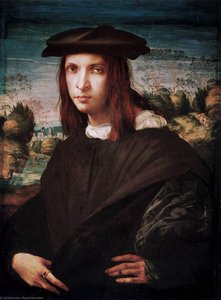
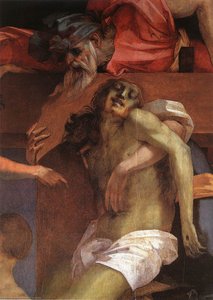

アーティストの略歴
炎に彩られた生涯:ロッソ・フィオレンティーノのドラマチックな世界
ジョヴァンニ・バッティスタ・ディ・ヤコポ、世界には「ロッソ・フィオレンティーノ(赤きフィレンツェ人)」の名で知られるその名は、イタリア・ルネサンスの時代、畏敬の念とどこか不安を孕んだ響きとともに語り継がれてきました。1495年3月8日にフィレンツェで生まれた彼のあだ名そのものが、彼の外見のみならず、強烈な感情を湛えた革新的な芸術を定義づけることとなる、燃えるような精神を暗示していました。ロッソは単なる画家ではありませんでした。彼は変化の先駆者であり、盛期ルネサンスの古典的な理想と、芽吹きつつあったマニエリスムの複雑な美学を繋ぐ極めて重要な役割を果たした人物なのです。芸術的な探求、政治的な激動、そして1540年のフォンテーヌブローにおけるあまりにも早すぎる死によって刻まれた彼の軌跡は、ヨーロッパ美術の風景に消えることのない足跡を残しました。形成期とフィレンツェの礎
ロッソの芸術教育は、フィレンツェ屈指の巨匠であるアンドレア・デル・サルトの権威ある工房から始まりました。この環境は彼にとって決定的な意味を持つこととなり、もう一人の新星、ポントルモと共に研鑽を積む場となりました。二人の画家は実験的な試みを共有し、互いに切磋琢磨する創造的なライバル関係を築き上げ、従来の境界を超えた探求へと突き動かされたのです。この形成期においてフィレンツェ派の影響は深く刻み込まれましたが、初期の作品においてさえ、ドラマチックな強烈さと表現豊かな色彩への、ロッソ特有の傾向が顕著に現れています。これこそが、彼を他の画家から際立たせる資質でした。彼は遠近法や解剖学的な正確さといった教えを吸収しながらも、それらを単なる技術として留めるのではなく、初期ルネレンサンス美術では稀であった心理的な深みを人物像に吹き込み始めました。『幼い聖ヨハネを伴う聖家族』のような初期の作品には、この萌芽しつつある様式が見て取れ、後の成熟期における作品の特徴となる感情の激動を予感させています。ローマでの休息とマニエリスムの種
1523年、ロッソは芸術的なエネルギーに満ち溢れ、ミケランジェロやラファエロによる記念碑的な業績が息づく街、ローマへと足を踏み入れました。この時期は、彼の変革期となりました。彼はミケランジェロの力強い人物像とダイナミックな構図、そしてラファエロの洗練された優雅さに深い衝撃を受けました。しかし、ロッソは単にこれらの巨匠を模倣するのではなく、彼らの影響を統合し、独自の表現へと昇華させたのです。1527年の「ローマ略奪」は混沌と破壊をもたらし、ロッソを街からの逃亡へと追い込み、彼のキャリアにおける決定的な転換点となりました。この悲劇的な出来事は、彼の芸術の内側に流れる感情の底流をより激しくしたかのようです。調和を重んじる盛期ルネサンスの美学から彼を遠ざけ、より不安をかき立てるようなマニエリスムの美学へと向かわせたのです。フランスでの庇護と不朽の遺産
ロッソの旅は、1530年に最終的にフランスへと辿り着き、そこで国王フランソワ1世に仕えることとなりました。これは彼の新たな章の始まりでした。彼は他の著名な芸術家たちと共に、フォンテーヌブロー宮殿の装飾における中心的な人物となったのです。ここでは、実験を重ね、自身の様式をさらに発展させるための多大な自由が与えられました。フォンテーヌブローの『フランソワ1世のギャラリー』は、引き伸ばされた人物像、鮮やかな色彩、そして複雑な象徴性に満ちた寓意的な場面を見事に描き出し、彼の卓越した技術の証として今もなお輝いています。また、『象』のような作品では、対象の本質を驚くべき細部まで捉える能力を示しました。悲しいことに、フランスでのロッソの時間は病によって断ち切られました。彼は1540年、わずか45歳でこの世を去りました。そのキャリアは比較的短いものでしたが、ロッソ・フィオレンティーノの影響はヨーロッパ全土に響き渡りました。彼の様式は、フォンテーヌブローで彼の後継者となったフランチェスコ・プリマティッチョのような芸術家に深い影響を与え、その後の数十年にわたってマニエリスムが美術界の支配的な勢力として確立される一助となりました。ローマの国立近代美術館、ヴォルテッラのコムーナル絵画館、チッタ・ディ・カステッロのドゥオーモなど、世界中の美術館に収蔵されている彼の作品は、今もなおドラマチックな力強さと感情的な深みで観る者を魅了し続けており、「赤きフィレンツェ人」が美術史における不可欠で魅力的な存在であることを証明しています。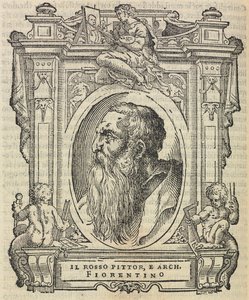
ロッソ・フィオレンティーノ
1495 - 1540 , イタリア
基本情報
- Artistic Movement Or Style: マニエリスム
- Artists Or Movements Influenced By This Artist: ['フランチェスコ・プリマティッチョ']
- Artists Who Influenced This Artist:
- ミケランジェロ
- ラファエロ
- Date Of Birth: 1495年3月8日
- Date Of Death: 1540年11月14日
- Full Name: ジョヴァンニ・バッティスタ・ディ・ヤコポ
- Nationality: イタリア
- Notable Artworks:
- 墓への降下
- 象
- モーセとイエトロの娘たち
- Place Of Birth: イタリア、フィレンツェ
関連記事
Mannerism: Bridging Renaissance Harmony & Baroque Drama – A Study of Style & Affectation
Explore the fascinating world of Mannerism! Discover its key characteristics, pioneering artists like Pontormo & Bronzino, and its pivotal role in bridging Renaissance harmony to Baroque drama. A comprehensive guide for art enthusiasts.
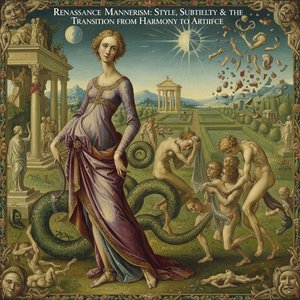
Renaissance Mannerism: Style, Subtlety & the Transition from Harmony to Artifice
Explore the captivating world of Renaissance Mannerism! Discover its key characteristics, pioneering artists like Pontormo & Bronzino, and its pivotal role in art history. Expert insights & museum-quality reproductions at ArtsDot.
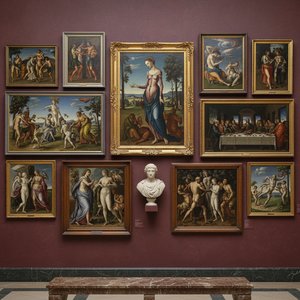
Mannerism's Masters: 10 Artworks That Redefined Renaissance Style | ArtsDot
Explore 10 defining Mannerism masterpieces – from Pontormo to El Greco. Discover the stories behind these Renaissance paintings, their unique style & symbolism. Find museum-quality art reproductions at ArtsDot.com and elevate your home decor.
The Dramatic Dialogue: Baroque Mannerism & the Synthesis of Emotion, Form, and Artistic Rebellion
Explore the dramatic world of Baroque Mannerism! Discover its history, iconic artists like Rubens & El Greco, and lasting influence on art. Expert insights for collectors & enthusiasts at ArtsDot.
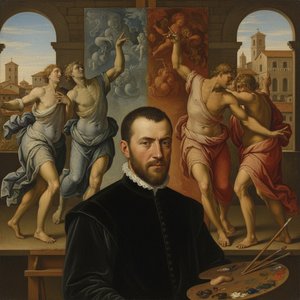
Domenico Beccafumi: A Sienese Master Between Mannerism & Baroque Anticipation
Explore the captivating world of Domenico Beccafumi, a pivotal figure bridging Mannerism & Baroque art. Discover his unique style, religious masterpieces, and lasting legacy with ArtsDot.

