

 プレビュー
プレビュー
 プリントを購入
 シェアする
シェアする シェアする
シェアする
 詳細を見る
詳細を見る

 ダウンロード
 似ている作品
 X線調査
X線調査 スライドショー
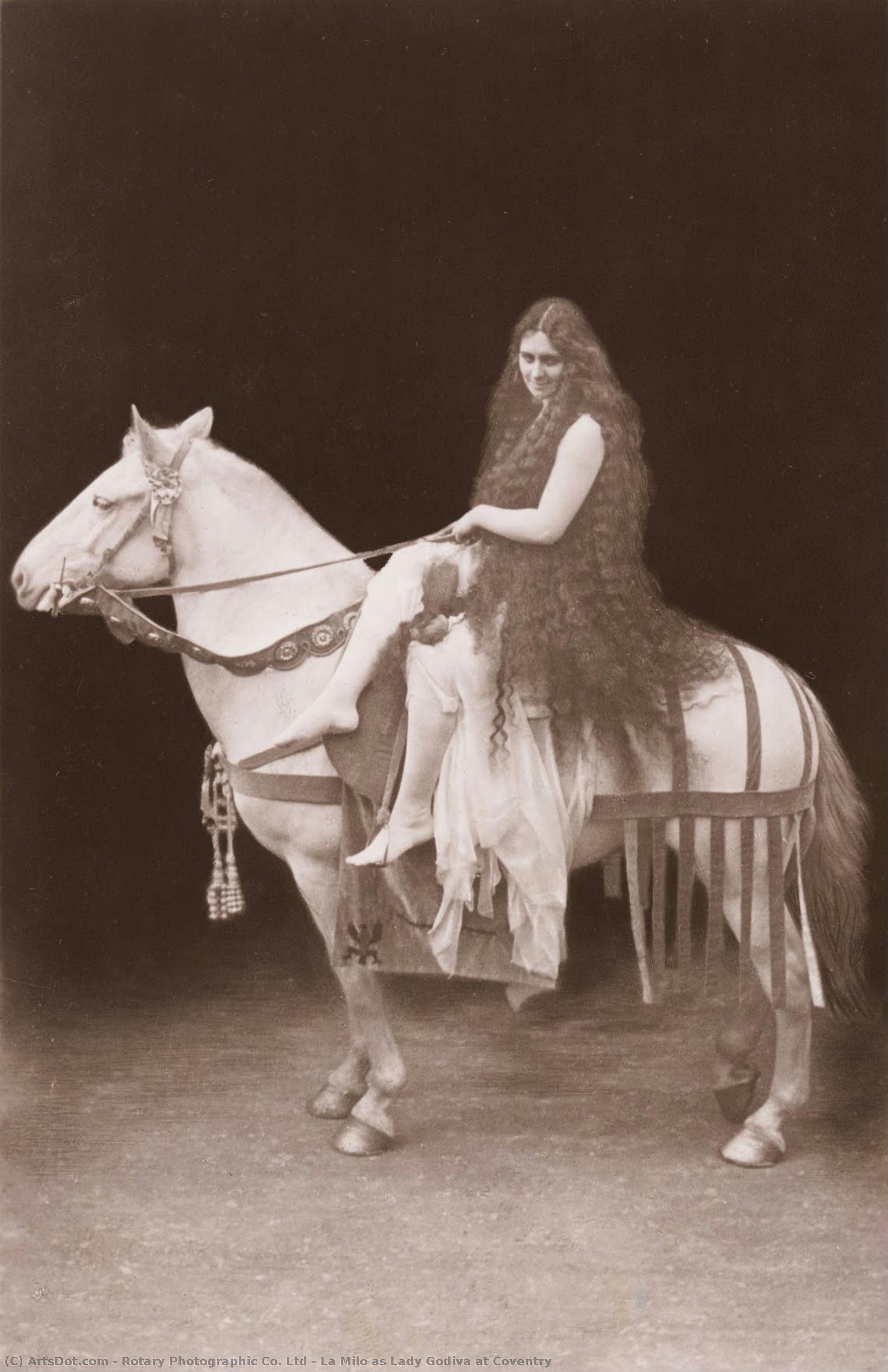
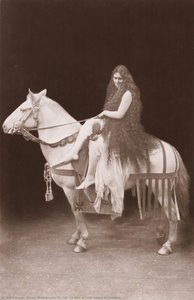
La Milo as Lady Godiva at Coventry
 Other
Other 1907
1907 13.0 x 8.0 cm
 National Portrait Gallery
 詳細を見る
詳細を見る




































作品のオリジナル比率に合わせた、当店の規定サイズからお選びください。

特定のフレームやスペースに合わせて、ご希望のサイズをご入力いただけます。選択されたサイズが元の画像の比率と異なる場合、アートワークをトリミングするか、手描きで要素を追加して絵画を拡張いたします。デジタルモックアップ を制作し、制作開始前にご確認(承認)をいただきます。
画面上のプレビューは、実際のトリミングや拡張を正確に反映しているものではありません。最終的な構図は、モックアップによってのみ正確にご確認いただけます。
カスタムサイズもご利用いただけますが、元の比率を維持するためには、あらかじめ用意されたリストからサイズを選択することをお勧めいたします。
ご注文後、ArtsDot.com チームより詳細な指示をお送りするとともに、仕上がりイメージ(モックアップ)をご提供いたします。


 ガラスオプションは、110cm未満のサイズでのみご利用いただけます。

La Milo as Lady Godiva at Coventry
複製技法
複製画のサイズ
-


合計金額
$ 263
関連作品

アーティストの略歴
The Pioneering Lens of the Rotary Photographic Co. Ltd
The Rotary Photographic Co. Ltd, a name perhaps less celebrated than many in the pantheon of photographic history, nonetheless occupies a crucial position as an early innovator and prolific producer of stereoscopic imagery. Emerging during the Victorian era’s fervent embrace of new technologies and visual culture, the company played a significant role in popularizing three-dimensional photography and bringing the world – or at least carefully curated slices of it – into the parlors of middle-class homes. While biographical details regarding the founders and key personnel remain somewhat elusive, the story of Rotary Photographic is inextricably linked to the rise of stereoscopy itself. The company wasn’t simply *taking* pictures; they were crafting experiences, offering a novel form of entertainment, education, and even vicarious travel at a time when such opportunities were limited for many.A World in Three Dimensions: Early Development & Techniques
The mid-19th century witnessed an explosion of interest in stereoscopy – the creation of the illusion of depth through presenting two slightly different images to each eye. Scientists like Charles Wheatstone had laid the theoretical groundwork, but it was entrepreneurs like those at Rotary Photographic who translated that science into a commercially viable art form. The company specialized in producing stereoscopic views, often captured using large-format cameras mounted on railway carriages or strategically positioned in popular tourist destinations. These images weren’t merely snapshots; they were carefully composed scenes designed to maximize the three-dimensional effect and evoke a sense of presence. The process involved meticulous alignment and printing techniques, ensuring that when viewed through a stereoscope – another key component Rotary Photographic often supplied – the two images merged into a convincing illusion of depth. Their success hinged on both technical proficiency and an understanding of what audiences desired: picturesque landscapes, grand architecture, bustling cityscapes, and exotic locales. The company’s early catalogs reveal a keen awareness of current events and popular travel routes, suggesting a responsive approach to market demands.Expanding the Visual Horizon: Subject Matter & Popularity
Rotary Photographic's subject matter was remarkably diverse, reflecting the broadening horizons of Victorian society. While European landmarks – Paris, Rome, London – were frequently featured, they also ventured further afield, documenting scenes from India, Egypt, and other parts of the British Empire. This expansion wasn’t simply about providing exotic imagery; it served a broader cultural purpose, reinforcing colonial narratives and offering glimpses into distant lands that many would never experience firsthand. Beyond travel views, they also produced stereoscopic portraits, still lifes, and even reproductions of famous paintings, demonstrating the versatility of the medium. The company's marketing strategies were equally innovative. They sold individual views, but also curated themed collections – “Scenes in Italy,” “Wonders of Egypt” – appealing to collectors and those seeking a comprehensive visual experience. The affordability of both the stereoscopes and the views (compared to other forms of art) contributed significantly to their widespread popularity. Families would gather around the stereoscope, sharing the illusion of being transported to another place and time, fostering a sense of collective wonder and shared experience.Legacy & Historical Significance
Although the advent of more sophisticated photographic technologies eventually eclipsed the popularity of stereoscopy in its original form, the Rotary Photographic Co. Ltd left an indelible mark on visual culture. Their extensive collection of stereoscopic views provides a valuable historical record of Victorian life and landscapes, offering insights into architecture, fashion, social customs, and even the evolving perception of different cultures.- The company’s work demonstrates the power of photography to shape public opinion and construct narratives about distant places.
- Their success in popularizing stereoscopy paved the way for later developments in three-dimensional imaging, including modern 3D cinema and virtual reality.
- Today, their views are prized by collectors and historians alike, offering a unique window into the past.
基本情報
- Artistic Movement Or Style: Photography
- Date Of Death: Living
- Full Name: Rotary Photographic Co. Ltd
関連記事

White on Canvas: 10 Masterpieces & Timeless Elegance for Your Home Decor
Explore 10 iconic white paintings by Monet, Whistler & Rothko! Discover the stories behind these serene masterpieces and their impact on art history. Find museum-quality reproductions for your home decor at .

Monochrome Visions: Exploring the Aesthetic & Historical Significance of Black & White Photography
Explore the rich history & artistic power of black and white photography. From early techniques to iconic masters like Ansel Adams, discover why monochrome continues to captivate art lovers today. Expert insights for collectors.

Dark Masterpieces: 10 Iconic Paintings Dominated by Black Tones |
Explore 10 iconic paintings dominated by black tones, from Rembrandt’s chiaroscuro to Goya's dark expressions. Discover the stories behind these masterpieces & find museum-quality art reproductions for your home at .
Documentary Photography's Defining Moments: 10 Masterpieces for Your Home |
Explore 10 defining documentary photography masterpieces – from Dorothea Lange to Robert Capa. Discover powerful stories, iconic images & timeless art for your home. Museum-quality prints at .
Resurrecting Memories: Artistic Reconstruction of Low-Resolution Photographs into High-Fidelity Oil Paintings
Transform cherished low-resolution photos into stunning, high-fidelity oil paintings. Expert restoration & museum-quality reproductions by skilled artists. Preserve your memories with lasting beauty.