

 プレビュー
プレビュー
 シェアする
シェアする シェアする
シェアする
 詳細を見る
詳細を見る

 ダウンロード
 似ている作品
 X線調査
X線調査 スライドショー
 統計情報
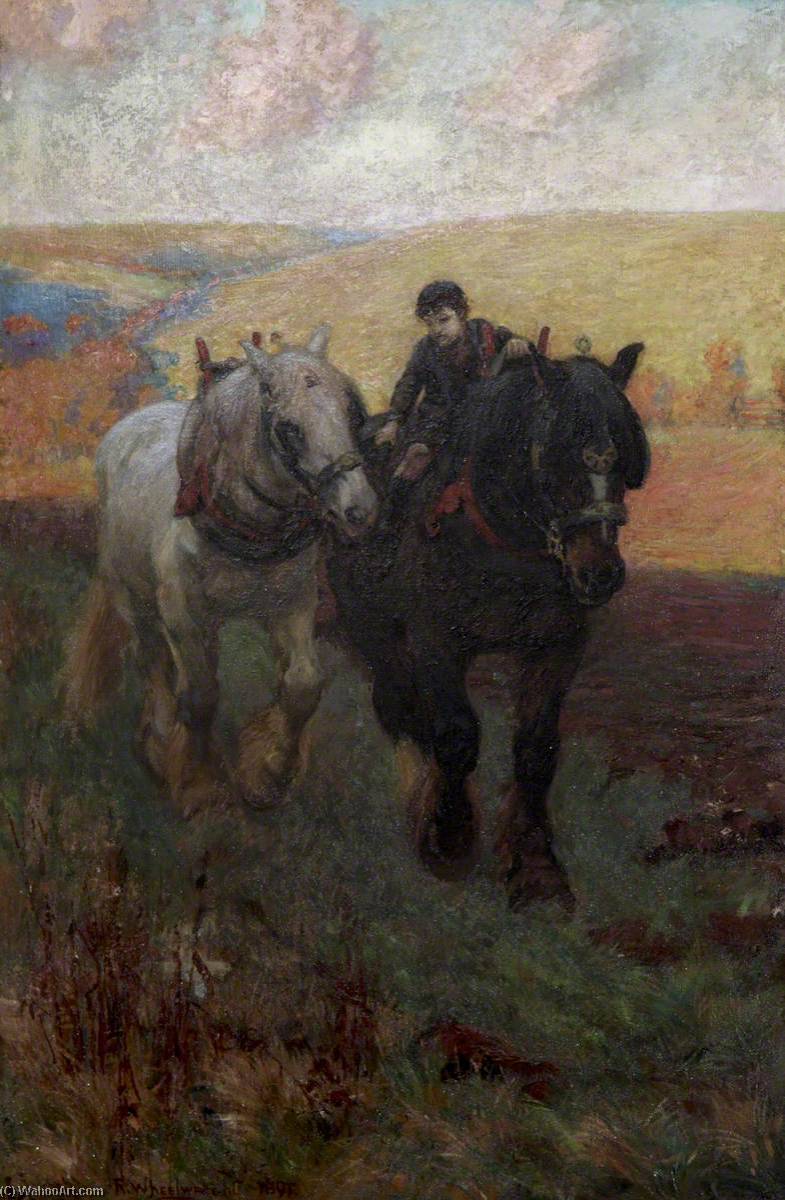
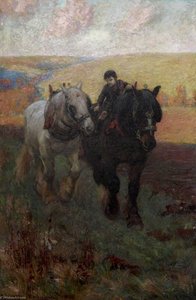
統計情報A Lord of Creation
 1897
1897 152.0 x 101.0 cm
 Torre Abbey Historic House And Gardens
 詳細を見る
詳細を見る
手描き油彩複製画
当社のアーティストが、お客様のご希望のサイズと額縁に合わせて、キャンバスに手描きで制作する油彩画です。 ( プリント版に切り替え デジタル画像販売へ切り替え)




































作品のオリジナル比率に合わせた、当店の規定サイズからお選びください。

特定のフレームやスペースに合わせて、ご希望のサイズをご入力いただけます。選択されたサイズが元の画像の比率と異なる場合、アートワークをトリミングするか、手描きで要素を追加して絵画を拡張いたします。デジタルモックアップ を制作し、制作開始前にご確認(承認)をいただきます。
画面上のプレビューは、実際のトリミングや拡張を正確に反映しているものではありません。最終的な構図は、モックアップによってのみ正確にご確認いただけます。
カスタムサイズもご利用いただけますが、元の比率を維持するためには、あらかじめ用意されたリストからサイズを選択することをお勧めいたします。
ご注文後、ArtsDot.com チームより詳細な指示をお送りするとともに、仕上がりイメージ(モックアップ)をご提供いたします。


 ガラスオプションは、110cm未満のサイズでのみご利用いただけます。

A Lord of Creation
複製技法
複製画のサイズ
-


合計金額
$ 263
関連作品







アーティストの略歴
A Legacy of Pastoral Serenity
Rowland Wheelwright (1870–1955) stands as a singular figure in British art, remembered primarily for his exquisite genre paintings and book illustrations—works that capture the serene beauty of rural England with remarkable sensitivity. Born in Ipswich, Queensland, Australia, he embarked on an artistic journey marked by relocation to London at a young age, establishing himself in Bushey, Hertfordshire, where he would spend the remainder of his life. This unique trajectory allowed him to foster a profound connection to both his Australian heritage and the rich European artistic traditions that defined his mature period. His legacy resides not merely in stylistic innovation but also in a deep engagement with Victorian ideals of landscape and narrative storytelling.
Wheelwright’s formative years were shaped by a childhood spent on sheep farms, a grounding experience that instilled in him an enduring appreciation for the natural world—an element which would permeate his artistic vision throughout his career. Following his education at Tonbridge School, he pursued formal training at Herkomer’s School of Art in Bushey, alongside luminaries such as Lucy Kemp Welch. Under the expert tutelage of Sir Hubert von Herkomer, RA, Wheelwright honed a commitment to classical artistic principles that would become the bedrock of his practice. This dedication eventually led him to the Royal Academy Schools in London, providing him with access to a vibrant intellectual and creative milieu that shaped his understanding of light, form, and composition.
Mastery of Form and Narrative
The artist’s distinctive style is characterized by a meticulous observation of detail combined with an expressive handling of color and texture. These techniques elevate his paintings beyond mere representation, transforming them into evocative evocations of mood and atmosphere. Wheelwright possessed a particular talent for depicting horses, capturing their musculature and movement with breathtaking accuracy. This fascination with animal anatomy and the grandeur of equestrian pursuits reflected a deep-seated respect for the vitality of the natural world. His compositions often favored a sense of quiet drama, where the stillness of a landscape or the tension in a character's gaze could tell a story as profound as any written text.
Beyond his landscapes, Wheelwright was a master of the narrative genre, frequently translating literary classics into visual masterpieces. His work often bridged the gap between fine art and book illustration, bringing a painterly richness to the pages of beloved stories. Some of his most notable thematic explorations include:
- Literary Illustrations: Capturing the dramatic essence of works such as Cervantes' Don Quixote, where he utilized somber tones and symbolic figures to evoke the Romantic spirit.
- Pastoral Scenes: Creating idyllic depictions of rural life, including tranquil studies like Cows and Sheep in a Water Meadow, which celebrate the simplicity of the English countryside.
- Character Studies: Developing poignant illustrations for classic literature, such as his evocative work for Lorna Doone, where he captured intense emotional moments through delicate brushwork.
Historical Significance and Artistic Spirit
As the eras of Victorian and Edwardian art transitioned into the modern age, Wheelwright remained a steadfast guardian of classical beauty and narrative depth. While the art world moved toward abstraction, his dedication to the genre painting—the depiction of everyday life with dignity and grace—ensured his place in the canon of British pastoral artists. His ability to blend the ruggedness of his Australian upbringing with the refined sensibilities of the English school allowed him to create a body of work that feels both grounded and dreamlike.
Today, the works of Rowland Wheelwright serve as a window into a vanished world of rural tranquility and literary romance. His paintings are more than mere historical artifacts; they are emotional journeys that invite the viewer to pause and appreciate the subtle textures of life, the strength of a working horse, and the quiet majesty of the meadow. Through his meticulous technique and soulful perspective, Wheelwright remains an essential voice in the history of British landscape and genre art.
rowland wheelwright
1870 - 1955
基本情報
- Artistic Movement Or Style: Romantic
- Artists Or Movements Influenced By This Artist: ['Lucy Kemp Welch']
- Artists Who Influenced This Artist: ['Sir Hubert von Herkomer']
- Date Of Birth: 1870
- Date Of Death: 1955
- Full Name: Rowland Wheelwright
- Nationality: British
- Notable Artworks: ['Joan of Arc Taken Prisoner']
- Place Of Birth: Ipswich, Australia