

 プレビュー
プレビュー
 シェアする
シェアする シェアする
シェアする
 詳細を見る
詳細を見る

 ダウンロード
 似ている作品
 X線調査
X線調査 スライドショー
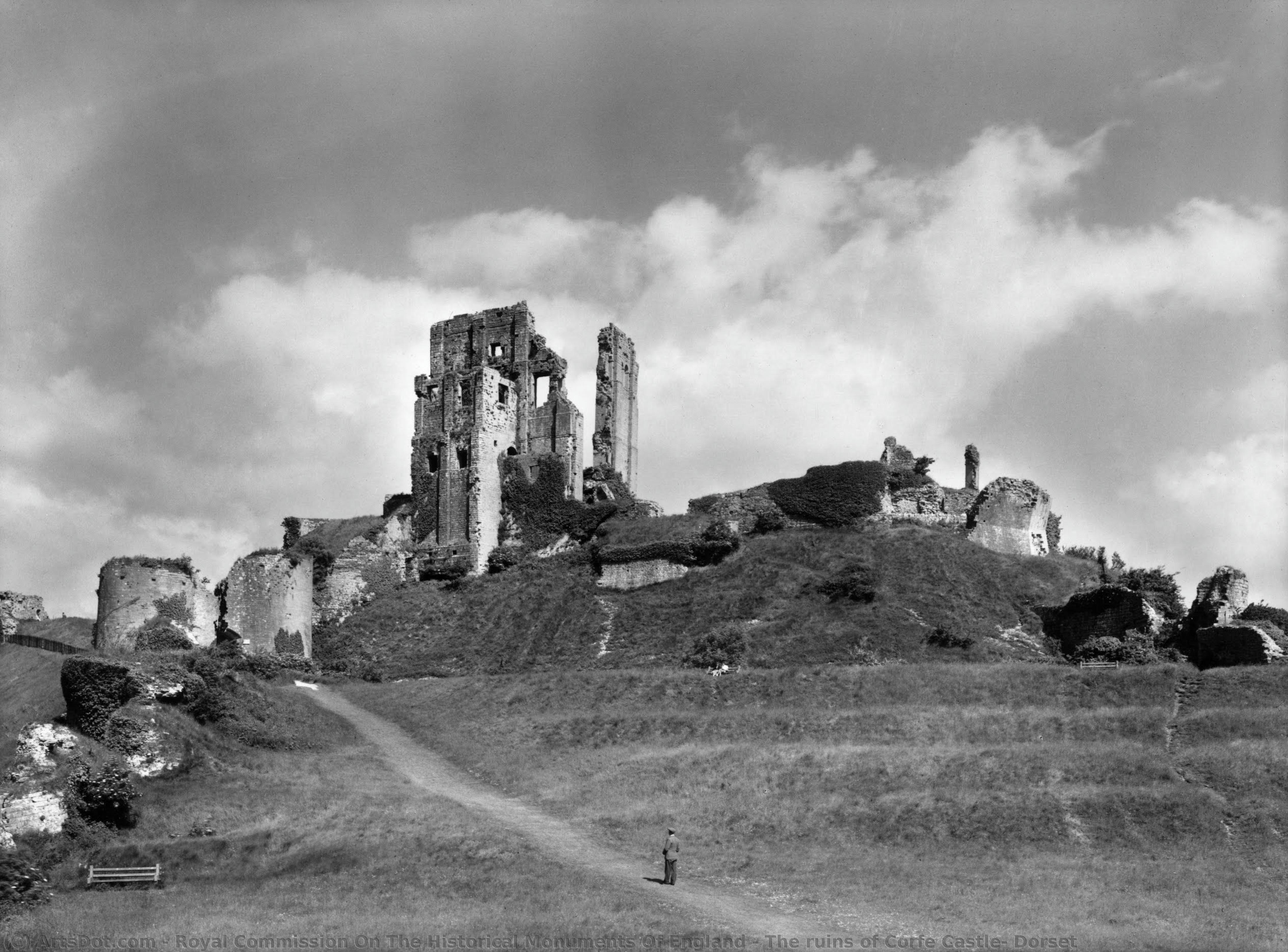
The ruins of Corfe Castle, Dorset


 詳細を見る
詳細を見る
ジークレー/アートプリント
迅速な制作と多彩な仕上げオプションを備えた、ミュージアムクオリティのジークレーまたはキャンバスプリント。 ( 手描きの絵画を購入 画像を購入)




































作品のオリジナル比率に合わせた、当店の規定サイズからお選びください。

特定のフレームやスペースに合わせて、ご自身でサイズを指定することも可能です。選択されたサイズが元の画像の比率と一致しない場合、作品をトリミングするか、鏡面反射または単色での塗りつぶしによって画像を拡張いたします。制作を開始する前に、ご確認用のデジタルモックアップをお送りいたします。
画面上のプレビューには、実際のトリミングや拡張は反映されませんのでご注意ください。最終的な構図を正確に確認できるのは、モックアップのみとなります。
カスタムサイズも承っておりますが、元の比率を維持するためには、あらかじめ用意されたリストからサイズを選択することをお勧めいたします。


 ガラスオプションは、110cm未満のサイズでのみご利用いただけます。

The ruins of Corfe Castle, Dorset
ジークレー/アートプリント
複製画のサイズ
-


合計金額
$ 62
関連作品







アーティストの略歴
The Royal Commission on the Historical Monuments of England: A Legacy in Documentation
Established in 1908, the Royal Commission on the Historical Monuments of England (RCHME) wasn’t an artist in the traditional sense—no canvases bear their signature, no sculptures grace museum halls under their name. Instead, the RCHME was a vital force dedicated to preserving and understanding England's rich architectural and archaeological heritage through meticulous documentation. Born from a growing concern that invaluable historical structures were being lost or neglected, the Commission embarked on an ambitious project: to create a comprehensive inventory of the nation’s monuments, from prehistoric sites to buildings dating up to 1700—a period later extended to 1850.
Origins and Early Endeavors
The impetus for the RCHME arose from a confluence of factors in the late 19th and early 20th centuries. The Ancient Monuments Protection Act of 1882 had provided initial legal safeguards, but critics like David Murray argued that effective preservation required detailed knowledge of *what* needed protecting. Gerard Baldwin Brown further championed the idea of a Royal Commission modeled after continental European examples, believing a systematic survey was essential. Following the establishment of similar commissions in Scotland and Wales, the Royal Warrant for the RCHME arrived on October 27th, 1908, setting in motion decades of dedicated research.
The initial focus was clear: to record “Ancient and Historical Monuments and Constructions connected with or illustrative of the contemporary culture, civilization and conditions of life of the people of England.” Hertfordshire became the first county selected for survey, resulting in a landmark volume published in 1910. This set the precedent for a county-by-county approach that would define much of the Commission’s early work. The task was immense, requiring teams of archaeologists, architects, historians, and photographers to meticulously document structures, create detailed plans, and compile comprehensive reports.
The Scope of Their Work: Beyond Inventory
While initially conceived as an inventory project, the RCHME's role evolved over time. They didn’t simply catalogue buildings; they sought to understand their historical context, architectural significance, and cultural importance. This involved not only detailed descriptions but also extensive research into ownership records, social histories, and construction techniques. The Commission’s publications became invaluable resources for scholars, architects, and anyone interested in England's past.
The RCHME’s work extended beyond purely academic pursuits. Their documentation played a crucial role during World War II with the establishment of the National Buildings Record (NBR) in 1941. The NBR focused on recording buildings at risk from bombing raids, creating a vital archive of structures that might otherwise have been lost forever. This wartime effort underscored the practical importance of their work and cemented their position as guardians of England’s heritage.
A Changing Landscape: Merging with English Heritage
Throughout the 20th century, the RCHME continued to publish county inventories, producing approximately 40 volumes. However, in the early 1980s, a shift occurred towards more thematic publications. This change reflected evolving priorities and a growing recognition of the need for broader historical studies. The Commission’s remit was also expanded through successive Royal Warrants.
In 1999, a significant chapter closed as the RCHME merged with English Heritage. While the name disappeared, its legacy lived on. The research section and extensive archive were absorbed into Historic England, ensuring that the Commission’s invaluable work continued to inform preservation efforts and scholarly research. Today, over a million records created by the RCHME are accessible online, providing an unparalleled resource for understanding England's architectural and archaeological past.
The Enduring Significance
The Royal Commission on the Historical Monuments of England may not have produced works of art in the conventional sense, but their contribution to our understanding and preservation of England’s heritage is immeasurable. They were pioneers in systematic documentation, establishing standards for recording and analysis that continue to be followed today. Their work serves as a powerful reminder of the importance of preserving our past—not just for its aesthetic beauty, but for the insights it offers into the lives, cultures, and civilizations that have shaped our world.
royal commission on the historical monuments of england
1908 - 1999 , United Kingdom
基本情報
- Artistic Movement Or Style: Historic Preservation
- Artists Or Movements Influenced By This Artist: ['English Heritage']
- Artists Who Influenced This Artist: ['David Murray']
- Date Of Death: 1999
- Full Name: Royal Commission on the Historical Monuments of England
- Nationality: British
- Notable Artworks:
- Terraced houses, Bristol Street, Swindon
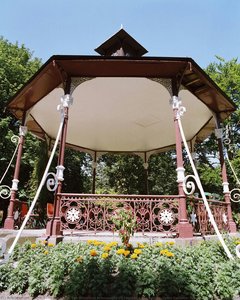
- Bandstand, Town Gardens, Quarry Road, Old Town, Swindon
- The ruins of Corfe Castle, Dorset
- Place Of Birth: United Kingdom

