

 プレビュー
プレビュー
 プリントを購入
 シェアする
シェアする シェアする
シェアする
 詳細を見る
詳細を見る

 ダウンロード
 似ている作品
 X線調査
X線調査 スライドショー
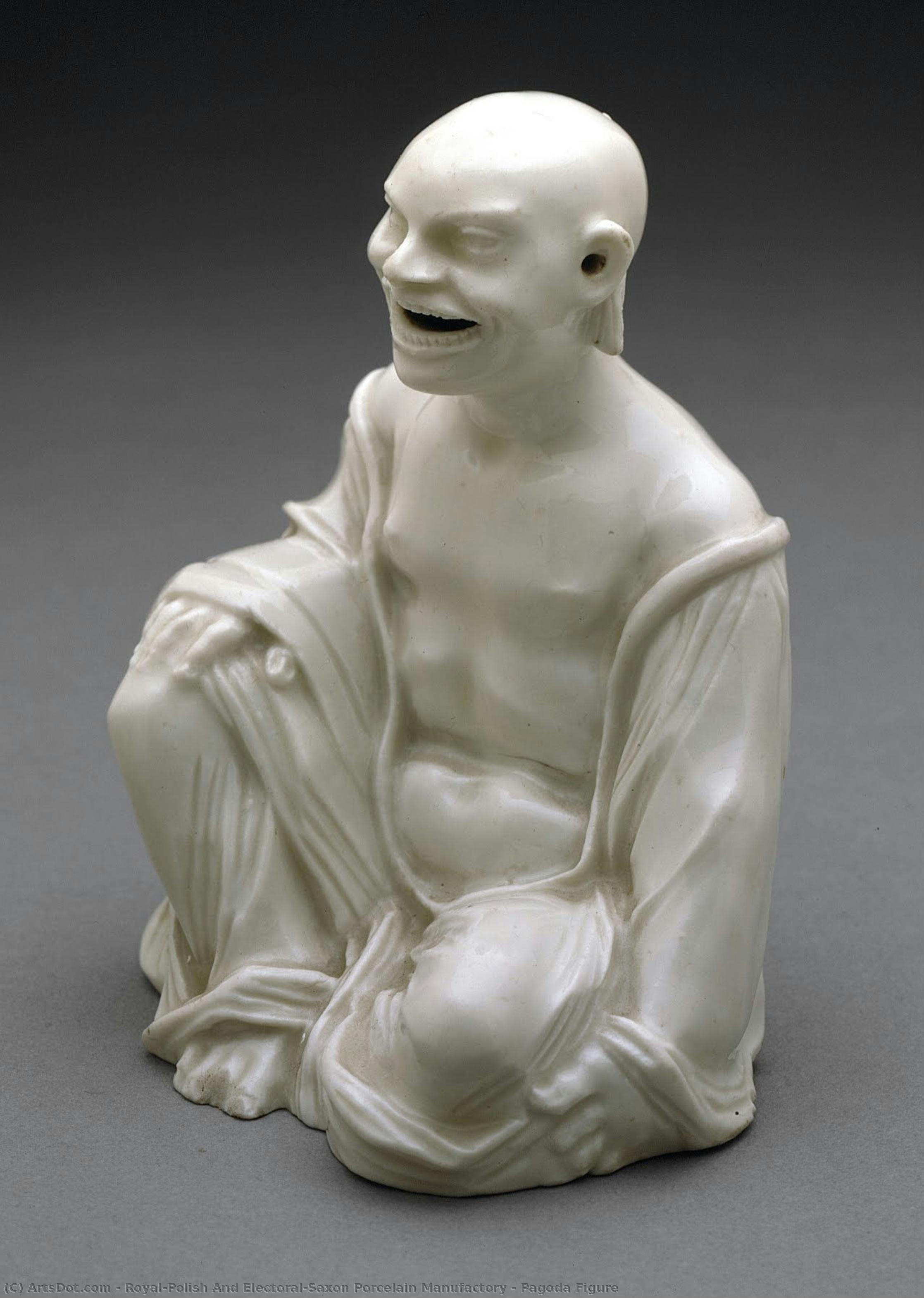
Pagoda Figure


 詳細を見る
詳細を見る




P118B $10

P118H $10

P118W $10

P438Z $10

P508JH $12

P508YH $12

P805H $10

P805Z $10

P919BZ $10

P919G $10

P919XJ $10

P959ZH $10

P968JZ $12

W106C $8

W218G $10

W218JH $8

W218Y $10

W307PJ $10

W316G $10

W316PJ $8

W316Y $10

W398PJ $8

W4111J $10

W500HY $15

W500JH $15

W692G $12

W849H $8

W940BG $15

W953PJ $8




作品のオリジナル比率に合わせた、当店の規定サイズからお選びください。

特定のフレームやスペースに合わせて、ご希望のサイズをご入力いただけます。選択されたサイズが元の画像の比率と異なる場合、アートワークをトリミングするか、手描きで要素を追加して絵画を拡張いたします。デジタルモックアップ を制作し、制作開始前にご確認(承認)をいただきます。
画面上のプレビューは、実際のトリミングや拡張を正確に反映しているものではありません。最終的な構図は、モックアップによってのみ正確にご確認いただけます。
カスタムサイズもご利用いただけますが、元の比率を維持するためには、あらかじめ用意されたリストからサイズを選択することをお勧めいたします。
ご注文後、ArtsDot.com チームより詳細な指示をお送りするとともに、仕上がりイメージ(モックアップ)をご提供いたします。


 ガラスオプションは、110cm未満のサイズでのみご利用いただけます。

Pagoda Figure
複製技法
複製画のサイズ
-


合計金額
$ 263
The Legacy of Meissen: Unveiling the Pagoda Figure
Within the hallowed halls of European ceramics history resides a workshop that irrevocably altered artistic conventions – the Royal Porcelain Manufactory of Meissen, established in 1710. More than simply a producer of exquisite objects, Meissen became a crucible for innovation, driven by scientific inquiry and a profound desire to emulate the unparalleled artistry of Chinese porcelain. This pursuit culminated in the creation of “Pagoda Figure,” a captivating piece from 1715, embodying not only technical mastery but also a deep engagement with Eastern iconography and spiritual themes. The figure’s existence is a testament to the ambition of Ehrenfried Walther von Tschirnhaus and Johann Friedrich Böttger, who successfully replicated the secrets of hard-paste porcelain – a feat that challenged established traditions and firmly positioned Europe at the forefront of ceramic artistry.
A Glimpse into Rococo Grace: Form and Composition
The “Pagoda Figure” immediately commands attention with its serene elegance, a quintessential example of the Rococo style prevalent in 18th-century Meissen porcelain. Seated cross-legged, the figure evokes a sense of contemplative peace, his posture relaxed yet dignified. The composition is carefully balanced – the figure occupies a substantial portion of the frame, subtly off-center to create visual interest and prevent the image from feeling static. A three-quarter view offers a comprehensive perspective, revealing both the frontal and side profiles with remarkable detail. The smooth, flowing contours of the robes and face contribute to an overall impression of harmony and refinement, while sharp lines delineate key features like the eyes and mouth, lending a subtle realism to this stylized representation.
Delicate Craftsmanship: Technique and Materials
Crafted from porcelain – a material renowned for its delicate beauty and capacity for capturing intricate details – the “Pagoda Figure” showcases the exceptional skill of Meissen’s artisans. The process likely involved meticulous molding of the clay, followed by firing at high temperatures to achieve the desired hardness and translucency. The surface is glazed with a smooth, glossy finish in areas exposed to light, while shadowed regions reveal subtle textural variations, suggesting the tactile quality of the porcelain. The folds of the robes are rendered with a degree of simplification characteristic of this medium, yet they retain a convincing sense of volume and movement. The use of gilding further enhances the figure’s presence, adding a touch of opulence and highlighting key elements like the cap and pendant.
Symbolism and Spiritual Resonance
Beyond its aesthetic qualities, the “Pagoda Figure” carries profound symbolic weight. The seated Asian figure itself is deeply rooted in Eastern iconography, often associated with Buddhist monks or deities connected to pagodas – structures integral to religious practice. The pagoda reference directly links the piece to these sacred sites, suggesting a connection between earthly artistry and spiritual contemplation. The figure’s posture and serene expression invite viewers to reflect on themes of meditation, enlightenment, and the pursuit of inner peace. The inclusion of teawares further reinforces this symbolism, evoking images of ritualistic ceremonies and moments of quiet reflection within Buddhist traditions.
A Window into a Golden Age: Historical Context
Created in 1715, the “Pagoda Figure” represents a pivotal moment in European ceramics history. The Royal Porcelain Manufactory of Meissen was not merely replicating Chinese techniques; it was striving to master them and ultimately surpass them. This ambition, fueled by scientific innovation and artistic vision, led to the creation of a new aesthetic – one that blended Eastern influences with Western sensibilities. The figure stands as a tangible reminder of this transformative period, embodying the legacy of Meissen’s pioneering spirit and its enduring contribution to the world of art.
関連作品
アーティストの略歴
マイセン磁器の遺産
1710年、エーレンフリート・ヴァルター・フォン・ツィルンハウスとヨハン・フリードリヒ・ベトガーによって設立された「王立ポーランド・選帝侯ザクセン磁器製造所」は、ヨーロッパ陶磁器史における金字塔として君臨しています。それは科学的革新と芸術的輝きの証であり、今なお世界中のコレクターや愛好家を魅了して止みません。ドイツのマイセンで産声を上げたこの工場の起源は、中国で発展した硬質磁器の技法を再現しようとしたツィルンハウスの先駆的な試みにあります。それは既存の伝統に挑む極めて重要な瞬間でした。その野心は単なる模倣に留まらず、ヨーロッパの職人技をかつてない高みへと引き上げるための、変革的なプロセスを習得することにあったのです。- 黎明期と科学的突破口:磁器への飽くなき追求は、理想的な硬度と透光性を実現するために不可欠なカオリン粘土の発見へと繋がりました。その後、ベトガーによる製造工程の洗練は、セラミック科学のリーダーとしてのマイセンの地位を確固たるものにし、熟練した職人たちを引き寄せ、卓越性の代名なる工房を築き上げました。
- 交差する剣の紋章:1720年に導入された「交差する剣」のロゴは、単なる保護商標としてだけでなく、誇りの象徴でもありました。それは品質と革新に対する工場の献身を表すエンブレムであり、その永続的な存在感は、至高の職人技という名声を維持し続けるマイセンの揺るぎない決意を物語っています。
芸術的開花:模倣から革新へ
- アジア様式からの脱却:当初は中国磁器の装飾モチーフを反映していましたが、マイセンの芸術家たちは瞬く間にヨーロッパ独自の芸術的感性を取り入れました。この転換は、古典的な優雅さと鮮やかな色彩、そして緻密なデザインが融合した息を呑むような作品群を生み出し、東洋の影響からの大胆な独立宣言となったのです。
- 象徴的な名作:工場の歩みは、ヨーロッパ磁器芸術の頂点を体現する、名高いコーヒー・ティーサービスなどの傑作を輩出しました。これらの作品は、造形、施釉、装飾における類まれな技術を示し、当時の最も崇敬された陶磁器アトリエとしての地位を不動のものにしました。
受け継がれる伝統:マイセン州立磁器製造所(Staatliche Porzellan-Manufaktur Meissen GmbH)
- 現代の運営:今日、マイセン磁器製造所はザクセン州の庇護の下、国営企業として運営されています。その遺産は数百年の伝統に根ざしており、芸術的遺産を保存しようとする揺るぎない使命感によって守られています。
- 世界的な評価:ドイツで最も古く、国際的に最も有名なラグジュアリーブランドの一つとして世界中で認められているマイセンは、輝かしい過去を敬いながらも、現代的な美学を取り入れた極上の磁器を作り続けています。その永続的な成功は、職人技と芸術性が持つ時代を超越した魅力を裏付けています。
代表的な作品
- 「徳の寓意像」 – 複雑な概念を彫刻的な形態で捉える工場の能力を示しており、細部への緻密なこだわりと洗練された芸術的ビジョンを披露しています。
- 「横たわる豹」 – 写実性と優雅さの見事な融合を表現しており、動物を驚くべき正確さと気品をもって描写しようとするマイセンの献身を反映しています。
- 「勝利のプット(幼子)を描いた寓意像」 – 具象彫刻における工場の熟練度を例証しており、優美なポーズと表情豊かな顔を通じて、勝利と理想主義というテーマを伝えています。
歴史的重要路
- 芸術的変革の触媒:マイセン磁器製造所は、ヨーロッパ陶磁器の軌道を根本的に変えました。その後の工房が革新的な技法や様式を採用するインスピレーションを与えたのです。その影響力は周辺地域を遥かに超え、ヨーロッパ全土の芸術的嗜好を形成し、基準を引き上げました。
- ドイツの卓越性の象徴:歴史を通じて、マイセンはドイツの職人技と文化的威信の灯台としての役割を果たしてきました。それは科学的進歩と芸術的創造力に対する国家の能力の証です。その不朽の遺産は、今もなお称賛を集め、伝統が持つ変革の力を讃え続けています。
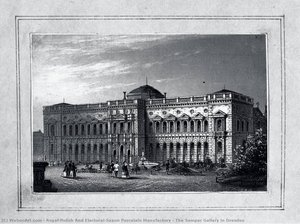
マイセン磁器製作所
1710 - , ドイツ
基本情報
- Artistic Movement Or Style: 硬質磁器
- Artists Or Movements Influenced By This Artist: ['セーヴル']
- Artists Who Influenced This Artist: ['エーレンフリート・ヴァルター・フォン・ツィルヒハウス']
- Date Of Birth: ドイツ、マイセン (1710年)
- Date Of Death: 存命
- Full Name: 王立ポーランド・選帝侯ザクセン磁器製造所
- Nationality: ドイツ
- Notable Artworks:
- コーヒーおよびティーサービス
- 寓意的な人物像
- 横たわる豹
- Place Of Birth: マイセン
関連記事

The Rococo Aesthetic: Opulence, Rebellion & the Pursuit of Pleasure in 18th-Century Art
Explore the opulent world of Rococo art! Discover its origins, key artists like Watteau & Boucher, and lasting influence on design. Expert insights for collectors & enthusiasts.

華麗なるロココ:芸術史を彩る10大傑作の世界
華麗なるロココ美術の世界へ。バロックから生まれた優雅な芸術、その10大傑作を徹底解説!ブーシェ、フロマンなど巨匠たちの技と物語を紐解き、お部屋を彩るアートを見つけよう。ArtsDot.comで至高の美術館品質レプリカとインテリアアイデアを発見。
Illuminating the Enlightenment: A Comprehensive Exploration of 18th-Century Painting
Explore the captivating world of 18th-century painting! Discover Rococo's playful elegance & Neoclassicism’s Enlightenment ideals with expert insights into Fragonard, David, and more. A comprehensive guide for art enthusiasts.
The Rococo Style: Aristocratic Leisure & the Pursuit of Delight in 18th-Century Art
Explore the opulent world of Rococo art! Discover Watteau, Boucher & Nattier's masterpieces. Expert insights for collectors seeking museum-quality reproductions and custom portraits at ArtsDot.
The Allure of Elegance in Art: A Historical & Aesthetic Exploration of Refinement & Grace
Explore the exquisite world of Rococo art! Discover its history, masters (Watteau, Boucher & more), and defining elegance. Expert insights for collectors seeking museum-quality reproductions & custom portraits.

