

 プレビュー
プレビュー
 プリントを購入
 シェアする
シェアする シェアする
シェアする
 詳細を見る
詳細を見る

 ダウンロード
 似ている作品
 X線調査
X線調査 スライドショー
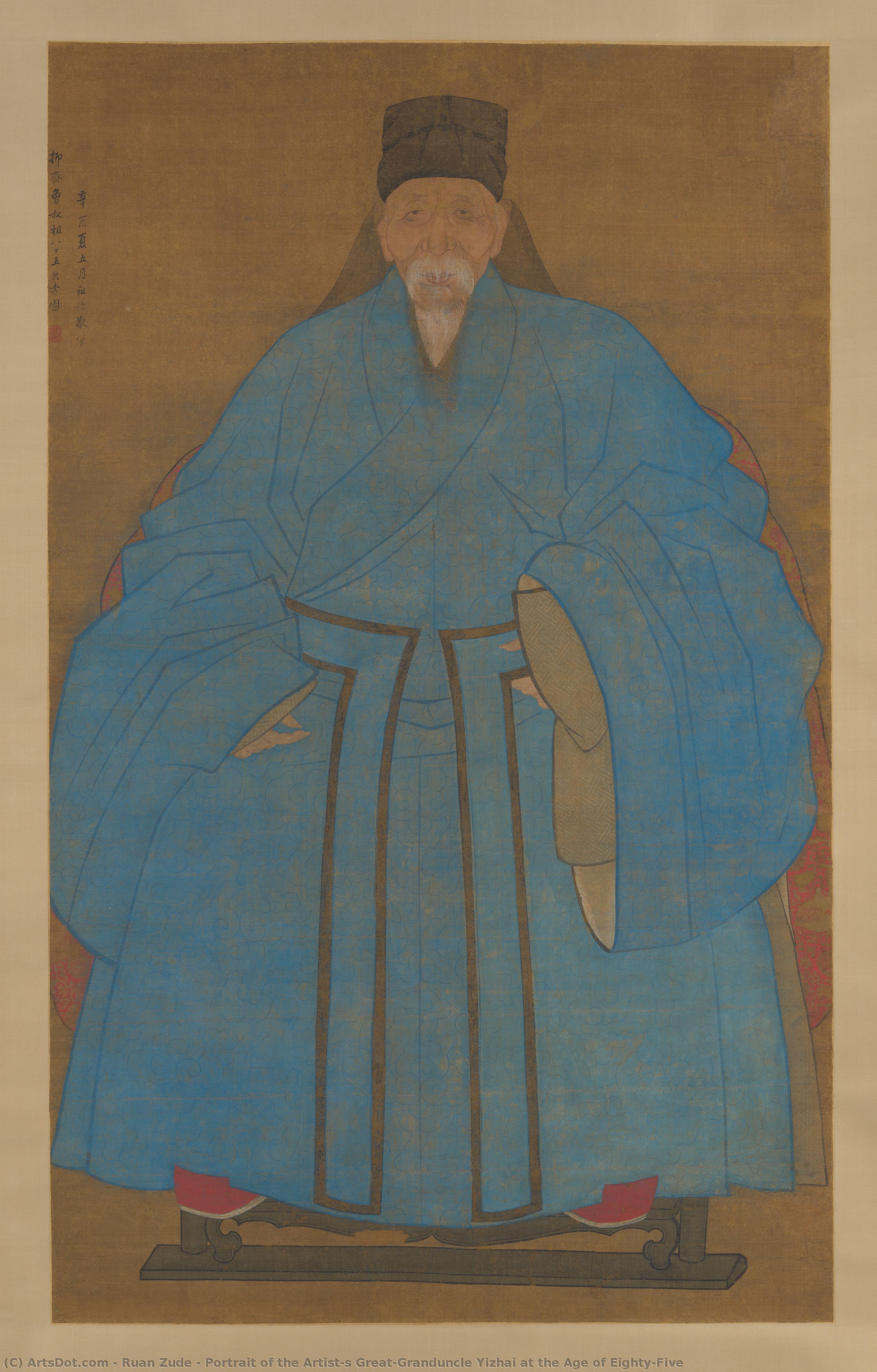
Portrait of the Artist's Great-Granduncle Yizhai at the Age of Eighty-Five
 1621
1621 157.0 x 96.0 cm
 詳細を見る
詳細を見る
オンラインプレビューをはるかに凌ぐ、高解像度で鮮明なデジタル画像をご購入いただけます。
各ファイルは、社内の専門家が高度なツールと熟練した手作業によるレタッチを用いて、細心の注意を払って準備されています。すべての画像において、卓越した鮮明度、正確な色彩再現性、そして繊細なディテールを保証いたします。
最終ファイルは、プロフェッショナルな編集・印刷環境ですぐにご利用いただけるよう最適化された状態で、72時間以内にメールにてお届けいたします。これは、一流のデザインスタジオ、出版社、ギャラリーから信頼されているものと同等の品質です。
デジタル画像のご注文に付随する特典
高品質なデジタル画像配信を、確かな品質で。
ArtsDot.com を選ぶことは、単に画像を手に入れることではありません。それは、プロの手によって精密に仕上げられ、満足保証が付いた高品質なデジタルアートワークを受け取ることを意味します。ご注文いただいた際に自動的に付随する内容は、以下の通りです:

メールですぐにお届け
ご注文から72時間以内に、高解像度のデジタル画像ファイルがメールでお手元に届きます。すぐにそのままご利用いただけます。

AI技術で最適化されたデジタルファイル
お客様の作品は、高度なAIツールと専門家による手作業の編集を組み合わせてプロフェッショナルに最適化されており、細部のディテール、鮮明さ、そして正確な色再現性を最大限に引き出しています。

一生涯無料の再送サービス
ファイルを誤って削除したり、紛失してしまったりしましたか?ご安心ください。いつでも無料で再送いたします。

輸入手数料は一切かかりません
関税や手数料、配送料を気にすることなく、お気に入りのアートワークをすぐにお楽しみいただけます。デジタルダウンロードは常に免税です。

色彩再現の保証
プロ仕様のツールとカラーマネジメント技術を用いることで、デジタル画像が元の色を最大限に忠実に再現することを保証いたします。

100日間満足保証
ご購入いただいたデジタル画像にご満足いただけない場合は、100日以内であれば、理由を問わず修正または100%の返金対応をさせていただきます。

100% 返金保証
ご満足いただけない場合は、デジタルファイルを受け取ってから100日以内であれば、理由を問わず全額返金いたします。

まとめ買い割引
3枚購入で10%OFF - 5枚購入で15%OFF - 10枚以上購入で20%OFF。クリエイティブなプロジェクト、ギャラリー、エージェンシーに最適です。
関連作品









作家の略歴
Max Ernst: A Pioneer of Surrealism and Dada
Max Ernst (born April 2, 1891, in Bruhl near Cologne, Germany – died April 1, 1976) stands as a pivotal figure in the 20th-century art world, inextricably linked to the revolutionary movements of Dada and Surrealism. His career spanned over six decades, marked by an astonishing versatility across painting, sculpture, graphic arts, and poetry. Initially influenced by Expressionist landscapes and the formal innovations of early modernists like Picasso and Van Gogh, Ernst ultimately forged his own unique artistic language—one characterized by dreamlike imagery, inventive techniques, and a profound exploration of the subconscious mind. His journey was shaped by significant personal experiences, including service in World War I, which profoundly impacted his worldview and artistic direction. Early life and formative influences were deeply rooted in his family’s traditions. Born into a middle-class Catholic family, Ernst's father, Philipp, a teacher and amateur painter, instilled in him both a love for art and a rebellious spirit—a tension that would become a recurring theme in Ernst’s work. His early artistic explorations began with sketches in the gardens of Bruhl castle, capturing nature with an observant eye. A pivotal moment arrived in 1912 when he encountered the Sonderbund exhibition in Cologne, where he was exposed to the radical ideas of Picasso and other Post-Impressionist masters. This encounter ignited a desire to break free from traditional artistic conventions and embrace experimentation. His enrollment at the University of Bonn, studying philosophy, art history, literature, psychology, and psychiatry, provided him with intellectual tools that would later inform his surrealist explorations. The war years were particularly formative, marked by disillusionment and a sense of displacement—experiences he channeled into intensely expressive works. The period between 1918 and the early 1920s witnessed Ernst’s crucial involvement in the Dada movement in Cologne. Alongside Johannes Theodor Baargeld, he co-founded Dada groups that challenged bourgeois values and embraced absurdity as a means of social critique. This period saw the creation of provocative collages—a technique he would master—often incorporating found objects and photomontage elements. His collaboration with Paul Klee, Hans Arp, and André Breton during this time further solidified his position within the burgeoning Surrealist movement. The influence of Giorgio de Chirico’s enigmatic paintings, particularly their use of perspective and unsettling juxtapositions, proved transformative, leading Ernst to develop a distinctive visual vocabulary centered on illogical spaces and haunting figures. His marriage to Luise Straus in 1921 brought him a partner who supported his artistic endeavors, while the birth of his son, Ulrich “Jimmy” Ernst, added another layer to his life and creative process.Techniques and Artistic Innovations
Ernst’s artistic practice was characterized by an extraordinary range of techniques, reflecting his restless experimentation and desire to push the boundaries of traditional art forms. Collage remained a central element throughout his career, evolving from the initial Dada collages into more complex and layered compositions incorporating painted elements, text, and found objects. He developed innovative printing methods, including frottage (rubbing), grattage (scraping), and decalcomania—techniques that created unpredictable textures and patterns, often resembling organic forms or dreamscapes. Ernst’s use of color was equally distinctive, employing bold contrasts and vibrant hues to evoke emotional intensity and create a sense of disorientation. His exploration of automatism – creating art without conscious control – became a key method for accessing the subconscious mind, as explored in his “frottage” works. He also experimented with sculpture, often incorporating found objects into three-dimensional forms that challenged conventional notions of beauty and representation.Surrealist Themes and Symbolism
Ernst’s work is deeply imbued with the themes and concerns of Surrealism—the exploration of dreams, the unconscious mind, and the irrationality of human experience. His paintings frequently depict fragmented figures, distorted landscapes, and unsettling juxtapositions that evoke a sense of anxiety, mystery, and erotic tension. Recurring motifs include skulls, eyes, serpents, and other symbols associated with death, transformation, and sexuality. His imagery often draws upon mythology, folklore, and personal memories, creating a rich tapestry of associations that invite multiple interpretations. Ernst’s exploration of the female form—often depicted as enigmatic and alluring—is particularly noteworthy, reflecting his fascination with the power of the feminine unconscious.Legacy and Influence
Max Ernst's impact on 20th-century art is undeniable. He served as a crucial bridge between Dada and Surrealism, shaping the development of both movements and inspiring generations of artists. His innovative techniques—frottage, grattage, and decalcomania—became widely adopted by other artists, while his exploration of automatism influenced abstract expressionists like Jackson Pollock. Ernst’s work continues to resonate with contemporary audiences, offering a powerful meditation on the complexities of human consciousness and the transformative potential of art. His legacy extends beyond the realm of painting, influencing fields such as graphic design, film, and photography. He remains a vital figure in the canon of modern art, celebrated for his originality, inventiveness, and profound artistic vision.
ruan zude
1976 - , China
プロフィール概要
- Artistic Movement Or Style: Dada, Surrealism
- Artists Or Movements Influenced By This Artist:
- Klee
- Eluard
- Artists Who Influenced This Artist:
- Picasso
- Van Gogh
- Gauguin
- Date Of Birth: 1891-02-04
- Date Of Death: 1976-04-01
- Full Name: Max Ernst
- Nationality: German
- Notable Artworks:
- Celebes
- Oedipus Rex
- Place Of Birth: Bruhl, Germany