

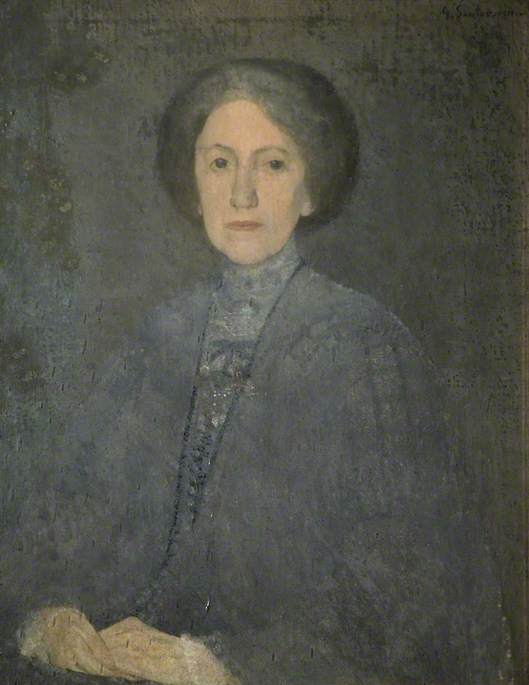
 プレビュー
プレビュー
 シェアする
シェアする シェアする
シェアする
 詳細を見る
詳細を見る

 ダウンロード
 似ている作品
 X線調査
X線調査 スライドショー
 統計情報
統計情報Lilian Sauter (b.1897)
 71.0 x 56.0 cm
 バーミンガム大学
 詳細を見る
詳細を見る
手描き油彩複製画
当社のアーティストが、お客様のご希望のサイズと額縁に合わせて、キャンバスに手描きで制作する油彩画です。 ( プリント版に切り替え デジタル画像販売へ切り替え)




































作品のオリジナル比率に合わせた、当店の規定サイズからお選びください。

特定のフレームやスペースに合わせて、ご希望のサイズをご入力いただけます。選択されたサイズが元の画像の比率と異なる場合、アートワークをトリミングするか、手描きで要素を追加して絵画を拡張いたします。デジタルモックアップ を制作し、制作開始前にご確認(承認)をいただきます。
画面上のプレビューは、実際のトリミングや拡張を正確に反映しているものではありません。最終的な構図は、モックアップによってのみ正確にご確認いただけます。
カスタムサイズもご利用いただけますが、元の比率を維持するためには、あらかじめ用意されたリストからサイズを選択することをお勧めいたします。
ご注文後、ArtsDot.com チームより詳細な指示をお送りするとともに、仕上がりイメージ(モックアップ)をご提供いたします。


 ガラスオプションは、110cm未満のサイズでのみご利用いただけます。

Lilian Sauter (b.1897)
複製技法
複製画のサイズ
-


合計金額
$ 263
関連作品








アーティストの略歴
Rudolf Helmut Sauter: Bridging Impressionism and Symbolism
Rudolf Helmut Sauter (1895-1977) stands as a fascinating figure in German art history, embodying the transition between Impressionistic explorations of light and color and the burgeoning Symbolist movement’s preoccupation with emotion and psychological depth. Born in Munich, he honed his artistic skills initially through apprenticeship under Ludwig von Löfftz at the Royal Academy of Fine Arts, absorbing influences from both classical tradition and the revolutionary aesthetic currents shaping Europe at the turn of the century. This formative period instilled a meticulous attention to detail and compositional balance – qualities that would characterize his distinctive oeuvre.- Early Influences: Sauter’s artistic journey began with a grounding in landscape painting, mirroring the Romantic spirit prevalent during his youth. However, he swiftly embraced Impressionistic techniques, particularly evident in his early landscapes depicting Bavarian scenery.
- London Years and Artistic Circle: Moving to London in 1889, Sauter joined a vibrant artistic community comprised of fellow painters like Hubert Herkomer, John Lavery, and George Frederick Watts. This exposure broadened his horizons and fostered collaborations that enriched his creative vision. Notably, he befriended Joseph Conrad and James Abbott McNeill Whistler, artists who championed aesthetic ideals prioritizing emotional resonance over mere visual representation – principles that would profoundly impact Sauter’s subsequent work.
The Symbolist Embrace: Exploring Inner Landscapes
Sauter's artistic trajectory decisively shifted towards Symbolism around 1905, coinciding with his encounter with Whistler and the burgeoning interest in psychological introspection within the art world. This stylistic embrace marked a departure from Impressionistic objectivity, prioritizing subjective experience and conveying moods rather than capturing literal appearances. His paintings became infused with evocative colors and textures designed to evoke emotional responses in the viewer—a hallmark of Symbolist aesthetics. The influence of Whistler’s compositional innovations is palpable in Sauter's canvases, particularly his monumental “The Bridal Morning,” which secured a prestigious second prize at the Carnegie Art Institute exhibition of 1908.- Notable Works: Sauter’s celebrated paintings include “Still Life” – a masterful demonstration of meticulous observation and tonal gradation—and portraits capturing the essence of prominent figures like Georg Sauter (his father), Konrad Adenauer, and Carl Duisberg.
- Technique and Style: Sauter's artistic technique involved painstaking layering of glazes and impasto, creating surfaces rich in texture and luminosity. He skillfully employed charcoal drawings to convey nuanced expressions and psychological states, reflecting Whistler’s commitment to capturing inner realities alongside external appearances.
Recognition and Legacy: A Bavarian Professor's Artistic Contribution
Sauter’s artistic achievements garnered considerable acclaim during his lifetime, culminating in honorary citizenship of Friedrich Schiller University, Jena—a testament to his enduring influence on the intellectual landscape of Weimar Classicism. He was awarded numerous medals from international exhibitions and recognized as a Royal Bavarian professor, cementing his position as a respected figure within the German art community. His dedication to artistic excellence extended beyond painting; he served as a founding member of the International Society of Sculptors, Painters and Gravers and held positions on advisory boards for prestigious institutions like the Vienna Secession and Société Royale des Beaux Arts in Brussels. Sauter’s legacy resides not only in his captivating artworks but also in his role as a champion of artistic innovation and intellectual discourse—a figure who bridged the gap between Impressionism and Symbolism, leaving an indelible mark on German art history.Further Exploration
For more information about Rudolf Helmut Sauter’s life and work, consult scholarly resources such as Ulrich Thieme's Allgemeines Lexikon der Bildenden Künstler von der Antike bis zur Gegenwart (Vol. 29) and Hans Vollmer at all’s Allgemeines Lexikon der Künstler. These publications offer comprehensive biographical details and critical analyses of Sauter’s artistic output.
rudolf helmut sauter
1895 - 1977
基本情報
- Artistic Movement Or Style: Early 20th Century
- Artists Or Movements Influenced By This Artist: ['Georg Sauter']
- Artists Who Influenced This Artist: ['James Whistler']
- Date Of Birth: 1895
- Date Of Death: 1977
- Full Name: Rudolf Helmut Sauter
- Nationality: German
- Notable Artworks:
- The Bridal Morning
- Leeds Picture
- Place Of Birth: Munich, Germany