

 プレビュー
プレビュー
 プリントを購入
 シェアする
シェアする シェアする
シェアする
 詳細を見る
詳細を見る

 ダウンロード
 似ている作品
 X線調査
X線調査 スライドショー
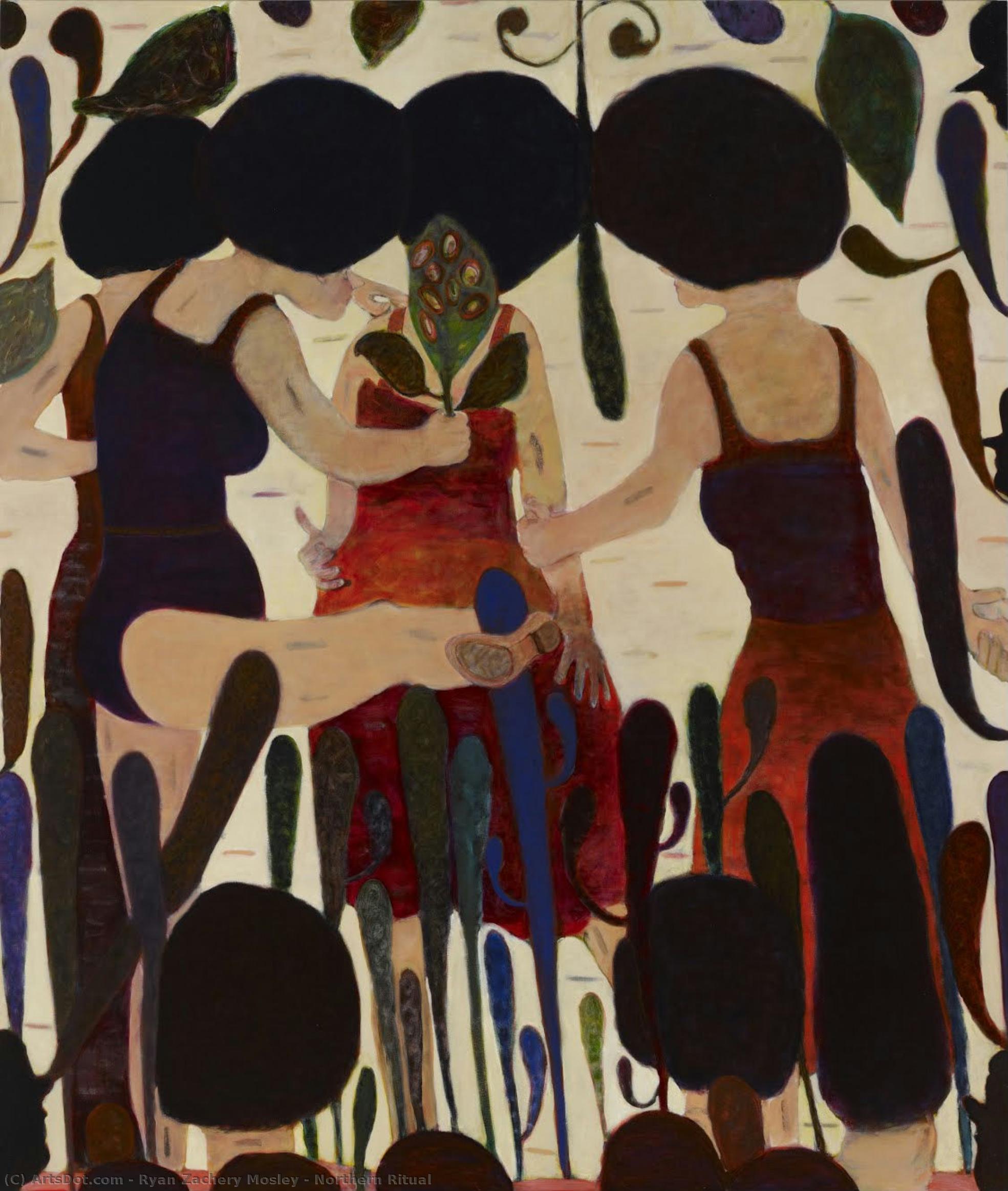
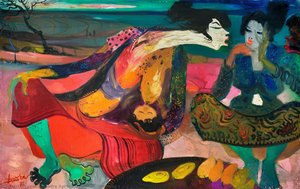
Northern Ritual
 Painting
- Contemporary Realism
 2011
2011- Contemporary
 230.0 x 195.0 cm
 Arts Council Collection
 詳細を見る
詳細を見る




P118B $10

P118H $10

P118W $10

P438Z $10

P508JH $12

P508YH $12

P805H $10

P805Z $10

P919BZ $10

P919G $10

P919XJ $10

P959ZH $10

P968JZ $12

W106C $8

W218G $10

W218JH $8

W218Y $10

W307PJ $10

W316G $10

W316PJ $8

W316Y $10

W398PJ $8

W4111J $10

W500HY $15

W500JH $15

W692G $12

W849H $8

W940BG $15

W953PJ $8




作品のオリジナル比率に合わせた、当店の規定サイズからお選びください。

特定のフレームやスペースに合わせて、ご希望のサイズをご入力いただけます。選択されたサイズが元の画像の比率と異なる場合、アートワークをトリミングするか、手描きで要素を追加して絵画を拡張いたします。デジタルモックアップ を制作し、制作開始前にご確認(承認)をいただきます。
画面上のプレビューは、実際のトリミングや拡張を正確に反映しているものではありません。最終的な構図は、モックアップによってのみ正確にご確認いただけます。
カスタムサイズもご利用いただけますが、元の比率を維持するためには、あらかじめ用意されたリストからサイズを選択することをお勧めいたします。
ご注文後、ArtsDot.com チームより詳細な指示をお送りするとともに、仕上がりイメージ(モックアップ)をご提供いたします。


 ガラスオプションは、110cm未満のサイズでのみご利用いただけます。

Northern Ritual
複製技法
複製画のサイズ
-


合計金額
$ 263
関連作品

アーティストの略歴
Jean-Michel Basquiat: A Voice of the Streets and a Revolutionary Artist
Born in Brooklyn, New York City, on December 22, 1960, Jean-Michel Basquiat emerged from the vibrant, chaotic crucible of the Lower East Side during the late 1970s and early 1980s. His life was tragically cut short at the age of 27 in August 1988 due to a heroin overdose, but his impact on the art world—and beyond—remains profound. Basquiat’s work wasn't simply about creating beautiful images; it was a raw, urgent expression of identity, social commentary, and the complexities of being Black in America during a period of immense change and struggle.
Initially collaborating with Al Diaz under the moniker SAMO (Street Art Message Operations), Basquiat and Diaz began tagging subway cars throughout Manhattan. Their cryptic epigrams—short, provocative phrases layered with symbolism—became a defining feature of the burgeoning street art scene. These early works, often executed in black spray paint, explored themes of race, class, and urban decay, laying the groundwork for Basquiat’s later, more developed style. The partnership dissolved after just a few years, leaving Basquiat to forge his own distinct artistic voice.
The Neo-Expressionist Breakthrough
By the early 1980s, Basquiat transitioned from street art to gallery exhibitions, marking a pivotal moment in his career and the broader art world. He aligned himself with the burgeoning neo-expressionism movement, a reaction against the perceived sterility of minimalism and conceptual art. Unlike the cool detachment of earlier movements, neo-expressionists embraced emotional intensity, subjective experience, and often incorporated elements of figuration alongside abstraction.
Basquiat’s paintings are instantly recognizable for their layered imagery, combining text, symbols, and fragmented figures. He drew heavily on his personal experiences—his Haitian heritage, growing up in a predominantly white environment, and the realities of poverty and racism—to create works that were both intensely personal and universally resonant. His subjects ranged from portraits of historical figures like Andy Warhol and Charlie Chaplin to depictions of skulls, crowns, and African motifs, all interwoven with snippets of poetry, lyrics, and historical references.
Themes of Identity and Social Critique
At the heart of Basquiat’s work lies a relentless interrogation of identity and power. He frequently explored themes of race, class, and cultural appropriation, challenging viewers to confront uncomfortable truths about American society. His use of crowns—a symbol of royalty and authority—was particularly significant, representing both his own aspirations for recognition and a critique of the established art world’s often exclusionary practices.
Works like *Irony of Negro Policeman* (1981) directly addressed issues of racial injustice and police brutality. Similarly, paintings referencing historical figures like Beethoven and Mozart served as commentary on the legacy of colonialism and cultural dominance. Basquiat's art wasn’t simply decorative; it was a powerful form of social critique, demanding engagement and prompting reflection.
Legacy and Historical Significance
Despite his tragically short life, Jean-Michel Basquiat achieved remarkable success during his lifetime. He became one of the youngest artists to exhibit at the Whitney Biennial in 1982 and was selected as a participant in Documenta 7 in Kassel, Germany, in 1982—an unprecedented honor for an emerging American artist. His work continues to command enormous prices at auction, reflecting its enduring value and cultural significance.
Basquiat’s influence extends far beyond the art world. He is considered a pioneer of street art, inspiring generations of artists to use public spaces as canvases for social commentary. His fearless exploration of identity, his willingness to confront difficult issues, and his innovative artistic style have cemented his place as one of the most important and influential artists of the 20th century—a voice that continues to resonate powerfully today.

ryan zachery mosley
1980 - , United Kingdom
基本情報
- Artistic Movement Or Style: Neo-expressionism
- Artists Or Movements Influenced By This Artist:
- Graffiti art
- Hip-hop culture
- Artists Who Influenced This Artist:
- Andy Warhol
- Keith Haring
- Date Of Birth: December 22, 1960
- Date Of Death: August 12, 1988
- Full Name: Jean-Michel Basquiat
- Nationality: American
- Notable Artworks:
- Irony of Negro Policeman
- Skull of Doom
- Untitled
- Boy and Dog in a Johnnypump
- Defacement
- Hollywood Africans
- Place Of Birth: New York City, U.S.
関連記事

White on Canvas: 10 Masterpieces & Timeless Elegance for Your Home Decor
Explore 10 iconic white paintings by Monet, Whistler & Rothko! Discover the stories behind these serene masterpieces and their impact on art history. Find museum-quality reproductions for your home decor at .

Monochrome Visions: Exploring the Aesthetic & Historical Significance of Black & White Photography
Explore the rich history & artistic power of black and white photography. From early techniques to iconic masters like Ansel Adams, discover why monochrome continues to captivate art lovers today. Expert insights for collectors.

Dark Masterpieces: 10 Iconic Paintings Dominated by Black Tones |
Explore 10 iconic paintings dominated by black tones, from Rembrandt’s chiaroscuro to Goya's dark expressions. Discover the stories behind these masterpieces & find museum-quality art reproductions for your home at .

Chromatic Absence: Exploring the Aesthetic Power of Black & White Art
Explore the captivating world of monochrome art! Discover its rich history, influential artists like Malevich & Klein, and profound emotional impact. Expert insights for collectors & design enthusiasts.

The Subtleties of White: Exploring Absence, Light & Symbolism in Art History
Explore the profound symbolism & history of white in art! From ancient purity to modern abstraction, discover how artists have used absence & light. Expert insights from ArtsDot.