

 プレビュー
プレビュー
 プリントを購入
 シェアする
シェアする シェアする
シェアする
 詳細を見る
詳細を見る

 ダウンロード
 似ている作品
 X線調査
X線調査 スライドショー
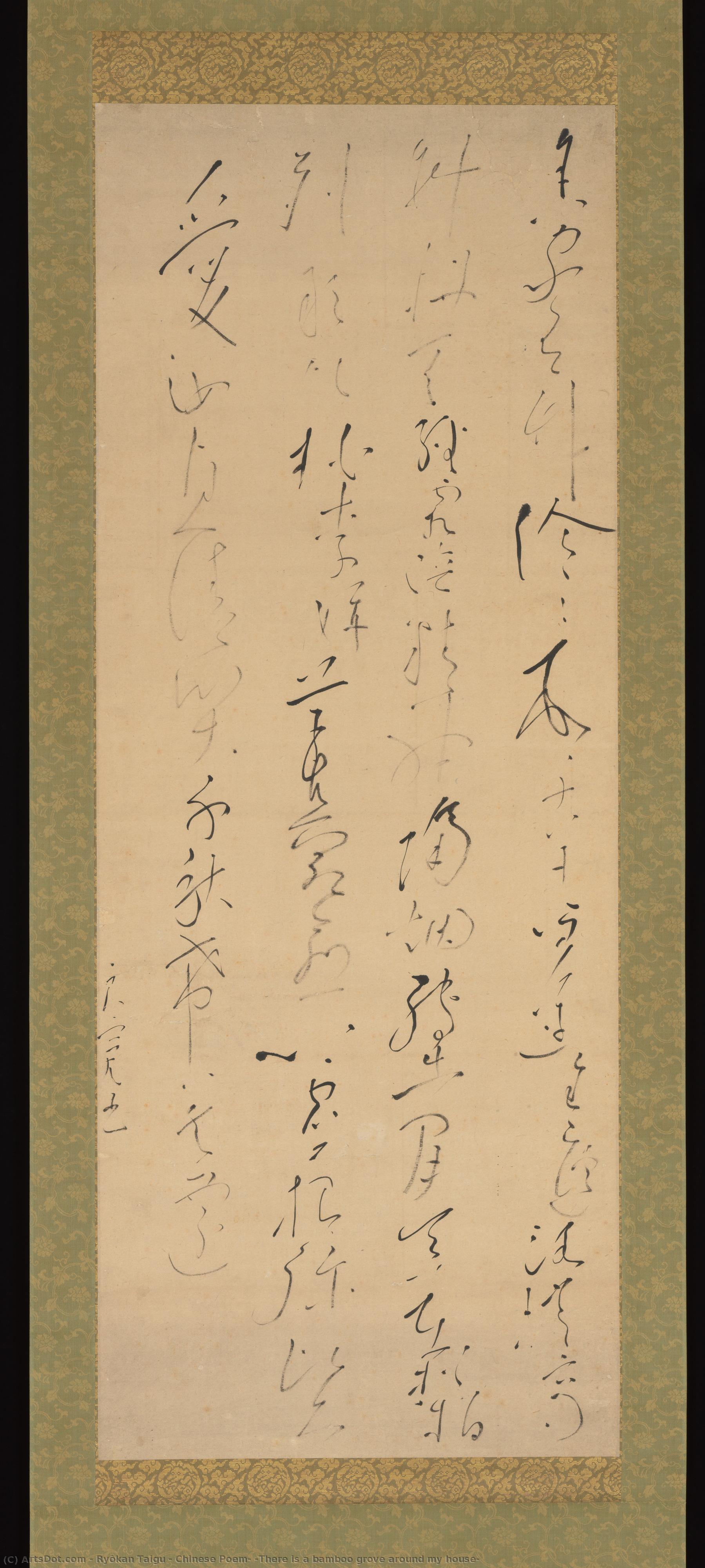
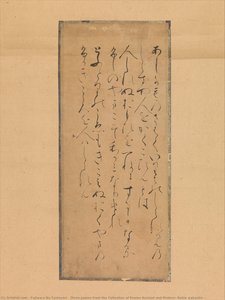
Chinese Poem: “There is a bamboo grove around my house”
 801
801 126.0cm x 48.0cm
 詳細を見る
詳細を見る




































作品のオリジナル比率に合わせた、当店の規定サイズからお選びください。

特定のフレームやスペースに合わせて、ご希望のサイズをご入力いただけます。選択されたサイズが元の画像の比率と異なる場合、アートワークをトリミングするか、手描きで要素を追加して絵画を拡張いたします。デジタルモックアップ を制作し、制作開始前にご確認(承認)をいただきます。
画面上のプレビューは、実際のトリミングや拡張を正確に反映しているものではありません。最終的な構図は、モックアップによってのみ正確にご確認いただけます。
カスタムサイズもご利用いただけますが、元の比率を維持するためには、あらかじめ用意されたリストからサイズを選択することをお勧めいたします。
ご注文後、ArtsDot.com チームより詳細な指示をお送りするとともに、仕上がりイメージ(モックアップ)をご提供いたします。


 ガラスオプションは、110cm未満のサイズでのみご利用いただけます。

Chinese Poem: “There is a bamboo grove around my house”
複製技法
複製画のサイズ
-


合計金額
$ 263
関連作品


アーティストの略歴
early life and background
ryōkan taigu, a japanese artist and sōtō zen buddhist monk, was born in 1758. he lived much of his life as a hermit, which greatly influenced his art and poetry. ryōkan is also known by the name ryokwan in english.artistic style and contributions
ryōkan's artistic style is characterized by its emphasis on meditation, intuition, and simplicity. his poetry and calligraphy present the essence of zen life, making him a notable figure in the the zen art movement. this unique approach to art has had a profound influence on various forms of art, including the bunjinga art movement and the suiboku ga art movement.notable works and influences
although ryōkan's works are not as widely available as some other artists, his influence can be seen in various paintings by ryōkan taigu listed on ArtsDot. some notable artists who have been influenced by ryōkan's style include ito jakuchu, known for his work the thirty-six immortal poets (1 of a pair) (denver art museum, paper), and kanō eitoku, known for his work portrait of kakinomoto no hitomaro (83 x 46 cm, paper).- influences: ryōkan's poetry and calligraphy have influenced various artists, including those in the bunjinga and suiboku ga art movements.
- artistic style: characterized by emphasis on meditation, intuition, and simplicity.
- notable works: although not widely available, ryōkan's works can be found on ArtsDot, influencing artists like ito jakuchu and kanō eitoku.
legacy and conclusion
ryōkan taigu's unique approach to art has had a lasting impact on the zen art movement. his emphasis on meditation, intuition, and simplicity continues to influence artists today. as a quiet and unconventional sōtō zen buddhist monk, ryōkan's legacy is a testament to the power of art in expressing the true nature of reality. view more works by ryōkan taigu on ArtsDot.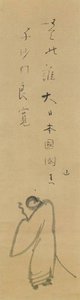
ryōkan taigu
1758 - 1831 , Japan
基本情報
- Artistic Movement Or Style: Portrait & Landscape
- Artists Or Movements Influenced By This Artist: ['Ramsay style']
- Artists Who Influenced This Artist: ['Allan Ramsay']
- Date Of Birth: September 9, 1758
- Date Of Death: April 10, 1840
- Full Name: Alexander Nasmyth
- Nationality: Scottish
- Notable Artworks:
- Robert Burns
- Inverary from the Sea
- Place Of Birth: Edinburgh, Scotland