

 プレビュー
プレビュー
 プリントを購入
 シェアする
シェアする シェアする
シェアする
 詳細を見る
詳細を見る

 ダウンロード
 似ている作品
 X線調査
X線調査 スライドショー
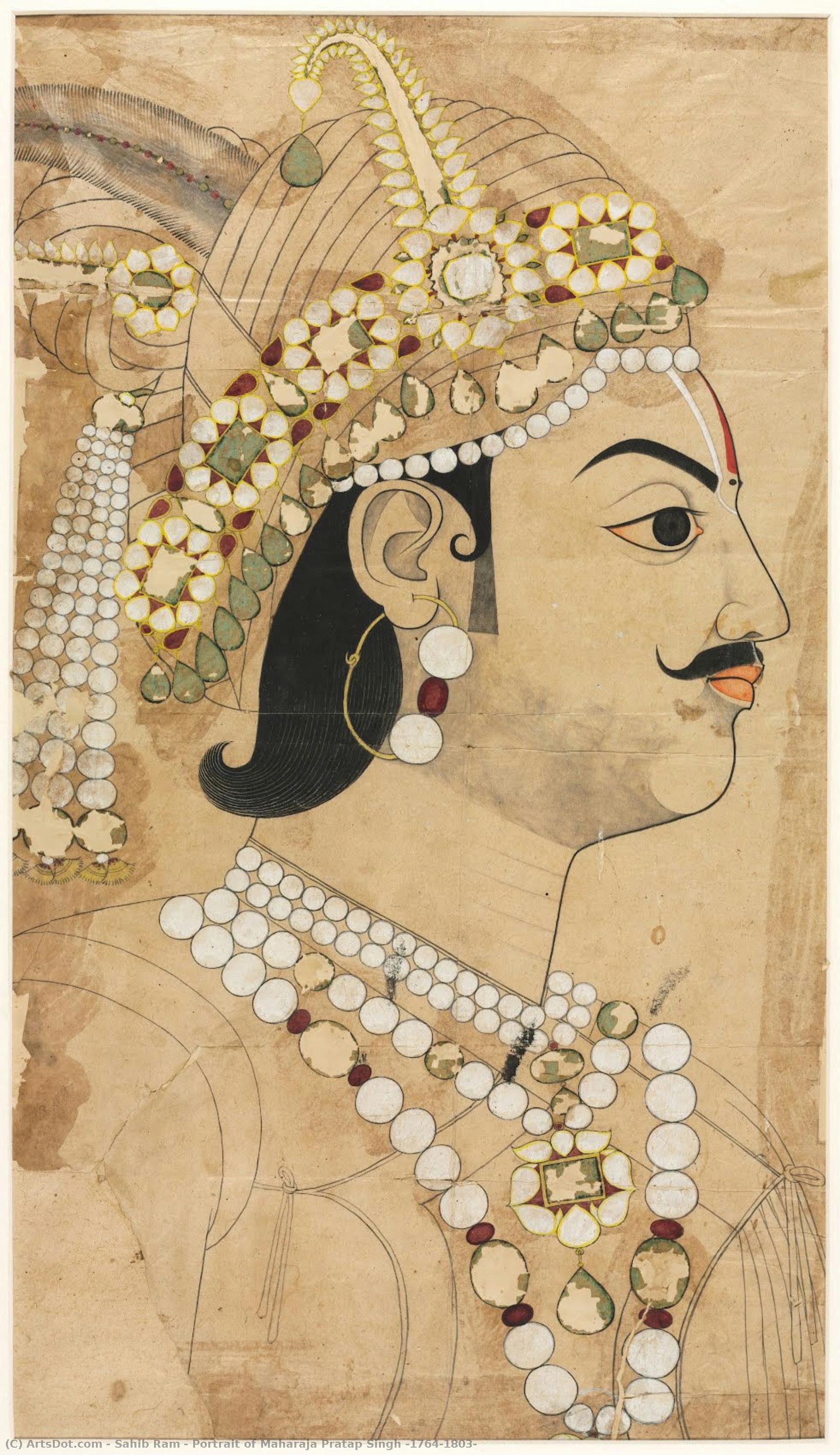
Portrait of Maharaja Pratap Singh (1764–1803)
 Painting
- Impressionistic Realism
 1793
1793 61.0 x 40.0 cm
 クリーブランド美術館
 詳細を見る
詳細を見る
オンラインプレビューをはるかに凌ぐ、高解像度で鮮明なデジタル画像をご購入いただけます。
各ファイルは、社内の専門家が高度なツールと熟練した手作業によるレタッチを用いて、細心の注意を払って準備されています。すべての画像において、卓越した鮮明度、正確な色彩再現性、そして繊細なディテールを保証いたします。
最終ファイルは、プロフェッショナルな編集・印刷環境ですぐにご利用いただけるよう最適化された状態で、72時間以内にメールにてお届けいたします。これは、一流のデザインスタジオ、出版社、ギャラリーから信頼されているものと同等の品質です。
デジタル画像のご注文に付随する特典
高品質なデジタル画像配信を、確かな品質で。
ArtsDot.com を選ぶことは、単に画像を手に入れることではありません。それは、プロの手によって精密に仕上げられ、満足保証が付いた高品質なデジタルアートワークを受け取ることを意味します。ご注文いただいた際に自動的に付随する内容は、以下の通りです:

メールですぐにお届け
ご注文から72時間以内に、高解像度のデジタル画像ファイルがメールでお手元に届きます。すぐにそのままご利用いただけます。

AI技術で最適化されたデジタルファイル
お客様の作品は、高度なAIツールと専門家による手作業の編集を組み合わせてプロフェッショナルに最適化されており、細部のディテール、鮮明さ、そして正確な色再現性を最大限に引き出しています。

一生涯無料の再送サービス
ファイルを誤って削除したり、紛失してしまったりしましたか?ご安心ください。いつでも無料で再送いたします。

輸入手数料は一切かかりません
関税や手数料、配送料を気にすることなく、お気に入りのアートワークをすぐにお楽しみいただけます。デジタルダウンロードは常に免税です。

色彩再現の保証
プロ仕様のツールとカラーマネジメント技術を用いることで、デジタル画像が元の色を最大限に忠実に再現することを保証いたします。

60日間満足保証
ご購入いただいたデジタル画像にご満足いただけない場合は、60日以内であれば、修正または100%の返金(理由を問う必要はありません)をさせていただきます。

100% 返金保証
ご満足いただけない場合は、デジタルファイルを受け取ってから60日以内であれば、理由を問わず全額返金いたします。

まとめ買い割引
3枚購入で10%OFF - 5枚購入で15%OFF - 10枚以上購入で20%OFF。クリエイティブなプロジェクト、ギャラリー、エージェンシーに最適です。
Portrait of Maharaja Pratap Singh (1764–1803): A Window into Jaipur’s Royal Atelier
This striking portrait captures the essence of Maharaja Pratap Singh, ruler of Jaipur between 1778 and 1803 – a young man poised at the cusp of leadership amidst a flourishing artistic environment. Painted circa 1793, it stands as a testament to Sahib Ram's mastery within Jaipur’s royal suratkhana, demonstrating a remarkable fusion of Mughal grandeur and indigenous Indian sensibilities. More than just an image of royalty, this artwork speaks volumes about faith, patronage, and the meticulous craftsmanship that defined Rajasthan’s golden age.Subject Matter and Composition
The portrait depicts Maharaja Pratap Singh in profile, presenting a dignified gaze directed towards the viewer. His attire—elaborate robes adorned with jewels—underscores his status as paramount ruler. Notably, a prominent forehead mark signifies devotion to Krishna, a central figure in Hindu mythology and deeply ingrained within Jaipur’s cultural heritage. The artist skillfully employs pyramidal composition, anchoring Singh's form against a subtly textured background that hints at the opulent palace walls. Two birds perched in the upper left and right corners add visual interest and perhaps symbolize auspiciousness or vigilance – elements frequently incorporated into royal iconography.Style and Technique: Mughal Influence Meets Jaipur Tradition
Sahib Ram’s distinctive style exemplifies the prevailing artistic trends of his time, blending influences from Mughal painting with established Jaipur traditions. The meticulous detailing—particularly in Singh's facial features and jewelry—reveals a dedication to realism achieved through layering techniques and subtle shading. Observe how the artist captures the texture of fabric and the brilliance of gemstones, demonstrating an understanding of optical illusion that was characteristic of Mughal ateliers. Yet, unlike purely Mughal portraits, this piece retains elements of Indian decorative art, evident in the stylized birds and the overall harmonious balance of colors.Historical Context: Jaipur’s Artistic Renaissance
The portrait emerges from a period of remarkable artistic innovation in Jaipur during the reigns of Maharaja Madho Singh I and his son, Pratap Singh. Recognizing the importance of visual representation for legitimizing power and projecting prestige, Pratap Singh actively fostered an atelier comprising approximately fifty painters – Sahib Ram among them—who produced artworks celebrating royal achievements and upholding Hindu values. This patronage fueled a vibrant cultural landscape, attracting artists from across India and establishing Jaipur as a beacon of artistic excellence. The painting reflects the broader ethos of the era: a commitment to beauty, craftsmanship, and conveying spiritual significance.Symbolism and Emotional Impact
Beyond its formal elements, the portrait conveys profound symbolism. Singh’s gaze embodies regal dignity and unwavering resolve—qualities essential for maintaining stability during turbulent times. The forehead mark symbolizes Krishna worship, reflecting Pratap Singh's piety and reinforcing his connection to Hindu cosmology. Sahib Ram’s masterful execution evokes a sense of reverence for artistic skill and invites contemplation on the legacy of Jaipur’s royal atelier. Ultimately, this portrait transcends mere likeness; it captures the spirit of a ruler who embodied both power and grace—a timeless image resonating with beauty and historical significance.Provenance and Legacy
The artwork's journey through history includes its acquisition by Doris Wiener Gallery in 1975, followed by sales to Paul F. Walter and Sotheby’s before finding its current home with Dr. Norman Zaworski. Its subsequent inclusion in exhibitions like “The Sensuous Line: Indian Drawings from the Paul F. Walter Collection” ensures that Sahib Ram's masterpiece continues to inspire appreciation for Rajput art and its enduring influence on Indian visual culture.関連作品
![Pierced Screen [jali] — Mughal Dynasty, Mughal Decorative Arts](/media/artworks/images-thumb/9b/8d/9b8d5dcd213b4ce13074c46df78390a9.jpg)
作家の略歴
The Master of the Jaipur Atelier
In the vibrant, sun-drenched history of Rajasthan, few names resonate with the quiet authority of Sahib Ram. Born in 1745 within the illustrious artistic lineage of Jaipur, India, Sahib Ram was more than a mere painter; he was a cornerstone of the royal suratkhana—the prestigious workshop that served as the beating heart of creative innovation under the reigns of Maharaja Madho Singh I and his successor, Maharaja Sawai Pratap Singh. His life was woven into the very fabric of the Jaipur court, a world where art, devotion, and political power converged in a brilliant display of cultural splendor.
The foundations of his mastery were laid in the intimate setting of his family’s workshop, where he received rigorous training from his father. This early immersion in the traditions of Indian miniature painting instilled in him a profound respect for meticulous observation and the disciplined execution of line. As he ascended to the position of head of the Jaipur workshop, Sahib Ram became a bridge between eras, blending the established Mughal aesthetic with indigenous Rajasthani sensibilities. His role was not merely that of a creator but of a leader, overseeing an atelier that flourished under royal patronage, where even the most delicate brushstrokes were intended to immortalize the grandeur of the princely state.
A Symphony of Color and Line
The true genius of Sahib Ram is most vividly realized in his command over opaque watercolor on paper. This medium allowed him to transcend the flat boundaries of traditional portraiture, imbuing his subjects with a remarkable sense of tonal depth and textural richness. His technique was characterized by a sophisticated use of finely controlled line brushwork, which could capture the shimmering intricacy of royal jewelry or the soft, almond-shaped gaze of a monarch with breathtaking precision. Unlike many of his contemporaries who relied on heavy ornamentation, Sahib Ram often utilized flattened planes of color paired with subtle gradations to create an atmosphere of profound serenity and grace.
His works frequently served as preparatory studies for even larger-scale masterpieces, such as palace murals. In these intimate drawings and paintings, one can observe a delicate balance between reality and symbolism. For instance, in his depictions of Maharaja Pratap Singh, the artist subtly integrates elements of Hindu devotion, such as the peacock feather sarpech or specific forehead markings, which link the ruler to the god Krishna. This ability to weave religious iconography into the very essence of royal portraiture demonstrates a profound understanding of how art functions as both a record of history and a vessel for spiritual identity.
Legacy of the Jaipur School
Though historical records regarding his personal life remain as delicate as his brushwork, Sahib Ram’s impact on the trajectory of Indian art is undeniable. He presided over an era where the Jaipur school reached new heights of sophistication, influencing generations of painters who followed in his footsteps. His ability to harmonize the structured elegance of Mughal influence with the emotive, vibrant spirit of Rajasthan helped define a unique visual language that continues to captivate scholars and collectors worldwide.
Today, the works attributed to Sahib Ram reside in some of the world's most esteemed institutions, including The Metropolitan Museum of Art and the Cleveland Museum of Art. These treasures serve as enduring testaments to a master who could capture the fleeting light of a royal court and freeze it in time through the medium of pigment and paper. His legacy remains a vital chapter in the story of Indian art, reminding us of a period when the artist's hand was essential in shaping the visual soul of a kingdom.
Sahib Ram
1745 - 1803 , India
プロフィール概要
- Artistic Movement Or Style: Opaque watercolor
- Artists Or Movements Influenced By This Artist: ['European Influences']
- Artists Who Influenced This Artist: ['Mughal Painting']
- Date Of Birth: Jaipur, India (1745)
- Date Of Death: 1803
- Full Name: Sahib Ram
- Nationality: Indian
- Notable Artworks:
- Singer and Sarinda Player
- Portrait of Maharaja Pratap Singh
- Place Of Birth: Jaipur, India

