
メニュー
プレビュープレビュー ARで試着ARで試着 プリントを購入 プリントを購入手描きの絵画を購入 手描きの絵画を購入 シェアするシェアする
詳細を見る詳細を見る お気に入りに追加 お気に入りに追加 ダウンロードダウンロード 似ている作品似ている作品 X線調査X線調査 スライドショースライドショー

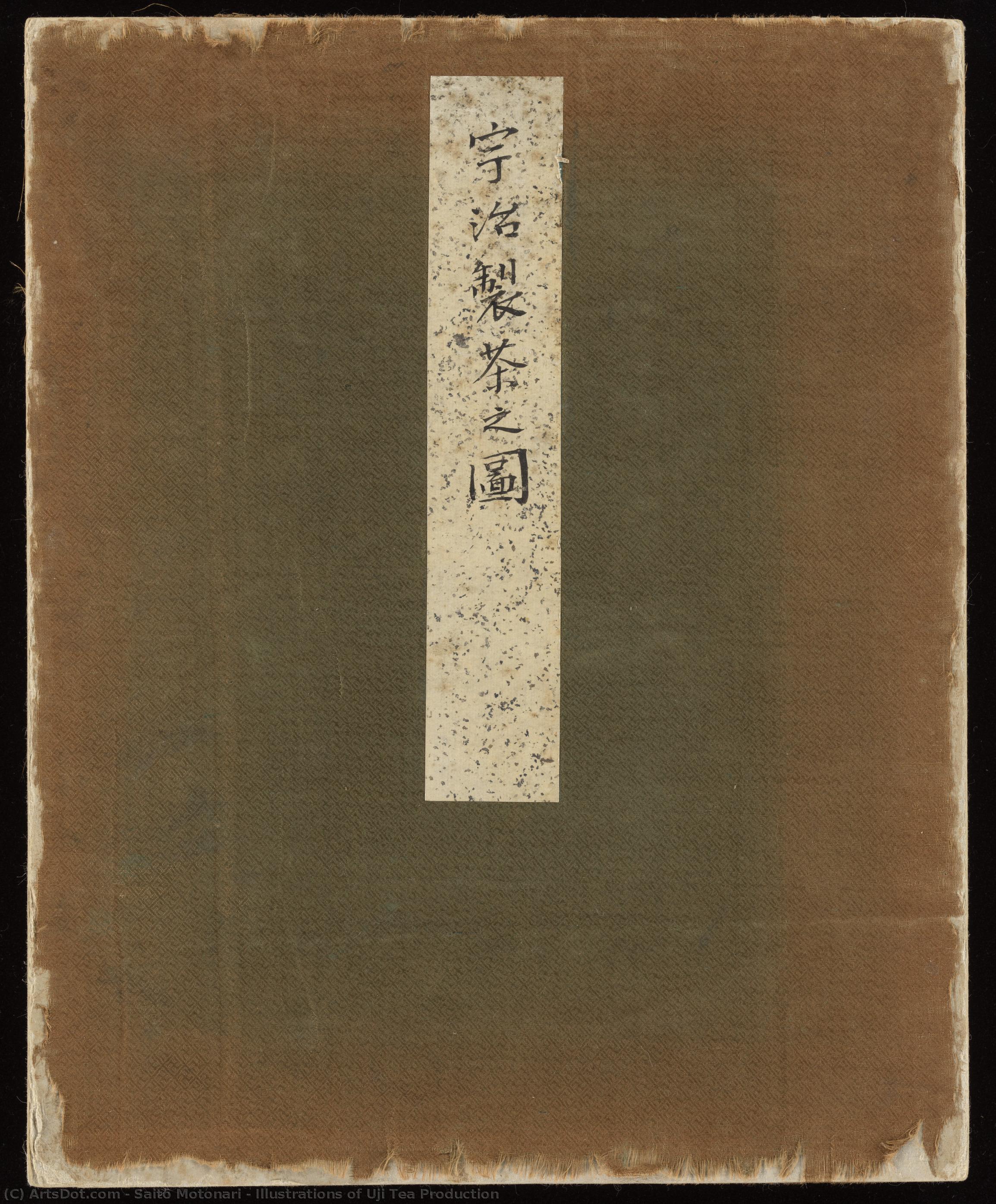
Illustrations of Uji Tea Production

  • 制作日1803
  • 寸法32.0 x 1648.0 cm

Discover Saito Motonari's stunning 19th-century Japanese paintings! Explore 'Uji Tea Production' & his unique artistic style. A master of traditional art.

オンラインプレビューをはるかに凌ぐ、高解像度で鮮明なデジタル画像をご購入いただけます。

各ファイルは、社内の専門家が高度なツールと熟練した手作業によるレタッチを用いて、細心の注意を払って準備されています。すべての画像において、卓越した鮮明度、正確な色彩再現性、そして繊細なディテールを保証いたします。

最終ファイルは、プロフェッショナルな編集・印刷環境ですぐにご利用いただけるよう最適化された状態で、72時間以内にメールにてお届けいたします。これは、一流のデザインスタジオ、出版社、ギャラリーから信頼されているものと同等の品質です。

デジタルアート

個人での鑑賞、印刷、クリエイティブなプロジェクト用に、高解像度ファイルをダウンロードできます。 (プリントを購入 プリントを購入手描きの絵画を購入 手描きの絵画を購入)

最終合計金額

$ 24.00

デジタル画像のご注文に付随する特典

高品質なデジタル画像配信を、確かな品質で。

ArtsDot.com を選ぶことは、単に画像を手に入れることではありません。それは、プロの手によって精密に仕上げられ、満足保証が付いた高品質なデジタルアートワークを受け取ることを意味します。ご注文いただいた際に自動的に付随する内容は、以下の通りです:

shipping_icon
メールですぐにお届け

ご注文から72時間以内に、高解像度のデジタル画像ファイルがメールでお手元に届きます。すぐにそのままご利用いただけます。

canvas_icon
AI技術で最適化されたデジタルファイル

お客様の作品は、高度なAIツールと専門家による手作業の編集を組み合わせてプロフェッショナルに最適化されており、細部のディテール、鮮明さ、そして正確な色再現性を最大限に引き出しています。

insurance_icon
一生涯無料の再送サービス

ファイルを誤って削除したり、紛失してしまったりしましたか?ご安心ください。いつでも無料で再送いたします。

tax_icon
輸入手数料は一切かかりません

関税や手数料、配送料を気にすることなく、お気に入りのアートワークをすぐにお楽しみいただけます。デジタルダウンロードは常に免税です。

color_icon
色彩再現の保証

プロ仕様のツールとカラーマネジメント技術を用いることで、デジタル画像が元の色を最大限に忠実に再現することを保証いたします。

return_icon
100日間満足保証

ご購入いただいたデジタル画像にご満足いただけない場合は、100日以内であれば、理由を問わず修正または100%の返金対応をさせていただきます。

guarantee_icon
100% 返金保証

ご満足いただけない場合は、デジタルファイルを受け取ってから100日以内であれば、理由を問わず全額返金いたします。

discount_icon
まとめ買い割引

3枚購入で10%OFF - 5枚購入で15%OFF - 10枚以上購入で20%OFF。クリエイティブなプロジェクト、ギャラリー、エージェンシーに最適です。

This folding album was originally created as handscroll, about a foot tall and over fifty feet long, capturing in remarkable detail every stage of production of deluxe green tea in Uji, near Kyoto. The imagery starts in the early spring and charts each stage of growing, harvesting, culling the best leaves, and drying of the tea leaves. The final scene shows a group of men enjoying bowls of tea. Even to this day, Uji is famous for its variety of teas used for both tea ceremony and everyday imbibing. As early as the thirteenth century, by which time the consumption of tea was becoming more common in Japan, tea growers discovered that the quality of the soil as well as the local climate in Uji made for ideal conditions for tea cultivation. The various types of tea enjoyed in Japan since medieval times, whether matcha¸ sencha, ūroncha (Oolong tea), bancha, hōjicha (roasted tea), genmaicha (brown rice tea), gyokuro (deluxe shade-grown green tea) are all made from the same Camellia Sinensus plant, though various subspecies have been cultivated over the years. The variations in taste, appearance, and texture depends on what time of year the leaves are harvested, whether they are fermented or not, and then how they are dried and processed.Nothing is known about the painter, identified in the Preface as Saitō Motonari 斎藤玄就 (pronunciation unsure) except that he lived in Uji. A single-page preface to the scroll in literary Chinese was boldly brushed by the monk Nindō Sōen 忍道宗延of Daitokuji Temple in Murasakino, Kyoto. Sōen was the fourteenth head abbot of Hōshun’in, 芳春院 a subtemple in the northern precincts of Daitokuji, and a noted practitioner of wabicha tea ceremony. He notes that he is a friend of Saitō Motonari, the painter of this handscroll. Sōen notes that the special quality of tea produced in Uji is due to the way the tea bushes are shaded while growing.An almost identical scroll, except that it lacks captions, was exhibited at the Urasenke Chadō Shiryō-kan in Kyoto in 2021. That scroll, which features the title “Illustrations of Uji Tea Picking and Tea Production” (Uji tekicha oyobi teisaku no zu) was painted by Matsushita Sakae and is dated Meiji 29 (1896),and must have been copied from this earlier version. See http://5106.jp/japanese-tea/6671/ The album can be described as follows:1. Cover with the hand-brushed title slip “Illustrations of Uji Tea Production” (Uji sei-cha no zu 宇治製茶之図) 2. A single-page preface to the scroll brushed by the monk Sōen 宗延 from Daitokuji Temple in Murasakino, Kyoto. He notes that he is a friend of the artist Saitō Motonari 斎藤玄就 (pronunciation unsure) who painted this handscroll of scenes of tea production. The opening two characters are read Uji 菟道, though today 宇治is the standard way to write the place name. Sōen notes that the special quality of tea produced in Uji is due to the way the tea bushes are shaded while growing. The preface is dated to the kigai cyclical year of the Kyōwa era (1803). 3. The opening illustration features a large, roofed gateway to the tea plantation. 4. Preparations are already underway in the first lunar month with workers weaving the reed matting that will be used to carry out the “shaded cultivation” (oishita saibai) distinctive to Uji tea since the late sixteenth century.5. Bamboo baskets of various sizes are woven6. From the beginning of the second month, the large blankets used for collecting, spreading, and cooling the tea leaves are repaired.7. Bamboo used to support the reed canopies is carried in from huts in the fields around the time cherry trees bloom.8. Bamboo scaffolding to support the reed canopies (yoshizu) is erected over the young tea bushes in the third month. According to the caption here, the first picking of young tea takes place eighty-eight nights after the end of winter and this early crop produces the highest quality tea.9. Reed canopies are being installed to slow the photosynthesis process and thereby reduce the bitterness of the tea.10. Paper markers are tied to tea bushes to indicate which should be harvested first. 11. During the rainy season, groups of women tea pickers wear raincoats made from reeds (mino). 12. Men transport the tea leaves in large baskets hoisted upon their shoulders. 13. Agricultural supervisors (nobugyō) of the Shogunate check harvest records, while women are harvesting tea during a short period of time in the early summer. Some of the women carry their children on their backs. 14. Women pause in picking tea to watch a group of samurai officials pass by. 15. A procession of a samurai family. 16. Harvested tea leaves are brought to the tea processing building in large baskets.17. Tea leaves are brought indoors where, under the supervision of the owner, they are weighed and transferred to “cooling baskets” (suzushi kago).18. Leaves are spread on large tables where women remove stems and other impurities. 19. Leaves undergo a steaming process. 20. A clerk sitting beside a Japanese clock co../..

作家の略歴

The Artistic Genesis of Saitō Motonari

In the culturally rich landscapes of Aizu Bangi, the foundations of a significant artistic journey were laid during the early 19th century. This was an era defined by profound tradition and meticulous craftsmanship, a period where Saitō Motonari emerged as a painter capable of capturing the very soul of Japanese life. His early years were characterized by a rigorous immersion into the classical techniques of Japanese painting, a discipline that required not only steady hands but an eye for the subtle nuances of nature and human industry. It is believed that through dedicated study within traditional workshops, Motonari mastered the delicate balance of line and color that would later define his most celebrated contributions to the art world.

A Visual Chronicle of Uji Tea Production

The pinnacle of Motonari’s creative output is perhaps best embodied in his 1803 masterpiece, Illustrations of Uji Tea Production. This work serves as more than a mere painting; it is a vibrant historical document that breathes life into the storied tea-growing traditions of the Uji region. Through the use of bold colors and an extraordinary level of intricate detail, Motonari guides the viewer through the rhythmic, seasonal labor involved in cultivating Japan's most prestigious leaves. Each stroke of his brush captures the essence of the process, from the careful tending of the tea bushes to the final preparation, creating a narrative that is both educational and deeply aesthetic. The painting reflects a profound respect for the natural world and the human hand that shapes it, embodying the spirit of the era's traditional art forms.

Legacy and Historical Resonance

While the specific stylistic labels of his era can be complex, Motonari’s work stands as a testament to the enduring power of Japanese tradition. He operated in an era populated by other notable figures, such as Kinpūsha Toyomaro, whose works shared a similar dedication to capturing contemporary life through a stylized lens. Today, the traces of Motonari's brilliance can be found in prestigious collections, where his depictions of Uji tea production continue to inspire awe and scholarly interest. His ability to weave historical significance with artistic beauty ensures that his name remains etched in the annals of Japanese art history, standing alongside legends like Utagawa Hiroshige and Tsukioka Yoshitoshi as a master of visual storytelling.
プロフィール概要

  • Artistic Movement Or Style: World Goes Pop
  • Artists Or Movements Influenced By This Artist: ['Influences various contemporary artists']
  • Artists Who Influenced This Artist: ['Influenced by diverse artists within the World Goes Pop movement']
  • Date Of Death: Living
  • Notable Artworks: ['Various works featured in The World Goes Pop exhibition']
  • Place Of Birth: WahooArt









