

 プレビュー
プレビュー
 プリントを購入
 シェアする
シェアする シェアする
シェアする
 詳細を見る
詳細を見る

 ダウンロード
 似ている作品
 X線調査
X線調査 スライドショー
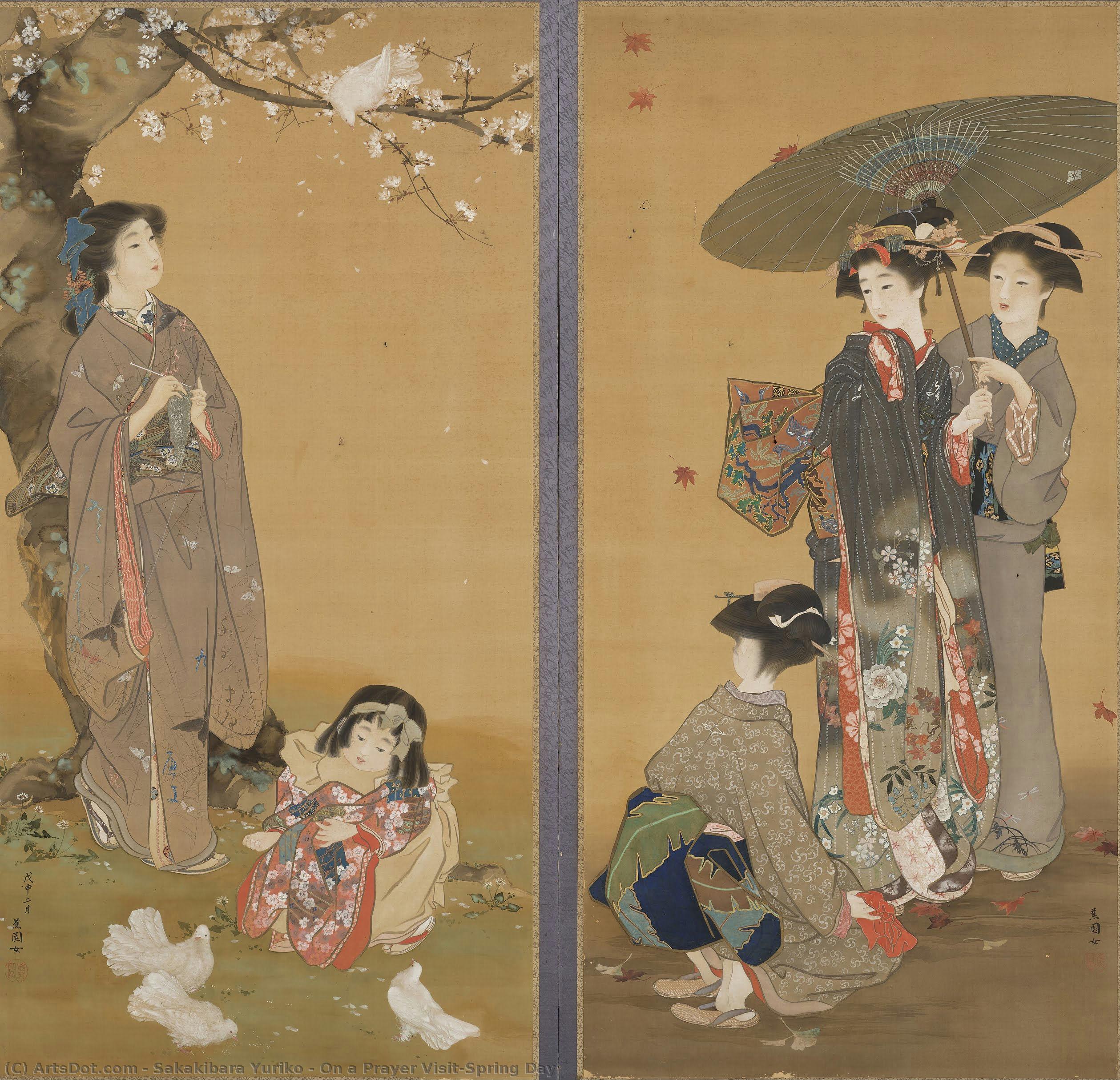
On a Prayer Visit/Spring Day

 詳細を見る
詳細を見る




































作品のオリジナル比率に合わせた、当店の規定サイズからお選びください。

特定のフレームやスペースに合わせて、ご希望のサイズをご入力いただけます。選択されたサイズが元の画像の比率と異なる場合、アートワークをトリミングするか、手描きで要素を追加して絵画を拡張いたします。デジタルモックアップ を制作し、制作開始前にご確認(承認)をいただきます。
画面上のプレビューは、実際のトリミングや拡張を正確に反映しているものではありません。最終的な構図は、モックアップによってのみ正確にご確認いただけます。
カスタムサイズもご利用いただけますが、元の比率を維持するためには、あらかじめ用意されたリストからサイズを選択することをお勧めいたします。
ご注文後、ArtsDot.com チームより詳細な指示をお送りするとともに、仕上がりイメージ(モックアップ)をご提供いたします。


 ガラスオプションは、110cm未満のサイズでのみご利用いただけます。

On a Prayer Visit/Spring Day
複製技法
複製画のサイズ
-


合計金額
$ 263
関連作品




アーティストの略歴
A Visionary of the Meiji and Taisho Eras
Sakakibara Yuriko, known to history by her evocative pseudonym Ikeda Shōen, remains one of the most compelling figures in the evolution of Japanese modern art. Born in Tokyo in 1886, her life unfolded during a period of profound transformation in Japan, as the Meiji and Taisho eras introduced a complex dialogue between ancient tradition and burgeoning Western influence. Her lineage provided a unique foundation for this duality; she was the daughter of a samurai from the Kishiwada clan, yet her upbringing was steeped in an intellectual atmosphere that embraced global perspectives. This heritage allowed her to navigate the delicate balance between the disciplined aesthetics of Nihonga and the expressive possibilities of modern printmaking, making her a pioneer among women artists who sought to claim their space in a male-dominated artistic community.
Her artistic journey was not merely one of technical mastery but also one of profound personal resilience. Beginning her formal training at the age of fifteen under the esteemed master Mizuno Toshikata, she entered a world where the synthesis of Eastern and Western techniques was being actively forged. It was within this studio that she met Terukata Ikeda, a fellow painter with whom she would share both a romantic engagement and a professional orbit. However, her path was marked by significant hardship when personal betrayal led to a three-year hiatus from her creative practice. It was during this period of introspection that she underwent a symbolic rebirth, adopting the name Shōen in deep admiration for the contemporary master Uemura Shōen. This act of renaming served as a testament to her dedication to the craft and her desire to align herself with the lineage of great female painters who preceded her.
The Artistry of Color and Light
When Yuriko returned to her brushes, she brought with her a revitalized sense of purpose that manifested in a style characterized by boldness and vibrancy. Moving away from the more muted, restrained palettes of traditional Japanese painting, she embraced colors that pulsed with life. Her work often utilized the delicate medium of color on silk, a technique that allowed for a luminous quality capable of capturing subtle shifts in light and atmosphere. In pieces such as her celebrated Satsuki, one can observe a masterful command over composition, where the organic beauty of nature meets a sophisticated understanding of perspective. She skillfully integrated elements of Ukiyo-e aesthetics—dramatic lighting and fluid lines—to create imagery that felt both timelessly Japanese and strikingly modern.
Her subject matter often reflected the shifting social landscape of her time. Through her prints and paintings, she subtly captured the evolving concept of femininity in early 20th-century Japan. Her characters frequently appeared in contemporary attire, such as the hakama skirts worn by students, reflecting the real-world changes brought about by new educational mandates for women. This ability to weave social reality into her artistic vision gave her work a profound psychological depth. She did not merely paint beautiful scenes; she documented a moment of cultural transition, where the boundaries of gender roles and social restrictions were beginning to soften, allowing for a new, more liberated identity to emerge on the canvas.
Legacy and Recognition
The brilliance of Ikeda Shōen was recognized by her peers through numerous prestigious accolades, marking her as an artist of significant national importance. Her achievements include:
- The Kensei Prize, awarded in 1906 at the Bijutsu Kenseikai exhibition, which signaled her arrival as a formidable talent.
- Silver Medal at the Meiji Industrial Exhibition in Tokyo, earned at the young age of twenty-one.
- Third Prize at the II National Bunten Exhibition, one of the most significant art competitions of the era, further cementing her reputation within the highest circles of the Japanese art world.
Though her life was tragically short, ending in 1917, the impact of her work continues to resonate. She stands as a bridge between eras, an artist who took the traditional foundations of Nihonga and infused them with a modern, emotive energy. By navigating the complexities of her personal struggles and the societal shifts of her nation, she created a body of work that remains a vital testament to the power of artistic perseverance and the enduring beauty of the Japanese aesthetic.

sakakibara yuriko
1886 - 1917 , Japan
基本情報
- Artistic Movement Or Style: Nihonga & Ukiyo-e
- Artists Or Movements Influenced By This Artist: ['Uemura Shoen']
- Artists Who Influenced This Artist: ['Mizuno Toshikata']
- Date Of Birth: Tokyo, Japan (1886)
- Date Of Death: Lyon Collection (1917)
- Full Name: Sakakibara Yuriko / Ikeda Shoen
- Nationality: Japanese
- Notable Artworks: ['Yubae']
- Place Of Birth: Tokyo