 プレビュー
プレビュー
 シェアする
シェアする シェアする
シェアする
 詳細を見る
詳細を見る

 ダウンロード
 似ている作品
 X線調査
X線調査 スライドショー
 統計情報
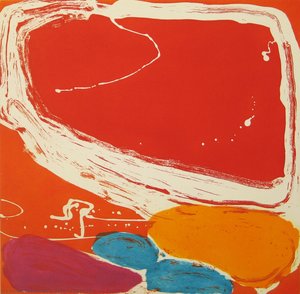
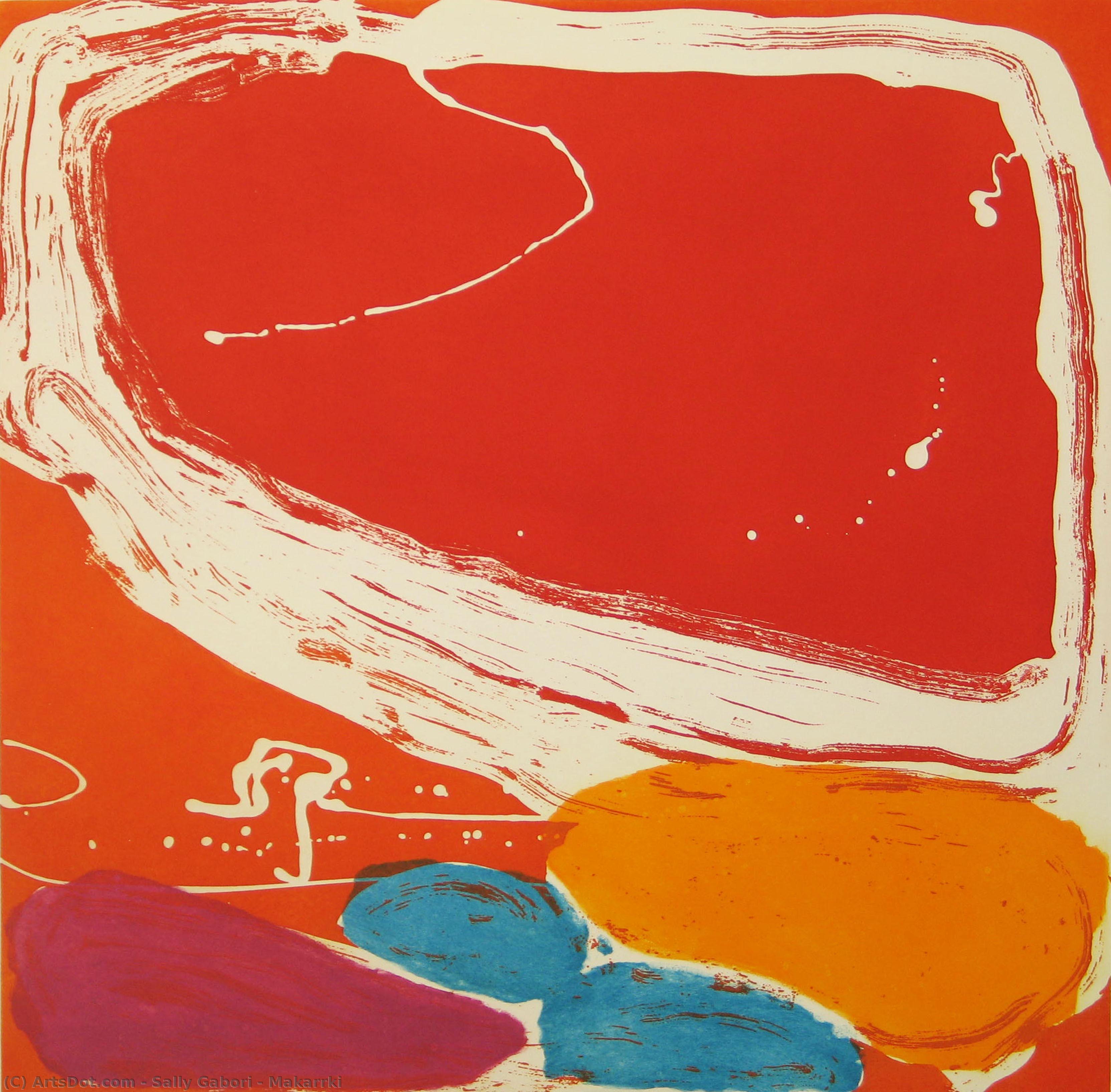
統計情報Makarrki
 Native Art
 2009
2009 49.0 x 50.0 cm
Sally Gabori is a celebrated Australian Aboriginal artist known for her vibrant depictions of Bentinck Island landscapes and Dreamtime stories, notably through works like 'Mirdidingki Billabong' and her pioneering role in contemporary Indigenous art—discover the captivating world she paints.
 詳細を見る
詳細を見る
ジークレー/アートプリント
迅速な制作と多彩な仕上げオプションを備えた、ミュージアムクオリティのジークレーまたはキャンバスプリント。 ( 手描きの絵画を購入 デジタル画像販売へ切り替え)




































標準サイズ
オーダーメイド
CM
INCH
作品のオリジナル比率に合わせた、当店の規定サイズからお選びください。
Loading sizes...

幅
高さ
特定のフレームやスペースに合わせて、ご自身でサイズを指定することも可能です。選択されたサイズが元の画像の比率と一致しない場合、作品をトリミングするか、鏡面反射または単色での塗りつぶしによって画像を拡張いたします。制作を開始する前に、ご確認用のデジタルモックアップをお送りいたします。
画面上のプレビューには、実際のトリミングや拡張は反映されませんのでご注意ください。最終的な構図を正確に確認できるのは、モックアップのみとなります。
カスタムサイズも承っておりますが、元の比率を維持するためには、あらかじめ用意されたリストからサイズを選択することをお勧めいたします。


 ガラスオプションは、110cm未満のサイズでのみご利用いただけます。

Makarrki
ジークレー/アートプリント
複製画のサイズ
-


合計金額
$ 62
関連作品

アーティストの略歴
A Life Painted onto Canvas: The Story of Sally Gabori
Sally Gabori, born on Bentinck Island in the Gulf of Carpentaria, Queensland, Australia, sometime around 1924 (the exact year remains unrecorded), is a significant figure in contemporary Australian art. Her story isn’t one traditionally documented through formal education or early artistic training; rather, it emerged from a deep connection to her ancestral lands and a late-life embrace of painting as a means of preserving and sharing the cultural knowledge of her people, the Kaiadilt. For much of her life, Gabori lived a traditional Indigenous lifestyle, moving seasonally across Bentinck Island with her family, practicing customary ceremonies, foraging for food, and maintaining a profound spiritual relationship with the environment. The island itself – *Ngarrindjeri*, as it is known in Kaiadilt language – became the central subject of her art.From Tradition to Canvas: A Late Blooming Artistic Voice
Gabori’s artistic journey began unexpectedly in 2008, after decades of displacement and cultural disruption following forced relocation from Bentinck Island by missionaries in 1946. The Kaiadilt people were settled on Mornington Island, a significant shift that severed their direct connection to *Ngarrindjeri*. It was during her time at Mornington Island Art Centre that Gabori began painting, initially as a way to connect with the land she had lost and to visually record the stories of her ancestors. She worked with a limited palette of commercially available acrylic paints, transforming them into vibrant depictions of the island’s landscapes, seascapes, tidal patterns, and significant cultural sites. Her approach was remarkably intuitive; she didn't paint *of* the land so much as *with* it, channeling its energy and spirit onto the canvas. She famously eschewed traditional Indigenous painting techniques like cross-hatching or dotting, instead favouring broad brushstrokes and bold colour fields that evoke the raw power and beauty of her homeland.The Language of Colour and Form: Decoding Gabori’s Visual World
Gabori's paintings are not literal representations but rather abstract interpretations of Kaiadilt cosmology, land management practices, and ancestral narratives. The swirling patterns of colour often represent the tides that shape *Ngarrindjeri*, the movement of fish and other marine life, and the cyclical nature of seasons. Her use of bright yellows, reds, blues, and greens isn’t arbitrary; these colours hold specific meanings within Kaiadilt culture, representing different elements of the landscape and spiritual beliefs. The large areas of unpainted canvas are equally important, symbolizing the vastness of the sea and sky, and the spaces where ancestral spirits reside. Her work is a powerful example of how abstract art can be deeply rooted in cultural knowledge and personal experience. She often painted collaboratively with other Kaiadilt women, creating a shared visual language that reinforced their collective identity and strengthened their connection to their heritage.Recognition and Legacy: A Rising Star on the Australian Art Scene
Sally Gabori’s work quickly gained recognition within Australia and internationally. Her first solo exhibition was held in 2012, and her paintings have since been exhibited in major galleries and museums across the country, including the National Gallery of Victoria and the Museum of Contemporary Art in Sydney. She has become one of the most celebrated Indigenous artists of her generation, challenging conventional notions of artistic training and demonstrating the enduring power of cultural knowledge passed down through generations. Her achievements extend beyond critical acclaim; she played a vital role in revitalizing Kaiadilt language and culture, inspiring younger generations to reconnect with their heritage.Historical Significance: Reclaiming Narratives and Redefining Abstraction
Sally Gabori’s art is historically significant for several reasons. It represents a powerful act of cultural reclamation, allowing the Kaiadilt people to reassert their identity and share their stories on their own terms after decades of displacement and marginalization. Her work also challenges Western art historical paradigms by demonstrating that abstraction isn't necessarily devoid of meaning; in Gabori’s case, it is deeply embedded in a complex system of cultural knowledge and spiritual beliefs.- Her paintings offer a unique perspective on the relationship between land, culture, and identity.
- She has paved the way for other Indigenous artists to explore abstract forms as a means of expressing their cultural heritage.
- Gabori’s success story highlights the importance of recognizing and celebrating the artistic contributions of Indigenous women.