

 プレビュー
プレビュー
 プリントを購入
 シェアする
シェアする シェアする
シェアする
 詳細を見る
詳細を見る

 ダウンロード
 似ている作品
 X線調査
X線調査 スライドショー
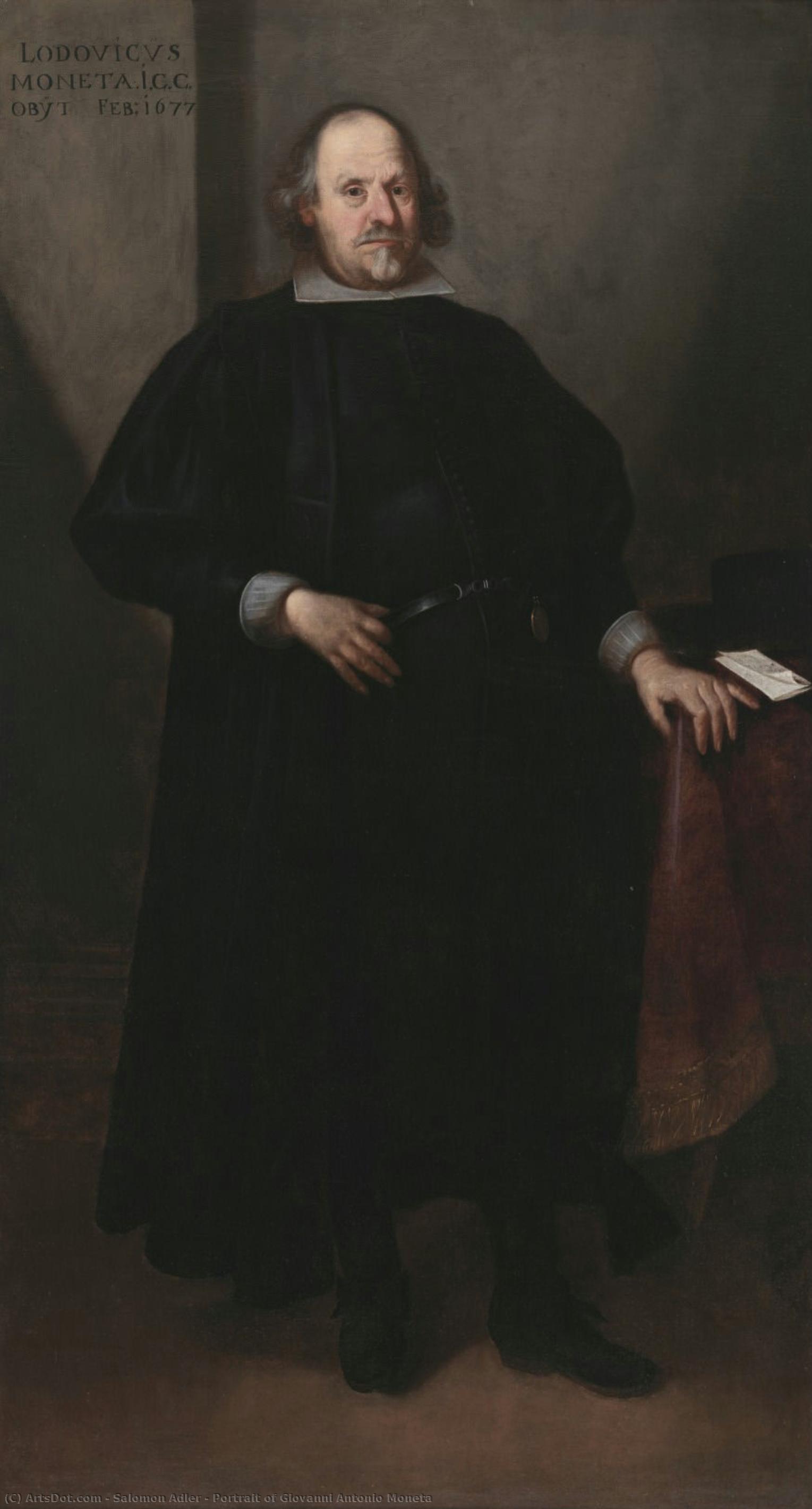
Portrait of Giovanni Antonio Moneta
 1677
1677 212.0 x 116.0 cm
 Ca’ Granda – Ospedale Maggiore Policlinico
 詳細を見る
詳細を見る




































作品のオリジナル比率に合わせた、当店の規定サイズからお選びください。

特定のフレームやスペースに合わせて、ご希望のサイズをご入力いただけます。選択されたサイズが元の画像の比率と異なる場合、アートワークをトリミングするか、手描きで要素を追加して絵画を拡張いたします。デジタルモックアップ を制作し、制作開始前にご確認(承認)をいただきます。
画面上のプレビューは、実際のトリミングや拡張を正確に反映しているものではありません。最終的な構図は、モックアップによってのみ正確にご確認いただけます。
カスタムサイズもご利用いただけますが、元の比率を維持するためには、あらかじめ用意されたリストからサイズを選択することをお勧めいたします。
ご注文後、ArtsDot.com チームより詳細な指示をお送りするとともに、仕上がりイメージ(モックアップ)をご提供いたします。


 ガラスオプションは、110cm未満のサイズでのみご利用いただけます。

Portrait of Giovanni Antonio Moneta
複製技法
複製画のサイズ
-


合計金額
$ 263
関連作品








アーティストの略歴
The Master of Light and Shadow: The Life of Salomon Adler
In the grand, dramatic tapestry of the Baroque era, few painters captured the quiet dignity of the human soul with as much evocative precision as Salomon Adler. A figure whose life bridged the cultural landscapes of Northern Europe and the sun-drenched studios of Italy, Adler emerged from the industrious cloth-making families of Gdańsk to become a celebrated master of portraiture. His journey, which began in the Baltic reaches of Poland before finding its ultimate expression in the vibrant artistic hubs of Milan and Bergamo, is a testament to the fluid, borderless nature of 17-century artistry. To look upon an Adler portrait is to witness a profound dialogue between the somber, introspective traditions of the Dutch masters and the luminous, theatrical elegance of the Italian Baroque.
Adler’s early years in Gdańsk provided him with a unique aesthetic foundation, one steeped in the rich textures of his family's trade and the intellectual rigor of the Lutheran faith. It was within this Northern environment that he likely encountered the profound influence of Rembrandt—a connection suggested by his masterful command of chiaroscuro and his penchant for capturing deep, psychological complexity through light. His formative education may have been shaped by the likes of Andreas Ruthardt or Daniel Schultz, figures who helped cultivate his ability to render the tactile reality of fabric and the subtle nuances of facial expression. This Northern heritage remained a cornerstone of his identity, even as he ventured south toward the Mediterranean.
A Synthesis of North and South
The migration of Adler to Italy around 1653 marked a transformative period in his artistic evolution. As he settled into the Italian peninsula, his style began to absorb the sophisticated rhythms of Venetian portraiture. The influence of painters such as Nicolò Renieri and Tiberio Tinelli breathed a new, luminous vitality into his work, blending the dramatic shadows of his Dutch-inspired roots with the more fluid, atmospheric qualities of the Italian tradition. This synthesis resulted in a highly distinctive manner of painting; Adler became renowned for his ability to drape his subjects in exotic, orientalist attire, using the intricate patterns and rich textures of such clothing to create a sense of worldly prestige and mystery.
During his prolific years in Milan and Bergamo, particularly between 1679 and 1691, Adler established himself as a premier portraitist for the era's influential elite. His technique—often described through the lens of the tenebrosi style—relied on a masterful manipulation of light to pull figures from the darkness, lending them an almost sculptural presence. This period of his life was not merely one of personal achievement but also one of profound pedagogical impact. Adler served as a mentor to the talented Fra’ Galgario, ensuring that his meticulous approach to detail and dramatic lighting would resonate through subsequent generations of Italian artists.
Legacy and Enduring Presence
The historical significance of Salomon Adler lies in his role as a cultural conduit, weaving together the disparate threads of European Baroque art. His ability to harmonize the introspective, heavy-handed shadows of the North with the decorative brilliance of the South created a repertoire of works that felt both timeless and contemporary to his era. His portraits of notable figures, such as Giovanni Antonio Moneta and Orazio Rancati, serve as enduring windows into the social fabric of 17th-century Milanese life, showcasing a level of meticulous detail that borders on the miraculous.
Today, the traces of Adler’s genius are preserved in some of Europe's most prestigious collections:
- The Brera Gallery in Milan, which houses his evocative self-portrait, a piece that stands as a profound testament to his own artistic identity.
- The Museum of Fine Arts in Budapest, where his works continue to captivate audiences with their dramatic intensity.
- The Germanisches Nationalmuseum in Nuremberg, which preserves the remnants of his storied career through significant portraiture.
Ultimately, Salomon Adler remains a master of the human narrative. Through his brush, the transient flicker of light and the heavy weight of shadow conspired to immortalize the faces of his time, leaving behind a legacy of beauty, complexity, and unparalleled craftsmanship.
Salomon Adler
1709 , Poland
基本情報
- Artistic Movement Or Style: Baroque
- Artists Or Movements Influenced By This Artist:
- Nicolas Régnier
- Tiberio Tinelli
- Artists Who Influenced This Artist:
- Rembrandt van Rijn
- Hyacinthe Rigaud
- Date Of Death: 1709
- Full Name: Salomon Adler
- Nationality: German
- Notable Artworks:
- Portrait of Giovanni Antonio Moneta
- Portrait of Orazio Rancati
- Place Of Birth: Gdansk, Poland

