 プレビュー
プレビュー
 プリントを購入
 シェアする
シェアする シェアする
シェアする
 詳細を見る
詳細を見る

 ダウンロード
 似ている作品
 X線調査
X線調査 スライドショー
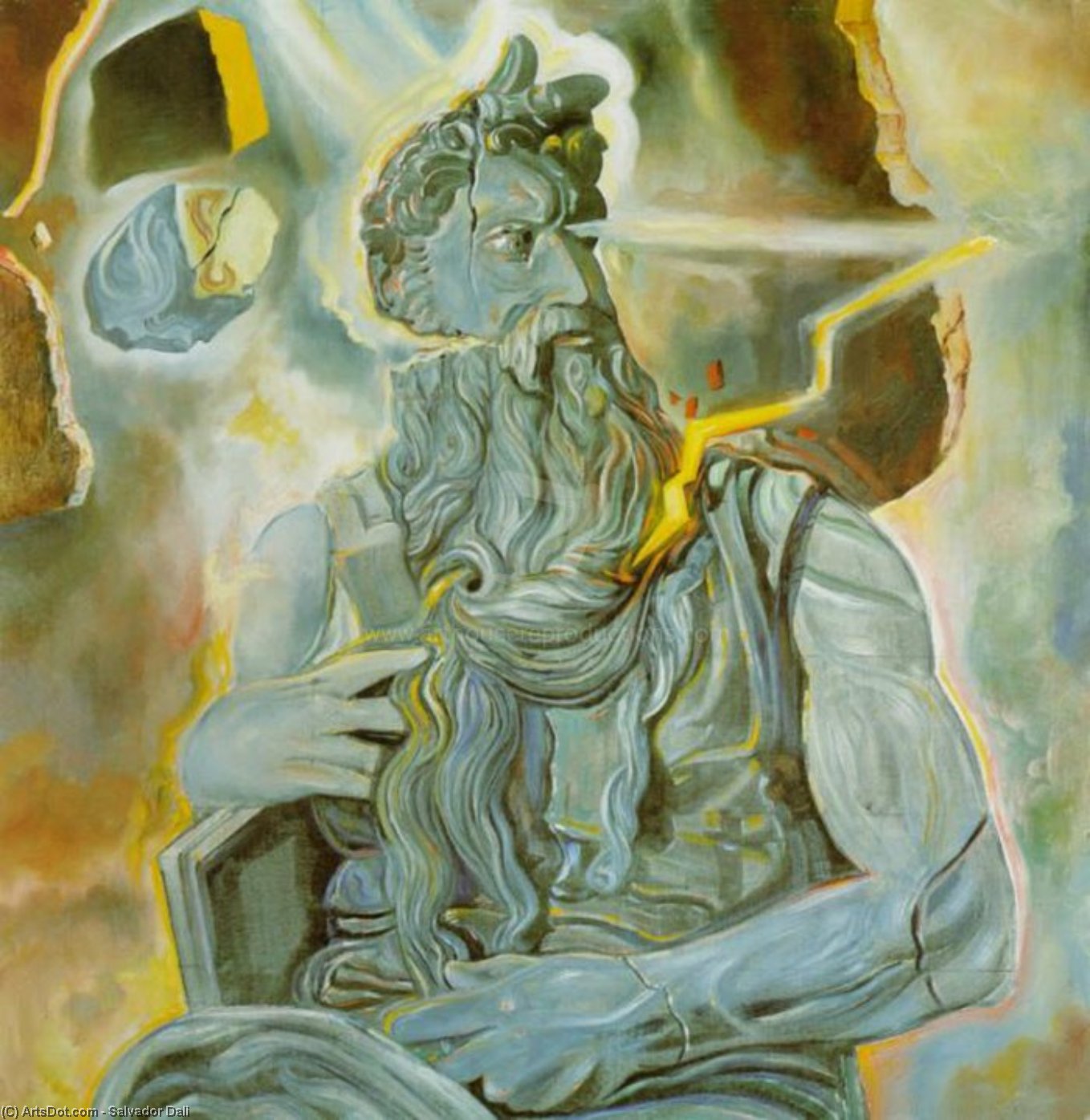
After Michelangelo's 'Moses', on the Tomb of Julius II in Rome, 1982


 詳細を見る
詳細を見る




P118B $10

P118H $10

P118W $10

P438Z $10

P508JH $12

P508YH $12

P805H $10

P805Z $10

P919BZ $10

P919G $10

P919XJ $10

P959ZH $10

P968JZ $12

W106C $8

W218G $10

W218JH $8

W218Y $10

W307PJ $10

W316G $10

W316PJ $8

W316Y $10

W398PJ $8

W4111J $10

W500HY $15

W500JH $15

W692G $12

W849H $8

W940BG $15

W953PJ $8




作品のオリジナル比率に合わせた、当店の規定サイズからお選びください。

特定のフレームやスペースに合わせて、ご希望のサイズをご入力いただけます。選択されたサイズが元の画像の比率と異なる場合、アートワークをトリミングするか、手描きで要素を追加して絵画を拡張いたします。デジタルモックアップ を制作し、制作開始前にご確認(承認)をいただきます。
画面上のプレビューは、実際のトリミングや拡張を正確に反映しているものではありません。最終的な構図は、モックアップによってのみ正確にご確認いただけます。
カスタムサイズもご利用いただけますが、元の比率を維持するためには、あらかじめ用意されたリストからサイズを選択することをお勧めいたします。
ご注文後、ArtsDot.com チームより詳細な指示をお送りするとともに、仕上がりイメージ(モックアップ)をご提供いたします。


 ガラスオプションは、110cm未満のサイズでのみご利用いただけます。

After Michelangelo's 'Moses', on the Tomb of Julius II in Rome, 1982
複製技法
複製画のサイズ
-


合計金額
$ 263
A Surreal Reimagining: Dalí’s ‘After Michelangelo's 'Moses''
Salvador Dalí’s 1982 painting, *After Michelangelo's 'Moses', on the Tomb of Julius II in Rome*, is a fascinating dialogue between artistic giants – a bold statement by one master responding to another across centuries. This oil painting isn’t merely a copy; it’s a deeply personal and surreal interpretation of Michelangelo’s iconic sculpture, revealing Dalí’s unique preoccupations and stylistic flourishes.Deconstructing the Classical Form
The artwork depicts a seated figure, undeniably referencing Michelangelo's powerful *Moses* from the tomb of Julius II. However, Dalí doesn’t simply replicate the form. The figure is rendered with elongated features and a softened musculature, imbued with a dreamlike quality characteristic of Surrealism. He sits upon a chair, draped in what appears to be Roman-inspired garb, yet the setting feels decidedly unclassical – a space both intimate and unsettling. The overall impression isn’t one of heroic strength, but rather contemplative weariness.Symbolism & The Language of Dreams
Dalí layers his composition with symbolic elements that invite multiple interpretations. Two clocks, hallmarks of Dalí's work and often associated with the fluidity of time, appear in the background – one near the upper left corner and another towards the bottom right. These aren’t merely timekeeping devices; they represent the subjective experience of temporality, its distortion within the subconscious. An apple, positioned prominently, traditionally symbolizes knowledge, temptation, or even mortality. Its presence adds a layer of intellectual complexity to the scene. The book held by the figure suggests wisdom and learning, but also perhaps the weight of history and accumulated knowledge.Historical Context & Artistic Dialogue
This painting is part of a series where Dalí engaged with masterpieces from art history. His fascination wasn’t about imitation, but rather *deconstruction* and reinterpretation. By choosing Michelangelo's *Moses*, a symbol of religious authority and artistic power, Dalí positions himself within that lineage while simultaneously challenging its conventions. The 1980s saw a renewed interest in appropriation and pastiche within art, and Dalí’s work fits squarely into this trend, albeit with his signature surrealist twist.Technique & Style
Executed in oil on canvas, the painting showcases Dalí's meticulous technique. While rooted in realism – evident in the anatomical rendering of the figure – it is infused with a dreamlike quality through distorted perspectives and fluid lines. The brushwork appears layered, creating texture and depth that draw the viewer into the scene. This blending of precise detail and fantastical imagery is central to Dalí’s artistic vision.Emotional Resonance & Interior Impact
*After Michelangelo's 'Moses'* evokes a sense of melancholy and introspection. The figure appears lost in thought, burdened by knowledge or perhaps grappling with the passage of time. The painting isn’t overtly dramatic; its power lies in its subtle emotional undercurrent. As an interior piece, it would lend itself to spaces designed for contemplation – libraries, studies, or living rooms where a touch of intellectual curiosity and artistic sophistication is desired. Its muted palette and complex symbolism make it a conversation starter, adding depth and intrigue to any collection.- A surrealist interpretation of Michelangelo’s *Moses* by Salvador Dalí.
- Features symbolic elements like clocks and an apple, inviting deeper meaning.
- Demonstrates Dalí's mastery of oil painting technique and his unique blend of realism and fantasy.
- A thought-provoking piece suitable for collectors and those seeking impactful art for their homes.
関連作品

アーティストの略歴
サルバドール・ダリ:夢と現実の狭間を歩む芸術家
1904年5月11日、スペインのフィゲラスで生まれたサルバドール・Domingo Felipe Jacinto Dalí i Domènechは、単なる画家ではなく、パフォーマンスであり、自己創造の化身でした。幼少期から兄を亡くした喪失感、厳格な父と愛情深い母との複雑な関係が、彼の芸術に二重性や代替といったテーマを深く刻み込みました。サン・フェルナンド美術アカデミーでの正式な訓練を経て、印象派やルネサンスの巨匠との出会いが、伝統からの脱却と独自の道を切り開くための情熱を燃え上がらせました。
パリでの転換点:シュルレアリスムへの覚醒
1926年のパリへの旅は、ダリにとって芸術的な変革の瞬間となりました。彼はダダイズムの反逆精神に惹かれ、やがてシュルレアリスムを深く理解し、アンドレ・ブルトン、パブロ・ピカソ、ホアン・ミロといったキーパーソンたちと交流しました。しかし、ダリは単なるスタイルを受け入れるだけでなく、シュルレアリスム運動そのものを革命的に変革しました。「偏執的批判法」と呼ばれる独自の技法を開発し、自らを妄想状態に陥らせることで潜在意識の隠されたイメージを引き出し、夢や不安といった内面世界を驚くべき鮮明さで表現しました。記憶の固執は、その代表的な作品であり、時間の流動性、記憶の儚さ、そして避けられない衰退というシュルレアリスム探求の本質を凝縮した傑作です。
キャンバスを超えて:多才な芸術家としての活動
ダリの創造性は絵画に留まらず、彫刻、映画(アルフレッド・ヒッチコックとのSpellboundやウォルト・ディズニーとの共同制作など)、グラフィックアート、宝飾デザイン、舞台美術へと広がりました。彼は伝統的な芸術媒体にとらわれず、商業アートにも積極的に取り組み、広告やウィンドウディスプレイのデザインを手がけました。アリの象徴する腐敗、卵が表す胎生と希望、松葉杖が示す支持と脆弱性、引き出しが暗示する隠された秘密といったモチーフは、彼の作品に繰り返し登場します。これらのシンボルは単なる装飾ではなく、自身の不安、欲望、記憶に深く根ざした個人的なものであり、ジュリエットの墓における喪失への探求や、マネキン(バルセロナ・マネキン)における人工性とアイデンティティへの考察、そして風景とハエにおける死の描写など、彼の作品は幅広いテーマを扱っています。長年の鍛錬によって培われた緻密な技術により、彼はこれらの幻想的なビジョンを写真のようなリアリズムで描き出し、その不気味さをさらに増幅させています。
風変わりな個性と遺産:時代を超えた影響力
ダリは生涯を通じて、彼の芸術と同様に風変わりでエキセントリックな人物像を演じ続けました。自己宣伝の才能を持ち、大衆の注目を集めるためのスペクタクルを理解していました。1934年のガラの結婚は、個人的なだけでなく芸術的にも重要な転換点となり、彼女は彼のミューズ、ビジネスマネージャー、そして揺るぎない支持者となりました。晩年は商業的な活動が増え、フランコ政権への賛同といった物議を醸す行動もありましたが、彼の芸術的遺産は計り知れません。1989年1月23日にその生涯を閉じましたが、彼の作品は今なお観る者を魅了し、挑戦し、そして刺激を与え続けています。フロリダ州セントピーターズバーグのサルバドール・ダリ美術館は、彼の不朽の名声を称えるものであり、世界中の人々が彼の芸術の世界に浸ることができる広大なコレクションを収蔵しています。ダリは芸術の境界を超越し、ファッション、映画、広告、そして大衆文化に影響を与えた文化的アイコンとなりました。彼は20世紀で最も認知度が高く、影響力のある芸術家の一人として、夢と現実の狭間を探求し、その神秘をキャンバスに描き出した真のビジョナリーです。

サルバドール・ダリ
1904 - 1989 , スペイン
基本情報
- フルネーム: サルバドール・ダリ
- 主な作品:
- 記憶の永存
- ジュリエットの墓
- マネキン
- 風景にハエ
- ガラの天使
- 出生地: スペイン、フィゲラス
- 国籍: スペイン
- 影響を与えたアーティスト:
- ポップアート
- 現代アーティスト
- 影響を受けたアーティスト:
- パブロ・ピカソ
- ジョアン・ミロ
- 死亡年月日: 1989年1月23日
- 生年月日: 1904年5月11日
- 芸術運動: シュルレアリスム
関連記事
サルバドール・ダリ傑作25選:夢と深層心理を探求する美術の世界 | ArtsDot
サルバドール・ダリの傑作25選。夢、深層心理、シュルレアリスムの世界を旅する美術史ツアー🎨 ArtsDotで高品質な版画や絵画をお楽しみください。リビングやオフィスに名画を飾りませんか?今すぐコレクションをご覧ください!

ミケランジェロ傑作25選:美術史を彩る巨匠の魂と革新 - ArtsDot
ミケランジェロの傑作25選。ルネサンスを代表する芸術家の魂が宿る絵画、彫刻の世界へ。ダビデ像やピエタなど、美術史に残る名作の物語と技法を紐解きます。ArtsDotで高品質な複製画とインテリアアートを見つけましょう。
Decoding Dalí: The Secrets of the Paranoiac-Critical Method and Surrealist Symbols
Unlock the mysteries of Salvador Dalí. Explore the profound secrets behind his Paranoiac-Critical Method and decode the surrealist symbols that define his legendary dreamscapes in this expert art history guide.
至高の芸術:シュルレアリスムを象徴する10選 – 夢と現実の境界線を超える
夢と現実が交差する、シュルレアリスムの10大傑作の世界へ。ダリ、マグリットなど巨匠たちの作品を深く探求し、アートの新たな次元を発見してください。ArtsDot.comで、至高の芸術をあなたの空間に取り入れましょう。
Surrealist Painting Masterpieces: 10 Artworks That Redefined Reality | ArtsDot
Journey into the dreamlike world of Surrealism! Explore 10 masterpieces by Dali, Magritte & Miró that redefined art. Discover their stories & find museum-quality reproductions to elevate your home decor on ArtsDot.com.