 プレビュー
プレビュー
 シェアする
シェアする シェアする
シェアする
 詳細を見る
詳細を見る

 ダウンロード
 似ている作品
 X線調査
X線調査 スライドショー
Dalí meditation on the harp,1932-34, salvador dalí-museum,st

 詳細を見る
詳細を見る
ジークレー/アートプリント
迅速な制作と多彩な仕上げオプションを備えた、ミュージアムクオリティのジークレーまたはキャンバスプリント。 ( 手描きの絵画を購入 画像を購入)




P118B $10

P118H $10

P118W $10

P438Z $10

P508JH $12

P508YH $12

P805H $10

P805Z $10

P919BZ $10

P919G $10

P919XJ $10

P959ZH $10

P968JZ $12

W106C $8

W218G $10

W218JH $8

W218Y $10

W307PJ $10

W316G $10

W316PJ $8

W316Y $10

W398PJ $8

W4111J $10

W500HY $15

W500JH $15

W692G $12

W849H $8

W940BG $15

W953PJ $8




作品のオリジナル比率に合わせた、当店の規定サイズからお選びください。

特定のフレームやスペースに合わせて、ご自身でサイズを指定することも可能です。選択されたサイズが元の画像の比率と一致しない場合、作品をトリミングするか、鏡面反射または単色での塗りつぶしによって画像を拡張いたします。制作を開始する前に、ご確認用のデジタルモックアップをお送りいたします。
画面上のプレビューには、実際のトリミングや拡張は反映されませんのでご注意ください。最終的な構図を正確に確認できるのは、モックアップのみとなります。
カスタムサイズも承っておりますが、元の比率を維持するためには、あらかじめ用意されたリストからサイズを選択することをお勧めいたします。


 ガラスオプションは、110cm未満のサイズでのみご利用いただけます。

Dalí meditation on the harp,1932-34, salvador dalí-museum,st
ジークレー/アートプリント
複製画のサイズ
-


合計金額
$ 62
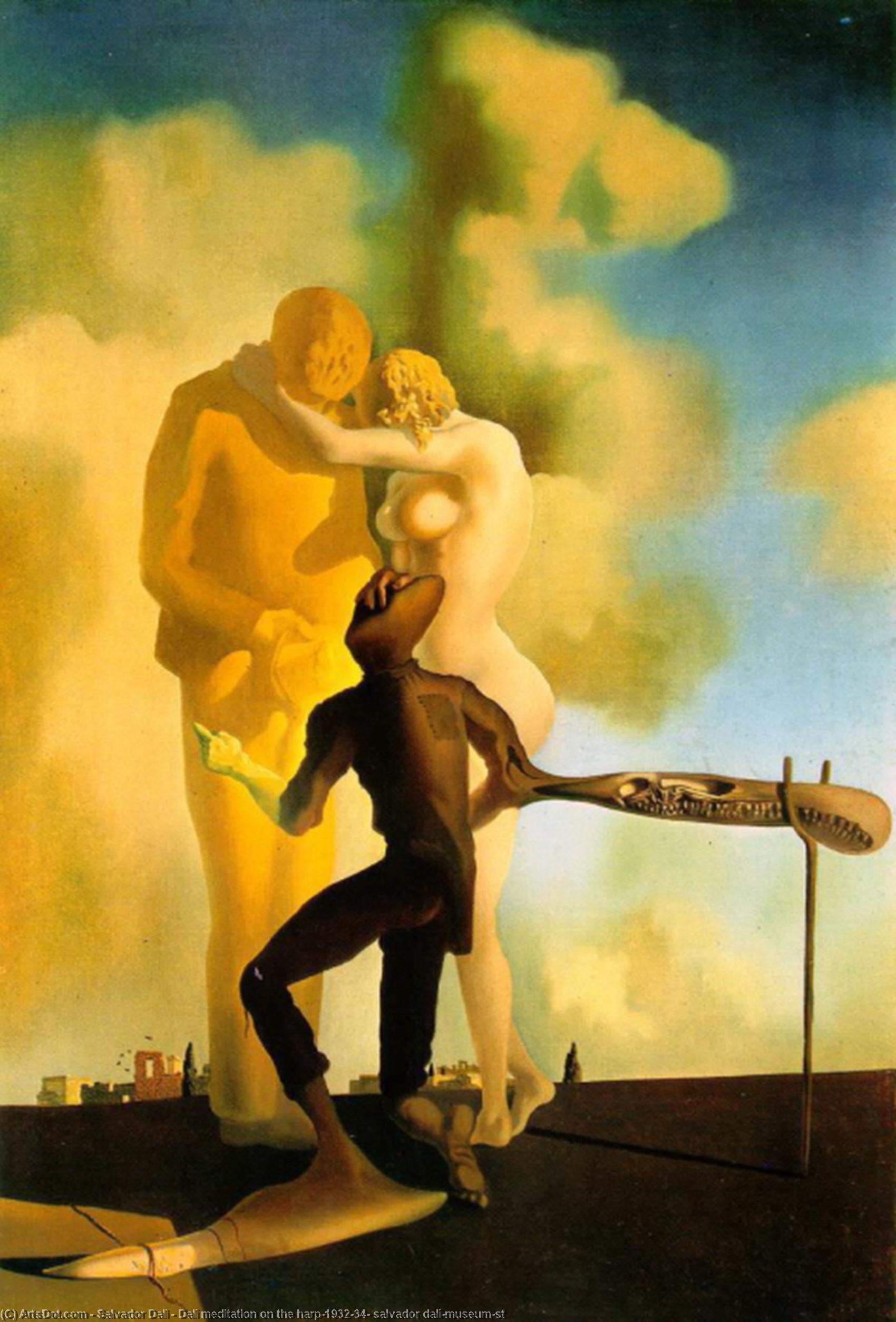
Dalí Meditation on the Harp – A Surrealist Reverie
Salvador Dalí’s “Meditation on the Harp,” painted in 1934, stands as a quintessential example of his singular artistic vision—a mesmerizing blend of dreamlike landscapes and meticulously crafted symbolism that continues to captivate audiences today. This oil painting resides within the esteemed Reynolds Morse Foundation collection in Cleveland, offering visitors an unparalleled opportunity to experience one of Dalí’s most iconic works firsthand.The Landscape: Echoes of Catalonia
The canvas depicts a desolate Catalan landscape bathed in muted hues—primarily ochre and grey—creating an atmosphere of profound stillness and melancholy. Twisted rock formations dominate the foreground, resembling skeletal hands reaching upwards towards a hazy sky. These rocky protrusions aren’t merely geological features; they are imbued with Dalí's characteristic preoccupation with duality and transformation, mirroring the subconscious mind grappling with unresolved anxieties. The sparse vegetation adds to the sense of isolation, emphasizing the painting’s contemplative mood.The Harpist Figure: A Symbol of Memory and Reflection
Dominating the center of the composition is a solitary figure—a man holding a harp—positioned amidst this barren terrain. His posture exudes quiet contemplation; he appears lost in thought, gazing upwards as if attempting to commune with the heavens. The harp itself serves as a potent symbol – representing harmony, remembrance, and the melancholic beauty of fading memories. Dalí’s masterful rendering captures not just physical form but also an intangible essence of inner experience.Technique and Style: Precision Within Chaos
Dalí's technique is characterized by meticulous detail combined with an unsettling fluidity—a hallmark of Surrealism. He employs a glazing method, layering thin washes of color over textured surfaces to achieve remarkable luminosity and depth. The brushstrokes are deliberate yet subtly distorted, contributing to the painting’s dreamlike quality. This careful control contrasts sharply with the chaotic arrangement of elements within the landscape, creating a dynamic tension that underscores Dalí's exploration of irrationality and subconscious impulses.Historical Context: Surrealism at Its Zenith
“Meditation on the Harp” emerged during Dalí’s peak period as a Surrealist artist—a movement born from the fertile ground of psychoanalysis and fueled by a desire to liberate art from rational constraints. Influenced by Sigmund Freud's theories about dreams and the unconscious, Dalí sought to depict inner realities rather than external appearances. The painting reflects the broader Surrealist preoccupation with exploring hidden desires, anxieties, and fantasies—a reaction against the perceived limitations of Western artistic conventions.Emotional Resonance: A Portrait of Inner Turmoil
Ultimately, “Meditation on the Harp” transcends mere visual representation; it communicates a profound emotional resonance. It evokes feelings of solitude, introspection, and perhaps even grief – mirroring Dalí’s own personal struggles with loss and trauma. The painting invites viewers to contemplate themes of mortality, memory, and the elusive nature of consciousness—leaving them with an enduring impression of beauty tinged with melancholy.関連作品
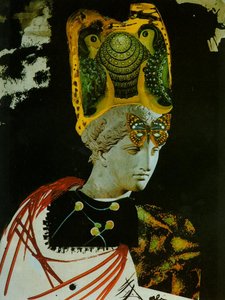
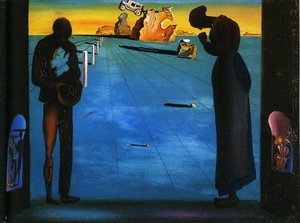
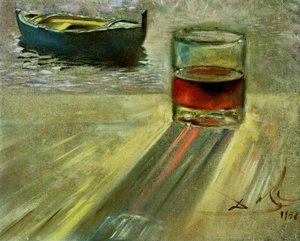
アーティストの略歴
サルバドール・ダリ:夢と現実の狭間を歩む芸術家
1904年5月11日、スペインのフィゲラスで生まれたサルバドール・Domingo Felipe Jacinto Dalí i Domènechは、単なる画家ではなく、パフォーマンスであり、自己創造の化身でした。幼少期から兄を亡くした喪失感、厳格な父と愛情深い母との複雑な関係が、彼の芸術に二重性や代替といったテーマを深く刻み込みました。サン・フェルナンド美術アカデミーでの正式な訓練を経て、印象派やルネサンスの巨匠との出会いが、伝統からの脱却と独自の道を切り開くための情熱を燃え上がらせました。
パリでの転換点:シュルレアリスムへの覚醒
1926年のパリへの旅は、ダリにとって芸術的な変革の瞬間となりました。彼はダダイズムの反逆精神に惹かれ、やがてシュルレアリスムを深く理解し、アンドレ・ブルトン、パブロ・ピカソ、ホアン・ミロといったキーパーソンたちと交流しました。しかし、ダリは単なるスタイルを受け入れるだけでなく、シュルレアリスム運動そのものを革命的に変革しました。「偏執的批判法」と呼ばれる独自の技法を開発し、自らを妄想状態に陥らせることで潜在意識の隠されたイメージを引き出し、夢や不安といった内面世界を驚くべき鮮明さで表現しました。記憶の固執は、その代表的な作品であり、時間の流動性、記憶の儚さ、そして避けられない衰退というシュルレアリスム探求の本質を凝縮した傑作です。
キャンバスを超えて:多才な芸術家としての活動
ダリの創造性は絵画に留まらず、彫刻、映画(アルフレッド・ヒッチコックとのSpellboundやウォルト・ディズニーとの共同制作など)、グラフィックアート、宝飾デザイン、舞台美術へと広がりました。彼は伝統的な芸術媒体にとらわれず、商業アートにも積極的に取り組み、広告やウィンドウディスプレイのデザインを手がけました。アリの象徴する腐敗、卵が表す胎生と希望、松葉杖が示す支持と脆弱性、引き出しが暗示する隠された秘密といったモチーフは、彼の作品に繰り返し登場します。これらのシンボルは単なる装飾ではなく、自身の不安、欲望、記憶に深く根ざした個人的なものであり、ジュリエットの墓における喪失への探求や、マネキン(バルセロナ・マネキン)における人工性とアイデンティティへの考察、そして風景とハエにおける死の描写など、彼の作品は幅広いテーマを扱っています。長年の鍛錬によって培われた緻密な技術により、彼はこれらの幻想的なビジョンを写真のようなリアリズムで描き出し、その不気味さをさらに増幅させています。
風変わりな個性と遺産:時代を超えた影響力
ダリは生涯を通じて、彼の芸術と同様に風変わりでエキセントリックな人物像を演じ続けました。自己宣伝の才能を持ち、大衆の注目を集めるためのスペクタクルを理解していました。1934年のガラの結婚は、個人的なだけでなく芸術的にも重要な転換点となり、彼女は彼のミューズ、ビジネスマネージャー、そして揺るぎない支持者となりました。晩年は商業的な活動が増え、フランコ政権への賛同といった物議を醸す行動もありましたが、彼の芸術的遺産は計り知れません。1989年1月23日にその生涯を閉じましたが、彼の作品は今なお観る者を魅了し、挑戦し、そして刺激を与え続けています。フロリダ州セントピーターズバーグのサルバドール・ダリ美術館は、彼の不朽の名声を称えるものであり、世界中の人々が彼の芸術の世界に浸ることができる広大なコレクションを収蔵しています。ダリは芸術の境界を超越し、ファッション、映画、広告、そして大衆文化に影響を与えた文化的アイコンとなりました。彼は20世紀で最も認知度が高く、影響力のある芸術家の一人として、夢と現実の狭間を探求し、その神秘をキャンバスに描き出した真のビジョナリーです。
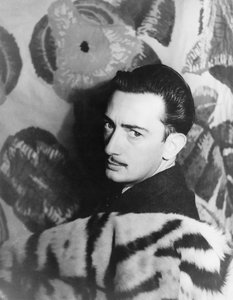
サルバドール・ダリ
1904 - 1989 , スペイン
基本情報
- フルネーム: サルバドール・ダリ
- 主な作品:
- 記憶の永存
- ジュリエットの墓
- マネキン
- 風景にハエ
- ガラの天使
- 出生地: スペイン、フィゲラス
- 国籍: スペイン
- 影響を与えたアーティスト:
- ポップアート
- 現代アーティスト
- 影響を受けたアーティスト:
- パブロ・ピカソ
- ジョアン・ミロ
- 死亡年月日: 1989年1月23日
- 生年月日: 1904年5月11日
- 芸術運動: シュルレアリスム
関連記事
サルバドール・ダリ傑作25選:夢と深層心理を探求する美術の世界 | ArtsDot
サルバドール・ダリの傑作25選。夢、深層心理、シュルレアリスムの世界を旅する美術史ツアー🎨 ArtsDotで高品質な版画や絵画をお楽しみください。リビングやオフィスに名画を飾りませんか?今すぐコレクションをご覧ください!

Bronze Sculptures That Defined Art History | ArtsDot
Journey through art history with our Top 10 bronze sculptures! Explore masterpieces by Rodin, Michelangelo & more. Discover stories behind iconic statues and find museum-quality reproductions for your home decor at ArtsDot.com.
Salvador Dalí: Surrealism, Subconscious Exploration & Artistic Innovation
Explore the captivating world of Salvador Dalí! Discover his surrealist masterpieces, profound connection to Freud's theories, and lasting impact on art & culture. A deep dive into a visionary artist.
至高の芸術:シュルレアリスムを象徴する10選 – 夢と現実の境界線を超える
夢と現実が交差する、シュルレアリスムの10大傑作の世界へ。ダリ、マグリットなど巨匠たちの作品を深く探求し、アートの新たな次元を発見してください。ArtsDot.comで、至高の芸術をあなたの空間に取り入れましょう。
Decoding Dalí: The Secrets of the Paranoiac-Critical Method and Surrealist Symbols
Unlock the mysteries of Salvador Dalí. Explore the profound secrets behind his Paranoiac-Critical Method and decode the surrealist symbols that define his legendary dreamscapes in this expert art history guide.