

 プレビュー
プレビュー
 プリントを購入
 シェアする
シェアする シェアする
シェアする
 詳細を見る
詳細を見る

 ダウンロード
 似ている作品
 X線調査
X線調査 スライドショー
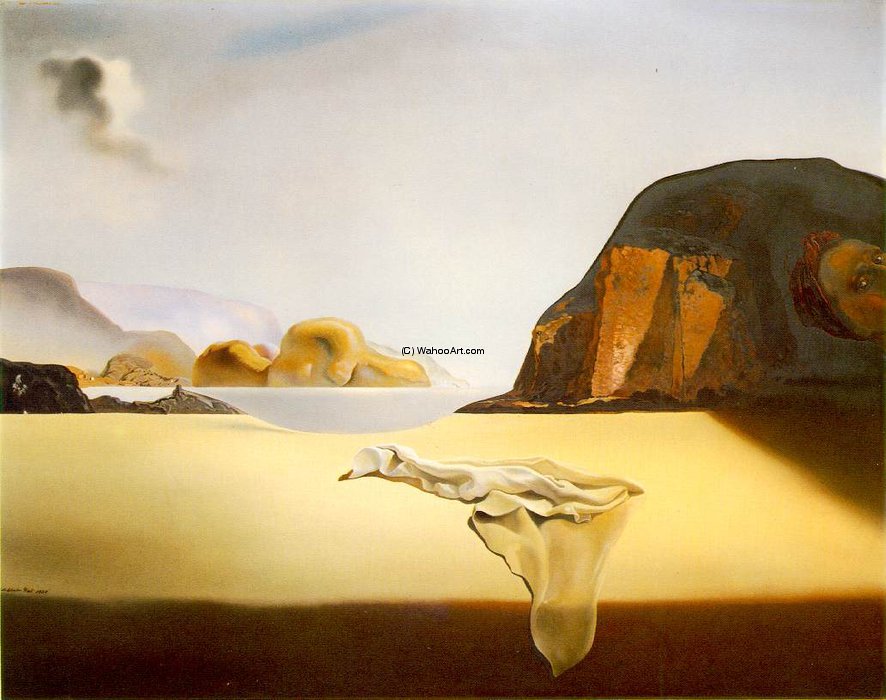
Dalí the transparent simulacrum of the feigned image,1938, a


 詳細を見る
詳細を見る
オンラインプレビューをはるかに凌ぐ、高解像度で鮮明なデジタル画像をご購入いただけます。
各ファイルは、社内の専門家が高度なツールと熟練した手作業によるレタッチを用いて、細心の注意を払って準備されています。すべての画像において、卓越した鮮明度、正確な色彩再現性、そして繊細なディテールを保証いたします。
最終ファイルは、プロフェッショナルな編集・印刷環境ですぐにご利用いただけるよう最適化された状態で、72時間以内にメールにてお届けいたします。これは、一流のデザインスタジオ、出版社、ギャラリーから信頼されているものと同等の品質です。
デジタル画像のご注文に付随する特典
高品質なデジタル画像配信を、確かな品質で。
ArtsDot.com を選ぶことは、単に画像を手に入れることではありません。それは、プロの手によって精密に仕上げられ、満足保証が付いた高品質なデジタルアートワークを受け取ることを意味します。ご注文いただいた際に自動的に付随する内容は、以下の通りです:

メールですぐにお届け
ご注文から72時間以内に、高解像度のデジタル画像ファイルがメールでお手元に届きます。すぐにそのままご利用いただけます。

AI技術で最適化されたデジタルファイル
お客様の作品は、高度なAIツールと専門家による手作業の編集を組み合わせてプロフェッショナルに最適化されており、細部のディテール、鮮明さ、そして正確な色再現性を最大限に引き出しています。

一生涯無料の再送サービス
ファイルを誤って削除したり、紛失してしまったりしましたか?ご安心ください。いつでも無料で再送いたします。

輸入手数料は一切かかりません
関税や手数料、配送料を気にすることなく、お気に入りのアートワークをすぐにお楽しみいただけます。デジタルダウンロードは常に免税です。

色彩再現の保証
プロ仕様のツールとカラーマネジメント技術を用いることで、デジタル画像が元の色を最大限に忠実に再現することを保証いたします。

60日間満足保証
ご購入いただいたデジタル画像にご満足いただけない場合は、60日以内であれば、修正または100%の返金(理由を問う必要はありません)をさせていただきます。

100% 返金保証
ご満足いただけない場合は、デジタルファイルを受け取ってから60日以内であれば、理由を問わず全額返金いたします。

まとめ買い割引
3枚購入で10%OFF - 5枚購入で15%OFF - 10枚以上購入で20%OFF。クリエイティブなプロジェクト、ギャラリー、エージェンシーに最適です。
A Surreal Desert Dream: Unveiling Dalí’s “The Transparent Simulacrum”
Salvador Dalí's "The Transparent Simulacrum of the Feigned Image," painted in 1938, isn’t merely a landscape; it’s an immersion into the fractured psyche of one of art history’s most iconic figures. This oil-on-canvas masterpiece transports us to an arid expanse—a vast, undulating desert punctuated by towering rock formations and dominated by a melting clock – a motif that has become inextricably linked with Dalí's exploration of time, memory, and the subjective nature of reality. The painting immediately arrests the eye with its unsettling beauty, a hallmark of Surrealism’s ability to conjure both fascination and unease.
The composition is meticulously crafted, employing a flattened perspective that contributes significantly to the dreamlike quality. Horizontal lines, created by the sweeping dunes and the reflective surface mimicking the sky, establish a sense of immense scale and spatial ambiguity. Dalí’s signature technique—the “paranoic-critical method”—is evident in the doubling and mirroring of elements throughout the scene. A table with a napkin and a bowl of food subtly transforms into a distant landscape, complete with mountains rising from the horizon. This deliberate layering of imagery challenges our perception of reality, forcing us to question what is ‘real’ and what is merely a representation within the mind.
Decoding the Symbolism: Time, Memory, and the Subconscious
At the heart of the painting lies the melting clock, an emblem of Dalí's preoccupation with time as fluid and unreliable. It’s not simply a depiction of a timepiece; it represents the distortion of temporal experience, mirroring the way memories can shift and morph over time. The presence of the head floating above the landscape—believed to be a self-portrait of Dalí himself—further emphasizes this theme of introspection and the internal world shaping external reality. The inclusion of Gala, his muse and wife, adds another layer of complexity, suggesting a relationship deeply intertwined with dreams and shared subconscious experiences.
Beyond these central symbols, the desert itself holds profound significance. Deserts are often associated with isolation, barrenness, and the vastness of the unknown—all potent metaphors for the human condition. The stark colors – predominantly warm browns and yellows – contribute to this atmosphere of desolation and psychological intensity. The painting’s overall effect is one of quiet contemplation, inviting viewers to confront their own perceptions of time, memory, and the nature of reality.
A Masterpiece in Technique: Dalí's Precision and Surrealist Vision
Dalí’s technical skill is undeniable. The meticulous blending of oil paints creates a remarkably smooth surface, lending an almost photographic quality to the landscape. The careful attention to detail—from the texture of the sand dunes to the subtle reflections on the water-like surface—demonstrates his mastery of perspective and his ability to render complex forms with astonishing precision. Yet, this technical prowess is always subservient to the painting’s overall surrealist vision; it's not about realistic representation but rather about evoking a specific emotional response.
The painting’s history reveals further insights into Dalí’s creative process. Research indicates that “The Transparent Simulacrum of the Feigned Image” was created during a period when Dalí was deeply engaged with his "paranoic-critical method," a technique he developed to access his subconscious and translate its imagery onto canvas. The painting's title itself—"The Transparent (see-through) Simulacrum (a semblance of something) of the Feigned (not real) Image (a reproduction of something or a picture in the mind)"—reflects this method, highlighting the layered nature of perception and representation.
Connecting with Dalí’s Legacy: Reproduction and Inspiration
“The Transparent Simulacrum of the Feigned Image” remains one of Salvador Dalí's most celebrated works. Its enduring appeal lies in its ability to tap into universal themes—the passage of time, the fragility of memory, and the mysteries of the human mind. High-quality reproductions capture the painting’s luminous quality and intricate details, making it a captivating addition to any art collection or interior space. Consider how this surreal landscape can evoke a sense of timelessness and contemplation within your home—a subtle reminder of the power of dreams and the boundless possibilities of the imagination.
関連作品
作家の略歴
サルバドール・ダリ:夢と現実の狭間を歩む芸術家
1904年5月11日、スペインのフィゲラスで生まれたサルバドール・Domingo Felipe Jacinto Dalí i Domènechは、単なる画家ではなく、パフォーマンスであり、自己創造の化身でした。幼少期から兄を亡くした喪失感、厳格な父と愛情深い母との複雑な関係が、彼の芸術に二重性や代替といったテーマを深く刻み込みました。サン・フェルナンド美術アカデミーでの正式な訓練を経て、印象派やルネサンスの巨匠との出会いが、伝統からの脱却と独自の道を切り開くための情熱を燃え上がらせました。
パリでの転換点:シュルレアリスムへの覚醒
1926年のパリへの旅は、ダリにとって芸術的な変革の瞬間となりました。彼はダダイズムの反逆精神に惹かれ、やがてシュルレアリスムを深く理解し、アンドレ・ブルトン、パブロ・ピカソ、ホアン・ミロといったキーパーソンたちと交流しました。しかし、ダリは単なるスタイルを受け入れるだけでなく、シュルレアリスム運動そのものを革命的に変革しました。「偏執的批判法」と呼ばれる独自の技法を開発し、自らを妄想状態に陥らせることで潜在意識の隠されたイメージを引き出し、夢や不安といった内面世界を驚くべき鮮明さで表現しました。記憶の固執は、その代表的な作品であり、時間の流動性、記憶の儚さ、そして避けられない衰退というシュルレアリスム探求の本質を凝縮した傑作です。
キャンバスを超えて:多才な芸術家としての活動
ダリの創造性は絵画に留まらず、彫刻、映画(アルフレッド・ヒッチコックとのSpellboundやウォルト・ディズニーとの共同制作など)、グラフィックアート、宝飾デザイン、舞台美術へと広がりました。彼は伝統的な芸術媒体にとらわれず、商業アートにも積極的に取り組み、広告やウィンドウディスプレイのデザインを手がけました。アリの象徴する腐敗、卵が表す胎生と希望、松葉杖が示す支持と脆弱性、引き出しが暗示する隠された秘密といったモチーフは、彼の作品に繰り返し登場します。これらのシンボルは単なる装飾ではなく、自身の不安、欲望、記憶に深く根ざした個人的なものであり、ジュリエットの墓における喪失への探求や、マネキン(バルセロナ・マネキン)における人工性とアイデンティティへの考察、そして風景とハエにおける死の描写など、彼の作品は幅広いテーマを扱っています。長年の鍛錬によって培われた緻密な技術により、彼はこれらの幻想的なビジョンを写真のようなリアリズムで描き出し、その不気味さをさらに増幅させています。
風変わりな個性と遺産:時代を超えた影響力
ダリは生涯を通じて、彼の芸術と同様に風変わりでエキセントリックな人物像を演じ続けました。自己宣伝の才能を持ち、大衆の注目を集めるためのスペクタクルを理解していました。1934年のガラの結婚は、個人的なだけでなく芸術的にも重要な転換点となり、彼女は彼のミューズ、ビジネスマネージャー、そして揺るぎない支持者となりました。晩年は商業的な活動が増え、フランコ政権への賛同といった物議を醸す行動もありましたが、彼の芸術的遺産は計り知れません。1989年1月23日にその生涯を閉じましたが、彼の作品は今なお観る者を魅了し、挑戦し、そして刺激を与え続けています。フロリダ州セントピーターズバーグのサルバドール・ダリ美術館は、彼の不朽の名声を称えるものであり、世界中の人々が彼の芸術の世界に浸ることができる広大なコレクションを収蔵しています。ダリは芸術の境界を超越し、ファッション、映画、広告、そして大衆文化に影響を与えた文化的アイコンとなりました。彼は20世紀で最も認知度が高く、影響力のある芸術家の一人として、夢と現実の狭間を探求し、その神秘をキャンバスに描き出した真のビジョナリーです。
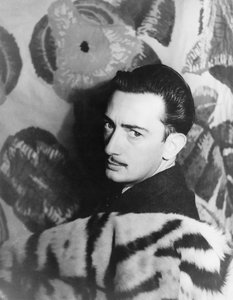
サルバドール・ダリ
1904 - 1989 , スペイン
プロフィール概要
- フルネーム: サルバドール・ダリ
- 主な作品:
- 記憶の永存
- ジュリエットの墓
- マネキン
- 風景にハエ
- ガラの天使
- 出生地: スペイン、フィゲラス
- 国籍: スペイン
- 影響を与えたアーティスト:
- ポップアート
- 現代アーティスト
- 影響を受けたアーティスト:
- パブロ・ピカソ
- ジョアン・ミロ
- 死亡年月日: 1989年1月23日
- 生年月日: 1904年5月11日
- 芸術運動: シュルレアリスム

