 プレビュー
プレビュー
 シェアする
シェアする シェアする
シェアする
 詳細を見る
詳細を見る

 ダウンロード
 似ている作品
 X線調査
X線調査 スライドショー
 Stats
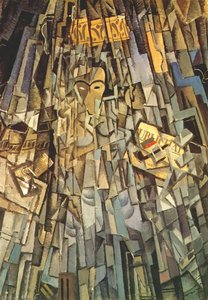
StatsSelf-Portrait in the Studio, 1919


 詳細を見る
詳細を見る
手描き油彩複製画
当社のアーティストが、お客様のご希望のサイズと額縁に合わせて、キャンバスに手描きで制作する油彩画です。 ( Switch to Print Switch to Digital Image)




P118B $10

P118H $10

P118W $10

P438Z $10

P508JH $12

P508YH $12

P805H $10

P805Z $10

P919BZ $10

P919G $10

P919XJ $10

P959ZH $10

P968JZ $12

W106C $8

W218G $10

W218JH $8

W218Y $10

W307PJ $10

W316G $10

W316PJ $8

W316Y $10

W398PJ $8

W4111J $10

W500HY $15

W500JH $15

W692G $12

W849H $8

W940BG $15

W953PJ $8




作品のオリジナル比率に合わせた、当店の規定サイズからお選びください。

特定のフレームやスペースに合わせて、ご希望のサイズをご入力いただけます。選択されたサイズが元の画像の比率と異なる場合、アートワークをトリミングするか、手描きで要素を追加して絵画を拡張いたします。デジタルモックアップ を制作し、制作開始前にご確認(承認)をいただきます。
画面上のプレビューは、実際のトリミングや拡張を正確に反映しているものではありません。最終的な構図は、モックアップによってのみ正確にご確認いただけます。
カスタムサイズもご利用いただけますが、元の比率を維持するためには、あらかじめ用意されたリストからサイズを選択することをお勧めいたします。
ご注文後、ArtsDot.com チームより詳細な指示をお送りするとともに、仕上がりイメージ(モックアップ)をご提供いたします。


 ガラスオプションは、110cm未満のサイズでのみご利用いただけます。

Self-Portrait in the Studio, 1919
複製技法
複製画のサイズ
-


合計金額
$ 263
A Window into the Artist's Soul
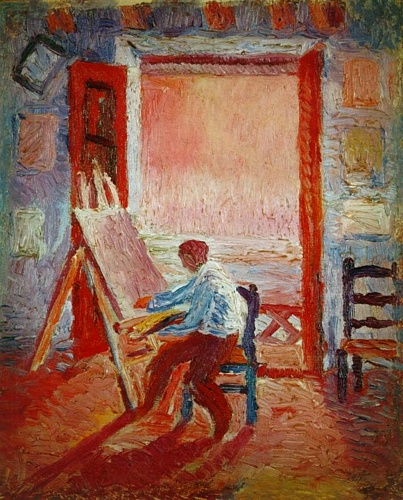
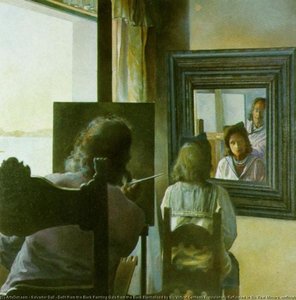
Before the world knew him as the master of melting clocks and hallucinatory landscapes, a young Salvador Dalí was already beginning to map the contours of his own subconscious. Self-Portrait in the Studio, 1919 serves as a profound, intimate prelude to the Surrealist revolution. Painted during his formative years, this work is far more than a simple academic exercise; it is a quiet, contemplative threshold between the reality of a student's workspace and the boundless dreamscapes that would later define his legacy. As we gaze upon this canvas, we are not merely looking at a portrait, but witnessing the very moment an icon began to coalesce from the shadows of tradition.
The composition is anchored by a deliberate, almost rhythmic balance. Dalí depicts himself seated at a table, a figure of focused stillness amidst the tools of his burgeoning craft. The arrangement of the chairs—one positioned directly behind him and another resting to the right—creates a sense of structured solitude. This spatial arrangement does not feel empty; rather, it feels pregnant with thought, suggesting an artist who is deeply present yet mentally wandering through the corridors of his own imagination. For the collector or designer, this piece offers a sophisticated sense of equilibrium, making it a masterful focal point for a room that demands both character and calm.
The Intersection of Light and Technique
While Dalí would eventually become famous for shattering logic, his early technique reveals a breathtaking command of classical precision. In this work, we see the influence of Impressionism blended with a meticulous, almost academic attention to texture. The artist skillfully manipulates light, utilizing a window in the background to bathe the studio in a soft, natural glow. This light does not merely illuminate; it sculpts the scene, casting gentle shadows that lend a tangible depth to the polished surfaces of the table and the heavy, draped fabrics of the furniture.
The technical mastery on display here is nothing short of captivating. The way the light interacts with the studio environment creates an illusionistic reality that draws the viewer inward. One can almost feel the stillness of the air in the room. This level of detail provides a wonderful opportunity for high-quality reproductions, as the subtle gradations of tone and the delicate interplay of shadow are what truly bring the painting to life when hung in a well-lit interior. It is a testament to Dalí's early ability to capture the physical world with such clarity that it becomes a vessel for something much more ethereal.
Symbolism and the Creative Spirit
Beyond the physical studio, the painting is rich with symbolic resonance. The two paintings hanging on the walls—one positioned above the artist’s head and another deeper in the background—act as visual anchors. These are not mere decorations; they represent the layers of artistic lineage and the continuous dialogue between the creator and his inspirations. They serve as mirrors, reflecting Dalí's own intellectual anxieties and his hunger for creative expansion. The window, a recurring motif in much of his later work, acts here as a literal and metaphorical portal, symbolizing the artist's connection to the external world even as he prepares to retreat into the internal realm of dreams.
For those looking to infuse their space with a sense of intellectual depth, this portrait offers an unparalleled emotional impact. It evokes a feeling of quiet introspection and the romanticized struggle of the creative process. Owning or displaying a reproduction of this piece is an invitation to contemplate one's own passions and the beauty found in moments of solitary reflection. It is a timeless tribute to the genesis of genius, capturing the precise moment when the light of inspiration first began to flicker in the mind of Salvador Dalí.
関連作品


アーティストの略歴
サルバドール・ダリ:夢と現実の狭間を歩む芸術家
1904年5月11日、スペインのフィゲラスで生まれたサルバドール・Domingo Felipe Jacinto Dalí i Domènechは、単なる画家ではなく、パフォーマンスであり、自己創造の化身でした。幼少期から兄を亡くした喪失感、厳格な父と愛情深い母との複雑な関係が、彼の芸術に二重性や代替といったテーマを深く刻み込みました。サン・フェルナンド美術アカデミーでの正式な訓練を経て、印象派やルネサンスの巨匠との出会いが、伝統からの脱却と独自の道を切り開くための情熱を燃え上がらせました。
パリでの転換点:シュルレアリスムへの覚醒
1926年のパリへの旅は、ダリにとって芸術的な変革の瞬間となりました。彼はダダイズムの反逆精神に惹かれ、やがてシュルレアリスムを深く理解し、アンドレ・ブルトン、パブロ・ピカソ、ホアン・ミロといったキーパーソンたちと交流しました。しかし、ダリは単なるスタイルを受け入れるだけでなく、シュルレアリスム運動そのものを革命的に変革しました。「偏執的批判法」と呼ばれる独自の技法を開発し、自らを妄想状態に陥らせることで潜在意識の隠されたイメージを引き出し、夢や不安といった内面世界を驚くべき鮮明さで表現しました。記憶の固執は、その代表的な作品であり、時間の流動性、記憶の儚さ、そして避けられない衰退というシュルレアリスム探求の本質を凝縮した傑作です。
キャンバスを超えて:多才な芸術家としての活動
ダリの創造性は絵画に留まらず、彫刻、映画(アルフレッド・ヒッチコックとのSpellboundやウォルト・ディズニーとの共同制作など)、グラフィックアート、宝飾デザイン、舞台美術へと広がりました。彼は伝統的な芸術媒体にとらわれず、商業アートにも積極的に取り組み、広告やウィンドウディスプレイのデザインを手がけました。アリの象徴する腐敗、卵が表す胎生と希望、松葉杖が示す支持と脆弱性、引き出しが暗示する隠された秘密といったモチーフは、彼の作品に繰り返し登場します。これらのシンボルは単なる装飾ではなく、自身の不安、欲望、記憶に深く根ざした個人的なものであり、ジュリエットの墓における喪失への探求や、マネキン(バルセロナ・マネキン)における人工性とアイデンティティへの考察、そして風景とハエにおける死の描写など、彼の作品は幅広いテーマを扱っています。長年の鍛錬によって培われた緻密な技術により、彼はこれらの幻想的なビジョンを写真のようなリアリズムで描き出し、その不気味さをさらに増幅させています。
風変わりな個性と遺産:時代を超えた影響力
ダリは生涯を通じて、彼の芸術と同様に風変わりでエキセントリックな人物像を演じ続けました。自己宣伝の才能を持ち、大衆の注目を集めるためのスペクタクルを理解していました。1934年のガラの結婚は、個人的なだけでなく芸術的にも重要な転換点となり、彼女は彼のミューズ、ビジネスマネージャー、そして揺るぎない支持者となりました。晩年は商業的な活動が増え、フランコ政権への賛同といった物議を醸す行動もありましたが、彼の芸術的遺産は計り知れません。1989年1月23日にその生涯を閉じましたが、彼の作品は今なお観る者を魅了し、挑戦し、そして刺激を与え続けています。フロリダ州セントピーターズバーグのサルバドール・ダリ美術館は、彼の不朽の名声を称えるものであり、世界中の人々が彼の芸術の世界に浸ることができる広大なコレクションを収蔵しています。ダリは芸術の境界を超越し、ファッション、映画、広告、そして大衆文化に影響を与えた文化的アイコンとなりました。彼は20世紀で最も認知度が高く、影響力のある芸術家の一人として、夢と現実の狭間を探求し、その神秘をキャンバスに描き出した真のビジョナリーです。
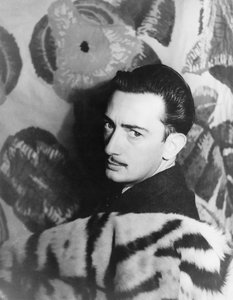
サルバドール・ダリ
1904 - 1989 , スペイン
基本情報
- フルネーム: サルバドール・ダリ
- 主な作品:
- 記憶の永存
- ジュリエットの墓
- マネキン
- 風景にハエ
- ガラの天使
- 出生地: スペイン、フィゲラス
- 国籍: スペイン
- 影響を与えたアーティスト:
- ポップアート
- 現代アーティスト
- 影響を受けたアーティスト:
- パブロ・ピカソ
- ジョアン・ミロ
- 死亡年月日: 1989年1月23日
- 生年月日: 1904年5月11日
- 芸術運動: シュルレアリスム
関連記事

Decoding Dalí: The Secrets of the Paranoiac-Critical Method and Surrealist Symbols
Unlock the mysteries of Salvador Dalí. Explore the profound secrets behind his Paranoiac-Critical Method and decode the surrealist symbols that define his legendary dreamscapes in this expert art history guide.
Surrealist Dreamscapes: A Curated Guide to Integrating Breathtaking Surrealism into Sophisticated Home Decor
Transform your home into a breathtaking dreamscape with expert surrealist decor tips. Discover how to curate Salvador Dalí-inspired masterpieces, integrate symbolic textures, and commission bespoke hand-painted oil reproductions that bring the magic of the subconscious to your walls.
サルバドール・ダリ傑作25選:夢と深層心理を探求する美術の世界 | ArtsDot
サルバドール・ダリの傑作25選。夢、深層心理、シュルレアリスムの世界を旅する美術史ツアー🎨 ArtsDotで高品質な版画や絵画をお楽しみください。リビングやオフィスに名画を飾りませんか?今すぐコレクションをご覧ください!

至高の芸術:シュルレアリスムを象徴する10選 – 夢と現実の境界線を超える
夢と現実が交差する、シュルレアリスムの10大傑作の世界へ。ダリ、マグリットなど巨匠たちの作品を深く探求し、アートの新たな次元を発見してください。ArtsDot.comで、至高の芸術をあなたの空間に取り入れましょう。
Surrealist Painting Masterpieces: 10 Artworks That Redefined Reality | ArtsDot
Journey into the dreamlike world of Surrealism! Explore 10 masterpieces by Dali, Magritte & Miró that redefined art. Discover their stories & find museum-quality reproductions to elevate your home decor on ArtsDot.com.