 プレビュー
プレビュー
 プリントを購入
 シェアする
シェアする シェアする
シェアする
 詳細を見る
詳細を見る

 ダウンロード
 似ている作品
 X線調査
X線調査 スライドショー
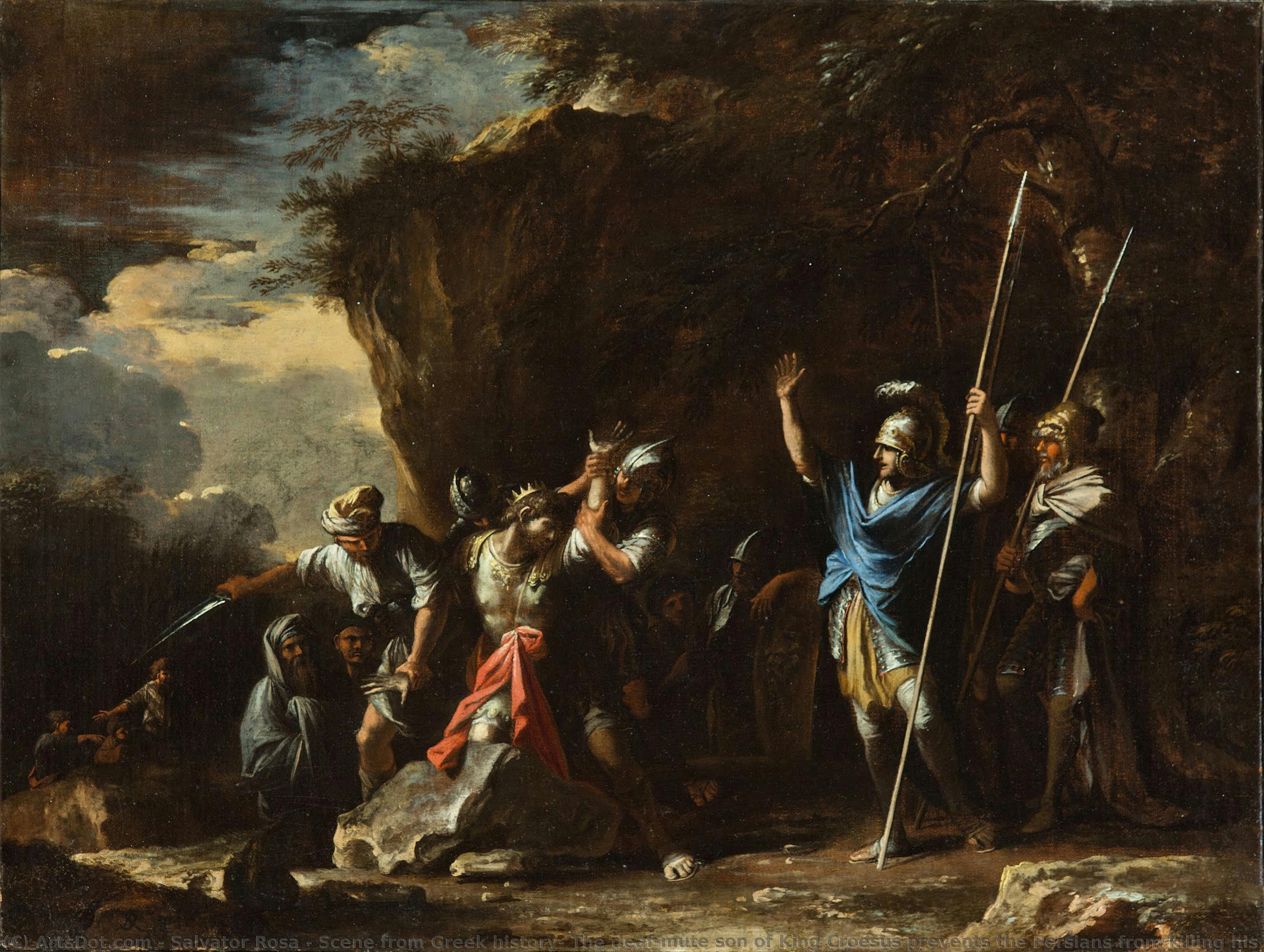
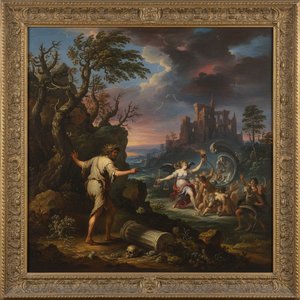
Scene from Greek history: The deaf-mute son of King Croesus prevents the Persians from killing his father
 Oil On Canvas
- WallArt
- Baroque
 1663
1663- Early Modern
 97.0 x 73.0 cm
 南オーストラリア・ギャラリー
 詳細を見る
詳細を見る




P118B $10

P118H $10

P118W $10

P438Z $10

P508JH $12

P508YH $12

P805H $10

P805Z $10

P919BZ $10

P919G $10

P919XJ $10

P959ZH $10

P968JZ $12

W106C $8

W218G $10

W218JH $8

W218Y $10

W307PJ $10

W316G $10

W316PJ $8

W316Y $10

W398PJ $8

W4111J $10

W500HY $15

W500JH $15

W692G $12

W849H $8

W940BG $15

W953PJ $8




作品のオリジナル比率に合わせた、当店の規定サイズからお選びください。

特定のフレームやスペースに合わせて、ご希望のサイズをご入力いただけます。選択されたサイズが元の画像の比率と異なる場合、アートワークをトリミングするか、手描きで要素を追加して絵画を拡張いたします。デジタルモックアップ を制作し、制作開始前にご確認(承認)をいただきます。
画面上のプレビューは、実際のトリミングや拡張を正確に反映しているものではありません。最終的な構図は、モックアップによってのみ正確にご確認いただけます。
カスタムサイズもご利用いただけますが、元の比率を維持するためには、あらかじめ用意されたリストからサイズを選択することをお勧めいたします。
ご注文後、ArtsDot.com チームより詳細な指示をお送りするとともに、仕上がりイメージ(モックアップ)をご提供いたします。


 ガラスオプションは、110cm未満のサイズでのみご利用いただけます。

Scene from Greek history: The deaf-mute son of King Croesus prevents the Persians from killing his father
複製技法
複製画のサイズ
-


合計金額
$ 388
A Cinematic Encounter with Baroque Drama
In the heart of a jagged, primordial landscape, Salvator Rosa captures a moment of breathless tension that feels less like a static painting and more like a frozen frame from a grand cinematic epic. "Scene from Greek history: The deaf-mute son of King Croesus prevents the Persians from killing his father" is a masterclass in the Baroque aesthetic, pulling the viewer into a world where survival hangs by a single, desperate thread. The scene, likely inspired by the legendary tales found within Homer’s Iliad, presents us with a visceral struggle for life amidst the shadows of antiquity. As we gaze upon the rugged terrain and the frantic movement of the figures, we are not merely observers; we are witnesses to a profound act of familial devotion and heroic defiance.
The composition is anchored by a central figure whose commanding presence radiates an almost electric urgency. With one hand raised aloft, he acts as a human barrier against the encroaching tide of violence, his gesture cutting through the chaos of the surrounding skirmish. Around him, the canvas teems with life and conflict: men clash with spears and shields, while others watch with eyes wide in apprehension or intensity. Rosa utilizes strong, directional lines—the sharp tilt of a weapon, the dramatic drape of a tunic, the jagged edge of a stone—to guide our eyes through this whirlwind of action, ensuring that the emotional momentum never falters.
The Mastery of Light and Shadow
Technically, this 1663 masterpiece showcases Rosa’s unparalleled ability to manipulate the chiaroscuro technique to evoke psychological depth. The lighting is profoundly dramatic, characterized by stark contrasts that carve figures out of the surrounding gloom. Deep, cavernous shadows retreat into the crevices of the rocky landscape, creating a sense of immense, suffocating space, while sudden bursts of light illuminate the musculature and facial expressions of the protagonists. This interplay of light and dark does more than provide three-dimensionality; it mirrors the internal turmoil of the characters, reflecting the struggle between life and death, and order and chaos.
The texture of the work is equally captivating. Through meticulous oil painting on canvas, Rosa achieves a rich, layered effect that suggests the grit of the earth and the cold hardness of stone. His brushwork is both precise in rendering the fine details of armor and fluid enough to capture the kinetic energy of a battlefield. For the discerning collector or interior designer, this tactile quality offers a profound sense of luxury and historical weight, making it an ideal centerpiece for spaces that demand a sense of gravitas and intellectual intrigue.
Symbolism and Eternal Resonance
Beyond its surface-level spectacle, the painting serves as a powerful allegory for the human condition. The deaf-mute son, unable to use words to plead for mercy, must rely on the raw power of physical presence and symbolic gesture. This element introduces a poignant layer of symbolism regarding the limits of communication and the universality of sacrifice. In an era of political instability and religious upheaval, such themes of leadership, resistance against overwhelming odds, and the preservation of legacy would have resonated deeply with 17th-century audiences—and they continue to resonate with us today.
For those looking to adorn a curated collection or a sophisticated living space, this reproduction offers more than just visual beauty. It brings into a room a piece of history that speaks of resilience and the indomitable spirit. Whether placed in a library, a formal study, or a contemporary gallery setting, Rosa’s work provides an enduring focal point that invites contemplation, sparking conversations about the legends of the past and the timeless emotions that bind us all.
関連作品
アーティストの略歴
生い立ちと教育
サルヴァトール・ローザは、1615年6月20日または7月21日にナポリ近郊のアレネッラで生まれました。母親のジュリア・グレカ・ローザはシチリア出身のギリシャ系の名家でした。父親は彼に弁護士や聖職者の道を進めて望んでいましたが、サルヴァトールは幼い頃から芸術への強い関心を示しました。彼は当初、ジョヴァンニ・ドメニコ・カラヴァッジョの工房で絵画を学び始めましたが、すぐに独自のスタイルを追求するようになりました。ナポリでの初期の経験は、彼の後の作品に大きな影響を与え、特に光と影の劇的な表現や、現実主義的な人物描写にその痕跡を見ることができます。芸術的キャリア
サルヴァトール・ローザの芸術的キャリアは、同時代の人々とは異なる型破りで華麗なスタイルによって特徴づけられました。彼はナポリ、ローマ、フィレンツェで活躍し、リベラの自然主義とプーサンの古典主義の影響を受けました。しかし、特定のスタイルや運動に縛られることを拒否しました。彼の作品は風景画、歴史画、風俗画など多岐にわたり、その大胆な構図、力強い筆致、そして深い感情表現が特徴です。特に有名な作品の一つである「冥府から現れるピュタゴラス」(フォートワース、キンベル美術館)は、彼の哲学的なテーマと芸術的才能の融合を示しています。「洗礼者エウヌコの洗礼」(ノーフォーク、クライスラー美術館)は、ささやかな聖書の物語にさえもドラマチックな要素を注入する彼の能力を実証しています。ローザはまた、優れた詩人であり版画家でもあり、その多才さは彼を同時代の芸術家たちから際立たせました。影響と遺産
サルヴァトール・ローザの作品は、バロック美術の発展に大きな影響を与えました。彼の風景画は、後のロマン主義の画家たちにインスピレーションを与え、特に自然の力強さや人間の感情とのつながりを描く点においてその影響を見ることができます。また、彼の版画は広く流通し、ヨーロッパ各地の芸術家たちに彼のスタイルを広める役割を果たしました。ルカ・ジョルダーノのような後世の芸術家たちは、ローザの境界線を押し広げる表現方法を受け継ぎ、バロック美術の新たな可能性を探求しました。重要なリンク
結論
サルヴァトール・ローザの生涯と作品は、今日でも多くの芸術愛好家や歴史研究家の関心を集めています。彼の型破りなスタイルと時代規範に対する絶え間ない反逆精神は、バロック美術史における彼の地位を確固たるものにしました。画家、詩人、版画家として、彼は謎めいた人物であり続け、その作品は新しい世代の芸術家や芸術愛好家にインスピレーションを与え続けています。キンベル美術館(フォートワース)とクライスラー美術館(ノーフォーク)などの美術館には、彼の代表作が所蔵されており、彼の才能と創造性を今に伝えています。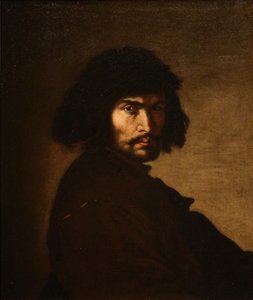
サルヴァトール・ローザ
1615 - 1673 , イタリア
基本情報
- Artistic Movement Or Style: バロック美術
- Artists Or Movements Influenced By This Artist: ['ルカ・ジョルダーノ']
- Artists Who Influenced This Artist: ['ホセ・デ・リベラ']
- Date Of Birth: 1615年6月20日
- Date Of Death: 1673年
- Full Name: サルヴァトーレ・ローザ
- Nationality: イタリア人
- Notable Artworks:
- 地獄の光景
- エウヌコの洗礼
- Place Of Birth (City And Country): ナポリ、イタリア
関連記事
Salvator Rosa: A Baroque Rebel's Vision of Landscape, Allegory & the Human Condition
Explore the captivating world of Salvator Rosa, a rebellious Baroque master. Discover his dramatic landscapes, allegorical paintings & lasting influence on Romanticism. Hand-painted reproductions available at ArtsDot.

The Dramatic Flourish: Exploring the Baroque Movement's Enduring Legacy in Art History
Explore the dramatic world of Baroque art! Discover iconic artists like Caravaggio & Rubens, defining techniques, and its lasting impact on art history. Expert insights for collectors & enthusiasts at ArtsDot.

バロック美術を極めた至宝:時代を彩る10大名作の世界
バロック美術の華!カラヴァッジョ、ベルニーニら巨匠が創り上げた10大名作を徹底解剖。ドラマチックな色彩と豪華絢爛の世界観に触れ、至宝のアートプリントで空間を彩ろう。ArtsDot.comで美術館品質の複製と洗練されたインテリアを見つけましょう!

The Enduring Power of Painting: A Historical & Contemporary Exploration of Form and Emotion
Explore the rich history & enduring techniques of oil painting with ArtsDot. Discover masterpieces, learn about art collecting, and find authentic handmade reproductions crafted by skilled artists.

Baroque Classicism: Reconciling Drama & Order in 17th-Century Art
Explore the captivating world of Baroque Classicism! Discover its history, key artists like Caravaggio & Rubens, and defining characteristics. Expert insights & high-quality reproductions at ArtsDot.