 シェアする
シェアする シェアする
シェアする
 詳細を見る
詳細を見る

 ダウンロード
 似ている作品
 スライドショー
 統計情報
統計情報Tobie Et L'ange


 詳細を見る
詳細を見る
手描き油彩複製画
当社のアーティストが、お客様のご希望のサイズと額縁に合わせて、キャンバスに手描きで制作する油彩画です。 ( プリント版に切り替え デジタル画像販売へ切り替え)




































作品のオリジナル比率に合わせた、当店の規定サイズからお選びください。

特定のフレームやスペースに合わせて、ご希望のサイズをご入力いただけます。選択されたサイズが元の画像の比率と異なる場合、アートワークをトリミングするか、手描きで要素を追加して絵画を拡張いたします。デジタルモックアップ を制作し、制作開始前にご確認(承認)をいただきます。
画面上のプレビューは、実際のトリミングや拡張を正確に反映しているものではありません。最終的な構図は、モックアップによってのみ正確にご確認いただけます。
カスタムサイズもご利用いただけますが、元の比率を維持するためには、あらかじめ用意されたリストからサイズを選択することをお勧めいたします。
ご注文後、ArtsDot.com チームより詳細な指示をお送りするとともに、仕上がりイメージ(モックアップ)をご提供いたします。


 ガラスオプションは、110cm未満のサイズでのみご利用いただけます。

Tobie Et L'ange
複製技法
複製画のサイズ
-


合計金額
$ 263
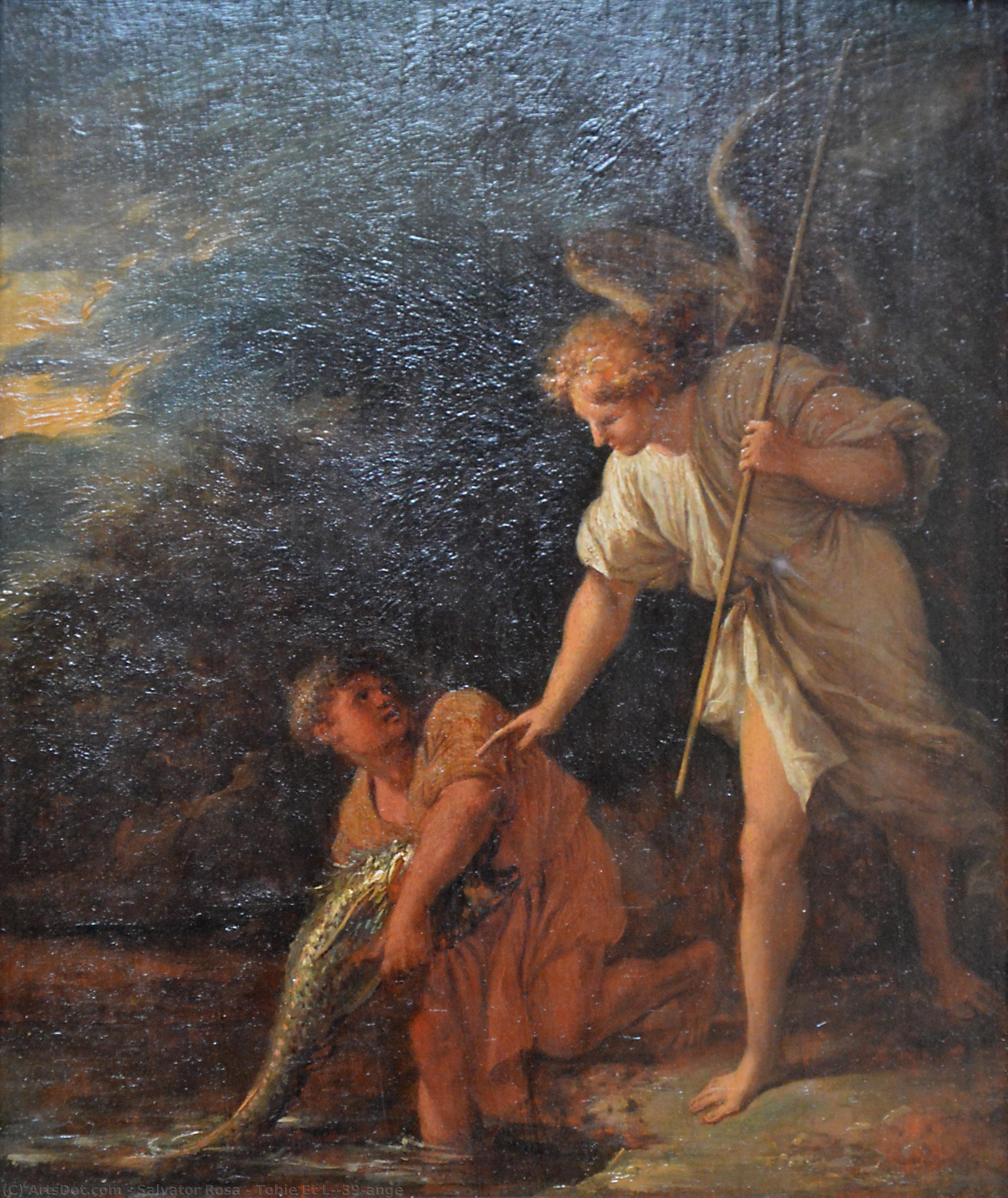
The Dramatic Embrace: Salvator Rosa’s “Tobie Et L'Ange”
Salvator Rosa’s “Tobie Et L'Ange,” a captivating Baroque masterpiece, isn’t merely a depiction of two celestial figures; it’s an invitation into a world brimming with allegory, emotion, and the untamed beauty of nature. Painted likely around 1670 in Rome, this work stands as a testament to Rosa’s unique artistic vision – a rejection of rigid academic conventions in favor of a deeply personal and often unsettling exploration of human experience within the grand scheme of the cosmos. The painting immediately draws the eye with its dynamic composition: two angels, rendered with a palpable sense of urgency and interaction, dominate the scene. One gently touches the head of the other, an intimate gesture that belies their divine status, while the central focus – a shimmering fish – becomes a potent symbol of both sustenance and potential danger. This isn’t a serene, idealized portrayal of heaven; it's imbued with a raw energy and a hint of unease, reflecting Rosa’s characteristic penchant for portraying the darker aspects of human nature alongside moments of grace.A Baroque Tapestry: Style, Technique, and Influences
Rosa’s style is instantly recognizable as deeply rooted in the Baroque period, yet he forged his own distinctive path. He absorbed influences from artists like Ribera – particularly his masterful use of tenebrism (strong contrasts between light and dark) – and Poussin, evident in the careful rendering of classical forms and landscapes. However, unlike these contemporaries who often adhered to established rules, Rosa deliberately embraced a more expressive and emotionally charged approach. His brushwork is loose and gestural, conveying movement and immediacy. Notice how he uses thick impasto—layers of paint applied with considerable texture—to build up the figures and landscape, creating a sense of physicality and drama. The color palette leans towards rich earth tones – ochres, browns, and deep reds – punctuated by flashes of silver and gold, contributing to the painting’s overall intensity. Rosa's background in printmaking also profoundly shaped his artistic practice; he frequently employed techniques borrowed from engraving, such as hatching and cross-hatching, to create intricate details and textures within his paintings.Mythic Resonance: Symbolism and Narrative
“Tobie Et L'Ange” is rich with symbolic meaning, drawing upon the biblical story of Tobias and the Angel. The fish itself represents divine providence and sustenance, a gift from God delivered through the angel’s intervention. The touch on the head signifies guidance and protection – a subtle reminder of the spiritual realm influencing earthly affairs. Beyond this immediate narrative, however, the painting operates on multiple levels. The turbulent landscape—a dramatic vista of cliffs, rocks, and swirling clouds—suggests the chaotic nature of human existence and the constant struggle between order and disorder. The presence of smaller figures in the foreground – a man on the left and another on the right – adds to this sense of complexity, hinting at other characters or elements within the larger story. Some art historians suggest that these figures represent the challenges and temptations faced by humanity, while the angels embody divine wisdom and compassion.A Legacy of Romanticism: Rosa’s Enduring Influence
Salvator Rosa's work was hugely influential in shaping the development of Romanticism, a movement that prioritized emotion, individualism, and the sublime beauty of nature. His depictions of wild landscapes—often rendered with a sense of foreboding and danger—challenged the classical emphasis on idealized beauty and harmony. Rosa’s willingness to portray humanity within these untamed environments – often as vulnerable and insignificant in comparison to the power of nature – resonated deeply with Romantic artists like Caspar David Friedrich and J.M.W. Turner. His legacy lies not just in his technical skill, but also in his courageous rejection of convention and his profound engagement with the complexities of human experience. Today, reproductions of “Tobie Et L'Ange” continue to captivate viewers with their dramatic intensity and evocative symbolism, offering a glimpse into the visionary world of one of Baroque art’s most compelling figures.関連作品
アーティストの略歴
生い立ちと教育
サルヴァトール・ローザは、1615年6月20日または7月21日にナポリ近郊のアレネッラで生まれました。母親のジュリア・グレカ・ローザはシチリア出身のギリシャ系の名家でした。父親は彼に弁護士や聖職者の道を進めて望んでいましたが、サルヴァトールは幼い頃から芸術への強い関心を示しました。彼は当初、ジョヴァンニ・ドメニコ・カラヴァッジョの工房で絵画を学び始めましたが、すぐに独自のスタイルを追求するようになりました。ナポリでの初期の経験は、彼の後の作品に大きな影響を与え、特に光と影の劇的な表現や、現実主義的な人物描写にその痕跡を見ることができます。芸術的キャリア
サルヴァトール・ローザの芸術的キャリアは、同時代の人々とは異なる型破りで華麗なスタイルによって特徴づけられました。彼はナポリ、ローマ、フィレンツェで活躍し、リベラの自然主義とプーサンの古典主義の影響を受けました。しかし、特定のスタイルや運動に縛られることを拒否しました。彼の作品は風景画、歴史画、風俗画など多岐にわたり、その大胆な構図、力強い筆致、そして深い感情表現が特徴です。特に有名な作品の一つである「冥府から現れるピュタゴラス」(フォートワース、キンベル美術館)は、彼の哲学的なテーマと芸術的才能の融合を示しています。「洗礼者エウヌコの洗礼」(ノーフォーク、クライスラー美術館)は、ささやかな聖書の物語にさえもドラマチックな要素を注入する彼の能力を実証しています。ローザはまた、優れた詩人であり版画家でもあり、その多才さは彼を同時代の芸術家たちから際立たせました。影響と遺産
サルヴァトール・ローザの作品は、バロック美術の発展に大きな影響を与えました。彼の風景画は、後のロマン主義の画家たちにインスピレーションを与え、特に自然の力強さや人間の感情とのつながりを描く点においてその影響を見ることができます。また、彼の版画は広く流通し、ヨーロッパ各地の芸術家たちに彼のスタイルを広める役割を果たしました。ルカ・ジョルダーノのような後世の芸術家たちは、ローザの境界線を押し広げる表現方法を受け継ぎ、バロック美術の新たな可能性を探求しました。重要なリンク
結論
サルヴァトール・ローザの生涯と作品は、今日でも多くの芸術愛好家や歴史研究家の関心を集めています。彼の型破りなスタイルと時代規範に対する絶え間ない反逆精神は、バロック美術史における彼の地位を確固たるものにしました。画家、詩人、版画家として、彼は謎めいた人物であり続け、その作品は新しい世代の芸術家や芸術愛好家にインスピレーションを与え続けています。キンベル美術館(フォートワース)とクライスラー美術館(ノーフォーク)などの美術館には、彼の代表作が所蔵されており、彼の才能と創造性を今に伝えています。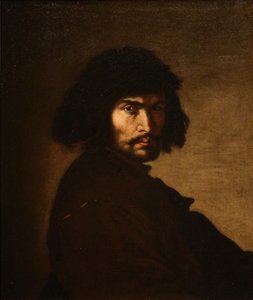
サルヴァトール・ローザ
1615 - 1673 , イタリア
基本情報
- Artistic Movement Or Style: バロック美術
- Artists Or Movements Influenced By This Artist: ['ルカ・ジョルダーノ']
- Artists Who Influenced This Artist: ['ホセ・デ・リベラ']
- Date Of Birth: 1615年6月20日
- Date Of Death: 1673年
- Full Name: サルヴァトーレ・ローザ
- Nationality: イタリア人
- Notable Artworks:
- 地獄の光景
- エウヌコの洗礼
- Place Of Birth (City And Country): ナポリ、イタリア
関連記事
Celestial Messengers: A Comprehensive Exploration of Angelic Representation in Art History
Explore the captivating history of angels in art! Discover symbolism, iconic Renaissance masterpieces & renowned artists. Expert insights for art lovers & collectors at ArtsDot.

Evocations of Place: A Historical Journey Through Landscape Art
Explore the rich history of landscape art with ArtsDot. Discover renowned artists, movements like Impressionism & Romanticism, and expert guidance for collecting timeless pieces. Find your perfect serene escape today!

ロマン派ランドスケープ:時代を彩る巨匠の10選|アートとインテリアの世界
ロマン派絵画の時代を彩る10選。巨匠たちの風景が織りなす感動の世界へ。ターナー、ルーベンスなど、名作の裏話と高精細複製でアートをお部屋に。ArtsDot.comで至福のアート体験を。
Celestial Messengers: Angels in Painting – A Historical & Artistic Exploration
Explore the captivating history of angels in painting! Discover symbolism, iconic Renaissance & Byzantine masterpieces, and renowned artists. Expert insights for art lovers & collectors at ArtsDot.
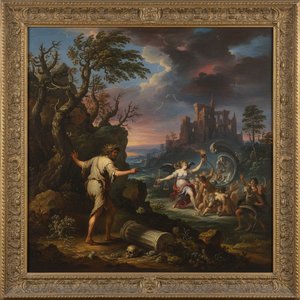
Salvator Rosa: A Baroque Rebel's Vision of Landscape, Allegory & the Human Condition
Explore the captivating world of Salvator Rosa, a rebellious Baroque master. Discover his dramatic landscapes, allegorical paintings & lasting influence on Romanticism. Hand-painted reproductions available at ArtsDot.