 プレビュー
プレビュー
 プリントを購入
 シェアする
シェアする シェアする
シェアする
 詳細を見る
詳細を見る

 ダウンロード
 似ている作品
 X線調査
X線調査 スライドショー
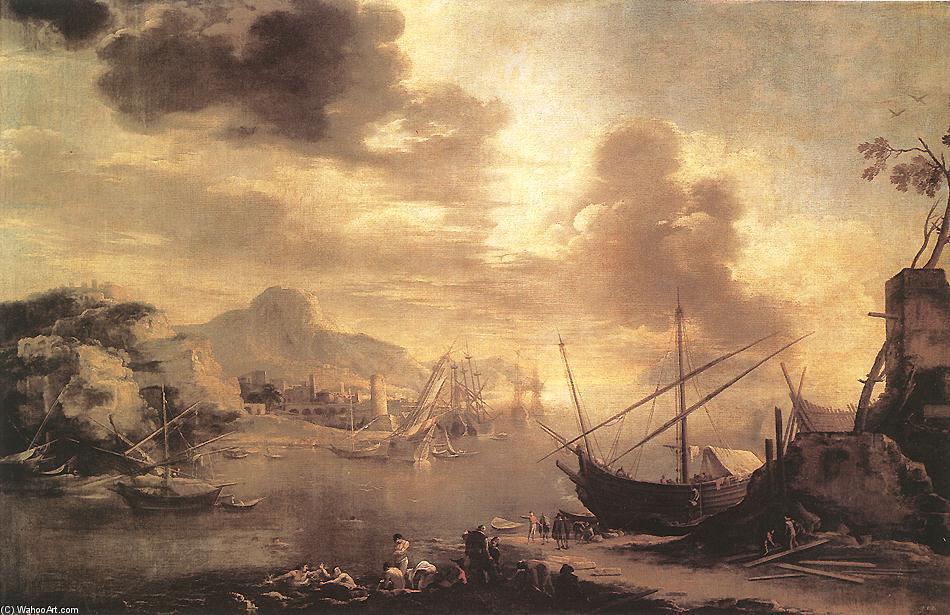
View of the Gulf of Salerno
 Oil On Canvas
- WallArt
- Baroque Landscape
 1640
1640 170.0 x 260.0 cm
 プラド美術館
 詳細を見る
詳細を見る




P118B $10

P118H $10

P118W $10

P438Z $10

P508JH $12

P508YH $12

P805H $10

P805Z $10

P919BZ $10

P919G $10

P919XJ $10

P959ZH $10

P968JZ $12

W106C $8

W218G $10

W218JH $8

W218Y $10

W307PJ $10

W316G $10

W316PJ $8

W316Y $10

W398PJ $8

W4111J $10

W500HY $15

W500JH $15

W692G $12

W849H $8

W940BG $15

W953PJ $8




作品のオリジナル比率に合わせた、当店の規定サイズからお選びください。

特定のフレームやスペースに合わせて、ご希望のサイズをご入力いただけます。選択されたサイズが元の画像の比率と異なる場合、アートワークをトリミングするか、手描きで要素を追加して絵画を拡張いたします。デジタルモックアップ を制作し、制作開始前にご確認(承認)をいただきます。
画面上のプレビューは、実際のトリミングや拡張を正確に反映しているものではありません。最終的な構図は、モックアップによってのみ正確にご確認いただけます。
カスタムサイズもご利用いただけますが、元の比率を維持するためには、あらかじめ用意されたリストからサイズを選択することをお勧めいたします。
ご注文後、ArtsDot.com チームより詳細な指示をお送りするとともに、仕上がりイメージ(モックアップ)をご提供いたします。


 ガラスオプションは、110cm未満のサイズでのみご利用いただけます。

View of the Gulf of Salerno
複製技法
複製画のサイズ
-


合計金額
$ 263
Salvator Rosa’s “View of the Gulf of Salerno”: A Symphony of Light and Landscape
Salvator Rosa's "View of the Gulf of Salerno," painted around 1640, isn’t merely a depiction of a coastal scene; it’s an immersive experience—a window into the artist’s soul and his profound connection to the rugged beauty of Southern Italy. Housed within the Museo del Prado in Madrid, this oil on canvas transports the viewer to a moment suspended between twilight and dawn, capturing the ethereal quality of a Mediterranean evening. The painting immediately commands attention not through dramatic figures or overt narrative, but through its masterful manipulation of light and atmosphere—a hallmark of Rosa’s distinctive style.
Rosa, a figure perpetually challenging artistic conventions, rejected the polished elegance favored by his contemporaries in Rome. Instead, he embraced a raw, almost violent realism, often depicting subjects from the margins of society: bandits, fishermen, and the untamed wilderness. “View of the Gulf of Salerno” embodies this approach perfectly. The landscape isn’t idealized; it's presented with its inherent imperfections—the craggy cliffs, the turbulent sea, and the bruised-purple hues of the sky all speak to a world both beautiful and unforgiving. This deliberate rejection of conventional beauty aligns with the emerging Romantic sensibility that would later define European art.
The Language of Chiaroscuro: Light and Shadow as Narrative
Rosa’s technique is deeply rooted in the principles of chiaroscuro, a dramatic contrast between light and shadow—a technique perfected by Caravaggio. Here, it's not simply used for technical effect but to imbue the scene with emotional weight. The foreground is bathed in a soft, diffused glow, highlighting the small boats moored along the shoreline and suggesting a sense of tranquility. However, this serenity is immediately undercut by the looming darkness that dominates the background—the distant hills shrouded in mist, hinting at hidden dangers and an uncertain future. This interplay of light and shadow isn’t merely descriptive; it's profoundly symbolic, reflecting the inherent duality of nature – its capacity for both beauty and destruction.
The artist’s brushstrokes are visible, adding a tactile quality to the painting that invites close inspection. Notice how he builds up layers of paint in the clouds, creating a sense of movement and turbulence. The foliage is rendered with a loose, expressive style, capturing the texture of leaves and branches without sacrificing overall clarity. This deliberate imperfection contributes to the painting’s authenticity—it feels as though we are witnessing a fleeting moment captured on canvas, rather than a carefully constructed illusion.
A Window into 17th-Century Italy: Symbolism and Context
To fully appreciate “View of the Gulf of Salerno,” it's essential to understand its historical context. Painted during a period of political instability in Italy—the aftermath of the Sack of Rome and the rise of powerful regional states—the painting reflects a broader sense of unease and uncertainty. The rugged landscape, with its hints of danger and isolation, can be interpreted as a metaphor for the turbulent state of Italian society at the time. Rosa’s frequent depictions of solitary figures – often engaged in humble or even desperate activities – further reinforce this theme.
The inclusion of small boats and fishermen speaks to the vital role that the sea played in the lives of the people of Southern Italy. These modest vessels, navigating the unpredictable waters of the Gulf of Salerno, represent a connection to tradition and resilience—a testament to the enduring spirit of the region. The painting also subtly references the mythology of Prometheus, chained to a rock as an eternal punishment for defying the gods – a theme that Rosa frequently explored in his work, often imbuing it with a sense of moral allegory.
An Emotional Resonance: Beauty and Melancholy
Ultimately, “View of the Gulf of Salerno” is more than just a landscape painting; it’s an exploration of human emotion. The painting evokes a profound sense of melancholy—a feeling of longing for something lost or unattainable. Yet, there's also a quiet beauty to be found in its ruggedness and vulnerability. It’s a reminder that even in the darkest corners of the world, there is still light to be found – a glimmer of hope amidst the shadows. Rosa’s masterful use of color, light, and texture creates an experience that lingers long after the viewer has turned away, inviting contemplation and reflection on the enduring power of nature and the human spirit.
関連作品


アーティストの略歴
生い立ちと教育
サルヴァトール・ローザは、1615年6月20日または7月21日にナポリ近郊のアレネッラで生まれました。母親のジュリア・グレカ・ローザはシチリア出身のギリシャ系の名家でした。父親は彼に弁護士や聖職者の道を進めて望んでいましたが、サルヴァトールは幼い頃から芸術への強い関心を示しました。彼は当初、ジョヴァンニ・ドメニコ・カラヴァッジョの工房で絵画を学び始めましたが、すぐに独自のスタイルを追求するようになりました。ナポリでの初期の経験は、彼の後の作品に大きな影響を与え、特に光と影の劇的な表現や、現実主義的な人物描写にその痕跡を見ることができます。芸術的キャリア
サルヴァトール・ローザの芸術的キャリアは、同時代の人々とは異なる型破りで華麗なスタイルによって特徴づけられました。彼はナポリ、ローマ、フィレンツェで活躍し、リベラの自然主義とプーサンの古典主義の影響を受けました。しかし、特定のスタイルや運動に縛られることを拒否しました。彼の作品は風景画、歴史画、風俗画など多岐にわたり、その大胆な構図、力強い筆致、そして深い感情表現が特徴です。特に有名な作品の一つである「冥府から現れるピュタゴラス」(フォートワース、キンベル美術館)は、彼の哲学的なテーマと芸術的才能の融合を示しています。「洗礼者エウヌコの洗礼」(ノーフォーク、クライスラー美術館)は、ささやかな聖書の物語にさえもドラマチックな要素を注入する彼の能力を実証しています。ローザはまた、優れた詩人であり版画家でもあり、その多才さは彼を同時代の芸術家たちから際立たせました。影響と遺産
サルヴァトール・ローザの作品は、バロック美術の発展に大きな影響を与えました。彼の風景画は、後のロマン主義の画家たちにインスピレーションを与え、特に自然の力強さや人間の感情とのつながりを描く点においてその影響を見ることができます。また、彼の版画は広く流通し、ヨーロッパ各地の芸術家たちに彼のスタイルを広める役割を果たしました。ルカ・ジョルダーノのような後世の芸術家たちは、ローザの境界線を押し広げる表現方法を受け継ぎ、バロック美術の新たな可能性を探求しました。重要なリンク
結論
サルヴァトール・ローザの生涯と作品は、今日でも多くの芸術愛好家や歴史研究家の関心を集めています。彼の型破りなスタイルと時代規範に対する絶え間ない反逆精神は、バロック美術史における彼の地位を確固たるものにしました。画家、詩人、版画家として、彼は謎めいた人物であり続け、その作品は新しい世代の芸術家や芸術愛好家にインスピレーションを与え続けています。キンベル美術館(フォートワース)とクライスラー美術館(ノーフォーク)などの美術館には、彼の代表作が所蔵されており、彼の才能と創造性を今に伝えています。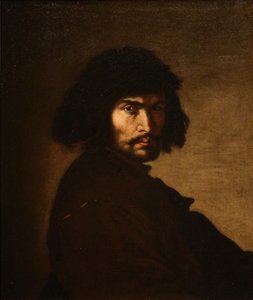
サルヴァトール・ローザ
1615 - 1673 , イタリア
基本情報
- Artistic Movement Or Style: バロック美術
- Artists Or Movements Influenced By This Artist: ['ルカ・ジョルダーノ']
- Artists Who Influenced This Artist: ['ホセ・デ・リベラ']
- Date Of Birth: 1615年6月20日
- Date Of Death: 1673年
- Full Name: サルヴァトーレ・ローザ
- Nationality: イタリア人
- Notable Artworks:
- 地獄の光景
- エウヌコの洗礼
- Place Of Birth (City And Country): ナポリ、イタリア
関連記事
Salvator Rosa: A Baroque Rebel's Vision of Landscape, Allegory & the Human Condition
Explore the captivating world of Salvator Rosa, a rebellious Baroque master. Discover his dramatic landscapes, allegorical paintings & lasting influence on Romanticism. Hand-painted reproductions available at ArtsDot.

ロマン派ランドスケープ:時代を彩る巨匠の10選|アートとインテリアの世界
ロマン派絵画の時代を彩る10選。巨匠たちの風景が織りなす感動の世界へ。ターナー、ルーベンスなど、名作の裏話と高精細複製でアートをお部屋に。ArtsDot.comで至福のアート体験を。

Evocations of Place: A Historical Journey Through Landscape Art
Explore the rich history of landscape art with ArtsDot. Discover renowned artists, movements like Impressionism & Romanticism, and expert guidance for collecting timeless pieces. Find your perfect serene escape today!

ジョン・コンスタブルの傑作25選:英国風景画の巨匠が描く自然と光の詩 | ArtsDot
ジョン・コンスタブルの傑作25選。英国風景画の巨匠が描く自然と光の詩の世界へ。ロマン主義を代表する絵画、デダム・ヴェールやヘイ・ウェインなど、ArtsDotで高品質なアートプリントをお楽しみください。インテリアに深みと感動を。コレクションはこちら。
Cornelis van Poelenburch: Bridging Mannerism & the Dutch Baroque Landscape
Discover Cornelis van Poelenburch, a pivotal Dutch Baroque landscape painter bridging Mannerism & Italianate styles. Explore his life, key works, and lasting influence on 17th-century art with ArtsDot.