 プレビュー
プレビュー
 シェアする
シェアする シェアする
シェアする
 詳細を見る
詳細を見る

 ダウンロード
 似ている作品
 X線調査
X線調査 スライドショー
 Stats
StatsYouth with An Effigy of Diana of Ephesus


 詳細を見る
詳細を見る
手描き油彩複製画
当社のアーティストが、お客様のご希望のサイズと額縁に合わせて、キャンバスに手描きで制作する油彩画です。 ( Switch to Print Switch to Digital Image)




P118B $10

P118H $10

P118W $10

P438Z $10

P508JH $12

P508YH $12

P805H $10

P805Z $10

P919BZ $10

P919G $10

P919XJ $10

P959ZH $10

P968JZ $12

W106C $8

W218G $10

W218JH $8

W218Y $10

W307PJ $10

W316G $10

W316PJ $8

W316Y $10

W398PJ $8

W4111J $10

W500HY $15

W500JH $15

W692G $12

W849H $8

W940BG $15

W953PJ $8




作品のオリジナル比率に合わせた、当店の規定サイズからお選びください。

特定のフレームやスペースに合わせて、ご希望のサイズをご入力いただけます。選択されたサイズが元の画像の比率と異なる場合、アートワークをトリミングするか、手描きで要素を追加して絵画を拡張いたします。デジタルモックアップ を制作し、制作開始前にご確認(承認)をいただきます。
画面上のプレビューは、実際のトリミングや拡張を正確に反映しているものではありません。最終的な構図は、モックアップによってのみ正確にご確認いただけます。
カスタムサイズもご利用いただけますが、元の比率を維持するためには、あらかじめ用意されたリストからサイズを選択することをお勧めいたします。
ご注文後、ArtsDot.com チームより詳細な指示をお送りするとともに、仕上がりイメージ(モックアップ)をご提供いたします。


 ガラスオプションは、110cm未満のサイズでのみご利用いただけます。

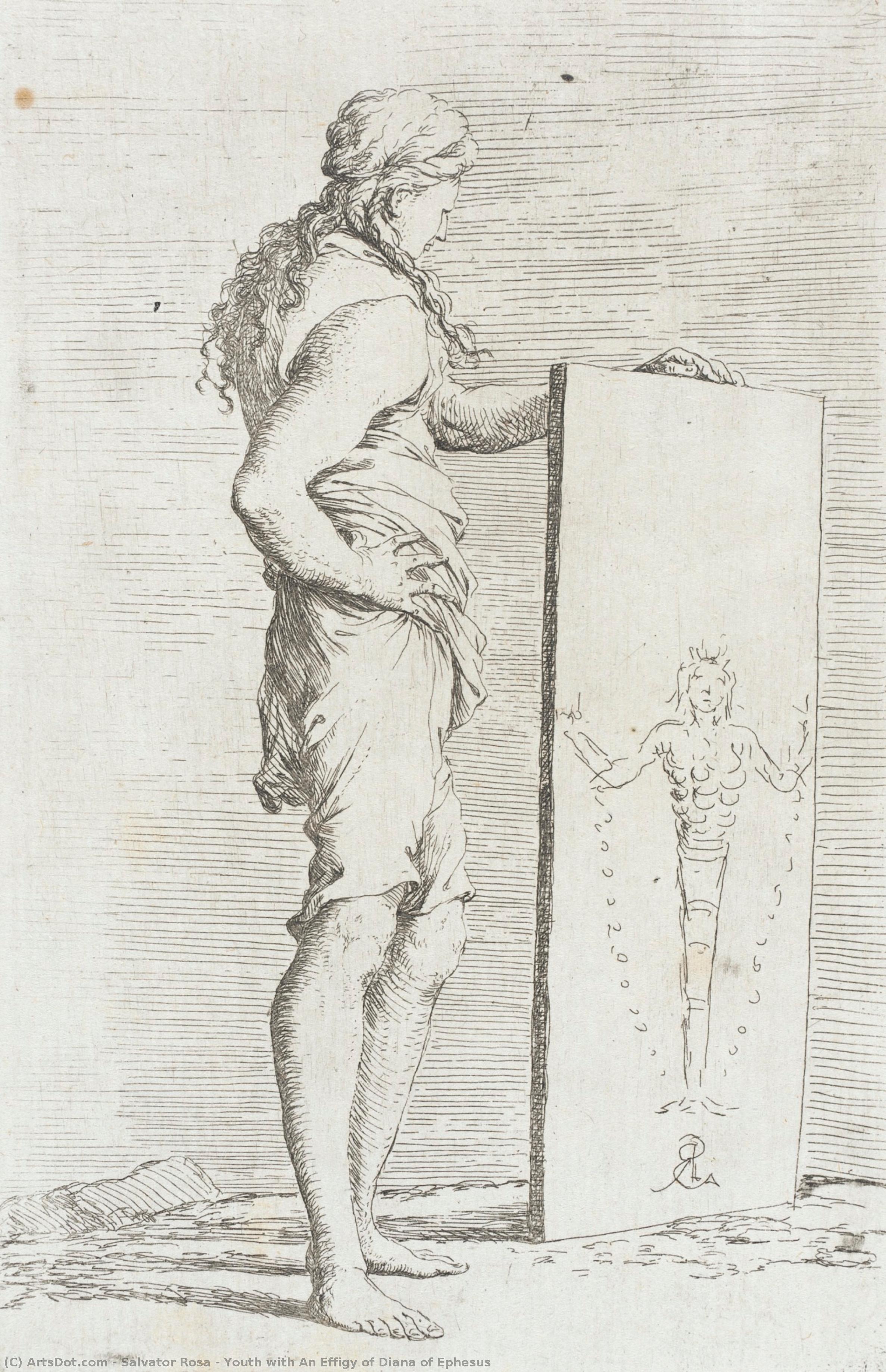
Youth with An Effigy of Diana of Ephesus
複製技法
複製画のサイズ
-


合計金額
$ 263
Salvator Rosa’s “Youth with an Effigy of Diana of Ephesus”: A Baroque Meditation on Myth and Mortality
Salvator Rosa's "Youth with an Effigy of Diana of Ephesus," painted in 1657, is not merely a portrait; it’s a carefully constructed tableau brimming with symbolic weight and the quiet intensity characteristic of the late Baroque period. The painting immediately draws the eye to its central figure – a young man, rendered in exquisite detail against a subtly textured background – who stands poised before an intricately sculpted representation of Diana, the Roman goddess of the hunt, wilderness, and the moon. This isn’t a scene of heroic action or dramatic narrative; instead, it's a moment of contemplative observation, inviting us to ponder the relationship between youth, mythology, and perhaps even mortality itself.
Rosa masterfully employs the techniques honed during his extensive training in Naples and Rome. The composition is dominated by strong vertical lines, mirroring the rectangular panel upon which Diana’s effigy rests. This deliberate structure lends a sense of formality and gravitas to the scene. Hatching and cross-hatching are used with remarkable precision to create subtle gradations of light and shadow, imbuing the figures with a palpable three-dimensionality. The artist's use of line is particularly noteworthy; it’s not simply delineating forms but actively shaping the viewer’s perception, guiding their gaze across the canvas.
The Goddess and Her Symbolism
Diana, depicted here in a strikingly realistic style—a departure from the idealized representations common in earlier classical art—is far more than just a mythological figure. She embodies fertility, protection, and the untamed forces of nature. The multiple breasts adorning her sculpted form are a potent symbol of abundance and nourishment, directly referencing Diana’s role as the protector of women and children. Her gaze is averted, suggesting introspection or perhaps a quiet sadness—a common theme in Rosa's work, often reflecting on the transience of beauty and life.
The choice of Diana herself carries significant weight within the context of 17th-century Italy. The goddess was deeply intertwined with Roman religious practices, particularly those associated with the Aventine Hill in Rome, a site considered sacred to her. Rosa’s depiction subtly echoes this ancient connection, grounding the scene in a rich tapestry of historical and mythological references. The inclusion of the effigy on a rectangular panel further reinforces this connection to classical art and tradition.
A Portrait of Contemplation
The young man before Diana is equally enigmatic. He’s dressed in the attire of a Roman youth, suggesting a connection to the ideals of civic virtue and military prowess—values highly prized during the Baroque era. However, his posture – slightly turned away from the viewer, with a thoughtful expression – hints at a deeper introspection. He isn't actively engaging with Diana; rather, he’s observing her, perhaps contemplating her role in the cycle of life and death, or reflecting on his own place within the grand scheme of things.
Rosa skillfully uses light to heighten this sense of contemplation. A strong directional light source illuminates the youth's face and upper body, casting subtle shadows that define his form and create a sense of depth. This dramatic lighting is characteristic of Baroque painting, designed to evoke emotion and draw the viewer’s attention to key elements within the composition.
Historical Context and Artistic Legacy
"Youth with an Effigy of Diana of Ephesus" was created during a period of significant artistic and political upheaval in Italy. The Counter-Reformation had just concluded, and the Catholic Church was actively seeking to reassert its authority through art and architecture. Rosa’s work reflects this dynamic—a blend of classical influences, religious symbolism, and personal expression. His willingness to depict human figures with unflinching realism, coupled with his masterful use of technique, established him as one of the most important artists of the Baroque period.
Reproductions of this captivating artwork offer a remarkable opportunity to bring Rosa’s profound meditations on myth, mortality, and the human condition into your own space. The painting's rich textures, dramatic lighting, and evocative symbolism will undoubtedly add depth and intrigue to any interior design scheme, serving as a timeless reminder of the enduring power of art.
関連作品
アーティストの略歴
生い立ちと教育
サルヴァトール・ローザは、1615年6月20日または7月21日にナポリ近郊のアレネッラで生まれました。母親のジュリア・グレカ・ローザはシチリア出身のギリシャ系の名家でした。父親は彼に弁護士や聖職者の道を進めて望んでいましたが、サルヴァトールは幼い頃から芸術への強い関心を示しました。彼は当初、ジョヴァンニ・ドメニコ・カラヴァッジョの工房で絵画を学び始めましたが、すぐに独自のスタイルを追求するようになりました。ナポリでの初期の経験は、彼の後の作品に大きな影響を与え、特に光と影の劇的な表現や、現実主義的な人物描写にその痕跡を見ることができます。芸術的キャリア
サルヴァトール・ローザの芸術的キャリアは、同時代の人々とは異なる型破りで華麗なスタイルによって特徴づけられました。彼はナポリ、ローマ、フィレンツェで活躍し、リベラの自然主義とプーサンの古典主義の影響を受けました。しかし、特定のスタイルや運動に縛られることを拒否しました。彼の作品は風景画、歴史画、風俗画など多岐にわたり、その大胆な構図、力強い筆致、そして深い感情表現が特徴です。特に有名な作品の一つである「冥府から現れるピュタゴラス」(フォートワース、キンベル美術館)は、彼の哲学的なテーマと芸術的才能の融合を示しています。「洗礼者エウヌコの洗礼」(ノーフォーク、クライスラー美術館)は、ささやかな聖書の物語にさえもドラマチックな要素を注入する彼の能力を実証しています。ローザはまた、優れた詩人であり版画家でもあり、その多才さは彼を同時代の芸術家たちから際立たせました。影響と遺産
サルヴァトール・ローザの作品は、バロック美術の発展に大きな影響を与えました。彼の風景画は、後のロマン主義の画家たちにインスピレーションを与え、特に自然の力強さや人間の感情とのつながりを描く点においてその影響を見ることができます。また、彼の版画は広く流通し、ヨーロッパ各地の芸術家たちに彼のスタイルを広める役割を果たしました。ルカ・ジョルダーノのような後世の芸術家たちは、ローザの境界線を押し広げる表現方法を受け継ぎ、バロック美術の新たな可能性を探求しました。重要なリンク
結論
サルヴァトール・ローザの生涯と作品は、今日でも多くの芸術愛好家や歴史研究家の関心を集めています。彼の型破りなスタイルと時代規範に対する絶え間ない反逆精神は、バロック美術史における彼の地位を確固たるものにしました。画家、詩人、版画家として、彼は謎めいた人物であり続け、その作品は新しい世代の芸術家や芸術愛好家にインスピレーションを与え続けています。キンベル美術館(フォートワース)とクライスラー美術館(ノーフォーク)などの美術館には、彼の代表作が所蔵されており、彼の才能と創造性を今に伝えています。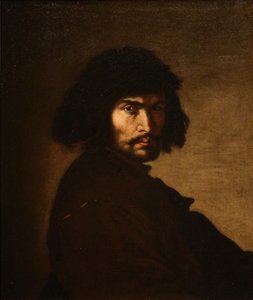
サルヴァトール・ローザ
1615 - 1673 , イタリア
基本情報
- Artistic Movement Or Style: バロック美術
- Artists Or Movements Influenced By This Artist: ['ルカ・ジョルダーノ']
- Artists Who Influenced This Artist: ['ホセ・デ・リベラ']
- Date Of Birth: 1615年6月20日
- Date Of Death: 1673年
- Full Name: サルヴァトーレ・ローザ
- Nationality: イタリア人
- Notable Artworks:
- 地獄の光景
- エウヌコの洗礼
- Place Of Birth (City And Country): ナポリ、イタリア
関連記事

Etching: A Historical Survey of Technique, Aesthetic Qualities & Enduring Artistic Significance
Explore the rich history of etching, from its origins to Rembrandt's masterful innovations. Discover the technique, aesthetic qualities & enduring legacy of this captivating art form. Expert insights for collectors and enthusiasts.
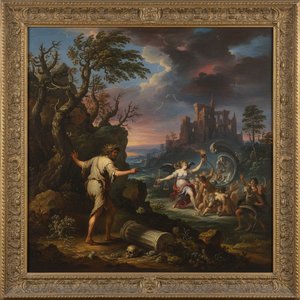
Salvator Rosa: A Baroque Rebel's Vision of Landscape, Allegory & the Human Condition
Explore the captivating world of Salvator Rosa, a rebellious Baroque master. Discover his dramatic landscapes, allegorical paintings & lasting influence on Romanticism. Hand-painted reproductions available at ArtsDot.
The Intricate World of Etching: A Historical Survey of Technique, Aesthetic Evolution, and Enduring Artistic Impact
Explore the rich history of etching, from its origins to modern practice. Discover techniques, key artists like Rembrandt, and insights for collectors. A comprehensive guide by ArtsDot.

バロックのドラマ:現代のインテリアに壮麗さと情感を取り込む
バロック様式の歴史、絵画、家具の魅力をご紹介。ArtsDotでは、高品質な油絵複製やカスタムポートレートをご提供し、現代のインテリアに壮麗さと情感を取り入れます。アートコンサルテーションも承ります。
Etching Masters: 10 Legendary Prints That Revolutionized Art | ArtsDot
Journey through 10 legendary etching masterpieces by Rembrandt, Dürer & Goya. Explore the history of printmaking and discover timeless art for your home. Find museum-quality reproductions at ArtsDot.com.