

 プレビュー
プレビュー
 シェアする
シェアする シェアする
シェアする
 詳細を見る
詳細を見る

 ダウンロード
 似ている作品
 X線調査
X線調査 スライドショー
 統計情報
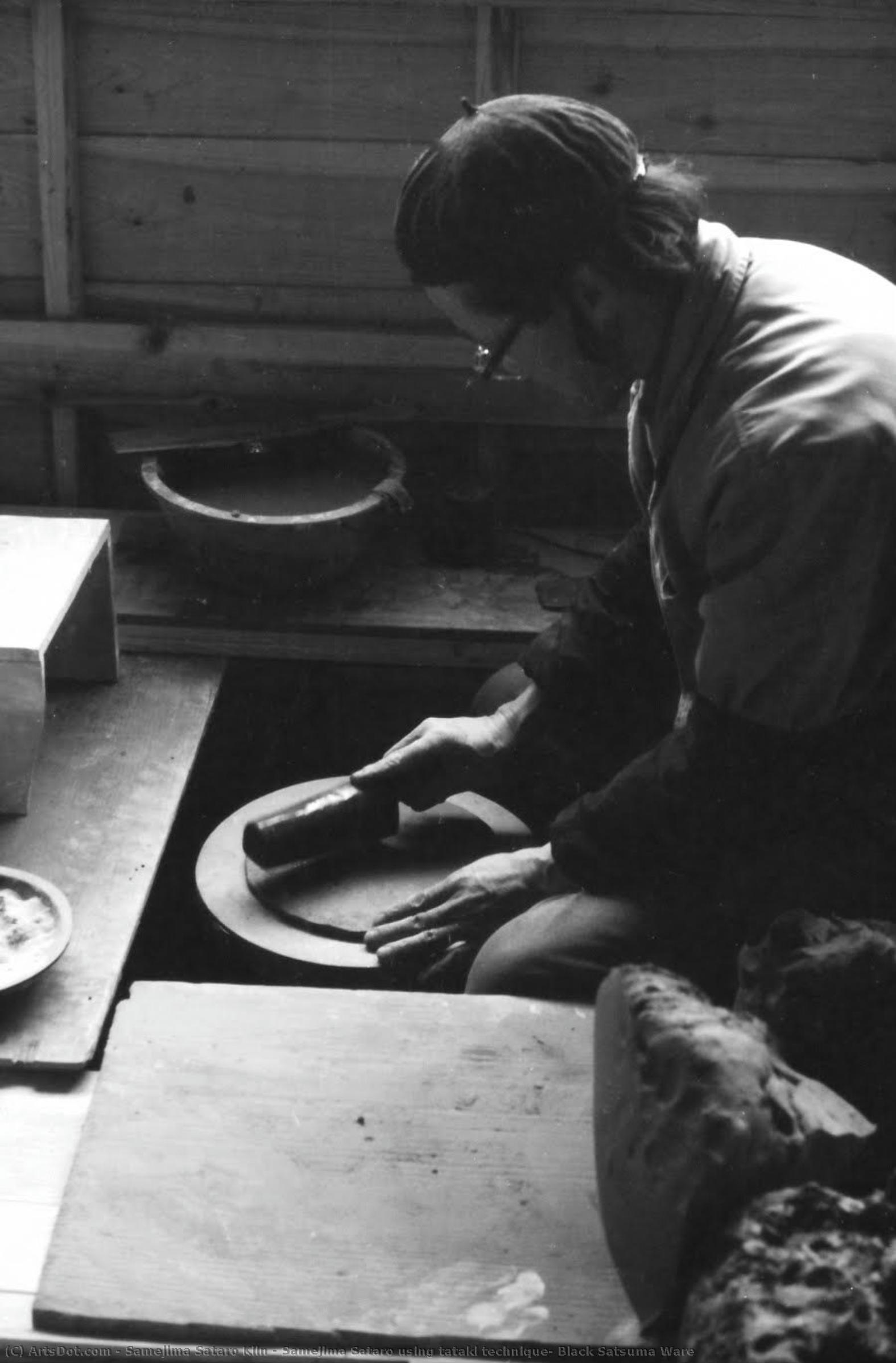
統計情報Samejima Sataro using tataki technique, Black Satsuma Ware

 詳細を見る
詳細を見る
手描き油彩複製画
当社のアーティストが、お客様のご希望のサイズと額縁に合わせて、キャンバスに手描きで制作する油彩画です。 ( プリント版に切り替え デジタル画像販売へ切り替え)




































作品のオリジナル比率に合わせた、当店の規定サイズからお選びください。

特定のフレームやスペースに合わせて、ご希望のサイズをご入力いただけます。選択されたサイズが元の画像の比率と異なる場合、アートワークをトリミングするか、手描きで要素を追加して絵画を拡張いたします。デジタルモックアップ を制作し、制作開始前にご確認(承認)をいただきます。
画面上のプレビューは、実際のトリミングや拡張を正確に反映しているものではありません。最終的な構図は、モックアップによってのみ正確にご確認いただけます。
カスタムサイズもご利用いただけますが、元の比率を維持するためには、あらかじめ用意されたリストからサイズを選択することをお勧めいたします。
ご注文後、ArtsDot.com チームより詳細な指示をお送りするとともに、仕上がりイメージ(モックアップ)をご提供いたします。


 ガラスオプションは、110cm未満のサイズでのみご利用いただけます。

Samejima Sataro using tataki technique, Black Satsuma Ware
複製技法
複製画のサイズ
-


合計金額
$ 263
関連作品









アーティストの略歴
The Legacy of Naeshirogawa: Samejima Sataro and the Revival of Black Satsuma Ware
Born in 1934 in the remote village of Nasu, Japan, Samejima Sataro embodies a profound connection to his ancestral craft. His story isn’t simply that of an artist; it's a testament to preserving a cultural heritage deeply rooted in the volcanic soils and time-honored traditions of Naeshirogawa. Sataro didn’t seek out artistry initially—he inherited it, stepping into the family pottery business established generations prior. However, his path took a pivotal turn when he joined the studio of Samejima Tsukasa in 1936, marking the beginning of formal training and an immersion into the world of ceramics. This apprenticeship culminated in completion of studies at the Kyoto Ceramic Research Institute, solidifying his technical foundation while simultaneously igniting a passion for innovation within tradition.Tataki Technique: Echoes of Korean Potters
The hallmark of Samejima Sataro’s work lies in his masterful application of the tataki technique. This distinctive method, characterized by rhythmic hammering and shaping of clay vessels, isn't merely a stylistic choice; it is a direct link to the 16th-century Korean potters who first introduced it to Japan. Around 420 years ago, these artisans brought with them not only their skills but also a unique aesthetic sensibility that profoundly influenced Japanese ceramics. Sataro doesn’t simply replicate this technique—he elevates it. His large jars and flowerpots, born from the forceful yet controlled impact of the hammer, possess an organic quality, a raw energy that speaks to the earth itself. The process is physically demanding, requiring immense strength and precision, but the resulting forms are imbued with a captivating dynamism. The imperfections inherent in tataki—the subtle variations in texture, the uneven surfaces—are not flaws, but rather celebrated as evidence of the artist’s hand and the unpredictable nature of the material.Black Satsuma Ware: A Remote Village's Pride
Sataro is particularly renowned for his dedication to black satsuma ware, a ceramic tradition historically associated with Naeshirogawa. This isn’t simply about producing aesthetically pleasing objects; it’s about safeguarding the identity of a community. For decades, he has been instrumental in keeping this unique style alive, working within the remote village and fostering a sense of continuity between generations of potters. The black color itself is achieved through meticulous control of the firing process, utilizing local clays and wood-firing techniques that demand deep understanding and experience. This commitment to traditional methods distinguishes his work from more commercially driven ceramic production. His pieces are not mass-produced; each one is a unique expression of time, place, and skill.Artistic Development & Historical Significance
Sataro’s artistic journey has been marked by a consistent exploration of form and texture within the constraints of tradition. While deeply respectful of his predecessors, he hasn't shied away from experimentation, subtly pushing the boundaries of black satsuma ware while remaining true to its core aesthetic principles. His work represents a crucial bridge between past and present—a living embodiment of Japanese ceramic history. In an era increasingly dominated by globalization and homogenization, Sataro’s dedication to local materials, traditional techniques, and community-based artistry is particularly significant. He has become a highly respected figure in the world of ceramics, not only for his technical prowess but also for his unwavering commitment to preserving a vital cultural legacy. His pieces are sought after by collectors and museums alike, serving as powerful reminders of the enduring beauty and importance of handcrafted art.Major Achievements & Continuing Influence
While specific awards or accolades may not define Sataro’s success, his lasting achievement lies in the revitalization of black satsuma ware and the preservation of the tataki technique. He has inspired a new generation of potters to embrace traditional methods and value the unique character of handcrafted ceramics. His studio continues to operate in Naeshirogawa, serving as a center for learning and artistic innovation.- Preservation of Black Satsuma Ware tradition.
- Masterful application of the Tataki technique.
- Commitment to community-based artistry in Naeshirogawa.
- Influence on contemporary Japanese ceramic artists.
samejima sataro kiln
1934 - , Japan
基本情報
- Artistic Movement Or Style: Traditional Ceramics
- Artists Who Influenced This Artist: ['Samejima Tsukasa']
- Date Of Birth: 1934
- Full Name: Samejima Sataro Kiln
- Nationality: Japanese
- Notable Artworks:
- Black Satsuma Ware pieces
- Tataki technique pottery
- Place Of Birth: Nasu, Japan