

 シェアする
シェアする シェアする
シェアする
 詳細を見る
詳細を見る

 ダウンロード
 似ている作品
 スライドショー
 統計情報
統計情報Pendant with chain


 詳細を見る
詳細を見る
ジークレー/アートプリント
迅速な制作と多彩な仕上げオプションを備えた、ミュージアムクオリティのジークレーまたはキャンバスプリント。 ( 手描きの絵画を購入 デジタル画像販売へ切り替え)




































作品のオリジナル比率に合わせた、当店の規定サイズからお選びください。

特定のフレームやスペースに合わせて、ご自身でサイズを指定することも可能です。選択されたサイズが元の画像の比率と一致しない場合、作品をトリミングするか、鏡面反射または単色での塗りつぶしによって画像を拡張いたします。制作を開始する前に、ご確認用のデジタルモックアップをお送りいたします。
画面上のプレビューには、実際のトリミングや拡張は反映されませんのでご注意ください。最終的な構図を正確に確認できるのは、モックアップのみとなります。
カスタムサイズも承っておりますが、元の比率を維持するためには、あらかじめ用意されたリストからサイズを選択することをお勧めいたします。


 ガラスオプションは、110cm未満のサイズでのみご利用いただけます。

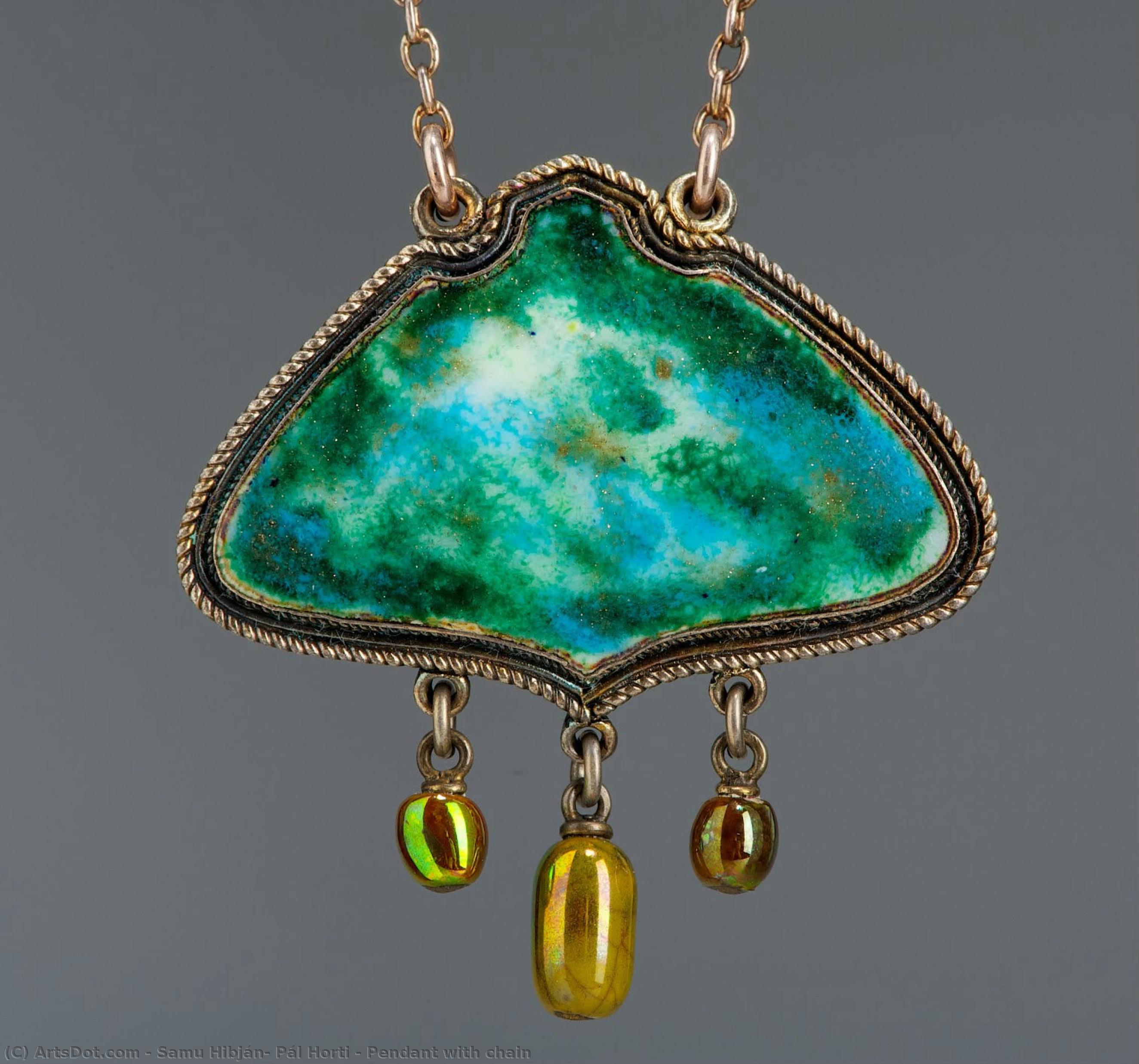
Pendant with chain
ジークレー/アートプリント
複製画のサイズ
-


合計金額
$ 62
A Symphony of Enamel and Light
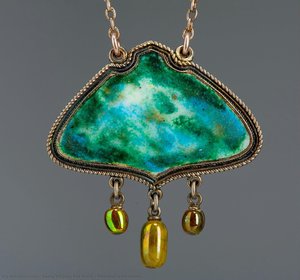
In the delicate dance of light and color, few objects capture the ephemeral beauty of the Hungarian Secession movement as intimately as this exquisite Pendant with chain. Created around 1902 by the visionary masters Samu Hibján and Pál Horti, this piece is not merely an ornament but a miniature masterpiece of industrial art. The pendant, a graceful triangular form with softly rounded corners, presents a mesmerizing surface of bright, marbled green enamel that seems to pulse with an inner vitality. As the eye wanders across its rimmed edges, one discovers the profound mastery of aventurine enamel—a technique that imbues the glass with a shimmering, crystalline depth, reminiscent of sunlight filtering through a forest canopy.
The artistry extends beyond the central stone to the rhythmic movement of the three beads suspended from its base. Coated in a luminous green eozin glaze, these droplets catch the light with every motion, creating a sense of kinetic elegance. This specific use of eozin glaze, alongside the application of mother-of-pearl beneath the enamel, represented a daring frontier in jewelry design at the turn of the century. To behold this piece is to witness a moment in history where chemistry and craftsmanship converged to create something truly transcendent.
The Spirit of Hungarian Innovation
To understand the soul of this pendant, one must look to the vibrant cultural landscape of early 20th-century Hungary. This era was defined by a fervent desire to merge traditional craftsmanship with modern, avant-garde aesthetics. Hibján and Horti were at the very heart of this revolution, showcasing their groundbreaking work at prestigious venues such as the 1902 Christmas exhibition of the National Hungarian Society for Applied Arts and the Torino International Exhibition. Their collaboration bridged the gap between fine art and functional design, proving that even a small piece of jewelry could carry the weight of an entire movement's ambition.
The technical prowess displayed here—the marriage of wire-rimmed precision with the experimental Zsolnay eozin glaze—serves as a testament to their role as pioneers. For the discerning collector or interior designer, this piece offers more than just aesthetic pleasure; it provides a tangible connection to the Art Nouveau spirit, where every curve and color choice was an intentional step toward a new visual language. It is a relic of an age that celebrated the marriage of nature's organic forms with the sophisticated precision of industrial progress.
A Timeless Legacy for the Modern Collector
For those seeking to infuse their collections or curated spaces with a sense of historical depth and refined elegance, this pendant serves as an incomparable inspiration. Its palette of deep greens and luminous blues evokes a serene, organic atmosphere that complements both classical and contemporary settings. Whether appreciated as a standalone treasure or as part of a larger collection of fine decorative arts, the piece radiates a sophisticated charm that transcends time.
Owning a high-quality reproduction of such a significant work allows one to celebrate the enduring legacy of Hibján and Horti. It invites a daily encounter with the brilliance of the Hungarian Secession, bringing the luster of 1902 into the modern era. This is an invitation to embrace the intricate, the luminous, and the profoundly beautiful—a piece that continues to captivate the heart and ignite the imagination of art lovers worldwide.
関連作品

アーティストの略歴
The Luminous Legacy of Samu Hibján and Pál Horti
At the dawn of the twentieth century, a transformative energy swept through the heart of Europe, giving rise to the Hungarian Secession movement—a period where traditional craftsmanship met the avant-garde spirit of modernity. Standing as twin beacons of this artistic revolution were Samu Hibján and Pál Horti. Their collaborative journey was more than a mere partnership; it was a profound convergence of two distinct yet complementary visions that helped redefine Hungary's visual identity. While Hibján brought the delicate, intricate mastery of enamel and jewelry design, Horti expanded these aesthetic principles into the broader realms of industrial design and decorative arts, creating a cohesive language of elegance that bridged the gap between fine art and functional beauty.
The artistic soul of Samu Hibján was forged in the rigorous traditions of goldsmithing. After honing his skills through apprenticeships with renowned masters, he sought further refinement at the Applied Arts School in Vienna. This classical foundation, however, did not tether him to the past; instead, it provided the technical discipline necessary to experiment with daring new frontiers. Hibján became a pioneer in the use of aventurine enamel, a technique that imbued glass with a shimmering, crystalline depth reminiscent of sunlight filtering through a forest canopy. His work was deeply evocative, often drawing inspiration from organic motifs and the flowing, rhythmic lines characteristic of Art Nouveau. By incorporating elements of Hungarian folklore and national identity into his precious ornaments, he ensured that his pieces were not only aesthetically stunning but also deeply resonant with the cultural heartbeat of his homeland.
A Symphony of Technique and Ornamentation
The brilliance of the Hibján-Horti collaboration is perhaps most vividly captured in their exquisite jewelry and decorative objects, which functioned as miniature masterpieces of industrial art. Their work often utilized a sophisticated interplay of light and texture to create a sense of kinetic elegance. One might contemplate a delicate pendant from 1902, where a triangular form of marbled green enamel pulses with an inner vitality. Through the masterful application of eozin glaze and the strategic placement of mother-of-pearl beneath translucent layers, they achieved a luminous effect that seemed to change with every movement of the wearer.
This mastery of chemistry and craftsmanship allowed them to push the boundaries of what was possible in decorative arts. Their achievements were not confined to private ateliers but were celebrated on the international stage. Significant milestones included:
- The 1902 Christmas Exhibition: Organized by the National Hungarian Society for Applied Arts, this event served as a landmark moment that elevated Hungarian enamel artistry to global prominence.
- International Recognition: Their groundbreaking designs were showcased at prestigious venues such as the Torino International Exhibition, proving that Hungarian innovation could compete with the finest European traditions.
- The Fusion of Disciplines: The seamless integration of Horti’s expertise in furniture and interior decoration with Hibján’s jewelry design created a holistic aesthetic environment for the modern Hungarian home.
Historical Significance and Enduring Influence
The historical importance of Samu Hibján and Pál Horti lies in their ability to navigate the tension between tradition and progress. They lived through an era of dramatic transformation, where the rise of industrialization threatened to strip objects of their soul. In response, they championed a movement that celebrated the hand of the artist within the framework of modern design. Their work embodied the spirit of the Hungarian Secession—a movement characterized by a fervent desire to merge ancestral craftsmanship with the sleek, organic aesthetics of the new century.
Today, their legacy remains etched in the shimmering surfaces of the enamels they perfected and the structural elegance of the decorative arts they pioneered. They did not merely create ornaments; they crafted symbols of a national renaissance. To behold a piece by Hibján and Horti is to witness a moment in history where art, science, and culture converged to create something truly transcendent, leaving behind a timeless artistic heritage that continues to inspire awe in the hearts of collectors and historians alike.
samu hibján, pál horti
Hungary
基本情報
- Artistic Movement Or Style: Hungarian Secession
- Artists Or Movements Influenced By This Artist: ['Vienna Secession']
- Artists Who Influenced This Artist: ['Gyula Háry']
- Date Of Birth: 1864
- Date Of Death: 1919
- Full Name: Samu Hibján, Pál Horti
- Nationality: Hungarian
- Notable Artworks: ['Pendant with chain']
- Place Of Birth: Hungary
関連記事
Chrome Green Masterpieces: 10 Famous Paintings & Their Alluring Hues |
Explore 10 famous paintings where 'Chrome Green' reigns supreme! Discover Monet, Manet & Van Gogh’s masterpieces. Learn the stories behind these iconic artworks and find museum-quality art reproductions for your home at .
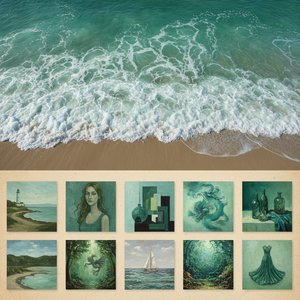
Seafoam & Masterpieces: 10 Paintings Dominated by Medium Sea Green | ArtsDot
Dive into serenity with 10 famous paintings bathed in calming medium sea green. Explore Impressionist masterpieces by Monet, Degas & Renoir. Find museum-quality art reproductions and elevate your home decor at ArtsDot.com.
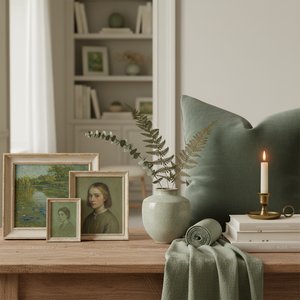
Sage Green Masterpieces: 10 Famous Paintings & Timeless Decor Inspiration
Explore 10 famous paintings dominated by serene sage green tones! Discover Monet, Renoir & Manet masterpieces. Learn art history & find museum-quality reproductions for your home decor on .
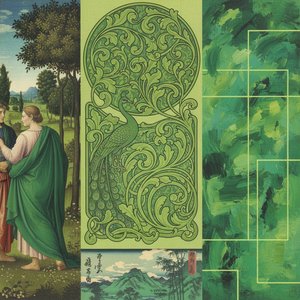
Verdant Visions: Exploring the Symbolism & Aesthetic Impact of Green in Art History
Explore the rich history & symbolism of green in art! Discover iconic paintings, techniques, and how to bring verdant harmony into your home with ArtsDot's expert guide.
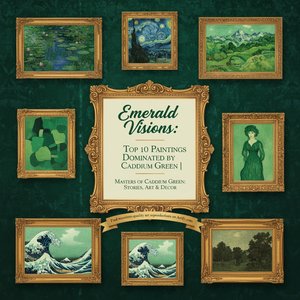
Emerald Visions: Top 10 Paintings Dominated by Cadmium Green |
Explore 10 iconic paintings where cadmium green reigns supreme! From Monet to Van Gogh, discover the stories behind these masterpieces & the power of color. Find museum-quality art reproductions and elevate your home decor on .