

 プレビュー
プレビュー
 シェアする
シェアする シェアする
シェアする
 詳細を見る
詳細を見る

 ダウンロード
 似ている作品
 X線調査
X線調査 スライドショー
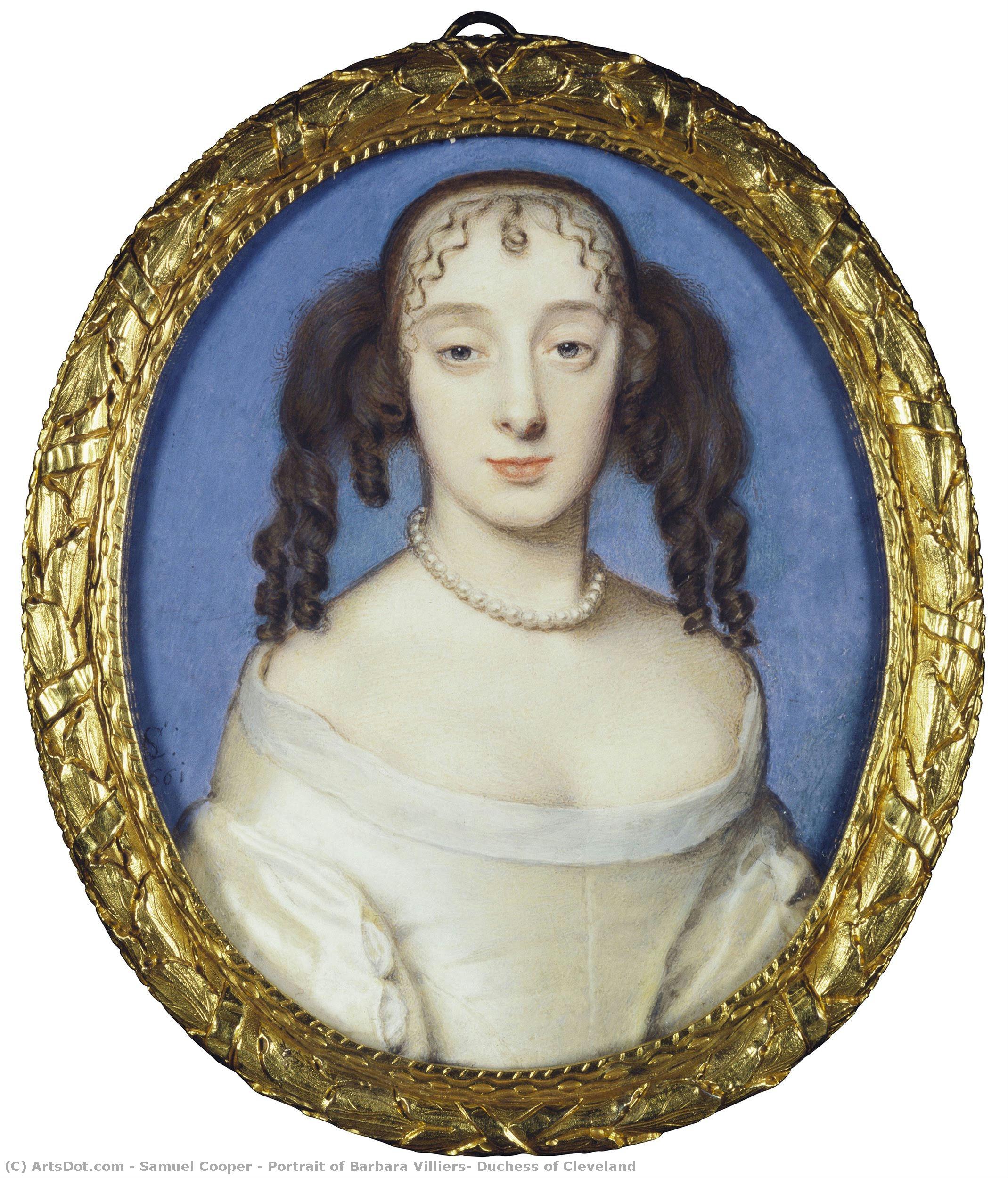
Portrait of Barbara Villiers, Duchess of Cleveland


 詳細を見る
詳細を見る
ジークレー/アートプリント
迅速な制作と多彩な仕上げオプションを備えた、ミュージアムクオリティのジークレーまたはキャンバスプリント。 ( 手描きの絵画を購入 画像を購入)




P118B $10

P118H $10

P118W $10

P438Z $10

P508JH $12

P508YH $12

P805H $10

P805Z $10

P919BZ $10

P919G $10

P919XJ $10

P959ZH $10

P968JZ $12

W106C $8

W218G $10

W218JH $8

W218Y $10

W307PJ $10

W316G $10

W316PJ $8

W316Y $10

W398PJ $8

W4111J $10

W500HY $15

W500JH $15

W692G $12

W849H $8

W940BG $15

W953PJ $8




作品のオリジナル比率に合わせた、当店の規定サイズからお選びください。

特定のフレームやスペースに合わせて、ご自身でサイズを指定することも可能です。選択されたサイズが元の画像の比率と一致しない場合、作品をトリミングするか、鏡面反射または単色での塗りつぶしによって画像を拡張いたします。制作を開始する前に、ご確認用のデジタルモックアップをお送りいたします。
画面上のプレビューには、実際のトリミングや拡張は反映されませんのでご注意ください。最終的な構図を正確に確認できるのは、モックアップのみとなります。
カスタムサイズも承っておりますが、元の比率を維持するためには、あらかじめ用意されたリストからサイズを選択することをお勧めいたします。


 ガラスオプションは、110cm未満のサイズでのみご利用いただけます。

Portrait of Barbara Villiers, Duchess of Cleveland
ジークレー/アートプリント
複製画のサイズ
-


合計金額
$ 62
Portrait of Barbara Villiers, Duchess of Cleveland
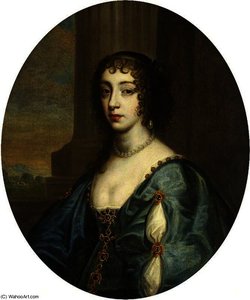
Samuel Cooper’s depiction of Barbara Villiers remains an arresting testament to Baroque portraiture—a visual echo of the turbulent political landscape that birthed it. Completed circa 1661, during Charles II's reign, this miniature transcends mere likeness; it embodies ambition, defiance, and a calculated seduction that captivated both the King and his court. Measuring approximately six inches square, Cooper’s meticulous attention to detail elevates the image beyond a simple depiction of appearance, transforming it into a psychological portrait imbued with symbolic resonance.- Subject Matter: The painting portrays Barbara Villiers, Duchess of Cleveland, dressed in opulent gold attire—a deliberate choice reflecting her elevated social status and signaling her desire for recognition within the royal circles. Her gaze directs firmly toward the viewer, conveying an assertive confidence that belies the precarious position she occupied as a woman navigating the complexities of courtly intrigue.
- Style & Technique: Cooper’s masterful use of oil paint on ivory exemplifies the Baroque aesthetic—characterized by dramatic chiaroscuro (contrast between light and dark), rich textures, and idealized beauty. The artist skillfully captures Barbara Villiers' facial features with remarkable accuracy, emphasizing her expressive eyes and subtly sculpted cheekbones.
- Historical Context: This portrait emerged from a period of intense political upheaval following the Restoration—a time when Charles II sought to revive the glory days of his father’s reign amidst Puritan opposition. Barbara Villiers’ affair with the King was fraught with scandal and fueled by rivalries within the royal family, highlighting the pervasive influence of personal ambition on public affairs.
- Symbolism: The gold dress symbolizes wealth and power—a visual assertion of Barbara Villiers' desire to secure her position at court. Her pearl necklace represents purity and virtue—a carefully crafted image designed to counteract perceptions of impropriety. Furthermore, the diamond-set crucifix worn around her neck speaks to her Catholic faith—a symbol of defiance against the dominant Protestant ethos of the era.
- Emotional Impact: The painting’s subdued palette—dominated by blues and golds—creates an atmosphere of elegance and restraint that subtly underscores Barbara Villiers' inner turmoil. Despite the grandeur of her attire, Cooper captures a flicker of vulnerability in her gaze—suggesting that beneath the surface lies a woman grappling with ambition, desire, and the pressures of royal life.
関連作品

アーティストの略歴
Samuel Cooper: The Quintessential Baroque Miniature Painter
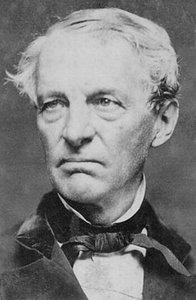
Samuel Cooper (1609 – May 5, 1672) stands as arguably the most celebrated miniature painter of his era—the 17th century—a testament to his unparalleled skill and dedication to capturing the essence of portraiture in exquisitely detailed canvases no larger than six inches square. Born in London, he was a nephew of John Hoskins, the renowned miniature artist himself, receiving an education steeped in artistic tradition that would profoundly shape his career trajectory. His life unfolded amidst the vibrant intellectual and social currents of Restoration England, where he cultivated friendships with luminaries like Oliver Cromwell and Samuel Pepys, figures whose patronage undoubtedly bolstered his reputation and artistic output.- Early Life & Education: Cooper’s formative years were spent under Hoskins' tutelage, immersing him in the techniques of oil painting on ivory and gilt—the favored mediums for miniature portraits during this period. This grounding in classical artistry instilled a meticulous approach to his craft that would become synonymous with his oeuvre.
- Musical Talent & Societal Connections: Beyond his artistic prowess, Cooper possessed considerable musical talent, mastering the lute and demonstrating fluency in French—skills indicative of the cosmopolitan environment he inhabited. His association with Pepys, the naval administrator and diarist, provides invaluable insight into the cultural landscape of London during the Restoration, highlighting Cooper’s engagement with intellectual discourse and artistic innovation.
- Marriage & Family: He married Christiana, whose portrait resides at Welbeck Abbey, establishing a domestic life that mirrored his artistic pursuits. Notably, Edith, his daughter-in-law, was the mother of Alexander Pope—a connection that underscores Cooper’s role as a participant in the broader artistic and literary milieu of England.
A Master of Baroque Technique & Portraiture
Cooper's artistic style firmly embraced the Baroque aesthetic—characterized by dramatic chiaroscuro, opulent ornamentation, and an obsessive attention to realism. He skillfully employed layering techniques, glazing, and meticulous brushwork to achieve astonishing levels of detail, capturing not merely likeness but also psychological nuance within his miniature portraits. His canvases glow with luminosity, reflecting the influence of Venetian masters like Titian and Veronese—artists who championed similar approaches to tonal painting and compositional balance.- Notable Commissions & Patronage: Cooper’s reputation soared thanks to commissions from prominent figures including Cromwell and Pepys. His portrait of Pepys, meticulously documented in the diarist's journals, exemplifies his ability to convey character and emotion within a confined space—a feat that cemented his position as one of the foremost portrait miniaturists of his time.
- Iconic Portraits: Among Cooper’s most celebrated works are portraits of John Aubrey, presented to the Ashmolean Museum in 1691, and James II, commissioned during the reign of Henry Purcell. These paintings stand as enduring symbols of Baroque artistry, showcasing Cooper's mastery of technique and his capacity for capturing regal dignity.
Legacy & Artistic Influence
Samuel Cooper’s legacy extends far beyond his individual portraits; he established a standard of excellence that influenced subsequent generations of miniature painters. His meticulous observation of anatomy, combined with his masterful manipulation of light and color, continues to inspire artists today. Examples of his work can be found in prestigious institutions such as Windsor Castle, Belvoir Castle, Montague House, Welbeck Abbey, Ham House, and the Rijksmuseum in Amsterdam—testaments to the enduring power of his artistic vision. Furthermore, Cooper’s handwriting is preserved on the back of one of his miniatures at Welbeck Abbey, and a drawing in black chalk resides in the University Gallery at Oxford—artifacts that offer tangible evidence of his creative process.- Contemporary Recognition: Evelyn's references to Cooper in 1662 underscore the artist’s prominence within the intellectual circles of London, highlighting his contribution to documenting the visual culture of the era.
Samuel Cooper
1609 - 1672 , United Kingdom
基本情報
- Artistic Movement Or Style: Baroque
- Artists Or Movements Influenced By This Artist: ['Restoration art']
- Artists Who Influenced This Artist: ['John Hoskins']
- Date Of Birth: London, United Kingdom (1609)
- Date Of Death: 1672
- Full Name: Samuel Cooper
- Nationality: English
- Notable Artworks:
- Portrait of James II
- Portrait of Lady Marsham
- Portrait of John Aubrey
- Place Of Birth: London
関連記事
Samuel Walters: Capturing Victorian Maritime Life with Precision & Artistry
Explore the exquisite maritime paintings of Samuel Walters (1811-1882). Discover his mastery of detail, historical scenes & influence on Victorian art. Learn about collecting his works and find high-quality reproductions at ArtsDot.
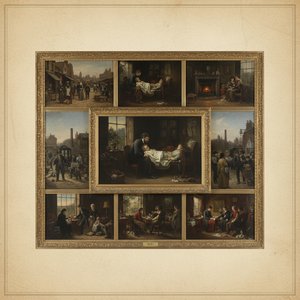
Samuel Luke Fildes: Capturing Victorian Life Through Narrative & Social Realism
Explore the poignant world of Samuel Luke Fildes, a master of Victorian Social Realism. Discover his iconic paintings like 'The Doctor' and delve into his artistic journey with ArtsDot.
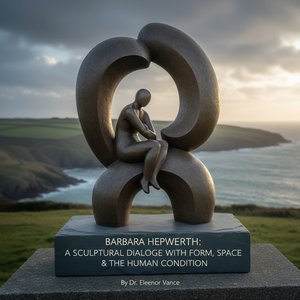
Barbara Hepworth: A Sculptural Dialogue with Form, Space & the Human Condition
Explore the profound world of Barbara Hepworth's sculpture. Discover her artistic evolution, iconic forms, and lasting influence on modern art. A guide for collectors & enthusiasts.

