

 プレビュー
プレビュー
 プリントを購入
 シェアする
シェアする シェアする
シェアする
 詳細を見る
詳細を見る

 ダウンロード
 似ている作品
 X線調査
X線調査 スライドショー
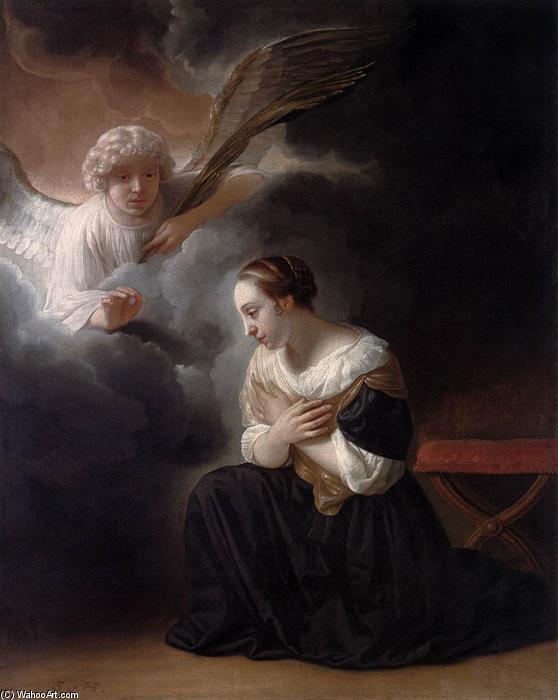
Annunciation of the Death of the Virgin
 Oil On Canvas
- WallArt
- Baroque
 1670
1670 66.0 x 53.0 cm
 メトロポリタン美術館
 詳細を見る
詳細を見る




P118B $10

P118H $10

P118W $10

P438Z $10

P508JH $12

P508YH $12

P805H $10

P805Z $10

P919BZ $10

P919G $10

P919XJ $10

P959ZH $10

P968JZ $12

W106C $8

W218G $10

W218JH $8

W218Y $10

W307PJ $10

W316G $10

W316PJ $8

W316Y $10

W398PJ $8

W4111J $10

W500HY $15

W500JH $15

W692G $12

W849H $8

W940BG $15

W953PJ $8




作品のオリジナル比率に合わせた、当店の規定サイズからお選びください。

特定のフレームやスペースに合わせて、ご希望のサイズをご入力いただけます。選択されたサイズが元の画像の比率と異なる場合、アートワークをトリミングするか、手描きで要素を追加して絵画を拡張いたします。デジタルモックアップ を制作し、制作開始前にご確認(承認)をいただきます。
画面上のプレビューは、実際のトリミングや拡張を正確に反映しているものではありません。最終的な構図は、モックアップによってのみ正確にご確認いただけます。
カスタムサイズもご利用いただけますが、元の比率を維持するためには、あらかじめ用意されたリストからサイズを選択することをお勧めいたします。
ご注文後、ArtsDot.com チームより詳細な指示をお送りするとともに、仕上がりイメージ(モックアップ)をご提供いたします。


 ガラスオプションは、110cm未満のサイズでのみご利用いただけます。

Annunciation of the Death of the Virgin
複製技法
複製画のサイズ
-


合計金額
$ 288
A Tempestuous Testament to Faith: Examining Samuel van Hoogstraten’s “Annunciation of the Death of the Virgin”
Samuel Dirksz van Hoogstraten's "Annunciation of the Death of the Virgin," completed in 1670, stands as a cornerstone of Baroque art—a painting that transcends mere visual representation to deliver a profound meditation on grief, solace, and divine compassion. More than just depicting an iconic biblical scene, it embodies the intellectual fervor and artistic ambition characteristic of its era, cementing van Hoogstraten’s place among the luminaries of Dutch Golden Age painting. This artwork isn't merely beautiful; it’s deliberately unsettling, prompting contemplation about mortality and faith—a testament to Van Hoogstraten’s mastery of psychological realism.Composition and Dramatic Lighting: Orchestrating Emotion
The canvas presents a vertically oriented scene dominated by a woman kneeling in prayerful supplication against a backdrop of turbulent skies. An angel figure descends from above, extending his hand towards her—a gesture laden with symbolic significance representing divine comfort amidst despair. Van Hoogstraten’s genius lies in his masterful manipulation of light and shadow. The stormy heavens cast an oppressive darkness upon the scene, highlighting the woman's form and drapery with luminous patches of illumination. This dramatic chiaroscuro technique isn’t accidental; it serves to amplify the emotional intensity of the composition, mirroring the internal turmoil experienced by the subject. Lines delineate the contours of both figures and architectural elements—creating a sense of volume and grounding the ethereal angel within a tangible space.Technique and Material Considerations: Baroque Realism Embodied
Executed in oil paint on canvas, “Annunciation” exemplifies Baroque realism at its finest. Van Hoogstraten employed meticulous glazing techniques – applying thin layers of translucent pigment over underlying colors—to achieve subtle tonal transitions and imbue the painting with a remarkable luminosity. Scumbling, where dry brushstrokes are applied to soften edges and create textural variations, contributes further to the artwork’s rich surface quality. The artist's careful attention to detail is evident in every brushstroke, capturing the folds of fabric, the contours of skin, and even the delicate feathers of the angel’s wings with astonishing accuracy. These techniques underscore Van Hoogstraten’s commitment to portraying reality as faithfully as possible—a hallmark of Baroque artistic philosophy.Symbolism: Grief, Grace, and Redemption's Promise
The painting resonates deeply with theological symbolism. The woman embodies human vulnerability and suffering—a poignant representation of mortality confronted by divine grace. The angel’s outstretched hand symbolizes compassion and reassurance—offering solace to those burdened by sorrow. Furthermore, the stormy sky serves as a metaphor for inner turmoil and spiritual struggle—reflecting the anxieties prevalent during Van Hoogstraten's lifetime. The overarching theme is one of redemption—the belief that even in darkest moments, divine intervention can bring comfort and hope.Historical Context: Reflecting Dutch Artistic Ideals
Created during the height of the Dutch Golden Age (approximately 1630-1700), “Annunciation” aligns perfectly with the artistic sensibilities of the period. Baroque art prioritized emotional expression and dramatic visual impact—responding to the intellectual currents of the time that questioned traditional religious dogma. Van Hoogstraten’s work exemplifies this trend, demonstrating a profound understanding of humanist psychology alongside technical virtuosity. It stands as an enduring reminder of the power of art to convey complex ideas and evoke visceral responses – a masterpiece that continues to inspire awe and contemplation centuries later.関連作品

アーティストの略歴
錯覚と知性の巨匠:サミュエル・ディルクス・ファン・ホーグストラーテンの世界
オランダ黄金時代の創意工夫を象徴する名、サミュエル・ディルクス・ファン・ホーグストラーテン。彼は単なる画家という枠には収まりきらない存在でした。1627年にドルトレヒトに生まれ、1678年に同地でその生涯を閉じた彼は、当時の知的好奇心、芸術的革新、そして隆盛を極めた商業的権力の精神を体現していました。彼のキャンバスは、単に現実を記録するための場所ではありませんでした。そこでは現実が解剖され、知覚が揺さぶられ、「表現」という行為の本質そのものが探求されていたのです。ファン・ホーグストラーテンは、その卓越した筆致のみならず、詩人として、そして深遠な芸術理論家としても名を馳せ、視覚的な領域を超えて思想の世界へと続く遺産を後世に遺しました。彼の旅は、父ディルク・ファン・ホーグストラーテンの工房から始まり、芸術的原則の基礎を築いた後、17世紀におけるオランダ芸術の鼓動の中心地、アムステルダムへと向かいました。そこで彼は名高いレンブラント・ファン・レインのスタジオに入り、その経験が彼の初期のスタイルや、光と影へのアプローチに消えることのない刻印を刻むこととなったのです。レンブラントの影から、独自のヴィジョンへ
ファン・ホーグストラーテンの初期作品には、紛れもなくレンブラントの影響が見て取れます。現在ウィーンのリヒテンシュタイン・コレクションに収蔵されている1645年の肖像画は、その師弟関係を物語る明白な証左といえるでしょう。しかし、師の様式に固執し続けた多くの弟子たちとは異なり、ファン・ホーグストラーテンには飽くなき実験への渇望と、模倣を超えて突き進む不屈の精神が宿っていました。彼は単にレンブラントのキアロスクーロ(明暗法)を再現することに満足せず、それを解体し、その効果を分析し、最終的には自分自身の独自の芸術的声を確立しようと試みたのです。この探求心は彼をヨーロッパ各地――ウィーン、ローマ、ロンドンへと駆り立て、多様な芸術的伝統に触れさせ、彼の知的な成長を促しました。これらの旅は単なる観光ではなく、建築や遠近法、そして各地の支配的な美意識を深く学ぶための没入的な研究であったのです。ドルトレヒトに戻った彼は、1656年に結婚し、造幣局長という公職に就くなど、芸術の枠を超えた多才な才能を発揮しました。この時期、彼は技術をさらに磨き上げ、錯覚主義(イリュージョニズム)と空間表現に対する、より洗練された理解へと到達していきました。トロンプ・ルイユ、遠近法箱、そして欺瞞の芸術
ファン・ホーストラーテンの芸術的才能が真に開花したのは、「目をごまかす」ことを意味するtrompe-l’œil(トロンプ・ルイユ)の習熟においてでした。彼の静物画は、単なる物の配置ではありません。それは現実と表現の境界を曖昧にするために緻密に構築された、計算し尽きされた錯覚だったのです。一見無造作に見える品々の集まりに、彼は深い象徴的な意味を吹き込み、観る者を人生の無常や、物質的な所有物が持つ欺瞞に満ちた魅力へと誘いました。同時に、彼は「ピープショー」あるいは「遠近法箱(パースペクティブ・ボックス)」の創出でも名を馳せました。これは、ミニチュアの世界への没入感あふれる三次元的な視界を提供する、極めて独創的な装置です。現在ロンドンのナショナル・ギャラリーに収蔵されているその一つは、戦略的に配置された覗き穴を通して見ることで、典型的なオランダの家屋の内部を驚くべき写実性で再現しています。これらは単なる珍奇な玩具ではなく、遠近法と空間的錯覚に関する高度な探求であり、人間の目がどのように奥行きや次元を認識するかという、ファン・ホーストラーテンの深い洞察を示すものでした。1652年のウィーン・ホーフブルク宮殿の景観に見られるような彼の建築画もまた、その技術的な卓越性と細部へのこだわりを際立たせています。理論家の遺産:『絵画の高等学校への導入』
しかし、サミュエル・ファン・ホーストラーテンの貢献は、絵画や遠近法箱に留まりません。彼は、1678年に出版された主著、Inleyding tot de hooge schoole der schilderkonst: anders de zichtbaere werelt(絵画の高等学校への導入、あるいは「可視的な世界」)において、絵画の原則を体系化しようとした献身的な芸術理論家でもありました。この野心的な論文は、17世紀のオランダ共和国で生み出された芸術理論の中でも、最も包括的かつ知的に厳格な探求の一つとして君臨しています。彼は、古代から近代に至る膨大な文献を引用しながら、絵画による説得力、錯覚主義、芸術家の道徳的責任、そして絵画と哲学の関係といった問題に深く切り込みました。彼はカレル・ファン・マンデルがかつて著した『画家書(Het Schilder-Boeck)』の基礎の上に立ち、絵画という技術を理解し実践するための体系的な枠組みを構築しようとしたのです。彼の著作には、旅を通じて得た国際的な影響と、当時のオランダ芸術界における議論の両方が反映されています。自らの技法の背後にある原理を言語化しようとするこの情熱こそが、彼を芸術理論の歴史における極めて重要な人物として決定づけたのです。永劫に続く影響
ファン・ホーストラーテンの影響は、弟のヤン・ファン・ホーグストラーテン、アールト・デ・ゲルデル、コルネリス・ファン・デル・メューレン、ゴドフリート・シャルケンといった弟子たちを通じて、後世の芸術家たちへと響き渡りました。彼の遺志は、彼の伝記を記し、その生涯と作品の主要な情報源となった教え子の一人、アーノルド・ハウブラッケンの著作の中にも大切に保存されています。サミュエル・ディルクス・ファン・ホーグストラーテンは、単なる画家ではありませんでした。彼は芸術家であり、詩人であり、理論家であり、そして行政官でもあったポリマス(博識家)であり、オランダ黄金時代の知的な熱狂を体現した人物だったのです。彼の革新的な技法、知覚に対する深い洞察、そして芸術の原理を明文化しようとした献身は、時代を超えて今なお観る者を魅了し、インスピレーションを与え続けており、錯覚と知性の巨匠としての地位を揺るぎないものにしています。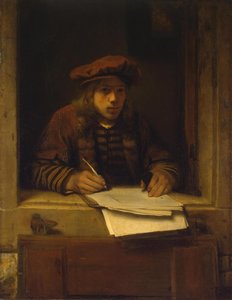
サミュエル・ファン・ホーストラテン
1627 - 1678 , オランダ
基本情報
- Artistic Movement Or Style: オランダ黄金時代、バロック
- Artists Or Movements Influenced By This Artist:
- アールト・デ・ゲルデル
- コルネリス・ファン・デル・メューレン
- ゴドフリート・シャルケン
- Artists Who Influenced This Artist:
- レンブラント
- ディルク・ファン・ホーグストラーテン
- Date Of Birth: 1627年8月2日
- Date Of Death: 1678年10月19日
- Full Name: サミュエル・ディルクス・ファン・ホーグストラーテン
- Nationality: オランダ
- Notable Artworks:
- マティス・ファン・デン・ブルックの肖像
- 貧血の貴婦人
- 廊下の風景
- 窓辺の男
- ヴァニタス
- Place Of Birth: オランダ、ドルトレヒト
関連記事

Golden Age Reflections: Dutch Baroque Painting & Cultural Innovation
Explore the Dutch Golden Age of painting! Discover key artists like Vermeer & ter Borch, their innovative techniques, and the rich cultural context behind these Baroque masterpieces. Learn about collecting & appreciating this iconic art period.

黄金世紀の巨匠たち:バロック絵画が彩る10選|ArtsDot
オランダ黄金時代の10大傑作を紐解く!レンブラント、フェルメール…バロック絵画の魅力と時代背景を深く探求。ArtsDotで、至高のアートコレクションと空間演出のヒントを見つけよう。高品質なアートプリントで、お部屋を華やかに。

Dutch Baroque Masters: 10 Paintings That Shaped an Era | ArtsDot
Journey through the Golden Age with our guide to the Top 10 Dutch Baroque masterpieces! Explore iconic paintings by Rembrandt, Vermeer & Frans Hals. Find museum-quality art reproductions and elevate your home decor at ArtsDot.com.

レンブラント傑作25選:光と影の巨匠、魂を揺さぶる名画の世界 | ArtsDot
レンブラントの傑作25選。光と影の魔術師が描いた魂を揺さぶる名画の世界へ。美術史に残る自画像、夜警、宗教画…ArtsDotで高品質なアートプリントやインテリアアートをお楽しみください。コレクションはこちら→

Illuminating Innovation: Exploring the Dutch Golden Age of Painting
Explore the Dutch Golden Age of painting with ArtsDot. Discover Rembrandt, Vermeer & other Masters. Learn about key characteristics, iconic artworks, and lasting influence. Expert insights for collectors & enthusiasts.

