

 プレビュー
プレビュー
 プリントを購入
 シェアする
シェアする シェアする
シェアする
 詳細を見る
詳細を見る

 ダウンロード
 似ている作品
 X線調査
X線調査 スライドショー
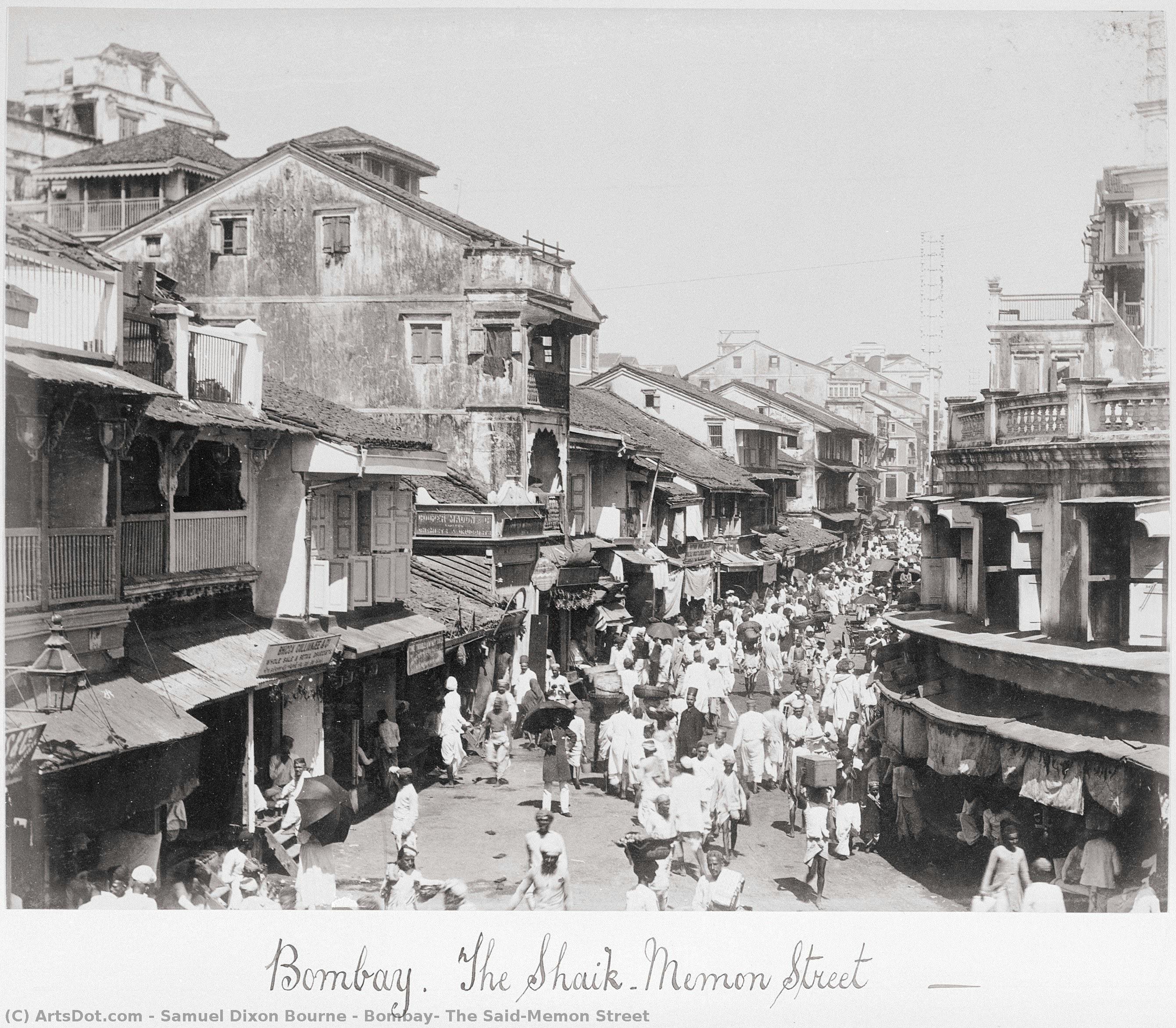
Bombay, The Said-Memon Street


 詳細を見る
詳細を見る
オンラインプレビューをはるかに凌ぐ、高解像度で鮮明なデジタル画像をご購入いただけます。
各ファイルは、社内の専門家が高度なツールと熟練した手作業によるレタッチを用いて、細心の注意を払って準備されています。すべての画像において、卓越した鮮明度、正確な色彩再現性、そして繊細なディテールを保証いたします。
最終ファイルは、プロフェッショナルな編集・印刷環境ですぐにご利用いただけるよう最適化された状態で、72時間以内にメールにてお届けいたします。これは、一流のデザインスタジオ、出版社、ギャラリーから信頼されているものと同等の品質です。
デジタル画像のご注文に付随する特典
高品質なデジタル画像配信を、確かな品質で。
ArtsDot.com を選ぶことは、単に画像を手に入れることではありません。それは、プロの手によって精密に仕上げられ、満足保証が付いた高品質なデジタルアートワークを受け取ることを意味します。ご注文いただいた際に自動的に付随する内容は、以下の通りです:

メールですぐにお届け
ご注文から72時間以内に、高解像度のデジタル画像ファイルがメールでお手元に届きます。すぐにそのままご利用いただけます。

AI技術で最適化されたデジタルファイル
お客様の作品は、高度なAIツールと専門家による手作業の編集を組み合わせてプロフェッショナルに最適化されており、細部のディテール、鮮明さ、そして正確な色再現性を最大限に引き出しています。

一生涯無料の再送サービス
ファイルを誤って削除したり、紛失してしまったりしましたか?ご安心ください。いつでも無料で再送いたします。

輸入手数料は一切かかりません
関税や手数料、配送料を気にすることなく、お気に入りのアートワークをすぐにお楽しみいただけます。デジタルダウンロードは常に免税です。

色彩再現の保証
プロ仕様のツールとカラーマネジメント技術を用いることで、デジタル画像が元の色を最大限に忠実に再現することを保証いたします。

60日間満足保証
ご購入いただいたデジタル画像にご満足いただけない場合は、60日以内であれば、修正または100%の返金(理由を問う必要はありません)をさせていただきます。

100% 返金保証
ご満足いただけない場合は、デジタルファイルを受け取ってから60日以内であれば、理由を問わず全額返金いたします。

まとめ買い割引
3枚購入で10%OFF - 5枚購入で15%OFF - 10枚以上購入で20%OFF。クリエイティブなプロジェクト、ギャラリー、エージェンシーに最適です。
作品の詳細
Bombay, The Said-Memon Street – Samuel Dixon Bourne
Samuel Dixon Bourne’s ‘Bombay, The Said-Memon Street,’ painted in 1860, stands as a remarkable testament to Victorian India and the burgeoning field of photographic art. Captured in exquisite black and white photogravure—a printing process that achieved unparalleled tonal depth and detail—the image transports viewers back to a bustling cityscape brimming with life and commerce. More than just a depiction of urban activity, it’s an artifact of its time, reflecting the ambitions and aesthetic sensibilities of a British Empire eager to document its dominion over the subcontinent. The photograph depicts a narrow street lined with densely packed buildings—a scene typical of Bombay (now Mumbai)—where a multitude of people navigate their daily routines. The composition prioritizes verticality, emphasizing the architectural grandeur of the structures and creating an immersive sense of spatial depth. Bourne’s keen eye for perspective subtly elevates the viewpoint, affording a panoramic vista of the street's vibrant pulse. This careful framing underscores not only the physical environment but also the social dynamics unfolding within it—a microcosm of colonial society striving to capture its essence. Bourne skillfully employs photographic techniques rooted in traditional methods, utilizing silver gelatin printing to achieve remarkable tonal accuracy and textural nuance. Lines dominate the image—straight and angular—mirroring the rigid geometry of the buildings and conveying a deliberate orderliness that contrasts with the chaotic movement of pedestrians. Shapes are largely geometric – rectangles representing the buildings and elongated forms embodying the flow of human traffic – contributing to an overall visual harmony. The subtle diffusion of light, characteristic of overcast conditions, lends a muted palette to the scene, enhancing its melancholic beauty and reinforcing its historical significance. Beyond mere representation, ‘Bombay, The Said-Memon Street’ carries symbolic weight. The crowded street embodies the density of urban life under British rule—a symbol of economic activity and social interaction. Simultaneously, it evokes a feeling of nostalgia for a bygone era, prompting contemplation on the passage of time and the indelible imprint of history upon the landscape. Bourne's artistic vision aligns with the documentary tradition of his time, prioritizing truthful portrayal over stylistic embellishment. It’s an image that invites viewers to consider not just what is seen but also what it signifies—a captivating glimpse into a pivotal moment in India’s colonial narrative. The artwork resides within the Los Angeles County Museum of Art (LACMA), showcasing its enduring appeal and scholarly importance. A high-quality reproduction offers collectors and interior designers alike an opportunity to experience Bourne's masterful artistry and immerse themselves in the atmosphere of Victorian Bombay.- Artist: Samuel Dixon Bourne
- Birth Year: 1834
- Death Year: 1912
- Birth City: Neasden
- Birth Country: United Kingdom
- Paigah Tomb
- Group of bhooteas, Darjeeling
- Interiors of Moti Masjid, Agra Fort
- Marochetti
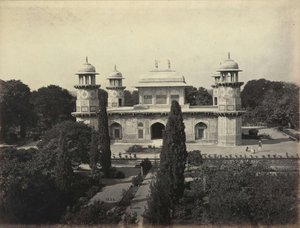
- Tomb of Itmad-ud Daulah
- Bombay, The Said-Memon Street
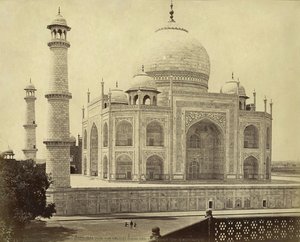
- The Taj Mahal from the corner of the quadrangle
Additional Research
This artwork is in the public domain. Explore artworks organized by themes, styles, and characteristics. Tell us about your project and our art experts will provide you with 3 personalized art suggestions. Let Us Curate 3 Options Just for You - Free!関連作品

作家の略歴
A Visionary Through the Lens: The Life of Samuel Dixon Bourne
Samuel Dixon Bourne (1834–1912) was far more than a mere chronicler of landscapes; he was a pioneer who redefined the visual vocabulary of an empire. Born in Neasden, United Kingdom, Bourne’s early life was shaped by the disciplined atmosphere of a classical education, yet his heart belonged to the burgeoning medium of photography. While his professional beginnings were rooted in the stable, predictable world of banking at Moore & Robinson’s Bank in Nottingham, the call of the visual arts proved irresistible. This transition from the ledger to the lens marked the beginning of a profound journey that would eventually lead him away from the comforts of England toward the sun-drenched, culturally rich expanses of the Indian subcontinent. As his technical mastery grew, so did his reputation as an educator and intellectual within the photographic community. Bourne was not simply a practitioner but a scholar of light and chemistry, contributing insightful discourse to the prominent journals of the Victorian era. His deep understanding of photographic techniques allowed him to move beyond simple documentation, seeking instead to capture the sublime essence of the natural world. This pursuit of the extraordinary eventually culminated in his transformative decision to abandon his banking career entirely, setting sail for India—a move that would forever alter the course of colonial photography.The Dawn of Bourne & Shepherd and the Indian Odyssey
Upon arriving in Calcutta in 1863, Bourne embarked on one of the most significant collaborative ventures in photographic history. Alongside Charles Shepherd, he established the legendary Bourne & Shepherd Studios, a partnership that would become synonymous with the visual identity of British India. Their operations were strategically brilliant, spanning from the misty, high-altitude retreats of Shimla to the bustling, humid streets of Calcutta. This dual presence allowed Bourne to explore two distinct yet equally captivating realms: the majestic, sweeping grandeur of the Himalayan landscapes and the intricate, human-centric architectural studies of the urban centers. His work during this period serves as a breathtaking window into a vanished era. Through his lens, the monumental scale of the Mughal Empire was rendered with both precision and poetic grace. One might gaze upon his formal architectural study, The Taj Mahal from the corner of the quadrangle, and witness the meticulous way he utilized light to highlight the intricate details of Mughal artistry. His ability to capture the interplay of shadow and stone transformed static monuments into living histories, making him a master of the photogravure process and a premier documentarian of the era's architectural splendor.Legacy of Light and the Documentation of a Civilization
Beyond the grand monuments, Bourne possessed a rare sensitivity for the pulse of everyday life. His photographic repertoire extended into the intimate corners of Indian urbanity, capturing the vibrant energy of streets such as Bombay, The Said-Memon Street. In these black and white compositions, the viewer is transported to the 1860s, witnessing the movement, commerce, and social fabric of colonial India. This ability to balance the epic with the intimate—to capture both the soaring peaks of the Himalayas and the quiet, spiritual stillness of a Christ statue in a peaceful setting—is what distinguishes his oeuvre from that of his contemporaries. The historical significance of Samuel Dixon Bourne cannot be overstated. He did not merely take photographs; he constructed a visual archive that remains an indispensable resource for historians, architects, and art lovers alike. His work stands as a testament to the power of the photographic medium to bridge distances and eras. Through his dedication to capturing the beauty, culture, and complexity of India, Bourne left behind a legacy of light that continues to illuminate our understanding of the nineteenth-century world, ensuring that the grandeur of the past remains eternally accessible to the present.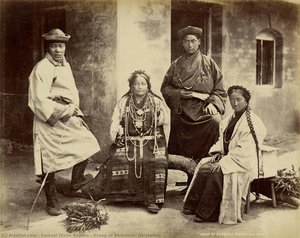
samuel dixon bourne
1834 - 1912 , United Kingdom
プロフィール概要
- Artistic Movement Or Style: Victorian Landscape Photography
- Artists Or Movements Influenced By This Artist: ['Photogravure']
- Artists Who Influenced This Artist: ['William Henry Fox Talbot']
- Date Of Birth: 1834
- Date Of Death: 1912
- Full Name: Samuel Dixon Bourne
- Nationality: British
- Notable Artworks:
- Paigah Tomb
- Group of bhooteas, Darjeeling
- Interiors of Moti Masjid, Agra Fort
- Marochetti
- Tomb of Itmad-ud Daulah
- Bombay, The Said-Memon Street
- The Taj Mahal from the corner of the quadrangle
- Place Of Birth: Neasden, United Kingdom

