

 プレビュー
プレビュー
 シェアする
シェアする シェアする
シェアする
 詳細を見る
詳細を見る

 ダウンロード
 似ている作品
 X線調査
X線調査 スライドショー
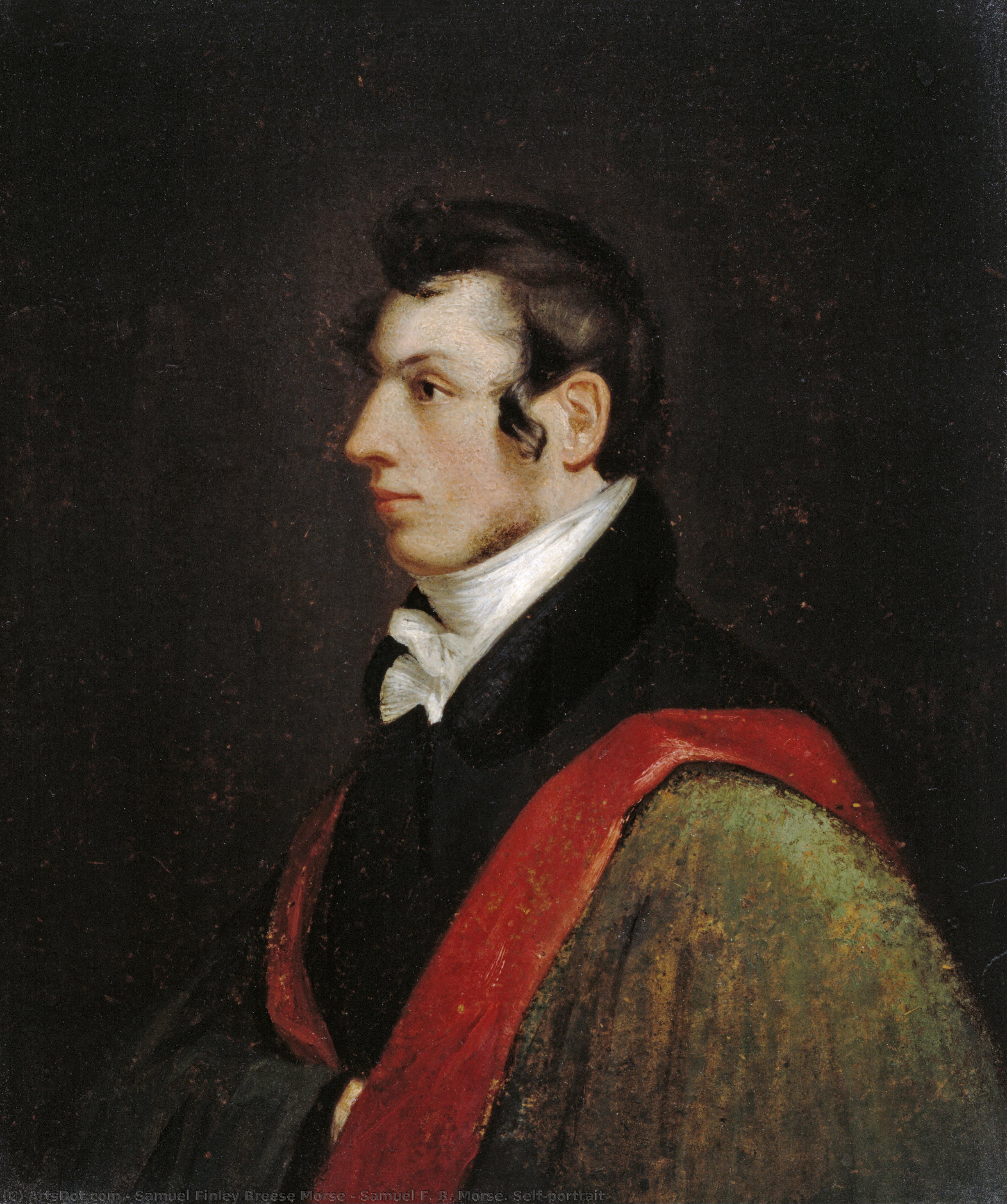
Samuel F. B. Morse. Self-portrait


 詳細を見る
詳細を見る
ジークレー/アートプリント
迅速な制作と多彩な仕上げオプションを備えた、ミュージアムクオリティのジークレーまたはキャンバスプリント。 ( 手描きの絵画を購入 画像を購入)




P118B $10

P118H $10

P118W $10

P438Z $10

P508JH $12

P508YH $12

P805H $10

P805Z $10

P919BZ $10

P919G $10

P919XJ $10

P959ZH $10

P968JZ $12

W106C $8

W218G $10

W218JH $8

W218Y $10

W307PJ $10

W316G $10

W316PJ $8

W316Y $10

W398PJ $8

W4111J $10

W500HY $15

W500JH $15

W692G $12

W849H $8

W940BG $15

W953PJ $8




作品のオリジナル比率に合わせた、当店の規定サイズからお選びください。

特定のフレームやスペースに合わせて、ご自身でサイズを指定することも可能です。選択されたサイズが元の画像の比率と一致しない場合、作品をトリミングするか、鏡面反射または単色での塗りつぶしによって画像を拡張いたします。制作を開始する前に、ご確認用のデジタルモックアップをお送りいたします。
画面上のプレビューには、実際のトリミングや拡張は反映されませんのでご注意ください。最終的な構図を正確に確認できるのは、モックアップのみとなります。
カスタムサイズも承っておりますが、元の比率を維持するためには、あらかじめ用意されたリストからサイズを選択することをお勧めいたします。


 ガラスオプションは、110cm未満のサイズでのみご利用いただけます。

Samuel F. B. Morse. Self-portrait
ジークレー/アートプリント
複製画のサイズ
-


合計金額
$ 62
作品詳細説明
Samuel F. B. Morse: A Pioneer of Light and Communication
Samuel Finley Breese Morse’s “Self-Portrait,” painted in 1812, is more than just a likeness; it's a window into the mind of an extraordinary man – a painter grappling with artistic ambition, scientific curiosity, and the burgeoning identity of America. Created during a pivotal period of transition between Neoclassicism and Romanticism, this watercolor offers a remarkably intimate glimpse into the artist’s self-perception and his place within the evolving cultural landscape of early 19th-century America.
The portrait immediately draws the eye with its formal composition. Morse presents himself in attire typical of the era – a dark robe accented by a vibrant red sash, suggesting both dignity and perhaps a touch of theatrical flair. Beneath this formal exterior, his face is rendered with a quiet intensity, reflecting a thoughtful gaze that seems to hold a mixture of confidence and introspection. The careful attention to detail—the texture of his clothing, the subtle shading of his features—demonstrates Morse’s commitment to mastering the technical skills of portraiture, a discipline he initially pursued as a means of supporting himself while pursuing his artistic aspirations.
A Man of Two Worlds: Art and Invention
Morse's life was defined by a fascinating duality. While celebrated for his contributions to art, particularly his historical paintings like “Landing of the Pilgrims,” he simultaneously harbored an intense fascination with science and technology. This dual pursuit is powerfully evident in this self-portrait; it’s not merely a representation of a man but a statement about a mind constantly engaged in exploration – both artistic and intellectual. His early studies at Yale, encompassing subjects like electricity under Benjamin Silliman, laid the groundwork for his later groundbreaking invention: the telegraph.
Born into a deeply religious family—his father, Jedidiah Morse, was a prominent Calvinist minister and geographer—Morse’s upbringing instilled in him a strong sense of purpose and a belief in the importance of education. This intellectual rigor, combined with his artistic training, shaped his approach to both art and invention, fostering a desire to translate complex ideas into accessible forms. The portrait itself can be seen as an embodiment of this ambition – a carefully constructed image designed to convey not just appearance but also character and intellect.
Symbolism and the Artist’s Psyche
Beyond its formal elements, the “Self-Portrait” is rich in symbolic detail. The dark robe, while suggesting respectability, might also hint at a certain melancholy or introspection – qualities often associated with artists struggling to find their voice. The vibrant red sash could represent passion, energy, or even a touch of defiance against the constraints of societal expectations. Morse’s gaze, direct and unwavering, invites the viewer into his inner world, suggesting a man grappling with both artistic fulfillment and the challenges of navigating a rapidly changing America.
Furthermore, considering Morse's background as a Calvinist, elements of moral judgment are subtly present. The careful rendering of his features suggests an awareness of self-presentation and a desire to project an image of virtue and integrity – values deeply rooted in his religious upbringing. The portrait, therefore, becomes not just a visual record but also a meditation on identity, ambition, and the complex interplay between art, science, and faith.
A Legacy of Innovation
While this self-portrait offers a poignant glimpse into Morse’s artistic aspirations, it's crucial to acknowledge his enduring legacy as an inventor. His development of the telegraph revolutionized communication, transforming society in profound ways. “Self-Portrait” serves as a powerful reminder that innovation is rarely born from a single moment but often emerges from a lifelong pursuit of knowledge and a willingness to challenge conventional boundaries – qualities vividly embodied by Samuel Finley Breese Morse.
関連作品



アーティストの略歴
芸術と革新を繋いだ生涯:サミュエル・フィンリー・ブリース・モース
現代通信の黎明期と分かちがたく結びついたその名は、単に電信機やモールス符号の発明者という枠に収まるものではありません。サミュエル・フィンリー・ブリース・モースは、19世紀初頭のアメリカ精神をキャンバスに捉えた、類まれな才能と野心に満ちた芸術家でした。彼の作品には、勃興する国家としてのアイデンティティと、ヨーロッパの芸術的伝統の残響が共存しています。1791年4月27日、マサチューセッツ州チャールズタウンにて、知性と宗教的情熱に溢れた家庭に生まれた彼は、著名なカルヴァン派の牧師であり地理学者でもあった父ジェディダイア・モースの影響を受け、厳格な教育の中で深い使命感を養いました。科学的な名声を得る運命にありながら、彼の最初の情熱は芸術の世界にありました。1810年にイェール大学を優秀な成績で卒業した後、モースは画家としてのキャリアを歩み始め、肖像画の依頼を通じて自活しながら、同時にその芸術的野心を育んでいったのです。形成期と芸術的発展 当時、誕生したばかりのアメリカの芸術界では、本格的な美術教育を受ける機会が限られていました。モースは1811年、英国の名高い画家ワシントン・オールストンに師事するため、海を渡りました。この時期は、彼の芸術的スタイルを形作る上で極めて重要な転換点となりました。ロマン主義の旗手であったオールストンは、劇的な構図、表情豊かな筆致、そして感情を揺さぶる主題の探求をモースに促しました。初期の作品にはベンジャミン・ウエストやJ.M.W.ターナーといったヨーロッパの巨匠たちの影響が色濃く見られますが、彼はすぐに独自の表現を見出し始めます。この時期に完成した記念碑的作品『死にゆくヘラクレス』は、解剖学的な正確さと劇的な物語性を高めていく彼の技術の証です。この絵画は単なる技法の習練にとどまらず、イギリスの支配やフェデラリスト政策による圧政に抗うアメリカ合衆国の象徴的な姿を描いた、隠された政治的風刺として解釈されることも少なくありません。その力強いイメージは、高まりつつあったアメリカのナショナリズムと共鳴したのです。 1815年にアメリカへ帰国した後も、モースは肖像画や歴史画の制作を続け、『ピルグリムの到来』などの作品を通じて、個人の肖像と壮大な叙事詩の両方を描き出す画家としての地位を確固たるものにしました。この作品は、カルヴァン派の信仰と英米間の共有された歴史を巧みに結びつけ、当時の複雑な政治情勢を繊細に反映しています。また、同時代の重要な作品である『ジュピターの審判』では、芸術的技術と深い宗教的信念を融合させながら、反フェデラリスト的な感情を表現することに成功しました。
革新への追求:キャンバスから電信機へ
芸術家として認められながらも、モースはアメリカの芸術界における経済的不安定さと機会の少なさに、次第に葛藤を抱くようになります。転機が訪れたのは、1832年のヨーロッパからの帰路でした。彼は電磁気学における最新の進歩を知り、それが新たな知的好奇心に火をつけ、彼を科学的革新という異なる道へと導くことになったのです。より速く、より信頼性の高い通信手段を創りたいという切実な願いに突き動かされ、モースは電気信号を用いて長距離でメッセージを伝達するシステムの開発に没頭しました。この探求において彼は孤独ではありませんでした。多くのヨーロッパの科学者たちが同様の技術を実験していました。しかし、モースの真の天才性は、既存のアイデアを統合し、実用的かつ商業的に成立するシステムへと昇華させた点にありました。彼はアルフレッド・ヴェイルと協力し、文字や数字を点と線で表す、今や世界的に有名な「モールス符号」の開発に大きく貢献しました。そして1837年、彼は単線式の電信システムを特許取得し、通信の歴史における決定的な瞬間を刻んだのです。筆跡を超えた遺産
その後の年月は、自らの発明を普及させ、実装するためのたゆまぬ努力に捧げられました。モースは議会から資金を獲得し、ワシントンD.C.とボルチモアを結ぶ実験的な電信線の建設を実現させました。1844年、その回線から「神は何を成し遂げられたか(What hath God wrought?)」という最初のメッセージが送信されたのです。この実証実験はモースを一躍全国的な有名人に押し上げ、先見の明を持つ発明家としての地位を不動のものにしました。生涯を通じて絵画を描き続けましたが、彼の芸術活動は次第に電信や大西洋横断ケーブル計画といった仕事の影に隠れるようになりました。特許権を巡る数々の法廷闘争にも直面しましたが、最終的には通信技術への貢献に対して国際的な称賛を浴常しました。1872年、ニューヨークにて息を引き取ったモースが遺したレガシーは、芸術の領域を遥かに超えています。彼はアメリカ古書学会やアメリカ芸術科学アカデミーの会員でもあり、その多面的な功績が認められていました。彼の絵画は今もなお、その芸術的才能を示す説得力のある証として存在し続けています。一方で、彼の発明は通信に革命をもたらし、人類の歴史の流れを永遠に変えてしまいました。今日、モースの作品はニューヨーク美術館などの著名な美術館で見ることができるほか、ニューヨークのグリーンウッド墓地にも刻まれています。それは、芸術と革新という一見かけ離れた二つの世界を繋ぎ合わせた、偉大な人物へのふさわしい献辞なのです。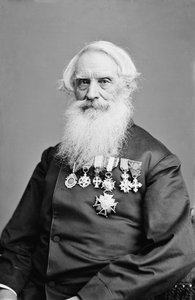
サミュエル・フィンリー・ブリース・モース
1791 - 1872 , アメリカ合衆国
基本情報
- Artistic Movement Or Style: ロマン主義
- Artists Who Influenced This Artist: ['ワシントン・オールストン']
- Date Of Birth: 1791年4月27日
- Date Of Death: 1872年
- Full Name: サミュエル・フィンリー・ブリース・モース
- Nationality: アメリカ
- Notable Artworks:
- 死にゆくヘラクレス
- ピルグリムの到来
- ジュピターの審判
- Place Of Birth: アメリカ合衆国、チャールスタウン
関連記事
American Realism's Defining Works: 10 Masterpieces for Your Home
Explore 10 defining American Realism masterpieces – Hopper, Homer & more. Discover the stories behind these iconic paintings and bring timeless art to your home with ArtsDot's museum-quality reproductions. Explore the full collection online.

Crimson Threads of Narrative: Exploring Symbolism & Representation in Artworks Featuring the Red Dress
Explore the rich symbolism of the red dress in art history! From ancient power displays to iconic portraits like Cézanne’s 'Madame Cezanne', discover the cultural and artistic significance behind this captivating color. Expert analysis & insights.

Grant Wood & American Regionalism: Identity, Myth & the Rural Landscape
Explore the world of Grant Wood & American Regionalism with ArtsDot. Discover the symbolism behind 'American Gothic', recurring themes, and the movement's lasting impact on art history. High-quality reproductions available.

The Enduring Legacy of Oil on Canvas: Technique, History & Aesthetic Impact
Explore the rich history & techniques of oil painting – from Renaissance masters to Impressionism. Discover pigments, layering methods, and why this timeless medium endures. Expert insights for artists & art enthusiasts.

19th Century Masterpieces: 10 Paintings That Defined an Era | ArtsDot
Journey through 19th century art with ArtsDot! Explore 10 iconic paintings – from Monet & Renoir to Courbet – and discover the stories behind Romanticism, Realism & Impressionism. Find museum-quality reproductions for your home decor. Explore the full collection online!

