

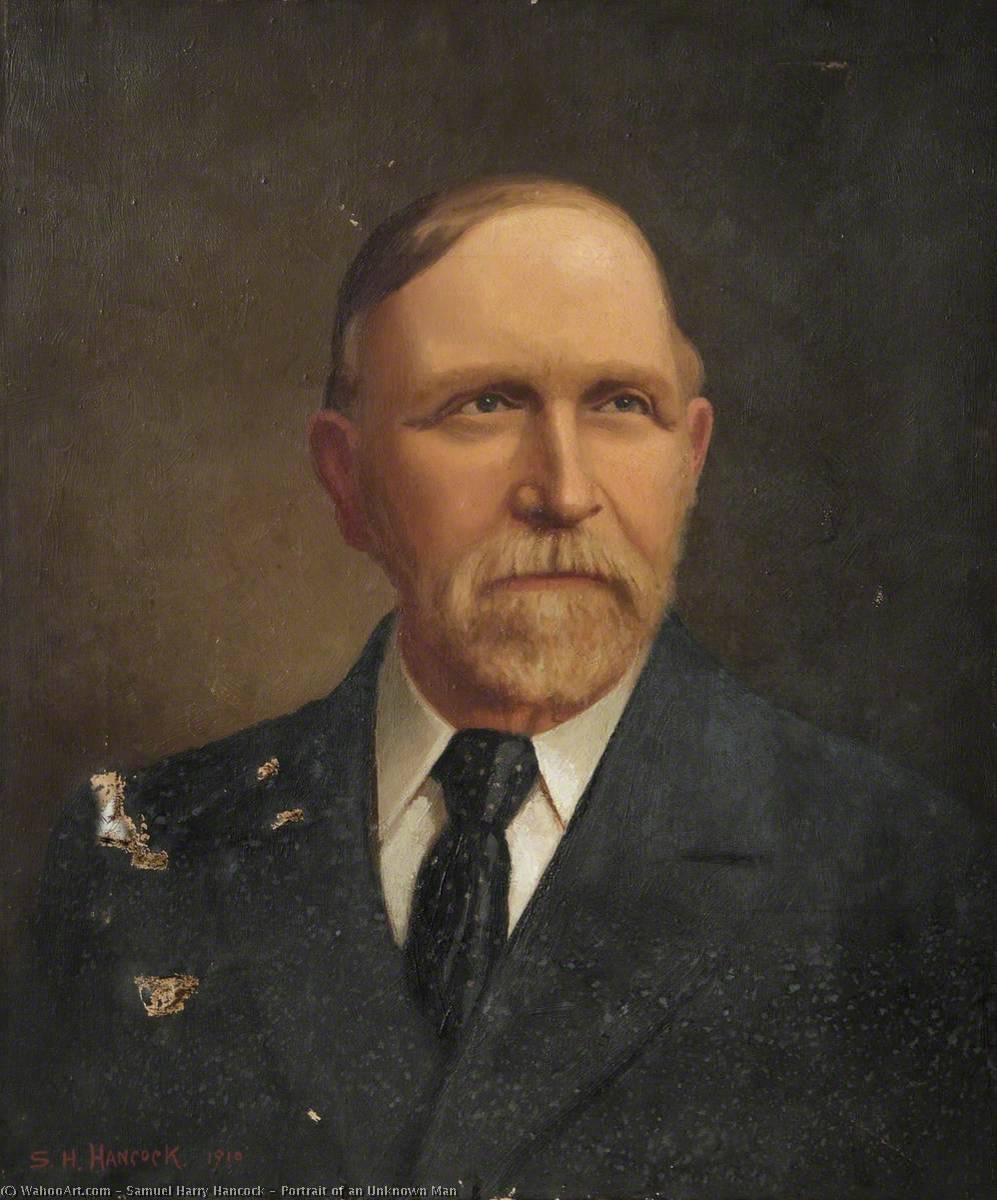
 プレビュー
プレビュー
 シェアする
シェアする シェアする
シェアする
 詳細を見る
詳細を見る

 ダウンロード
 似ている作品
 X線調査
X線調査 スライドショー
 Stats
StatsPortrait of an Unknown Man
 1912
1912 61.0 x 51.0 cm
 詳細を見る
詳細を見る
オンラインプレビューをはるかに凌ぐ、高解像度で鮮明なデジタル画像をご購入いただけます。
各ファイルは、社内の専門家が高度なツールと熟練した手作業によるレタッチを用いて、細心の注意を払って準備されています。すべての画像において、卓越した鮮明度、正確な色彩再現性、そして繊細なディテールを保証いたします。
最終ファイルは、プロフェッショナルな編集・印刷環境ですぐにご利用いただけるよう最適化された状態で、72時間以内にメールにてお届けいたします。これは、一流のデザインスタジオ、出版社、ギャラリーから信頼されているものと同等の品質です。
デジタルアート
個人での鑑賞、印刷、クリエイティブなプロジェクト用に、高解像度ファイルをダウンロードできます。 ( Switch to Print 手描きの絵画を購入)
デジタル画像のご注文に付随する特典
高品質なデジタル画像配信を、確かな品質で。
ArtsDot.com を選ぶことは、単に画像を手に入れることではありません。それは、プロの手によって精密に仕上げられ、満足保証が付いた高品質なデジタルアートワークを受け取ることを意味します。ご注文いただいた際に自動的に付随する内容は、以下の通りです:

メールですぐにお届け
ご注文から72時間以内に、高解像度のデジタル画像ファイルがメールでお手元に届きます。すぐにそのままご利用いただけます。

AI技術で最適化されたデジタルファイル
お客様の作品は、高度なAIツールと専門家による手作業の編集を組み合わせてプロフェッショナルに最適化されており、細部のディテール、鮮明さ、そして正確な色再現性を最大限に引き出しています。

一生涯無料の再送サービス
ファイルを誤って削除したり、紛失してしまったりしましたか?ご安心ください。いつでも無料で再送いたします。

輸入手数料は一切かかりません
関税や手数料、配送料を気にすることなく、お気に入りのアートワークをすぐにお楽しみいただけます。デジタルダウンロードは常に免税です。

色彩再現の保証
プロ仕様のツールとカラーマネジメント技術を用いることで、デジタル画像が元の色を最大限に忠実に再現することを保証いたします。

100日間満足保証
ご購入いただいたデジタル画像にご満足いただけない場合は、100日以内であれば、理由を問わず修正または100%の返金対応をさせていただきます。

100% 返金保証
ご満足いただけない場合は、デジタルファイルを受け取ってから100日以内であれば、理由を問わず全額返金いたします。

まとめ買い割引
3枚購入で10%OFF - 5枚購入で15%OFF - 10枚以上購入で20%OFF。クリエイティブなプロジェクト、ギャラリー、エージェンシーに最適です。
関連作品









作家の略歴
Samuel Harry Hancock: A Londoner’s Vision of Victorian City Life
Samuel Harry Hancock (1862-1932) wasn't a name that immediately resonates within the grand halls of art history, yet his watercolors offer a remarkably intimate and compelling portrait of late Victorian and Edwardian London. Born in Wahoo, Nebraska – a testament to his family’s pioneering spirit as railroad surveyors – Hancock’s artistic journey began unexpectedly in England, where he established himself as a dedicated observer and recorder of the city's bustling streets, grand architecture, and everyday life. His work isn’t characterized by dramatic landscapes or heroic narratives; instead, it’s a quiet, meticulous study of urban detail, imbued with a keen sense of atmosphere and a subtle appreciation for the mundane.
Hancock’s early years were marked by a restless energy and a fascination with the American West. However, a pivotal decision to relocate to London in 1886 proved transformative. He initially pursued a career as a clerk, but his artistic inclinations soon took precedence. He began sketching prolifically, capturing the city's ever-changing face – from the imposing facades of Cannon Street Station and the crowded thoroughfares of Fleet Street to the quieter corners of residential neighborhoods. His style evolved gradually, moving away from purely representational depictions towards a more nuanced approach that emphasized light, shadow, and texture. Influenced by the Impressionists’ focus on capturing fleeting moments and the meticulous detail of Realist painters like Gustave Courbet, Hancock developed his own distinctive technique – one characterized by loose brushstrokes, atmospheric perspective, and an almost photographic precision in rendering architectural features.
The Art of Observation: Technique and Style
Hancock’s watercolors are remarkable for their technical mastery. He was a diligent student of materials, experimenting with various pigments and paper to achieve the desired effects. His palette tended towards muted tones – browns, grays, blues, and greens – reflecting the often-damp and overcast conditions of London weather. However, he skillfully employed highlights and contrasts to create a sense of depth and luminosity. A key element of his style was his ability to capture the play of light on surfaces—the glint of wet cobblestones, the reflections in shop windows, the subtle variations in color caused by shadows. He often worked *en plein air*, directly from observation, which allowed him to accurately record the nuances of the urban environment.
Beyond technique, Hancock’s work is defined by a remarkable eye for detail. He wasn't interested in grand vistas or sweeping compositions; instead, he focused on capturing the small, often overlooked elements that made up the fabric of London life – a delivery boy hurrying down a street, a group of women gossiping outside a shop, a horse-drawn carriage navigating a crowded intersection. These seemingly insignificant details were rendered with remarkable accuracy and sensitivity, revealing a deep understanding of human behavior and urban dynamics.
London’s Streets: A Chronicle of the City
Hancock's most celebrated subjects were undoubtedly the streets of London. His series of paintings depicting Cannon Street Station, for example, are not merely architectural studies; they are evocative portraits of a city in constant motion. He captured the station’s imposing grandeur, its bustling crowds, and the interplay of light and shadow within its vast interior. Similarly, his watercolors of Fleet Street offer a glimpse into the heart of London's journalistic world – the clatter of typewriters, the hurried pace of reporters, and the smoky atmosphere of newsrooms.
Beyond these iconic locations, Hancock also documented lesser-known corners of the city—residential neighborhoods, markets, and parks. His paintings of these areas reveal a deep appreciation for the beauty of everyday life – the simple pleasures of a stroll through a park, the vibrant colors of a market stall, the warmth of a neighborhood gathering. His work provides a valuable historical record of London’s urban landscape during a period of rapid transformation.
Legacy and Historical Significance
Samuel Harry Hancock's contribution to British watercolor is often understated, yet his meticulous observations and evocative depictions of Victorian London have earned him a place among the most important chroniclers of the city. His work offers a unique perspective on urban life—one that is both detailed and intimate, observant and empathetic. While he may not be as widely recognized as some of his contemporaries, Hancock’s watercolors continue to resonate with viewers today, offering a glimpse into a bygone era and reminding us of the enduring beauty and complexity of London.
His paintings are held in numerous collections, including the Art UK database and the Harry Hancock Foundation. His legacy lives on through his art, which continues to inspire artists and scholars alike.
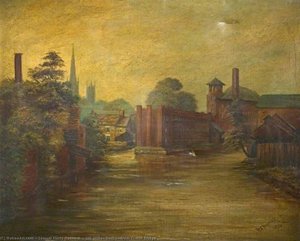
samuel harry hancock
1862 - 1932
プロフィール概要
- Artistic Movement Or Style: Watercolor realism
- Artists Or Movements Influenced By This Artist:
- Hudson River School
- Impressionism
- Artists Who Influenced This Artist:
- John Singer Sargent
- William Small
- Date Of Birth: 1862
- Date Of Death: 1932
- Full Name: Samuel Harry Hancock
- Nationality: British-American
- Notable Artworks:
- The Lights of London
- Cannon Street Station
- Place Of Birth: Wahoo, Nebraska