

 プレビュー
プレビュー
 プリントを購入
 シェアする
シェアする シェアする
シェアする
 詳細を見る
詳細を見る

 ダウンロード
 似ている作品
 X線調査
X線調査 スライドショー
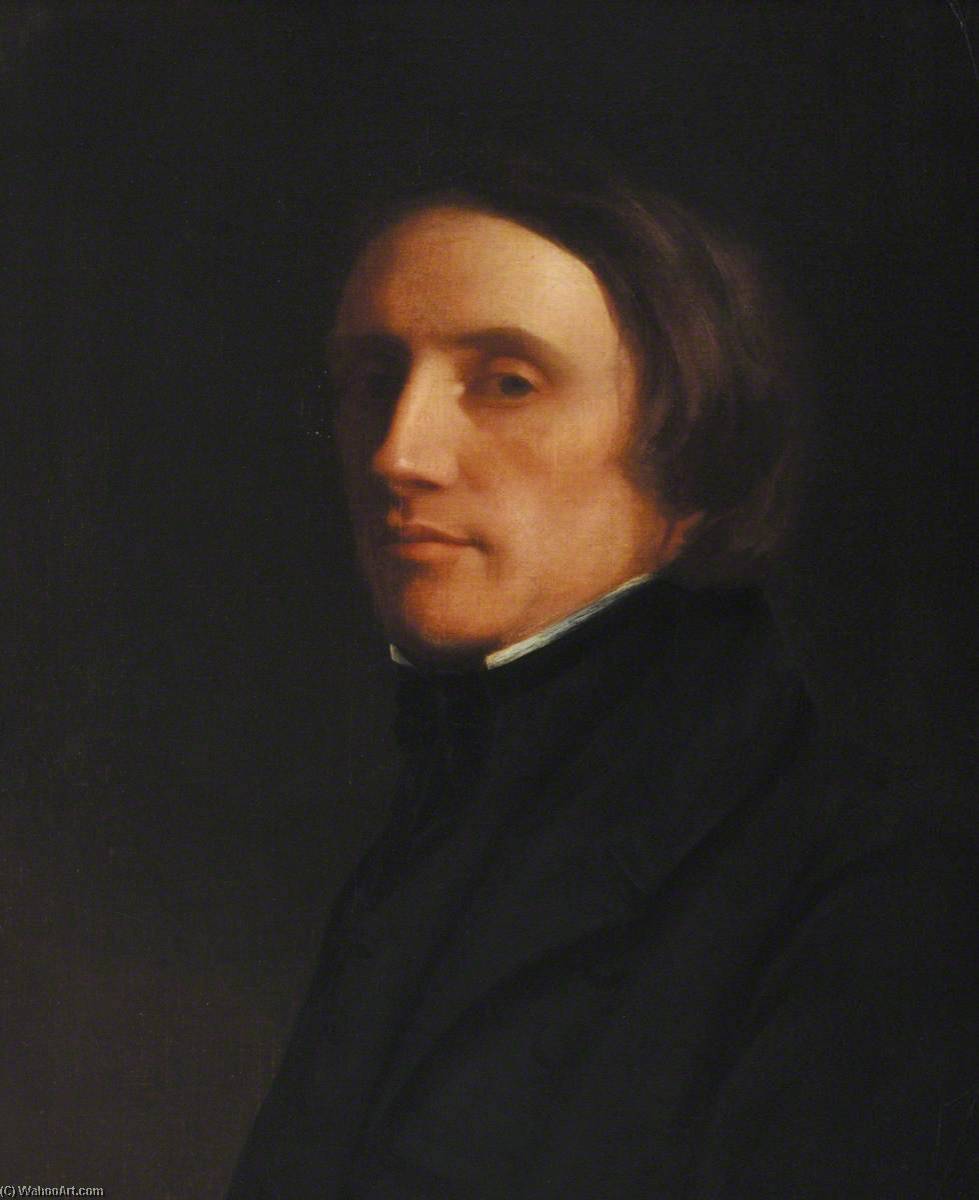
Sir Henry Taylor (1800–1886)
 Acrylic On Canvas
- WallArt
- Romanticism
 1835
1835 61.0 x 48.0 cm
 Balliol College
 詳細を見る
詳細を見る




P118B $10

P118H $10

P118W $10

P438Z $10

P508JH $12

P508YH $12

P805H $10

P805Z $10

P919BZ $10

P919G $10

P919XJ $10

P959ZH $10

P968JZ $12

W106C $8

W218G $10

W218JH $8

W218Y $10

W307PJ $10

W316G $10

W316PJ $8

W316Y $10

W398PJ $8

W4111J $10

W500HY $15

W500JH $15

W692G $12

W849H $8

W940BG $15

W953PJ $8




作品のオリジナル比率に合わせた、当店の規定サイズからお選びください。

特定のフレームやスペースに合わせて、ご希望のサイズをご入力いただけます。選択されたサイズが元の画像の比率と異なる場合、アートワークをトリミングするか、手描きで要素を追加して絵画を拡張いたします。デジタルモックアップ を制作し、制作開始前にご確認(承認)をいただきます。
画面上のプレビューは、実際のトリミングや拡張を正確に反映しているものではありません。最終的な構図は、モックアップによってのみ正確にご確認いただけます。
カスタムサイズもご利用いただけますが、元の比率を維持するためには、あらかじめ用意されたリストからサイズを選択することをお勧めいたします。
ご注文後、ArtsDot.com チームより詳細な指示をお送りするとともに、仕上がりイメージ(モックアップ)をご提供いたします。


 ガラスオプションは、110cm未満のサイズでのみご利用いただけます。

Sir Henry Taylor (1800–1886)
複製技法
複製画のサイズ
-


合計金額
$ 263
作品解説
A Window Into Victorian Dignity: Samuel Laurence’s Portrait of Sir Henry Taylor
The portrait of Sir Henry Taylor (1800–1886), executed by Samuel Laurence in 1835, stands as a quintessential emblem of Victorian artistic sensibility – a meticulously crafted depiction that transcends mere likeness to embody the values and anxieties of its time. Balliol College’s acquisition of this artwork underscores its significance not only as an aesthetic treasure but also as a tangible link to a pivotal period in British history. Laurence's masterful technique, combined with his astute understanding of psychological portraiture, elevates the image beyond a simple representation of a man into a profound meditation on character and social responsibility.Style and Technique: Embracing Naturalism Amidst Formal Conventions
Laurence’s approach to painting aligns closely with the burgeoning movement toward naturalism that was gaining momentum in Britain during the mid-19th century. While adhering to established conventions of portraiture – notably the three-quarter pose favored by artists – Laurence eschewed excessive embellishment, prioritizing accuracy and subtlety. The artist skillfully employed chiaroscuro—the dramatic interplay of light and shadow—to sculpt Taylor’s form with remarkable precision. Loose brushstrokes contribute to a textured surface that captures the nuances of skin tone and fabric texture, demonstrating an impressive command of artistic craft. This deliberate restraint serves not to diminish the portrait's grandeur but rather to intensify its emotional resonance by focusing attention on the subject’s face and conveying his inner state.Historical Context: Taylor’s Legacy and Victorian Ideals
Sir Henry Taylor was a celebrated poet and moral philosopher, whose writings championed humanist values and advocated for social reform—themes deeply ingrained in Victorian intellectual discourse. Laurence's decision to portray Taylor reflects this cultural preoccupation with ethical conduct and the importance of cultivating virtue. The portrait captures Taylor in repose, gazing slightly off-center, an expression that speaks volumes about contemplation and seriousness – qualities considered desirable in men of influence during the Victorian era. Furthermore, the painting’s placement within Balliol College's art collection symbolizes a deliberate commemoration of Taylor’s contribution to British culture and thought.Symbolism: Light and Shadow as Expressions of Inner Character
The artist’s masterful use of light and shadow is laden with symbolic significance. The diffused illumination enveloping Taylor’s face suggests an inner radiance—a quiet dignity born from moral integrity. Conversely, the darker recesses of the composition represent hidden complexities and perhaps unspoken anxieties – acknowledging that even the most virtuous individuals grapple with internal struggles. Laurence subtly conveys this duality through his artistic choices, inviting viewers to contemplate not just Taylor's physical appearance but also his psychological depth.Emotional Impact: Capturing a Moment of Reflection
Ultimately, Laurence’s portrait succeeds in conveying an enduring sense of contemplative serenity. It invites us to pause and consider the subject’s gaze—a gesture imbued with thoughtfulness and introspection—as if attempting to distill the essence of Taylor's character into a single visual expression. The painting transcends mere representation; it aspires to evoke empathy and admiration, capturing a fleeting moment of profound reflection that speaks to the timeless human desire for understanding and moral fortitude. It remains a powerful testament to Laurence’s artistic vision and his ability to transform a portrait into an enduring symbol of Victorian ideals.関連作品
アーティストの略歴
Early Life and Artistic Promise
Samuel Laurence, born in Guildford, Surrey, in 1812, emerged as a significant figure in Victorian portraiture, an era defined by its fascination with personality and social standing. From his earliest years, a profound inclination towards art was evident, foreshadowing a career dedicated to capturing the likenesses of Britain’s most prominent individuals. His initial forays into the art world began with exhibitions at the Society of British Artists in 1834, laying the groundwork for wider recognition. The pivotal year of 1836 marked a turning point when Laurence presented three portraits – notably including one of the esteemed Mrs. Somerville – at the Royal Academy exhibition. This acceptance into the prestigious academy signaled his arrival as an artist to watch, a testament to his burgeoning talent and skill. It was a crucial step for any aspiring painter in 19th-century Britain, opening doors to patronage and critical acclaim.A Portraitist of Victorian Society
Laurence’s career blossomed as he became the sought-after portraitist of leading figures in British society, literature, and science. He consistently exhibited at both the Society of British Artists and the Royal Academy, building a reputation for his ability to convey not just physical resemblance but also a sense of character and intellect. His canvases featured an impressive array of influential individuals: the Right Hon. Thomas Erskine, captured in 1838; the brooding intensity of Thomas Carlyle in 1841; Sir Frederick Pollock, portrayed both in 1842 and again in 1847, revealing a consistency of style and observation. Beyond these prominent figures, Laurence’s portfolio included portraits of Charles Babbage, Dr. William Whewell, James Spedding, the Rev. William Hepworth Thompson, Robert Browning, Sir Thomas Watson, and the Rev. Frederick Denison Maurice – a veritable who's who of Victorian intellectual life. His skill extended beyond oil on canvas; he also produced numerous crayon drawings, offering a more intimate and immediate impression of his subjects, including notable likenesses of Charles Dickens ('Sketch of Boz'), John Hullah, Professor Adam Sedgwick, George Grote, and Lord Ashburton. These works demonstrate Laurence’s versatility and adaptability to different mediums, solidifying his position as a master portraitist.Influences and Artistic Development
Laurence's artistic journey was profoundly shaped by his travels and dedicated study of the Old Masters. During his early married life, he embarked on journeys to Florence and Venice, immersing himself in the rich artistic heritage of Italy. He meticulously examined the techniques employed by Renaissance masters, seeking to unlock the secrets behind their enduring success. This period of intensive study instilled in him a deep appreciation for classical principles of composition, light, and shadow, which would later become hallmarks of his own style. A subsequent visit to the United States in 1854 further broadened his artistic horizons. While residing at Longfellow’s home in Massachusetts, he created a portrait of James Russell Lowell, a work that was subsequently engraved, demonstrating his ability to adapt his skills to different cultural contexts and subjects. This transatlantic experience enriched his perspective and contributed to the unique quality of his portraits.Legacy and Enduring Significance
Samuel Laurence’s legacy rests upon an extensive body of portraiture that provides invaluable visual records of prominent Victorian figures, offering a glimpse into the personalities and intellectual currents of the era. His portraits of Leigh Hunt, Thomas Carlyle, Harriet Lady Ashburton, Frederick Denison Maurice, Mrs. Gaskell, Archbishop Trench, and William Edward Forster are particularly celebrated and have been widely disseminated through engravings, ensuring their continued accessibility to future generations. Several of his works now reside in prestigious institutions such as the National Portrait Gallery, Trinity College, Cambridge, and the Reform Club in London, testament to their artistic merit and historical importance. Laurence’s ability to capture not only physical likeness but also a sense of inner character – the very essence of his subjects – contributed significantly to his enduring recognition as one of the leading portrait painters of his time. He passed away on February 28, 1884, leaving behind a rich artistic heritage that continues to be appreciated for its skill, sensitivity, and historical value. His portraits remain vital windows into the Victorian age.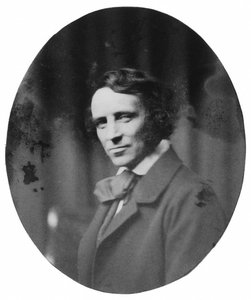
Samuel Laurence
1812 - 1884 , United Kingdom
基本情報
- Artistic Movement Or Style: Portraiture
- Artists Who Influenced This Artist: ['Old Masters']
- Date Of Birth: 1812
- Date Of Death: 1884
- Full Name: Samuel Laurence
- Nationality: British
- Notable Artworks:
- James Spedding
- Sir Frederick Pollock
- Alfred Lord Tennyson
- Thomas Carlyle
- Charles Dickens
- Place Of Birth: Guildford, UK
関連記事
Sir Joshua Reynolds' Masterpieces: 25 Portraits of Power & Refinement | ArtsDot
Explore 25 captivating portraits by Sir Joshua Reynolds, a master of British art. Discover stories behind his iconic paintings, elegant style & historical influence. Find museum-quality reproductions and elevate your home decor on ArtsDot.com.
アンリ・マティスの傑作25選:色彩と情熱の軌跡|ArtsDot
アンリ・マティスの傑作25選🎨 色彩と情熱が織りなす世界を旅する。フォーヴィスム代表の巨匠、マティスの絵画の魅力と歴史を紐解きます。ArtsDotで高品質なアートプリントや複製画を見つけ、インテリアに芸術的な輝きを✨ Explore the full collection online

Sir Alfred Munnings' Masterpieces: 25 Paintings That Define Equine Art | ArtsDot
Explore 25 iconic Sir Alfred Munnings paintings! Discover the beauty of British Impressionism, equine art & rural England. Find museum-quality reproductions and elevate your home decor with ArtsDot. Explore the full collection online.
Sir Francis Grant: Portraiture, Patronage & Victorian Society
Explore the life & work of Sir Francis Grant, a leading Victorian portraitist. Discover his aristocratic clientele, role at the Royal Academy, and enduring artistic legacy. Learn about art patronage in 19th-century Britain.
Sir James Jebusa Shannon: A Master of Victorian Portraiture & Aesthetic Style
Explore the life & art of Sir James Jebusa Shannon, a leading Victorian portrait painter. Discover his elegant style, technical mastery, and lasting influence on British art. Shop high-quality reproductions at ArtsDot.

