

 プレビュー
プレビュー
 プリントを購入
 シェアする
シェアする シェアする
シェアする
 詳細を見る
詳細を見る

 ダウンロード
 似ている作品
 X線調査
X線調査 スライドショー
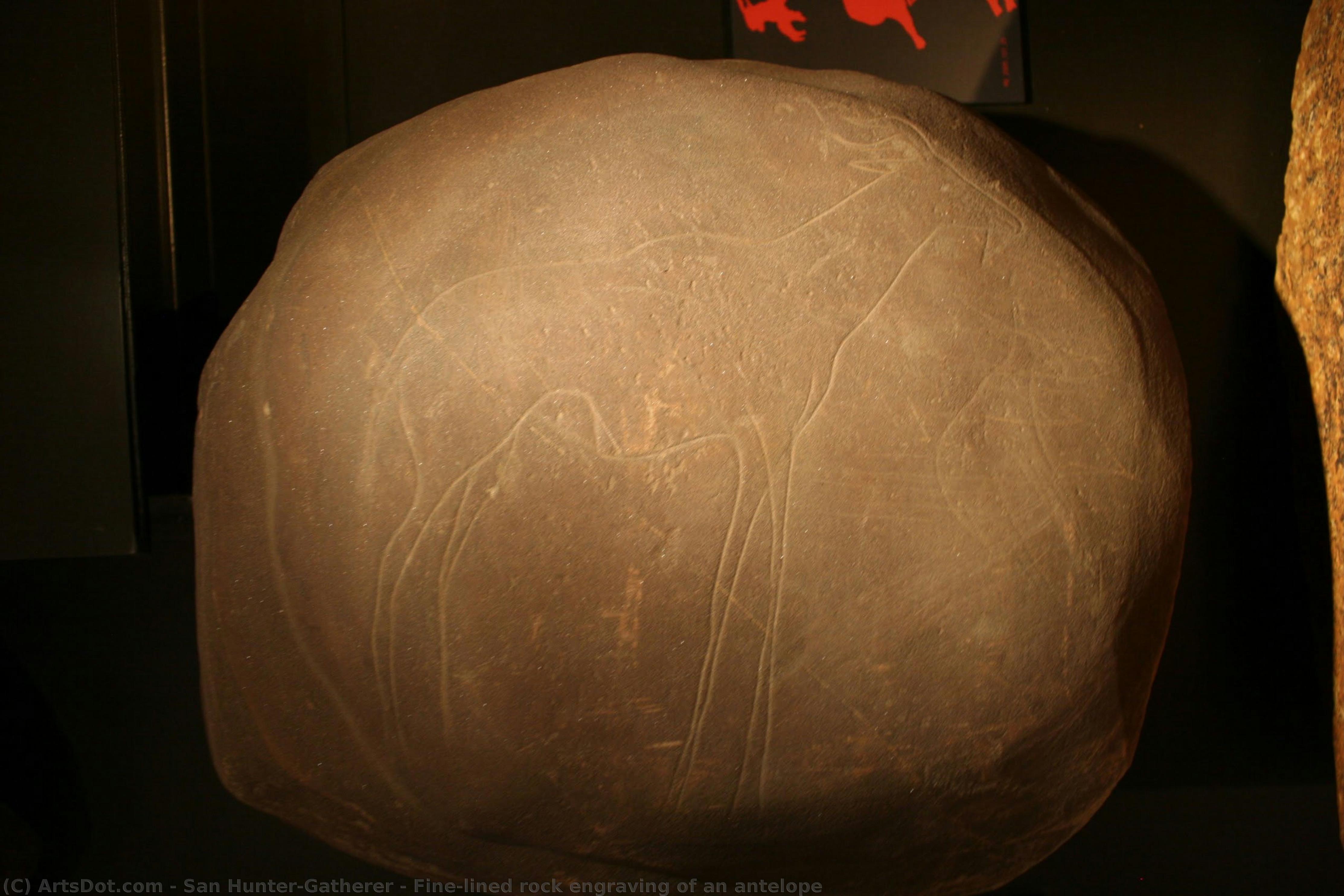
Fine-lined rock engraving of an antelope


 詳細を見る
詳細を見る
オンラインプレビューをはるかに凌ぐ、高解像度で鮮明なデジタル画像をご購入いただけます。
各ファイルは、社内の専門家が高度なツールと熟練した手作業によるレタッチを用いて、細心の注意を払って準備されています。すべての画像において、卓越した鮮明度、正確な色彩再現性、そして繊細なディテールを保証いたします。
最終ファイルは、プロフェッショナルな編集・印刷環境ですぐにご利用いただけるよう最適化された状態で、72時間以内にメールにてお届けいたします。これは、一流のデザインスタジオ、出版社、ギャラリーから信頼されているものと同等の品質です。
デジタル画像のご注文に付随する特典
高品質なデジタル画像配信を、確かな品質で。
ArtsDot.com を選ぶことは、単に画像を手に入れることではありません。それは、プロの手によって精密に仕上げられ、満足保証が付いた高品質なデジタルアートワークを受け取ることを意味します。ご注文いただいた際に自動的に付随する内容は、以下の通りです:

メールですぐにお届け
ご注文から72時間以内に、高解像度のデジタル画像ファイルがメールでお手元に届きます。すぐにそのままご利用いただけます。

AI技術で最適化されたデジタルファイル
お客様の作品は、高度なAIツールと専門家による手作業の編集を組み合わせてプロフェッショナルに最適化されており、細部のディテール、鮮明さ、そして正確な色再現性を最大限に引き出しています。

一生涯無料の再送サービス
ファイルを誤って削除したり、紛失してしまったりしましたか?ご安心ください。いつでも無料で再送いたします。

輸入手数料は一切かかりません
関税や手数料、配送料を気にすることなく、お気に入りのアートワークをすぐにお楽しみいただけます。デジタルダウンロードは常に免税です。

色彩再現の保証
プロ仕様のツールとカラーマネジメント技術を用いることで、デジタル画像が元の色を最大限に忠実に再現することを保証いたします。

100日間満足保証
ご購入いただいたデジタル画像にご満足いただけない場合は、100日以内であれば、修正または100%の返金(理由を問う必要はありません)をさせていただきます。

100% 返金保証
ご満足いただけない場合は、デジタルファイルを受け取ってから100日以内であれば、理由を問わず全額返金いたします。

まとめ買い割引
3枚購入で10%OFF - 5枚購入で15%OFF - 10枚以上購入で20%OFF。クリエイティブなプロジェクト、ギャラリー、エージェンシーに最適です。
関連作品










作家の略歴
The Eternal Echoes of San Artistry
To encounter the art of the San hunter-gatherers is to step through a veil into one of the most profound and enduring spiritual landscapes on Earth. Representing one of the oldest surviving cultures in southern Africa, the San people—often referred to as Bushmen—have left behind an artistic legacy that transcends mere decoration. Their work serves as a sacred dialogue between the physical world and the spirit realm, a testament to human adaptability and a deep-seated connection to the rhythms of the natural environment. For millennia, these nomadic societies have utilized the canvas of the earth itself to document their cosmology, weaving together the threads of survival, ritual, and myth into a visual language that remains strikingly potent today.
The essence of San artistry is inextricably linked to the concept of supernatural potency. In the belief systems of groups such as the Kalahari Ju|’hoansi, this invisible energy—known as n|om—is a force akin to an electrical current that flows through the universe. Much of their most celebrated work captures the intensity of the communal trance dance, a ritualistic performance where participants move in rhythmic circles, clapping and singing until they enter a state of altered consciousness. These artists meticulously depicted the moment when dancers, the "owners of energy," harness this power to journey into the spirit world. Through their eyes, we see the spiritual labor required to heal the sick, influence the weather, and ensure the prosperity of the hunt, making their art a vital record of communal survival and spiritual duty.
Techniques of Earth and Stone
The mastery of San artists is found in their intimate knowledge of the land's raw materials. Their primary medium was the rock face, which they treated not as a flat surface, but as a permeable membrane between realities. To create their vibrant compositions, they utilized pigments derived from minerals such as ochre and manganese oxide, binding these powders with organic substances like animal fat or plant resins. This chemical alchemy allowed for colors that have endured through countless centuries of weathering.
Beyond the fluid strokes of painting, the San practiced a sophisticated form of rock engraving. Using sharpened stones, they meticulously etched fine-lined designs into sandstone surfaces. These engravings often featured:
- Stylized Animal Forms: Detailed depictions of antelope, zebra, and cattle that convey symbolic depth beyond simple representation.
- Geometric Patterns: Intricate lines and shapes that some researchers believe may map the movement of pastoralists or represent complex cosmological maps.
- The Eland: A central figure in their iconography, the eland was revered as an animal possessing immense supernatural potency, often depicted with red lines and white dots to signify its sacred nature.
A Legacy Carved in Time
The historical significance of San hunter-gatherer art cannot be overstated; it is a foundational pillar of human cultural heritage. While the nomadic lifestyle of the San has faced immense pressures from colonization and environmental shifts, their artistic voice remains an unbroken link to the prehistoric past. Their work provides invaluable insights into the cognitive and social evolution of early humans, showcasing a level of symbolic complexity that challenges modern perceptions of "primitive" art. By documenting the intersection of animal behavior, ecology, and the divine, the San artists created a permanent archive of the human spirit's attempt to understand its place within the vast, breathing tapestry of the African continent.
san hunter-gatherer
South Africa
プロフィール概要
- Artistic Movement Or Style: Rock painting
- Full Name: San hunter-gatherer
- Nationality: African
- Notable Artworks: ['Trance dance']
- Place Of Birth: South Africa