

 プレビュー
プレビュー
 プリントを購入
 シェアする
シェアする シェアする
シェアする
 詳細を見る
詳細を見る

 ダウンロード
 似ている作品
 X線調査
X線調査 スライドショー
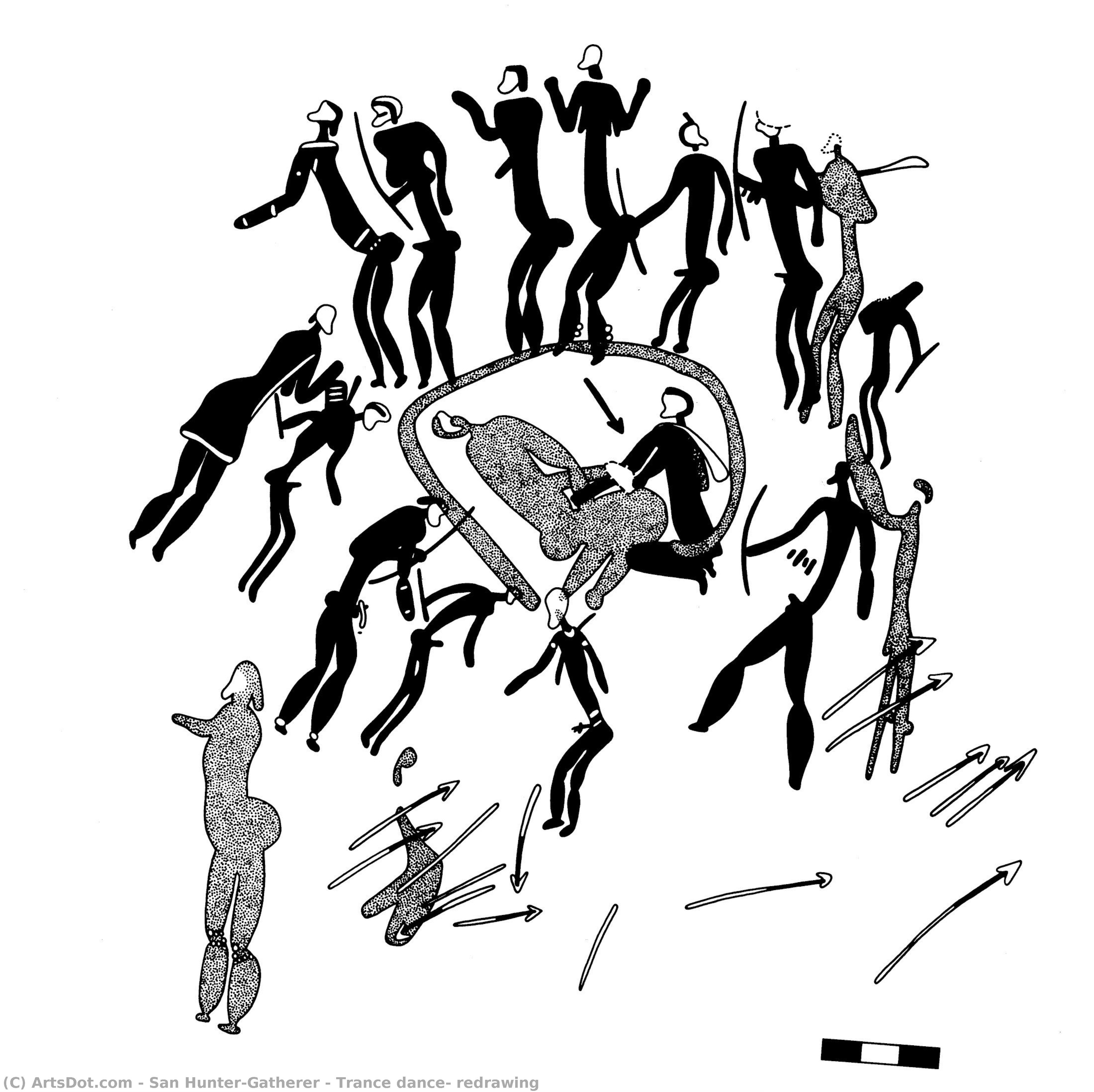
Trance dance, redrawing


 詳細を見る
詳細を見る




P118B $10

P118H $10

P118W $10

P438Z $10

P508JH $12

P508YH $12

P805H $10

P805Z $10

P919BZ $10

P919G $10

P919XJ $10

P959ZH $10

P968JZ $12

W106C $8

W218G $10

W218JH $8

W218Y $10

W307PJ $10

W316G $10

W316PJ $8

W316Y $10

W398PJ $8

W4111J $10

W500HY $15

W500JH $15

W692G $12

W849H $8

W940BG $15

W953PJ $8




作品のオリジナル比率に合わせた、当店の規定サイズからお選びください。

特定のフレームやスペースに合わせて、ご希望のサイズをご入力いただけます。選択されたサイズが元の画像の比率と異なる場合、アートワークをトリミングするか、手描きで要素を追加して絵画を拡張いたします。デジタルモックアップ を制作し、制作開始前にご確認(承認)をいただきます。
画面上のプレビューは、実際のトリミングや拡張を正確に反映しているものではありません。最終的な構図は、モックアップによってのみ正確にご確認いただけます。
カスタムサイズもご利用いただけますが、元の比率を維持するためには、あらかじめ用意されたリストからサイズを選択することをお勧めいたします。
ご注文後、ArtsDot.com チームより詳細な指示をお送りするとともに、仕上がりイメージ(モックアップ)をご提供いたします。


 ガラスオプションは、110cm未満のサイズでのみご利用いただけます。

Trance dance, redrawing
複製技法
複製画のサイズ
-


合計金額
$ 563
関連作品








アーティストの略歴
The Eternal Echoes of San Artistry
To encounter the art of the San hunter-gatherers is to step through a veil into one of the most profound and enduring spiritual landscapes on Earth. Representing one of the oldest surviving cultures in southern Africa, the San people—often referred to as Bushmen—have left behind an artistic legacy that transcends mere decoration. Their work serves as a sacred dialogue between the physical world and the spirit realm, a testament to human adaptability and a deep-seated connection to the rhythms of the natural environment. For millennia, these nomadic societies have utilized the canvas of the earth itself to document their cosmology, weaving together the threads of survival, ritual, and myth into a visual language that remains strikingly potent today.
The essence of San artistry is inextricably linked to the concept of supernatural potency. In the belief systems of groups such as the Kalahari Ju|’hoansi, this invisible energy—known as n|om—is a force akin to an electrical current that flows through the universe. Much of their most celebrated work captures the intensity of the communal trance dance, a ritualistic performance where participants move in rhythmic circles, clapping and singing until they enter a state of altered consciousness. These artists meticulously depicted the moment when dancers, the "owners of energy," harness this power to journey into the spirit world. Through their eyes, we see the spiritual labor required to heal the sick, influence the weather, and ensure the prosperity of the hunt, making their art a vital record of communal survival and spiritual duty.
Techniques of Earth and Stone
The mastery of San artists is found in their intimate knowledge of the land's raw materials. Their primary medium was the rock face, which they treated not as a flat surface, but as a permeable membrane between realities. To create their vibrant compositions, they utilized pigments derived from minerals such as ochre and manganese oxide, binding these powders with organic substances like animal fat or plant resins. This chemical alchemy allowed for colors that have endured through countless centuries of weathering.
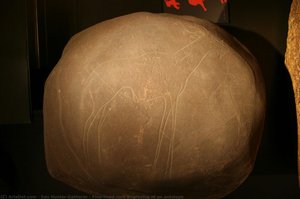
Beyond the fluid strokes of painting, the San practiced a sophisticated form of rock engraving. Using sharpened stones, they meticulously etched fine-lined designs into sandstone surfaces. These engravings often featured:
- Stylized Animal Forms: Detailed depictions of antelope, zebra, and cattle that convey symbolic depth beyond simple representation.
- Geometric Patterns: Intricate lines and shapes that some researchers believe may map the movement of pastoralists or represent complex cosmological maps.
- The Eland: A central figure in their iconography, the eland was revered as an animal possessing immense supernatural potency, often depicted with red lines and white dots to signify its sacred nature.
A Legacy Carved in Time
The historical significance of San hunter-gatherer art cannot be overstated; it is a foundational pillar of human cultural heritage. While the nomadic lifestyle of the San has faced immense pressures from colonization and environmental shifts, their artistic voice remains an unbroken link to the prehistoric past. Their work provides invaluable insights into the cognitive and social evolution of early humans, showcasing a level of symbolic complexity that challenges modern perceptions of "primitive" art. By documenting the intersection of animal behavior, ecology, and the divine, the San artists created a permanent archive of the human spirit's attempt to understand its place within the vast, breathing tapestry of the African continent.
san hunter-gatherer
South Africa
基本情報
- Artistic Movement Or Style: Rock painting
- Full Name: San hunter-gatherer
- Nationality: African
- Notable Artworks: ['Trance dance']
- Place Of Birth: South Africa
関連記事
The Nuances of Graphite: Exploring Emotional Depth & Technical Mastery in Pencil Drawing
Explore the captivating world of graphite drawing! Discover its rich history, master essential techniques like chiaroscuro, and learn how artists evoke emotion through this timeless medium. Expert insights for art enthusiasts.

Sir Nathaniel Dance-Holland: Portraiture, Patronage & Georgian Identity
Explore the life & art of Sir Nathaniel Dance-Holland, a leading Georgian portraitist. Discover his masterful technique, influential patrons, and lasting impact on 18th-century British society. A guide for discerning collectors.
ルノワール傑作25選:光と色彩が織りなす印象派の華麗なる世界 | ArtsDot
ルノワールの傑作25選🎨 印象派の光と色彩が輝く世界へ。絵画の背景、技法、そして時代を超えて愛される理由を紐解きます。ArtsDotで高品質な複製画やインテリアアートを見つけ、お部屋に芸術的な彩りを✨ Explore the full collection online!

The Enduring Power of Line: Exploring Themes & Techniques in Drawing Across Art History
Explore the rich history of drawing! Discover key techniques like linear perspective & iconic artists from the Renaissance to modern times. Enhance your art appreciation with ArtsDot.

Frederick Bridgman: Anatomical Mastery & the Evolution of Figure Drawing Instruction
Explore the anatomical mastery of George B. Bridgman & his revolutionary figure drawing techniques. Discover how his methods transformed art instruction and continue to inspire artists today. Learn more at ArtsDot.