 プレビュー
プレビュー
 シェアする
シェアする シェアする
シェアする
 詳細を見る
詳細を見る

 ダウンロード
 似ている作品
 X線調査
X線調査 スライドショー
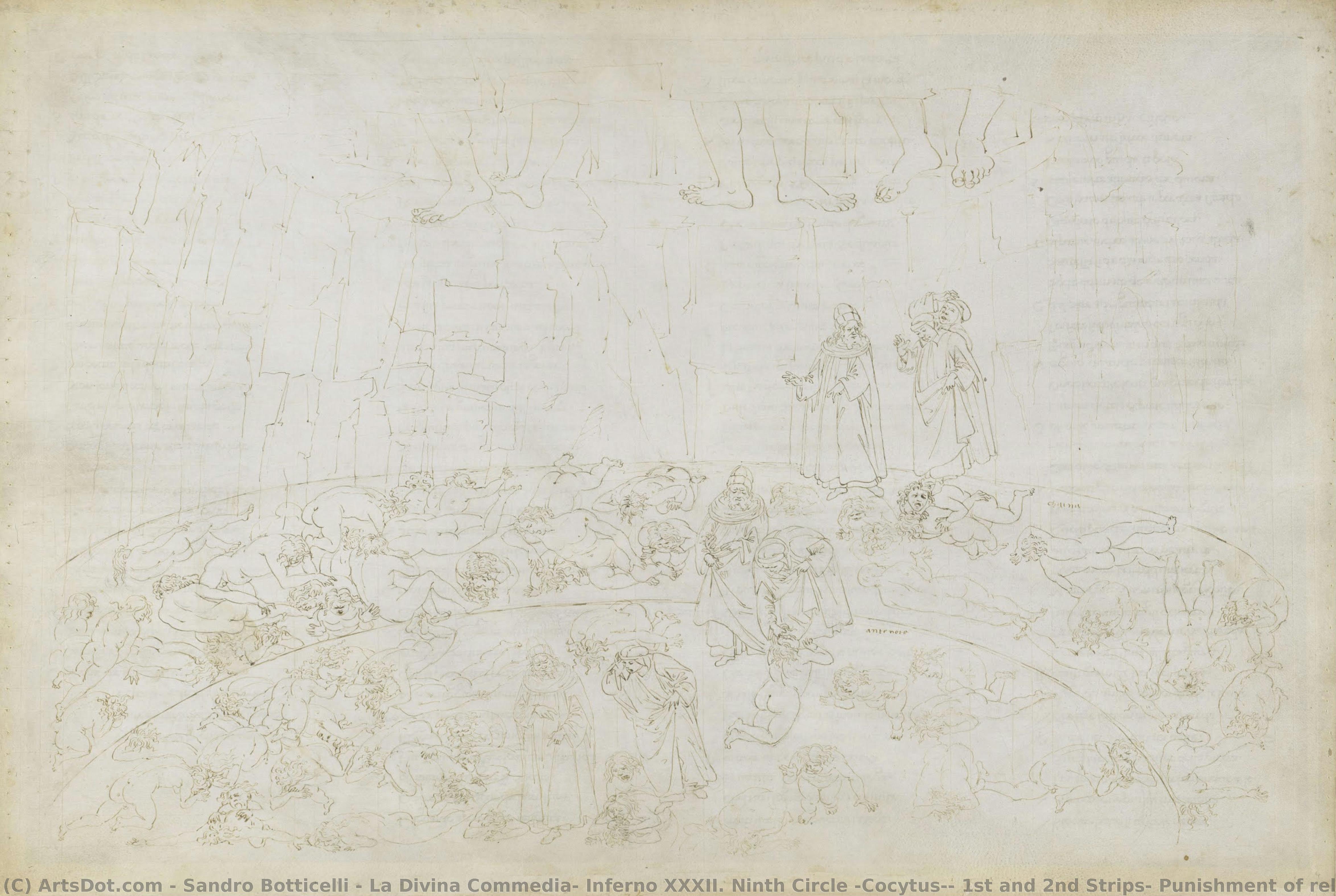
La Divina Commedia, Inferno XXXII. Ninth Circle (Cocytus), 1st and 2nd Strips: Punishment of relatives and fatherland traitors in the ice of the Caina and Antenora
 Acrylic
- WallArt
- Early Renaissance
 47.0 x 32.0 cm
 クーパーシュチッヒカビネット
 詳細を見る
詳細を見る
ジークレー/アートプリント
迅速な制作と多彩な仕上げオプションを備えた、ミュージアムクオリティのジークレーまたはキャンバスプリント。 ( 手描きの絵画を購入 画像を購入)




P118B $10

P118H $10

P118W $10

P438Z $10

P508JH $12

P508YH $12

P805H $10

P805Z $10

P919BZ $10

P919G $10

P919XJ $10

P959ZH $10

P968JZ $12

W106C $8

W218G $10

W218JH $8

W218Y $10

W307PJ $10

W316G $10

W316PJ $8

W316Y $10

W398PJ $8

W4111J $10

W500HY $15

W500JH $15

W692G $12

W849H $8

W940BG $15

W953PJ $8




作品のオリジナル比率に合わせた、当店の規定サイズからお選びください。

特定のフレームやスペースに合わせて、ご自身でサイズを指定することも可能です。選択されたサイズが元の画像の比率と一致しない場合、作品をトリミングするか、鏡面反射または単色での塗りつぶしによって画像を拡張いたします。制作を開始する前に、ご確認用のデジタルモックアップをお送りいたします。
画面上のプレビューには、実際のトリミングや拡張は反映されませんのでご注意ください。最終的な構図を正確に確認できるのは、モックアップのみとなります。
カスタムサイズも承っておりますが、元の比率を維持するためには、あらかじめ用意されたリストからサイズを選択することをお勧めいたします。


 ガラスオプションは、110cm未満のサイズでのみご利用いただけます。

La Divina Commedia, Inferno XXXII. Ninth Circle (Cocytus), 1st and 2nd Strips: Punishment of relatives and fatherland traitors in the ice of the Caina and Antenora
ジークレー/アートプリント
複製画のサイズ
-


合計金額
$ 62
作品詳細説明
A Frozen Testament to Betrayal: Botticelli’s Inferno XXXII
Sandro Botticelli's "La Divina Commedia," specifically the depiction of Inferno XXXII – the Ninth Circle, Cocytus – is a profoundly unsettling and exquisitely rendered image from Dante Alighieri’s epic poem. This particular strip, illustrating the punishment of those who betrayed their kin and country, offers a chilling glimpse into the architect of hell itself. The scene unfolds within the icy depths of the Caina and Antenora, rivers of frozen tears that represent the anguish of lost loyalty. Botticelli doesn't offer a straightforward depiction of torment; instead, he presents figures caught in an eternal, agonizing stillness, encased within blocks of ice – a visual metaphor for the irreversible nature of their transgression. The stark monochrome palette, achieved through silverpoint drawing and later, subtle washes of color, amplifies the sense of coldness, isolation, and despair that permeates the scene. It’s a testament to Botticelli's ability to translate Dante’s powerful words into a visual experience that lingers long after viewing.
The Technique of Silverpoint and Pentimenti
Botticelli’s method in creating these drawings is as fascinating as the imagery itself. He employed the technique of silverpoint, a laborious process involving tracing designs onto vellum with a silver stylus. This created incredibly fine lines that were then incised with brown ink – a deliberate choice that left visible pentimenti, or ‘interventions,’ throughout the artwork. These marks represent alterations and corrections made by Botticelli during the drawing process, offering a rare and intimate look into his creative journey. Examining these pentimenti reveals not just artistic adjustments but also moments of contemplation and struggle as he wrestled with how to best capture Dante’s vision. The delicate nature of silverpoint lends an ethereal quality to the work, mirroring the otherworldly setting of Hell itself. It's a technique that speaks volumes about Botticelli’s meticulousness and his deep engagement with the subject matter.
Symbolism Within the Ice: Family, Loyalty, and Divine Justice
The imagery within this strip is laden with symbolic weight. The frozen figures are not merely punished; they are entombed in ice that represents the coldness of their hearts and the betrayal of those closest to them. The rivers of Caina and Antenora themselves symbolize regret and sorrow, reflecting the eternal suffering of the damned. Botticelli masterfully uses spatial arrangement – the larger, more imposing figures at the bottom of the image suggest a greater degree of culpability, while smaller, almost obscured forms hint at the insidious nature of betrayal. The act of freezing is not simply physical; it represents the severing of bonds and the ultimate isolation from humanity. Dante’s poem consistently emphasizes divine justice – that those who betray their families and homeland are denied entry into paradise, forever trapped in this icy purgatory.
A Legacy Preserved: The Hamilton Discovery and its Significance
The remarkable survival of these drawings is a story in itself. Discovered in 1854 by Gustav von Waagen within the library of the Duke of Hamilton, they were nearly lost to history until a determined effort led by Friedrich Lipmann secured their acquisition for Berlin’s Kupferstichkabinett. This rescue from obscurity underscores the immense value of these works not just as artistic achievements but also as historical documents – providing invaluable insight into Botticelli's working methods and the cultural context in which he created them. Today, these drawings represent a crucial link to one of the most influential literary masterpieces ever written, offering a tangible connection to Dante’s vision and Botticelli’s extraordinary interpretation.
ArtsDot offers meticulously crafted hand-painted reproductions of this hauntingly beautiful image, allowing you to experience the power and artistry of Botticelli's "La Divina Commedia" in stunning detail. Whether for a grand salon or a contemplative study, our reproductions capture the essence of this iconic artwork while preserving its historical significance.
関連作品
アーティストの略歴
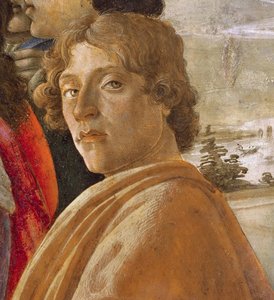
サンドロ・ボッティチェリ:ルネサンスの詩人画家
1445年頃、フィレンツェで生まれたアレッサンドロ・ディ・マリアーノ・ディ・ヴァンニ・フィリペピ。後にサンドロ・ボッティチェリとして知られる彼は、初期ルネサンス期の最も重要な芸術家の一人であり、その作品は美と調和の象徴として、時代を超えて人々を魅了し続けています。彼の人生は、メディチ家の庇護のもと、フィレンツェという文化の中心地で展開され、芸術、哲学、文学が花開く時代を背景に、独自の芸術世界を築き上げました。
ボッティチェリの初期の教育については詳細は不明ですが、金細工師としての修行を経て、画家フィリッポ・リッピのもとで絵画技術を習得したことが知られています。リッピの影響を受けながらも、彼は独自のスタイルを確立し、アンтонио・デル・ポーライオーロやアンドレア・デル・ヴェロッキオといった同時代の巨匠からも影響を受けました。特に、彫刻的な人物描写と、繊細な線描が特徴的であり、彼の作品に独特の魅力を生み出しました。
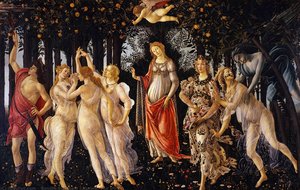
ボッティチェリの芸術の特徴は、その優雅で詩情豊かな表現にあります。「ヴィーナスの誕生」や「春(プリマヴェーラ)」に見られるように、古典古代の神話や寓意を題材に取り入れながら、独自の解釈と美意識に基づいた作品を生み出しました。これらの作品は、単なる物語の描写ではなく、愛、美、そして精神的な高揚といった普遍的なテーマを探求するものであり、ルネサンス期の人文主義思想を体現するものとして高く評価されています。彼の描く人物たちは、洗練された衣装を身につけ、優雅なポーズをとっており、まるで生きているかのような生命力に満ち溢れています。
ボッティチェリの作品は、その繊細な色彩と線描によって特徴づけられます。彼は、テンペラ画という技法を多用し、鮮やかな色彩と緻密な描写を実現しました。また、彼の作品には、銀筆(シルバーポイント)による下絵が施されていることが多く、その繊細なタッチは、最終的な作品の完成度を高めています。特に「ヴィーナスの誕生」におけるヴェーヌス像の肌の表現や、「春」における人物たちの衣装の描写は、彼の卓越した技術力の証と言えるでしょう。
晩年と再評価
15世紀末には、ドミニコ会の修道士ジロラモ・サヴォナローラの布教活動の影響を受け、ボッティチェリの芸術にも変化が見られます。サヴォナローラは、当時のフィレンツェにおける奢侈や退廃を厳しく非難し、宗教的な清貧と禁欲を説きました。その結果、ボッティチェリもまた、自身の作品に宗教的なテーマを取り入れ、より内省的で精神的な表現へと傾倒していったのです。
しかし、彼の晩年の作品は、当時の世情に受け入れられず、忘れ去られてしまうという憂き目に遭いました。19世紀に入り、前ラファエロ派の画家たちがボッティチェリの作品を再評価し、その芸術的な価値を広く知らしめました。彼らの熱心な支持によって、ボッティチェリはルネサンス期の最も重要な芸術家の一人として、再び脚光を浴びることになったのです。
今日、ボッティチェリの作品は、世界中の美術館に所蔵されており、多くの人々を魅了し続けています。彼の作品は、ルネサンス期における美意識と精神性を象徴するものであり、芸術史において不朽の名声を確立しています。特に「ヴィーナスの誕生」や「春」は、西洋美術の金字塔として、その地位を不動のものとしているのです。
主要作品
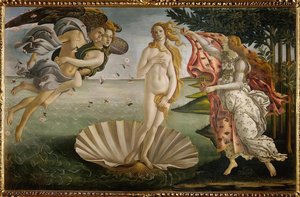
- ヴィーナスの誕生 (La nascita di Venere)
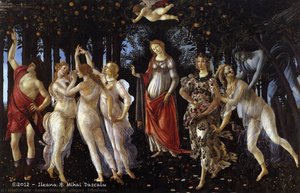
- 春(プリマヴェーラ)(Primavera)
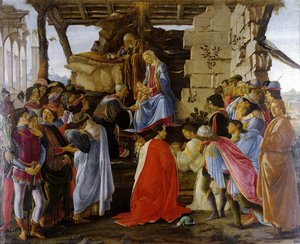
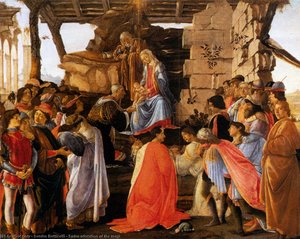
- マギの礼拝 (Adorazione dei Magi)
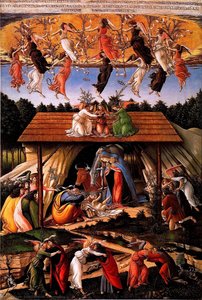
- 神秘の受胎告知 (Natività mistica)
ボッティチェリ
1445 - 1510 , イタリア
基本情報
- フルネーム: サンドロ・ボッティチェリ
- 主な作品:
- ヴィーナスの誕生
- 春の賛歌
- マギの礼拝
- 出生地: フィレンツェ(イタリア)
- 国籍: イタリア
- 影響を与えた芸術家または運動: ['プレラファエライト協会']
- 影響を受けたアーティスト:
- フラ・フィリッポ・リピ
- パオロ・ウッチョロ
- 死亡年月日: 1510年5月17日
- 生年月日: 1445年3月1日頃
- 芸術運動またはスタイル: 初期ルネサンス
関連記事
ボッティチェリの至宝25選:ルネサンス美術の華麗なる世界 | ArtsDot
ボッティチェリの至宝25選。ルネサンス美術を代表する「春」「ヴィーナスの誕生」など、名画の物語と芸術史を紐解きます。ArtsDotで高品質な複製画やインテリアアートを見つけ、お部屋に永遠の美を。今すぐコレクションをご覧ください。
ダンテ・ガブリエル・ロセッティ傑作25選:美と象徴が織りなす芸術の世界 | ArtsDot
ダンテ・ガブリエル・ロセッティの傑作25選。プレラファエライトの象徴主義、美しい女性画の世界へ。油絵やアートプリントで、リビングや寝室を彩るインテリアアートを見つけましょう。ArtsDot.comで名画コレクションを探索。
初期ルネサンス美術を彩る至宝:10選が示す革新と美の源泉
初期ルネサンス美術の革新を彩る10選。ボッティチェリ、ダ・ヴィンチの名作から、時代を超越する美と技術を紐解きます。壁掛けアートやインテリアにインスピレーションを。ArtsDot.comで至宝のコレクションをオンラインで発見しましょう!
ウフィツィ美術館の至宝25選:ルネサンス巨匠たちの傑作とアートデコレーション
ウフィツィ美術館の至宝25選:ボッティチェリ、レオナルド・ダ・ヴィンチ…ルネサンス巨匠たちの傑作と感動的な物語を紐解きます。高品質な絵画複製やアートプリントで、お部屋に名画の輝きを。ArtsDot.comで芸術の世界へ。
ベルリン国立美術館の至宝25選:名画と芸術の物語 | ArtsDot
ベルリン国立美術館の至宝25選。ネフェルティティ像、ペルガモン祭壇など、名画と芸術作品の物語を紐解きます。シンケルの建築美も堪能。ArtsDot.comで高品質な複製画やインテリアアートを探求し、お部屋に永遠の輝きを。