 プレビュー
プレビュー
 プリントを購入
 シェアする
シェアする シェアする
シェアする
 詳細を見る
詳細を見る

 ダウンロード
 似ている作品
 X線調査
X線調査 スライドショー
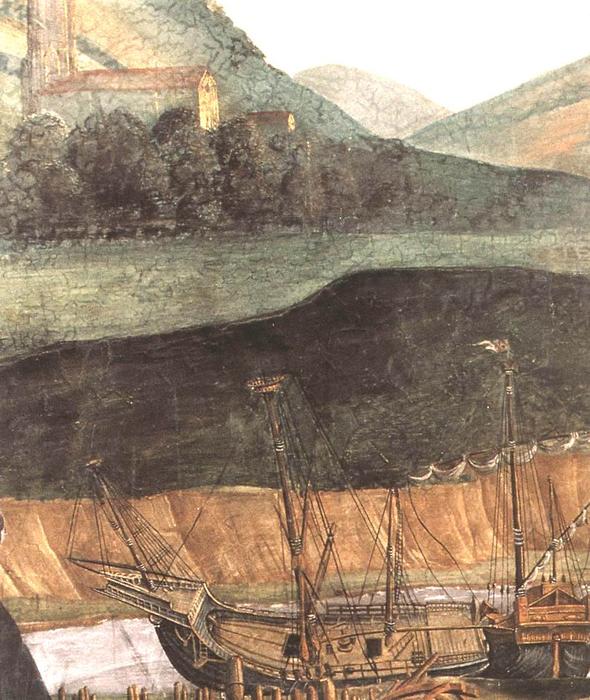
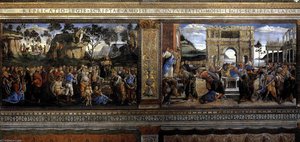
The Punishment of Korah and the Stoning of Moses and Aaron (detail 6) (Cappella Sistina, Vatican)


 詳細を見る
詳細を見る




P118B $10

P118H $10

P118W $10

P438Z $10

P508JH $12

P508YH $12

P805H $10

P805Z $10

P919BZ $10

P919G $10

P919XJ $10

P959ZH $10

P968JZ $12

W106C $8

W218G $10

W218JH $8

W218Y $10

W307PJ $10

W316G $10

W316PJ $8

W316Y $10

W398PJ $8

W4111J $10

W500HY $15

W500JH $15

W692G $12

W849H $8

W940BG $15

W953PJ $8




作品のオリジナル比率に合わせた、当店の規定サイズからお選びください。

特定のフレームやスペースに合わせて、ご希望のサイズをご入力いただけます。選択されたサイズが元の画像の比率と異なる場合、アートワークをトリミングするか、手描きで要素を追加して絵画を拡張いたします。デジタルモックアップ を制作し、制作開始前にご確認(承認)をいただきます。
画面上のプレビューは、実際のトリミングや拡張を正確に反映しているものではありません。最終的な構図は、モックアップによってのみ正確にご確認いただけます。
カスタムサイズもご利用いただけますが、元の比率を維持するためには、あらかじめ用意されたリストからサイズを選択することをお勧めいたします。
ご注文後、ArtsDot.com チームより詳細な指示をお送りするとともに、仕上がりイメージ(モックアップ)をご提供いたします。


 ガラスオプションは、110cm未満のサイズでのみご利用いただけます。

The Punishment of Korah and the Stoning of Moses and Aaron (detail 6) (Cappella Sistina, Vatican)
複製技法
複製画のサイズ
-


合計金額
$ 263
A Dramatic Testament to Faith: Botticelli's "The Punishment of Korah"
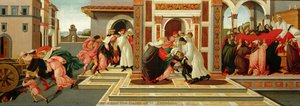
Sandro Botticelli’s “The Punishment of Korah and the Stoning of Moses and Aaron,” a captivating detail from the Sistine Chapel ceiling, stands as a powerful meditation on faith, rebellion, and divine justice. Painted in 1481 during the height of the Early Renaissance, this work transcends mere biblical illustration; it is a profound exploration of human emotion rendered with Botticelli’s signature grace and meticulous attention to detail. The scene depicts a pivotal moment from the Book of Numbers – the tragic fate of Moses and Aaron at the hands of the Israelites, who, misled by Korah's dissent, ultimately stone them to death. The sheer drama of the event is immediately apparent, capturing the raw intensity of the confrontation with remarkable realism for its time.
- Subject Matter: The painting’s subject is rooted in a complex narrative within the Hebrew Bible, specifically recounting the story of Korah's rebellion against Moses and Aaron’s leadership.
- Historical Context: Created during the Papacy of Sixtus IV, this work reflects the artistic trends of the Florentine Renaissance, characterized by a renewed interest in classical antiquity alongside a deep engagement with religious themes.
Technical Brilliance and Botticelli’s Signature Style
Botticelli's mastery is evident in every brushstroke. The composition is carefully structured, drawing the viewer’s eye to the central figures of Moses and Aaron, their faces etched with anguish and resignation. The artist employs a tempera-on-panel technique, characteristic of Florentine painting at this period, resulting in vibrant colors and a luminous quality. Note the delicate rendering of drapery – a hallmark of Botticelli's style – which flows with an almost ethereal grace, adding to the scene’s emotional impact. The use of sfumato, a subtle blurring of lines and edges, creates a sense of depth and atmosphere, further enhancing the realism of the figures and their surroundings. The mountainous landscape, rendered with careful attention to perspective, contributes significantly to the dramatic effect.
Symbolism and Interpretation
Beyond its narrative content, “The Punishment of Korah” is rich in symbolic meaning. The boat upon which Moses and Aaron are brought to judgment represents their vulnerability and isolation amidst the fury of the mob. The surrounding landscape, with its towering mountains, evokes a sense of awe and the overwhelming power of God. The act of stoning itself – a brutal and ancient form of execution – symbolizes the consequences of defying divine authority. Some scholars interpret the scene as an allegory for the struggle between faith and doubt, highlighting the potential dangers of questioning established religious doctrines. The inclusion of the water element adds another layer of complexity, often associated with purification and judgment in biblical contexts.
Emotional Resonance and Artistic Legacy
Botticelli’s “The Punishment of Korah” is not simply a historical depiction; it's an emotionally charged portrayal of human suffering and divine retribution. The figures’ expressions – the despair of Moses, the sorrow of Aaron – resonate with viewers across centuries. This painting exemplifies Botticelli’s ability to infuse religious narratives with profound psychological depth. As a key component of the Sistine Chapel ceiling, this detail contributes significantly to the chapel's overall grandeur and spiritual significance. A hand-painted reproduction offers an unparalleled opportunity to experience the beauty and power of this iconic work of art in your own space.
関連作品
アーティストの略歴
サンドロ・ボッティチェリ:ルネサンスの詩人画家
1445年頃、フィレンツェで生まれたアレッサンドロ・ディ・マリアーノ・ディ・ヴァンニ・フィリペピ。後にサンドロ・ボッティチェリとして知られる彼は、初期ルネサンス期の最も重要な芸術家の一人であり、その作品は美と調和の象徴として、時代を超えて人々を魅了し続けています。彼の人生は、メディチ家の庇護のもと、フィレンツェという文化の中心地で展開され、芸術、哲学、文学が花開く時代を背景に、独自の芸術世界を築き上げました。
ボッティチェリの初期の教育については詳細は不明ですが、金細工師としての修行を経て、画家フィリッポ・リッピのもとで絵画技術を習得したことが知られています。リッピの影響を受けながらも、彼は独自のスタイルを確立し、アンтонио・デル・ポーライオーロやアンドレア・デル・ヴェロッキオといった同時代の巨匠からも影響を受けました。特に、彫刻的な人物描写と、繊細な線描が特徴的であり、彼の作品に独特の魅力を生み出しました。
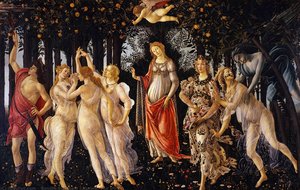
ボッティチェリの芸術の特徴は、その優雅で詩情豊かな表現にあります。「ヴィーナスの誕生」や「春(プリマヴェーラ)」に見られるように、古典古代の神話や寓意を題材に取り入れながら、独自の解釈と美意識に基づいた作品を生み出しました。これらの作品は、単なる物語の描写ではなく、愛、美、そして精神的な高揚といった普遍的なテーマを探求するものであり、ルネサンス期の人文主義思想を体現するものとして高く評価されています。彼の描く人物たちは、洗練された衣装を身につけ、優雅なポーズをとっており、まるで生きているかのような生命力に満ち溢れています。
ボッティチェリの作品は、その繊細な色彩と線描によって特徴づけられます。彼は、テンペラ画という技法を多用し、鮮やかな色彩と緻密な描写を実現しました。また、彼の作品には、銀筆(シルバーポイント)による下絵が施されていることが多く、その繊細なタッチは、最終的な作品の完成度を高めています。特に「ヴィーナスの誕生」におけるヴェーヌス像の肌の表現や、「春」における人物たちの衣装の描写は、彼の卓越した技術力の証と言えるでしょう。
晩年と再評価
15世紀末には、ドミニコ会の修道士ジロラモ・サヴォナローラの布教活動の影響を受け、ボッティチェリの芸術にも変化が見られます。サヴォナローラは、当時のフィレンツェにおける奢侈や退廃を厳しく非難し、宗教的な清貧と禁欲を説きました。その結果、ボッティチェリもまた、自身の作品に宗教的なテーマを取り入れ、より内省的で精神的な表現へと傾倒していったのです。
しかし、彼の晩年の作品は、当時の世情に受け入れられず、忘れ去られてしまうという憂き目に遭いました。19世紀に入り、前ラファエロ派の画家たちがボッティチェリの作品を再評価し、その芸術的な価値を広く知らしめました。彼らの熱心な支持によって、ボッティチェリはルネサンス期の最も重要な芸術家の一人として、再び脚光を浴びることになったのです。
今日、ボッティチェリの作品は、世界中の美術館に所蔵されており、多くの人々を魅了し続けています。彼の作品は、ルネサンス期における美意識と精神性を象徴するものであり、芸術史において不朽の名声を確立しています。特に「ヴィーナスの誕生」や「春」は、西洋美術の金字塔として、その地位を不動のものとしているのです。
主要作品
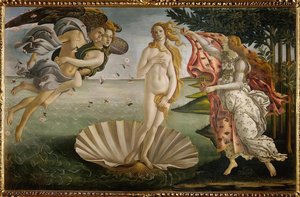
- ヴィーナスの誕生 (La nascita di Venere)
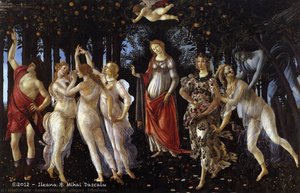
- 春(プリマヴェーラ)(Primavera)
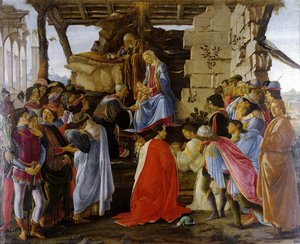
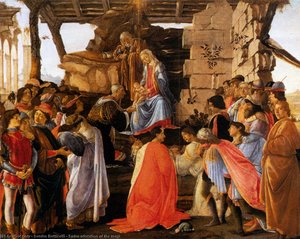
- マギの礼拝 (Adorazione dei Magi)
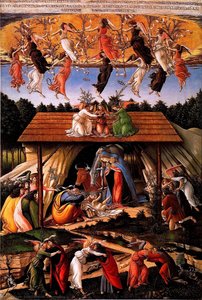
- 神秘の受胎告知 (Natività mistica)
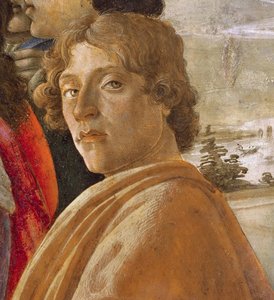
ボッティチェリ
1445 - 1510 , イタリア
基本情報
- フルネーム: サンドロ・ボッティチェリ
- 主な作品:
- ヴィーナスの誕生
- 春の賛歌
- マギの礼拝
- 出生地: フィレンツェ(イタリア)
- 国籍: イタリア
- 影響を与えた芸術家または運動: ['プレラファエライト協会']
- 影響を受けたアーティスト:
- フラ・フィリッポ・リピ
- パオロ・ウッチョロ
- 死亡年月日: 1510年5月17日
- 生年月日: 1445年3月1日頃
- 芸術運動またはスタイル: 初期ルネサンス
関連記事
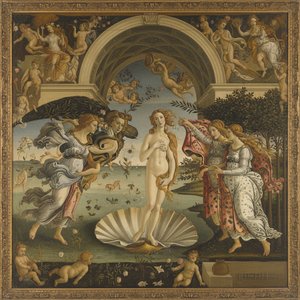
ボッティチェリの至宝25選:ルネサンス美術の華麗なる世界 | ArtsDot
ボッティチェリの至宝25選。ルネサンス美術を代表する「春」「ヴィーナスの誕生」など、名画の物語と芸術史を紐解きます。ArtsDotで高品質な複製画やインテリアアートを見つけ、お部屋に永遠の美を。今すぐコレクションをご覧ください。

Giclée Prints: Archival Quality & Aesthetic Nuances for the Discerning Collector
Explore the world of giclée prints with ArtsDot. Learn about archival quality, aesthetic nuances & investment potential. Expert guidance for discerning art collectors seeking museum-quality reproductions and lasting value.

The Enduring Legacy of Fine Art Prints: Technique, History & Aesthetic Impact
Explore the rich history & techniques of fine art prints. Discover investment potential, assess authenticity, and learn how to preserve your collection with expert guidance. Trusted insights for discerning collectors.

Echoes of Time: Exploring the Enduring Appeal & Historical Context of Vintage Art Prints
Explore the captivating world of vintage art prints! Discover their history, collecting tips & enduring appeal. Expert insights on chromolithography and building a legacy collection with ArtsDot.

The Enduring Legacy of Printmaking: Techniques, Themes & Artistic Innovation Across Centuries
Explore the rich history of printmaking with ArtsDot. Discover techniques from intaglio to lithography, learn about collecting valuable prints & find museum-quality reproductions. Expert insights for art enthusiasts and collectors.