 プレビュー
プレビュー
 シェアする
シェアする シェアする
シェアする
 詳細を見る
詳細を見る

 ダウンロード
 似ている作品
 X線調査
X線調査 スライドショー
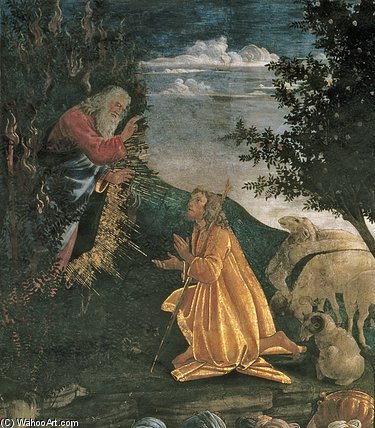
The Youth Of Moses, In The Sistine Chapel -

 詳細を見る
詳細を見る
ジークレー/アートプリント
迅速な制作と多彩な仕上げオプションを備えた、ミュージアムクオリティのジークレーまたはキャンバスプリント。 ( 手描きの絵画を購入 画像を購入)




P118B $10

P118H $10

P118W $10

P438Z $10

P508JH $12

P508YH $12

P805H $10

P805Z $10

P919BZ $10

P919G $10

P919XJ $10

P959ZH $10

P968JZ $12

W106C $8

W218G $10

W218JH $8

W218Y $10

W307PJ $10

W316G $10

W316PJ $8

W316Y $10

W398PJ $8

W4111J $10

W500HY $15

W500JH $15

W692G $12

W849H $8

W940BG $15

W953PJ $8




作品のオリジナル比率に合わせた、当店の規定サイズからお選びください。

特定のフレームやスペースに合わせて、ご自身でサイズを指定することも可能です。選択されたサイズが元の画像の比率と一致しない場合、作品をトリミングするか、鏡面反射または単色での塗りつぶしによって画像を拡張いたします。制作を開始する前に、ご確認用のデジタルモックアップをお送りいたします。
画面上のプレビューには、実際のトリミングや拡張は反映されませんのでご注意ください。最終的な構図を正確に確認できるのは、モックアップのみとなります。
カスタムサイズも承っておりますが、元の比率を維持するためには、あらかじめ用意されたリストからサイズを選択することをお勧めいたします。


 ガラスオプションは、110cm未満のサイズでのみご利用いただけます。

The Youth Of Moses, In The Sistine Chapel -
ジークレー/アートプリント
複製画のサイズ
-


合計金額
$ 62
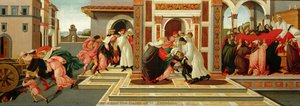
Sandro Botticelli’s ‘The Youth of Moses’: A Window into Florentine Faith
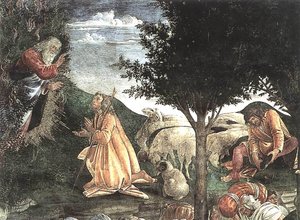
Sandro Botticelli's “The Youth of Moses,” housed within the breathtaking expanse of the Sistine Chapel, stands as a poignant meditation on faith, obedience, and divine guidance. Painted during the height of the Early Renaissance in Florence – a period defined by an unprecedented revival of classical learning and artistic innovation – this fresco embodies the spirit of the age while simultaneously grounding itself in deeply rooted religious tradition. The scene depicts a pivotal moment from the Old Testament narrative: Moses receiving instructions from God, represented subtly yet powerfully through the interaction between the kneeling figure and the standing one. Botticelli’s masterful handling of light and shadow, combined with his characteristic grace and elegance, elevates this biblical story to a timeless expression of human spirituality.
- Subject Matter: The fresco portrays a key episode from the Book of Exodus, specifically Moses receiving divine instruction in the wilderness.
- Historical Context: Created between 1481 and 1483, during the reign of Pope Sixtus IV, “The Youth of Moses” reflects the Papacy’s patronage of the arts and its commitment to fostering religious devotion.
- Commission & Patronage: The work was commissioned by Pope Sixtus IV for the Sistine Chapel, a testament to the church's ambition to create a space of unparalleled beauty and spiritual significance.
A Symphony of Color and Technique
Botticelli’s technique in “The Youth of Moses” is immediately recognizable – characterized by flowing lines, delicate figures, and an almost ethereal quality. The painting employs the traditional fresco method, applying pigments directly onto wet plaster, ensuring a durable and vibrant finish. Note the meticulous detail lavished upon the clothing of the two men, rendered in rich yellows and blues that evoke both the desert landscape and the divine authority of the scene. The use of sfumato – a subtle blurring technique – softens the edges of the figures, creating an atmosphere of serenity and contemplation. The artist’s attention to texture is also remarkable; observe how he depicts the rough fabric of the robes contrasting with the smooth surfaces of the skin, adding depth and realism to the composition.
- Fresco Technique: The painting utilizes the traditional fresco method, ensuring longevity and vibrant color.
- Color Palette: Dominated by blues, yellows, and earth tones, reflecting the biblical setting and Botticelli’s signature style.
- Sfumato Effect: Subtle blurring enhances the figures' ethereal quality and creates a sense of depth.
Symbolism and Spiritual Resonance
Beyond its narrative content, “The Youth of Moses” is rich in symbolic meaning. The kneeling figure represents humanity’s humility and dependence on divine guidance, while the standing figure embodies God’s authority and wisdom. The sheep scattered throughout the background symbolize innocence and obedience – qualities that are central to the story of Moses. The setting itself—a serene wilderness landscape—suggests a space of solitude and reflection, where individuals can connect with the divine. Botticelli masterfully uses these elements to convey a profound message about faith, trust, and the importance of following God’s will.
- Kneeling Figure: Represents human humility and reliance on divine guidance.
- Standing Figure: Symbolizes God's authority and wisdom.
- Sheep: Represent innocence, obedience, and a connection to the natural world.
An Enduring Masterpiece
“The Youth of Moses” remains one of Botticelli’s most celebrated works, admired for its beauty, grace, and spiritual depth. Its influence can be seen in countless subsequent religious paintings, solidifying its place as a cornerstone of Renaissance art. Today, this fresco continues to inspire awe and wonder, offering viewers a glimpse into the heart of Florentine faith and Botticelli’s unparalleled artistic vision. A hand-painted reproduction captures not only the visual splendor of this masterpiece but also the profound emotional resonance that has captivated audiences for centuries.
関連作品
アーティストの略歴
サンドロ・ボッティチェリ:ルネサンスの詩人画家
1445年頃、フィレンツェで生まれたアレッサンドロ・ディ・マリアーノ・ディ・ヴァンニ・フィリペピ。後にサンドロ・ボッティチェリとして知られる彼は、初期ルネサンス期の最も重要な芸術家の一人であり、その作品は美と調和の象徴として、時代を超えて人々を魅了し続けています。彼の人生は、メディチ家の庇護のもと、フィレンツェという文化の中心地で展開され、芸術、哲学、文学が花開く時代を背景に、独自の芸術世界を築き上げました。
ボッティチェリの初期の教育については詳細は不明ですが、金細工師としての修行を経て、画家フィリッポ・リッピのもとで絵画技術を習得したことが知られています。リッピの影響を受けながらも、彼は独自のスタイルを確立し、アンтонио・デル・ポーライオーロやアンドレア・デル・ヴェロッキオといった同時代の巨匠からも影響を受けました。特に、彫刻的な人物描写と、繊細な線描が特徴的であり、彼の作品に独特の魅力を生み出しました。
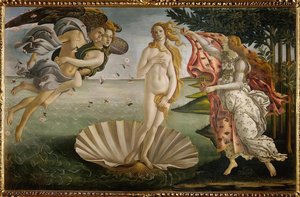
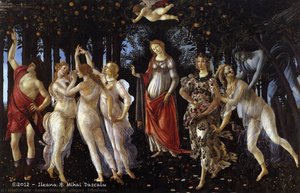
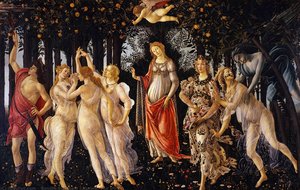
ボッティチェリの芸術の特徴は、その優雅で詩情豊かな表現にあります。「ヴィーナスの誕生」や「春(プリマヴェーラ)」に見られるように、古典古代の神話や寓意を題材に取り入れながら、独自の解釈と美意識に基づいた作品を生み出しました。これらの作品は、単なる物語の描写ではなく、愛、美、そして精神的な高揚といった普遍的なテーマを探求するものであり、ルネサンス期の人文主義思想を体現するものとして高く評価されています。彼の描く人物たちは、洗練された衣装を身につけ、優雅なポーズをとっており、まるで生きているかのような生命力に満ち溢れています。
ボッティチェリの作品は、その繊細な色彩と線描によって特徴づけられます。彼は、テンペラ画という技法を多用し、鮮やかな色彩と緻密な描写を実現しました。また、彼の作品には、銀筆(シルバーポイント)による下絵が施されていることが多く、その繊細なタッチは、最終的な作品の完成度を高めています。特に「ヴィーナスの誕生」におけるヴェーヌス像の肌の表現や、「春」における人物たちの衣装の描写は、彼の卓越した技術力の証と言えるでしょう。
晩年と再評価
15世紀末には、ドミニコ会の修道士ジロラモ・サヴォナローラの布教活動の影響を受け、ボッティチェリの芸術にも変化が見られます。サヴォナローラは、当時のフィレンツェにおける奢侈や退廃を厳しく非難し、宗教的な清貧と禁欲を説きました。その結果、ボッティチェリもまた、自身の作品に宗教的なテーマを取り入れ、より内省的で精神的な表現へと傾倒していったのです。
しかし、彼の晩年の作品は、当時の世情に受け入れられず、忘れ去られてしまうという憂き目に遭いました。19世紀に入り、前ラファエロ派の画家たちがボッティチェリの作品を再評価し、その芸術的な価値を広く知らしめました。彼らの熱心な支持によって、ボッティチェリはルネサンス期の最も重要な芸術家の一人として、再び脚光を浴びることになったのです。
今日、ボッティチェリの作品は、世界中の美術館に所蔵されており、多くの人々を魅了し続けています。彼の作品は、ルネサンス期における美意識と精神性を象徴するものであり、芸術史において不朽の名声を確立しています。特に「ヴィーナスの誕生」や「春」は、西洋美術の金字塔として、その地位を不動のものとしているのです。
主要作品
- ヴィーナスの誕生 (La nascita di Venere)
- 春(プリマヴェーラ)(Primavera)
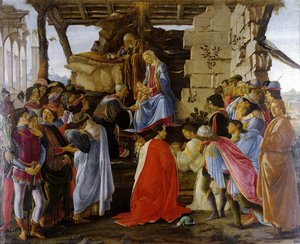
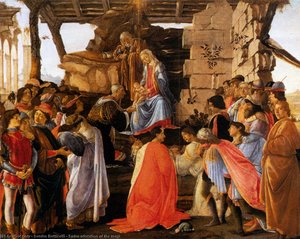
- マギの礼拝 (Adorazione dei Magi)
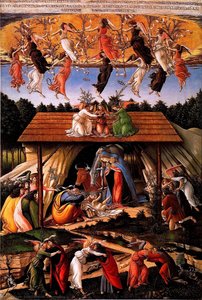
- 神秘の受胎告知 (Natività mistica)
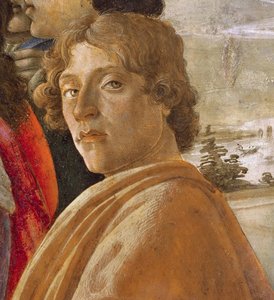
ボッティチェリ
1445 - 1510 , イタリア
基本情報
- フルネーム: サンドロ・ボッティチェリ
- 主な作品:
- ヴィーナスの誕生
- 春の賛歌
- マギの礼拝
- 出生地: フィレンツェ(イタリア)
- 国籍: イタリア
- 影響を与えた芸術家または運動: ['プレラファエライト協会']
- 影響を受けたアーティスト:
- フラ・フィリッポ・リピ
- パオロ・ウッチョロ
- 死亡年月日: 1510年5月17日
- 生年月日: 1445年3月1日頃
- 芸術運動またはスタイル: 初期ルネサンス
関連記事
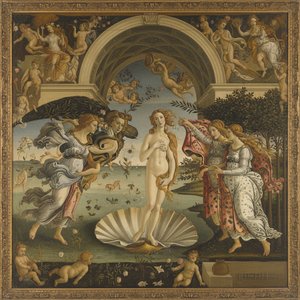
ボッティチェリの至宝25選:ルネサンス美術の華麗なる世界 | ArtsDot
ボッティチェリの至宝25選。ルネサンス美術を代表する「春」「ヴィーナスの誕生」など、名画の物語と芸術史を紐解きます。ArtsDotで高品質な複製画やインテリアアートを見つけ、お部屋に永遠の美を。今すぐコレクションをご覧ください。

Giclée Prints: Archival Quality & Aesthetic Nuances for the Discerning Collector
Explore the world of giclée prints with ArtsDot. Learn about archival quality, aesthetic nuances & investment potential. Expert guidance for discerning art collectors seeking museum-quality reproductions and lasting value.

The Enduring Legacy of Fine Art Prints: Technique, History & Aesthetic Impact
Explore the rich history & techniques of fine art prints. Discover investment potential, assess authenticity, and learn how to preserve your collection with expert guidance. Trusted insights for discerning collectors.
ミケランジェロ傑作25選:美術史を彩る巨匠の魂と革新 - ArtsDot
ミケランジェロの傑作25選。ルネサンスを代表する芸術家の魂が宿る絵画、彫刻の世界へ。ダビデ像やピエタなど、美術史に残る名作の物語と技法を紐解きます。ArtsDotで高品質な複製画とインテリアアートを見つけましょう。

Echoes of Time: Exploring the Enduring Appeal & Historical Context of Vintage Art Prints
Explore the captivating world of vintage art prints! Discover their history, collecting tips & enduring appeal. Expert insights on chromolithography and building a legacy collection with ArtsDot.