 プレビュー
プレビュー
 シェアする
シェアする シェアする
シェアする
 詳細を見る
詳細を見る

 ダウンロード
 似ている作品
 X線調査
X線調査 スライドショー
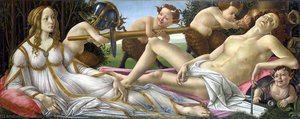
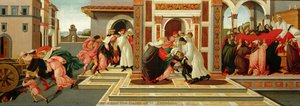
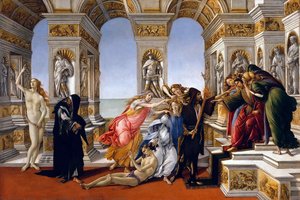
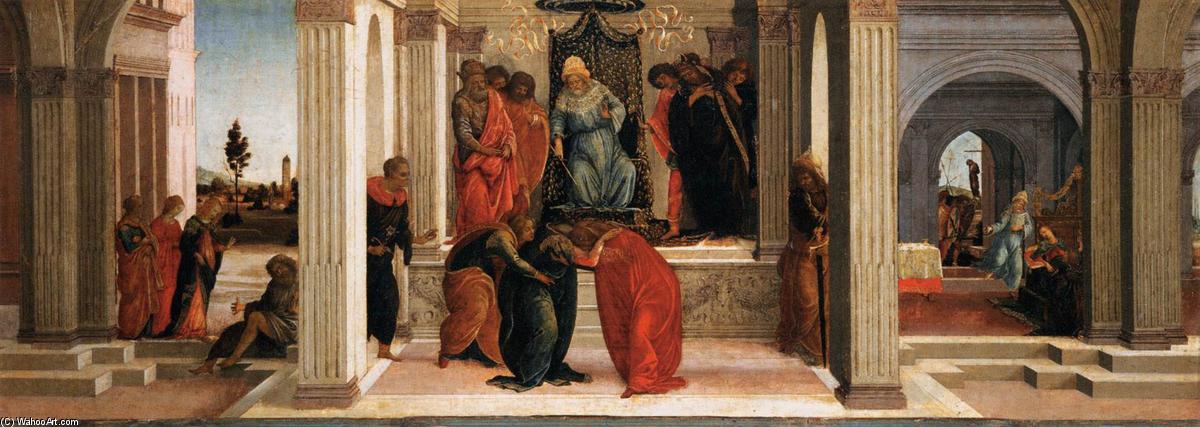
Three Scenes from the Story of Esther
 Tempera On Panel
- Early Renaissance
 1470
1470- Renaissance
 48.0 x 132.0 cm
 ルーブル美術館
 詳細を見る
詳細を見る
ジークレー/アートプリント
迅速な制作と多彩な仕上げオプションを備えた、ミュージアムクオリティのジークレーまたはキャンバスプリント。 ( 手描きの絵画を購入 画像を購入)




P118B $10

P118H $10

P118W $10

P438Z $10

P508JH $12

P508YH $12

P805H $10

P805Z $10

P919BZ $10

P919G $10

P919XJ $10

P959ZH $10

P968JZ $12

W106C $8

W218G $10

W218JH $8

W218Y $10

W307PJ $10

W316G $10

W316PJ $8

W316Y $10

W398PJ $8

W4111J $10

W500HY $15

W500JH $15

W692G $12

W849H $8

W940BG $15

W953PJ $8




作品のオリジナル比率に合わせた、当店の規定サイズからお選びください。

特定のフレームやスペースに合わせて、ご自身でサイズを指定することも可能です。選択されたサイズが元の画像の比率と一致しない場合、作品をトリミングするか、鏡面反射または単色での塗りつぶしによって画像を拡張いたします。制作を開始する前に、ご確認用のデジタルモックアップをお送りいたします。
画面上のプレビューには、実際のトリミングや拡張は反映されませんのでご注意ください。最終的な構図を正確に確認できるのは、モックアップのみとなります。
カスタムサイズも承っておりますが、元の比率を維持するためには、あらかじめ用意されたリストからサイズを選択することをお勧めいたします。


 ガラスオプションは、110cm未満のサイズでのみご利用いただけます。

Three Scenes from the Story of Esther
ジークレー/アートプリント
複製画のサイズ
-


合計金額
$ 62
作品詳細説明
A Renaissance Vision: The Narrative Majesty of Botticelli
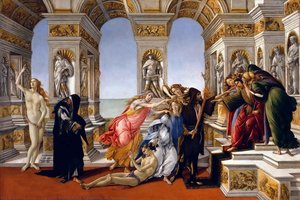
In the heart of the Florentine Early Renaissance, a period defined by the luminous rebirth of classical ideals and humanist thought, Sandro Botticelli crafted a masterpiece that transcends mere decoration. Three Scenes from the Story of Esther is not simply a painting; it is a sweeping cinematic experience captured in fresco and tempera. Created between 1470 and 1475, these panels were originally intended to adorn cassoni—the magnificent marriage chests that served as both functional furniture and status symbols for the elite families of Florence. Through this work, Botticelli invites us into a sacred drama, weaving together the threads of biblical courage and the sophisticated elegance of the Medici era.
The composition unfolds like a beautifully choreographed stage play, divided into three interconnected episodes that trace the perilous journey of Queen Esther. As the viewer’s eye moves across the long, panoramic format, they witness the profound tension of Esther presenting herself before King Ahasuerus, the opulent intimacy of a royal banquet, and the triumphant moment of her coronation. Each scene is anchored by classical architectural elements—grand columns and stately arches—that lend a sense of permanence and gravity to the fleeting emotional beats of the narrative. The artist masterfully balances the regal stillness of the throne room with the lively, rhythmic movement of courtiers, creating a visual cadence that keeps the heart engaged.
Mastery of Technique and Luminous Detail
To behold this work is to appreciate the meticulous craftsmanship of one of history's most gifted hands. Botticelli utilized the traditional Florentine method of applying tempera paint over gesso panels, a technique that allows for an extraordinary level of precision and a characteristic luminosity. The pigments, layered with expert care, retain a vibrancy that has defied the centuries, offering a palette that feels both ancient and remarkably fresh. His signature style—defined by graceful, flowing lines and an almost lyrical approach to human anatomy—is on full display here. There is a subtle softness to the figures, an idealized beauty that avoids the harshness of realism in favor of a more poetic, spiritual truth.
For the discerning collector or interior designer, the technical brilliance of this piece offers unparalleled depth. The way light interacts with the fine details—the drape of a silken robe, the glint of a royal ornament, or the stoic expression on a courtier's face—provides a rich sensory experience. This is an artwork that demands close inspection, rewarding the observer with new discoveries in every brushstroke. It possesses that rare quality of being both a focal point of immense historical weight and a delicate, decorative element that brings a sense of cultured sophistication to any space.
Symbolism and the Emotional Resonance of Courage
Beyond its aesthetic splendor, Three Scenes from the Story of Esther serves as a profound meditation on virtue and bravery. The narrative of Esther is one of high stakes; it is a story of a woman standing alone against systemic persecution to save her people. Botticelli captures this emotional arc through subtle shifts in posture and gaze. In the presence of the King, Esther’s resolve is palpable, embodying the humanist ideal of virtù—the strength of character required to act decisively in the face of adversity. The grandeur of the setting serves as a foil to the internal vulnerability of the protagonist, creating a tension that resonates deeply with the human condition.
Integrating a high-quality reproduction of this work into a curated collection allows for the infusion of this historical spirit into a modern environment. Whether placed in a grand hall or a quiet study, the painting acts as a window into the Renaissance soul. It offers more than just visual beauty; it provides a conversation piece rooted in themes of justice, identity, and triumph. For those seeking to surround themselves with art that inspires contemplation and evokes the timeless elegance of the Florentine masters, this depiction of Esther’s legendary courage remains an incomparable choice.
関連作品

アーティストの略歴
サンドロ・ボッティチェリ:ルネサンスの詩人画家
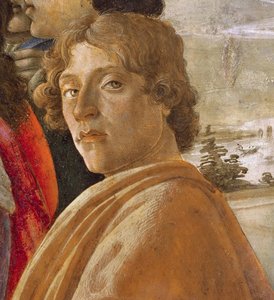
1445年頃、フィレンツェで生まれたアレッサンドロ・ディ・マリアーノ・ディ・ヴァンニ・フィリペピ。後にサンドロ・ボッティチェリとして知られる彼は、初期ルネサンス期の最も重要な芸術家の一人であり、その作品は美と調和の象徴として、時代を超えて人々を魅了し続けています。彼の人生は、メディチ家の庇護のもと、フィレンツェという文化の中心地で展開され、芸術、哲学、文学が花開く時代を背景に、独自の芸術世界を築き上げました。
ボッティチェリの初期の教育については詳細は不明ですが、金細工師としての修行を経て、画家フィリッポ・リッピのもとで絵画技術を習得したことが知られています。リッピの影響を受けながらも、彼は独自のスタイルを確立し、アンтонио・デル・ポーライオーロやアンドレア・デル・ヴェロッキオといった同時代の巨匠からも影響を受けました。特に、彫刻的な人物描写と、繊細な線描が特徴的であり、彼の作品に独特の魅力を生み出しました。
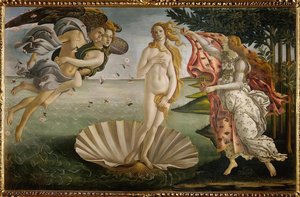
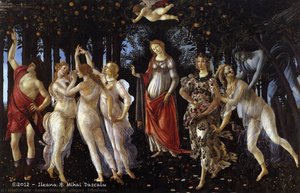
ボッティチェリの芸術の特徴は、その優雅で詩情豊かな表現にあります。「ヴィーナスの誕生」や「春(プリマヴェーラ)」に見られるように、古典古代の神話や寓意を題材に取り入れながら、独自の解釈と美意識に基づいた作品を生み出しました。これらの作品は、単なる物語の描写ではなく、愛、美、そして精神的な高揚といった普遍的なテーマを探求するものであり、ルネサンス期の人文主義思想を体現するものとして高く評価されています。彼の描く人物たちは、洗練された衣装を身につけ、優雅なポーズをとっており、まるで生きているかのような生命力に満ち溢れています。
ボッティチェリの作品は、その繊細な色彩と線描によって特徴づけられます。彼は、テンペラ画という技法を多用し、鮮やかな色彩と緻密な描写を実現しました。また、彼の作品には、銀筆(シルバーポイント)による下絵が施されていることが多く、その繊細なタッチは、最終的な作品の完成度を高めています。特に「ヴィーナスの誕生」におけるヴェーヌス像の肌の表現や、「春」における人物たちの衣装の描写は、彼の卓越した技術力の証と言えるでしょう。
晩年と再評価
15世紀末には、ドミニコ会の修道士ジロラモ・サヴォナローラの布教活動の影響を受け、ボッティチェリの芸術にも変化が見られます。サヴォナローラは、当時のフィレンツェにおける奢侈や退廃を厳しく非難し、宗教的な清貧と禁欲を説きました。その結果、ボッティチェリもまた、自身の作品に宗教的なテーマを取り入れ、より内省的で精神的な表現へと傾倒していったのです。
しかし、彼の晩年の作品は、当時の世情に受け入れられず、忘れ去られてしまうという憂き目に遭いました。19世紀に入り、前ラファエロ派の画家たちがボッティチェリの作品を再評価し、その芸術的な価値を広く知らしめました。彼らの熱心な支持によって、ボッティチェリはルネサンス期の最も重要な芸術家の一人として、再び脚光を浴びることになったのです。
今日、ボッティチェリの作品は、世界中の美術館に所蔵されており、多くの人々を魅了し続けています。彼の作品は、ルネサンス期における美意識と精神性を象徴するものであり、芸術史において不朽の名声を確立しています。特に「ヴィーナスの誕生」や「春」は、西洋美術の金字塔として、その地位を不動のものとしているのです。
主要作品
- ヴィーナスの誕生 (La nascita di Venere)
- 春(プリマヴェーラ)(Primavera)
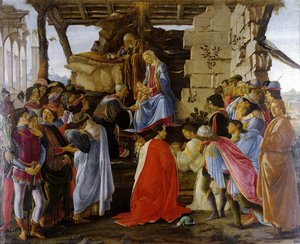
- マギの礼拝 (Adorazione dei Magi)
- 神秘の受胎告知 (Natività mistica)
ボッティチェリ
1445 - 1510 , イタリア
基本情報
- フルネーム: サンドロ・ボッティチェリ
- 主な作品:
- ヴィーナスの誕生
- 春の賛歌
- マギの礼拝
- 出生地: フィレンツェ(イタリア)
- 国籍: イタリア
- 影響を与えた芸術家または運動: ['プレラファエライト協会']
- 影響を受けたアーティスト:
- フラ・フィリッポ・リピ
- パオロ・ウッチョロ
- 死亡年月日: 1510年5月17日
- 生年月日: 1445年3月1日頃
- 芸術運動またはスタイル: 初期ルネサンス
関連記事
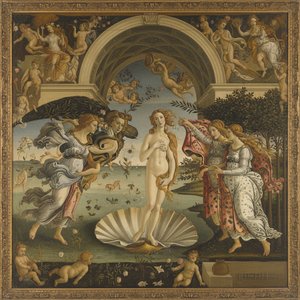
ボッティチェリの至宝25選:ルネサンス美術の華麗なる世界 | ArtsDot
ボッティチェリの至宝25選。ルネサンス美術を代表する「春」「ヴィーナスの誕生」など、名画の物語と芸術史を紐解きます。ArtsDotで高品質な複製画やインテリアアートを見つけ、お部屋に永遠の美を。今すぐコレクションをご覧ください。

家族の遺産を壁画で彩る:伝統技法が紡ぐ、時を超越する美と記憶
古代から現代までの壁画の歴史と技法を解説。日本の壁画文化やカスタムオーダーによる家族の遺産表現、保存・修復技術まで網羅。専門家が時を超越する美と記憶を紡ぐ芸術的価値をご案内します。
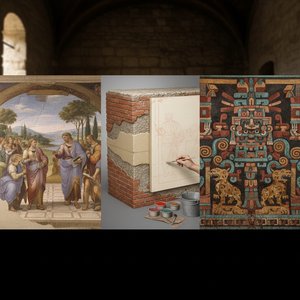
The Enduring Legacy of Fresco: Technique, History & Artistic Expression Across Cultures
Explore the rich history & enduring legacy of fresco painting! Discover ancient techniques, Giotto's masterpieces, and modern applications. Expert insights for art lovers & professionals.

The Enduring Legacy of Fresco Painting: Techniques, History & Contemporary Relevance
Explore the rich history & enduring artistry of fresco painting – from Giotto to Michelangelo! Discover techniques, conservation efforts, & modern applications. Learn how ArtsDot brings this timeless art form to your home.
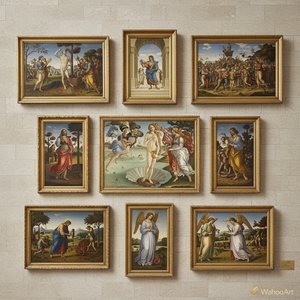
初期ルネサンス美術を彩る至宝:10選が示す革新と美の源泉
初期ルネサンス美術の革新を彩る10選。ボッティチェリ、ダ・ヴィンチの名作から、時代を超越する美と技術を紐解きます。壁掛けアートやインテリアにインスピレーションを。ArtsDot.comで至宝のコレクションをオンラインで発見しましょう!