

 プレビュー
プレビュー
 プリントを購入
 シェアする
シェアする シェアする
シェアする
 詳細を見る
詳細を見る

 ダウンロード
 似ている作品
 X線調査
X線調査 スライドショー
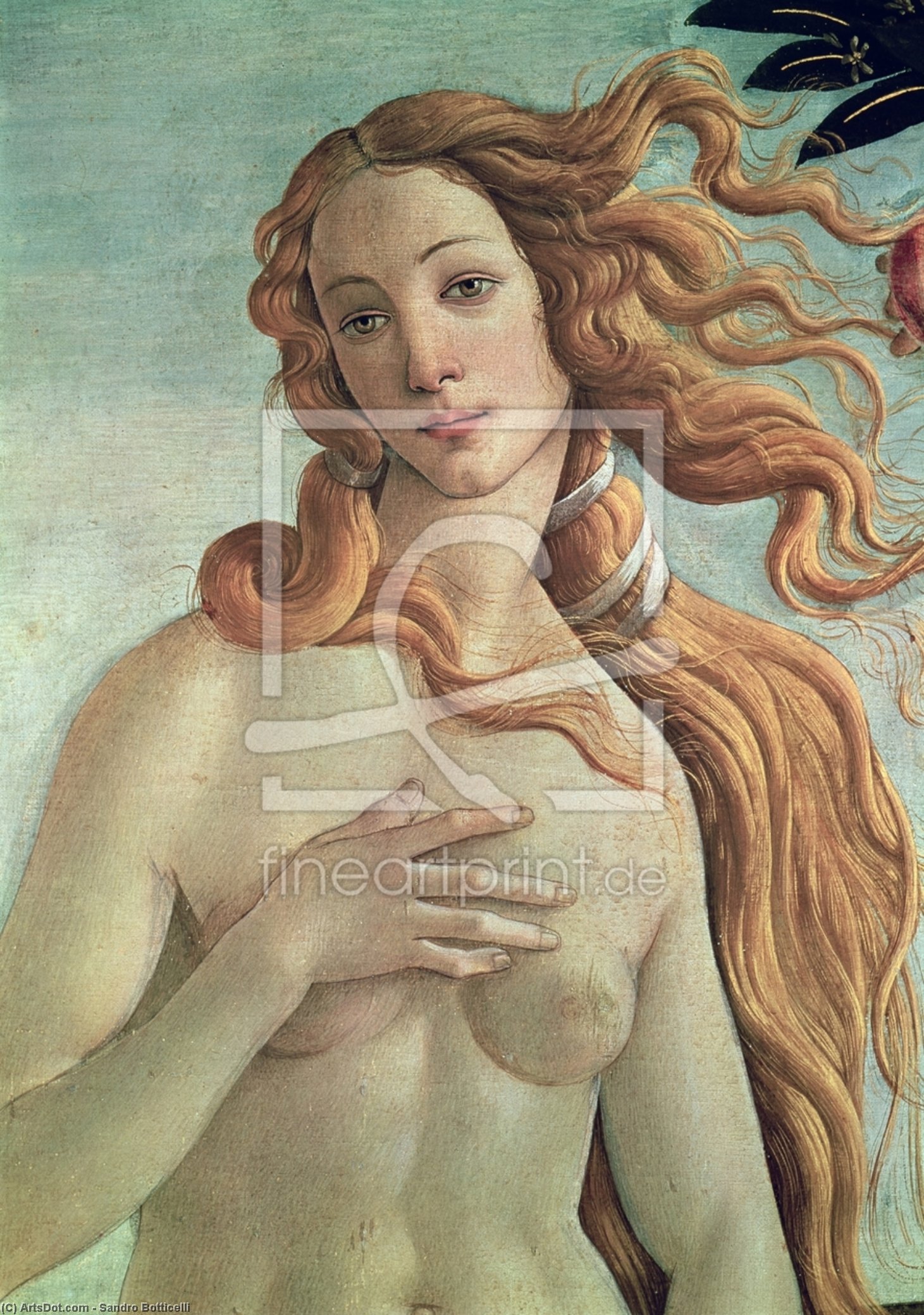
Venus, Detail From The Birth Of Venus


 詳細を見る
詳細を見る
オンラインプレビューをはるかに凌ぐ、高解像度で鮮明なデジタル画像をご購入いただけます。
各ファイルは、社内の専門家が高度なツールと熟練した手作業によるレタッチを用いて、細心の注意を払って準備されています。すべての画像において、卓越した鮮明度、正確な色彩再現性、そして繊細なディテールを保証いたします。
最終ファイルは、プロフェッショナルな編集・印刷環境ですぐにご利用いただけるよう最適化された状態で、72時間以内にメールにてお届けいたします。これは、一流のデザインスタジオ、出版社、ギャラリーから信頼されているものと同等の品質です。
デジタル画像のご注文に付随する特典
高品質なデジタル画像配信を、確かな品質で。
ArtsDot.com を選ぶことは、単に画像を手に入れることではありません。それは、プロの手によって精密に仕上げられ、満足保証が付いた高品質なデジタルアートワークを受け取ることを意味します。ご注文いただいた際に自動的に付随する内容は、以下の通りです:

メールですぐにお届け
ご注文から72時間以内に、高解像度のデジタル画像ファイルがメールでお手元に届きます。すぐにそのままご利用いただけます。

AI技術で最適化されたデジタルファイル
お客様の作品は、高度なAIツールと専門家による手作業の編集を組み合わせてプロフェッショナルに最適化されており、細部のディテール、鮮明さ、そして正確な色再現性を最大限に引き出しています。

一生涯無料の再送サービス
ファイルを誤って削除したり、紛失してしまったりしましたか?ご安心ください。いつでも無料で再送いたします。

輸入手数料は一切かかりません
関税や手数料、配送料を気にすることなく、お気に入りのアートワークをすぐにお楽しみいただけます。デジタルダウンロードは常に免税です。

色彩再現の保証
プロ仕様のツールとカラーマネジメント技術を用いることで、デジタル画像が元の色を最大限に忠実に再現することを保証いたします。

100日間満足保証
ご購入いただいたデジタル画像にご満足いただけない場合は、100日以内であれば、理由を問わず修正または100%の返金対応をさせていただきます。

100% 返金保証
ご満足いただけない場合は、デジタルファイルを受け取ってから100日以内であれば、理由を問わず全額返金いたします。

まとめ買い割引
3枚購入で10%OFF - 5枚購入で15%OFF - 10枚以上購入で20%OFF。クリエイティブなプロジェクト、ギャラリー、エージェンシーに最適です。
A Vision of Ideal Beauty: Botticelli’s “Venus”
Botticelli's "Venus," extracted from his monumental fresco cycle adorning the Sala dei Giganti nell’Ateneo Fiorentino, stands as arguably the most recognizable emblem of Renaissance Florence. Painted circa 1486 during Lorenzo de Medici’s reign—a period marked by unparalleled artistic patronage and intellectual ferment—this artwork transcends mere depiction; it embodies a profound philosophical underpinning rooted in Neoplatonic thought. The painting captures Venus emerging from the seafoam, attended by Hora (Time) and Zephyr (West Wind), symbolizing rebirth, fertility, and divine love – concepts central to humanist ideals that dominated Florentine culture at the time. Botticelli’s meticulous attention to detail is evident in every brushstroke, reflecting his mastery of tempera paint on gesso panel, a technique favored for its luminosity and ability to preserve delicate colors.- Style: Botticelli's style exemplifies High Renaissance grace and elegance, prioritizing idealized beauty and harmonious composition over naturalistic representation. He deliberately eschewed the conventions of realism prevalent in earlier artistic movements, opting instead for a stylized aesthetic that prioritized spiritual contemplation.
- Technique: Employing tempera paint on gesso panel—a method perfected by Fra Angelico—Botticelli achieved remarkable tonal subtlety and vibrancy. The layering of translucent glazes created an ethereal effect, capturing the luminescence of Venus’s skin and the serene expanse of the azure sky.
Symbolism: Echoes of Plato and Divine Harmony
The painting's symbolism is deeply intertwined with Platonic philosophy, specifically the concept of anima mundi—the soul of the world—which Botticelli sought to represent visually. Venus embodies this divine principle, symbolizing perfection and spiritual enlightenment. Hora’s presence signifies the cyclical nature of time and renewal, mirroring Venus’s emergence from the seafoam. Zephyr's gentle breeze underscores the harmonious balance between opposing forces – air and water – essential for sustaining life and fostering beauty. The birds circling above Venus are interpreted as messengers of divine grace, further emphasizing the artwork’s spiritual significance.- Venus: Represents divine femininity, ideal beauty, and spiritual perfection—a cornerstone of Neoplatonic thought.
- Hora: Symbolizes time's passage and the cyclical renewal inherent in nature – mirroring Venus’s rebirth.
- Zephyr: Embodies harmony and balance between opposing forces, reflecting the cosmos’s order.
- Birds: Serve as messengers of divine grace, reinforcing the artwork’s spiritual message.
Historical Context: Florence Under Medici Rule
Botticelli's "Venus" emerged during Lorenzo de Medici’s ascendancy to power—a period characterized by humanist scholarship and artistic innovation. The fresco cycle itself was commissioned as part of a grand project aimed at elevating Ateneo Fiorentino, the Florentine Academy, into a center of learning and culture. Botticelli’s work reflects the prevailing intellectual climate of Florence, where philosophers like Pico della Mirandola championed human dignity and celebrated the potential for spiritual transformation. The artwork stands as testament to the Renaissance fascination with classical mythology—a deliberate revival of Greco-Roman ideals that sought to inspire moral virtue and aesthetic excellence.Emotional Impact: A Celebration of Beauty and Tranquility
“Venus” continues to captivate viewers centuries after its creation, eliciting a profound sense of serenity and wonder. Botticelli’s masterful depiction of idealized beauty transcends temporal boundaries, conveying an enduring message of harmony, grace, and spiritual aspiration. Owning a high-quality reproduction allows one to experience this timeless masterpiece—a visual embodiment of Renaissance ideals that resonates with collectors and interior designers alike who appreciate the elegance and sophistication of classical art.作家の略歴
サンドロ・ボッティチェリ:ルネサンスの詩人画家
1445年頃、フィレンツェで生まれたアレッサンドロ・ディ・マリアーノ・ディ・ヴァンニ・フィリペピ。後にサンドロ・ボッティチェリとして知られる彼は、初期ルネサンス期の最も重要な芸術家の一人であり、その作品は美と調和の象徴として、時代を超えて人々を魅了し続けています。彼の人生は、メディチ家の庇護のもと、フィレンツェという文化の中心地で展開され、芸術、哲学、文学が花開く時代を背景に、独自の芸術世界を築き上げました。
ボッティチェリの初期の教育については詳細は不明ですが、金細工師としての修行を経て、画家フィリッポ・リッピのもとで絵画技術を習得したことが知られています。リッピの影響を受けながらも、彼は独自のスタイルを確立し、アンтонио・デル・ポーライオーロやアンドレア・デル・ヴェロッキオといった同時代の巨匠からも影響を受けました。特に、彫刻的な人物描写と、繊細な線描が特徴的であり、彼の作品に独特の魅力を生み出しました。
ボッティチェリの芸術の特徴は、その優雅で詩情豊かな表現にあります。「ヴィーナスの誕生」や「春(プリマヴェーラ)」に見られるように、古典古代の神話や寓意を題材に取り入れながら、独自の解釈と美意識に基づいた作品を生み出しました。これらの作品は、単なる物語の描写ではなく、愛、美、そして精神的な高揚といった普遍的なテーマを探求するものであり、ルネサンス期の人文主義思想を体現するものとして高く評価されています。彼の描く人物たちは、洗練された衣装を身につけ、優雅なポーズをとっており、まるで生きているかのような生命力に満ち溢れています。
ボッティチェリの作品は、その繊細な色彩と線描によって特徴づけられます。彼は、テンペラ画という技法を多用し、鮮やかな色彩と緻密な描写を実現しました。また、彼の作品には、銀筆(シルバーポイント)による下絵が施されていることが多く、その繊細なタッチは、最終的な作品の完成度を高めています。特に「ヴィーナスの誕生」におけるヴェーヌス像の肌の表現や、「春」における人物たちの衣装の描写は、彼の卓越した技術力の証と言えるでしょう。
晩年と再評価
15世紀末には、ドミニコ会の修道士ジロラモ・サヴォナローラの布教活動の影響を受け、ボッティチェリの芸術にも変化が見られます。サヴォナローラは、当時のフィレンツェにおける奢侈や退廃を厳しく非難し、宗教的な清貧と禁欲を説きました。その結果、ボッティチェリもまた、自身の作品に宗教的なテーマを取り入れ、より内省的で精神的な表現へと傾倒していったのです。
しかし、彼の晩年の作品は、当時の世情に受け入れられず、忘れ去られてしまうという憂き目に遭いました。19世紀に入り、前ラファエロ派の画家たちがボッティチェリの作品を再評価し、その芸術的な価値を広く知らしめました。彼らの熱心な支持によって、ボッティチェリはルネサンス期の最も重要な芸術家の一人として、再び脚光を浴びることになったのです。
今日、ボッティチェリの作品は、世界中の美術館に所蔵されており、多くの人々を魅了し続けています。彼の作品は、ルネサンス期における美意識と精神性を象徴するものであり、芸術史において不朽の名声を確立しています。特に「ヴィーナスの誕生」や「春」は、西洋美術の金字塔として、その地位を不動のものとしているのです。
主要作品
- ヴィーナスの誕生 (La nascita di Venere)
- 春(プリマヴェーラ)(Primavera)
- マギの礼拝 (Adorazione dei Magi)
- 神秘の受胎告知 (Natività mistica)
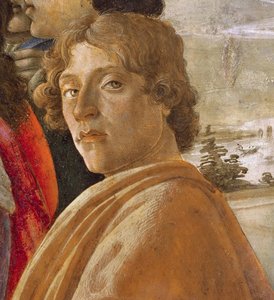
ボッティチェリ
1445 - 1510 , イタリア
プロフィール概要
- フルネーム: サンドロ・ボッティチェリ
- 主な作品:
- ヴィーナスの誕生
- 春の賛歌
- マギの礼拝
- 出生地: フィレンツェ(イタリア)
- 国籍: イタリア
- 影響を与えた芸術家または運動: ['プレラファエライト協会']
- 影響を受けたアーティスト:
- フラ・フィリッポ・リピ
- パオロ・ウッチョロ
- 死亡年月日: 1510年5月17日
- 生年月日: 1445年3月1日頃
- 芸術運動またはスタイル: 初期ルネサンス