

 プレビュー
プレビュー
 プリントを購入
 シェアする
シェアする シェアする
シェアする
 詳細を見る
詳細を見る

 ダウンロード
 似ている作品
 X線調査
X線調査 スライドショー
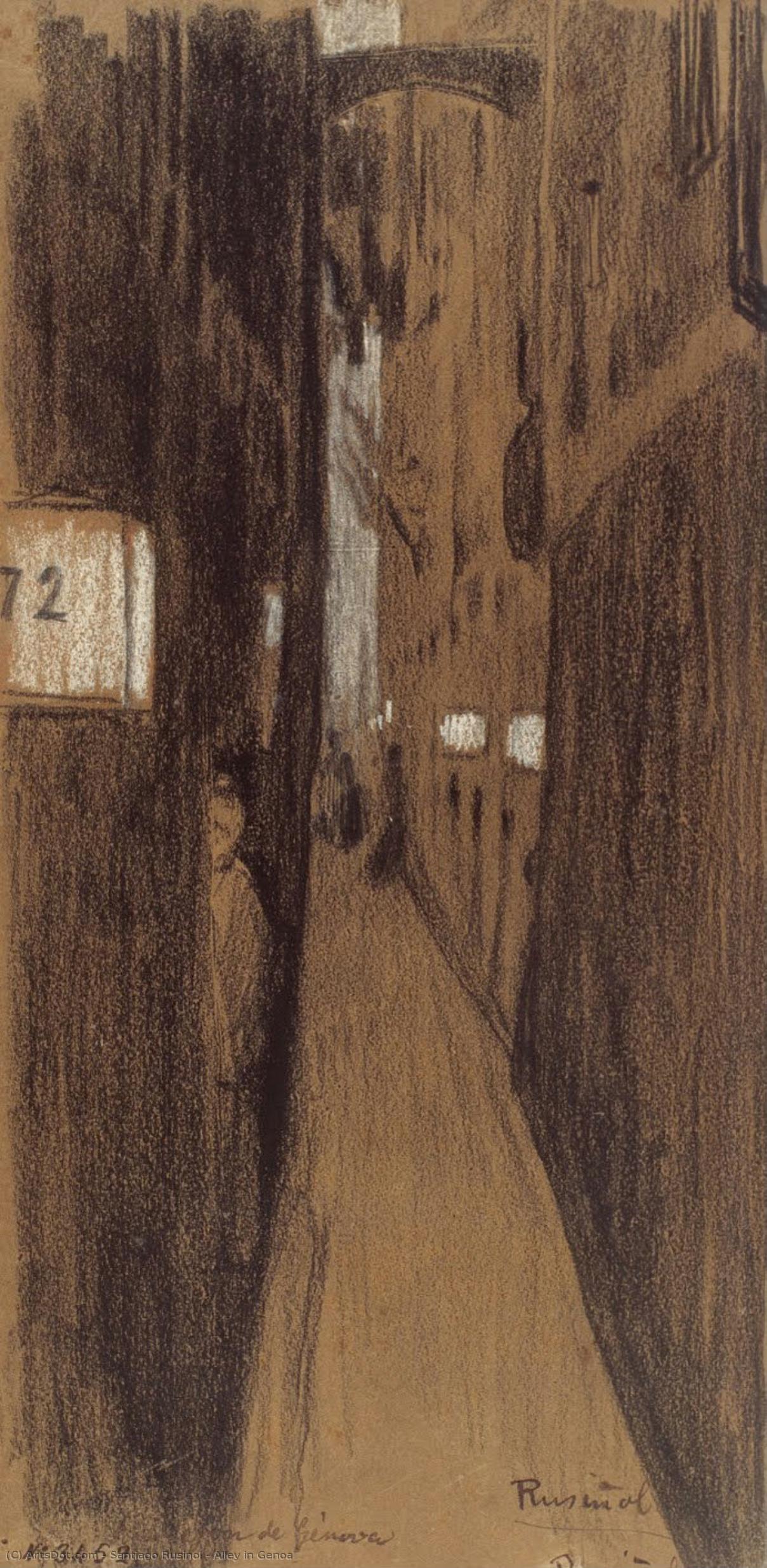
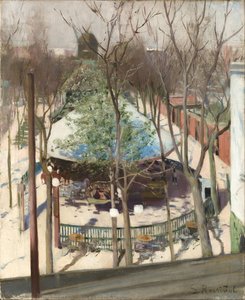
Alley in Genoa
 Acrylic On Canvas
- WallArt
- Catalan Modernisme
 1894
1894 127.0 x 255.0 cm
 カタルーニャ国立美術館
 詳細を見る
詳細を見る




P118B $10

P118H $10

P118W $10

P438Z $10

P508JH $12

P508YH $12

P805H $10

P805Z $10

P919BZ $10

P919G $10

P919XJ $10

P959ZH $10

P968JZ $12

W106C $8

W218G $10

W218JH $8

W218Y $10

W307PJ $10

W316G $10

W316PJ $8

W316Y $10

W398PJ $8

W4111J $10

W500HY $15

W500JH $15

W692G $12

W849H $8

W940BG $15

W953PJ $8




作品のオリジナル比率に合わせた、当店の規定サイズからお選びください。

特定のフレームやスペースに合わせて、ご希望のサイズをご入力いただけます。選択されたサイズが元の画像の比率と異なる場合、アートワークをトリミングするか、手描きで要素を追加して絵画を拡張いたします。デジタルモックアップ を制作し、制作開始前にご確認(承認)をいただきます。
画面上のプレビューは、実際のトリミングや拡張を正確に反映しているものではありません。最終的な構図は、モックアップによってのみ正確にご確認いただけます。
カスタムサイズもご利用いただけますが、元の比率を維持するためには、あらかじめ用意されたリストからサイズを選択することをお勧めいたします。
ご注文後、ArtsDot.com チームより詳細な指示をお送りするとともに、仕上がりイメージ(モックアップ)をご提供いたします。


 ガラスオプションは、110cm未満のサイズでのみご利用いただけます。

Alley in Genoa
複製技法
複製画のサイズ
-


合計金額
$ 263
作品解説
Santiago Rusiñol’s “Alley in Genoa”: A Glimpse of Urban Life and Catalan Modernisme
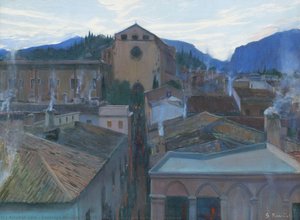
“Alley in Genoa,” painted in 1894 by Santiago Rusiñol, is more than just a depiction of a street scene; it's a poignant meditation on the rhythms of daily life within the burgeoning urban landscape of late 19th-century Catalonia. Rusiñol, a pivotal figure in the Catalan Modernisme movement, masterfully captures not only the visual details of Genoa’s narrow alleyways but also an underlying sense of melancholy and observation – qualities that define much of his oeuvre. The painting offers a window into a world where the mundane intersects with the profound, inviting viewers to contemplate the human experience within the confines of a bustling city.
A Study in Light and Shadow: Rusiñol’s Technique
Rusiñol's technique is characterized by a deliberate use of light and shadow, creating a dramatic interplay that draws the eye through the composition. He employs loose, expressive brushstrokes – a hallmark of Impressionism and Symbolism, both movements he embraced during his formative years in Paris – to render the figures and architecture with remarkable immediacy. Notice how the sunlight, filtering through the buildings, casts long shadows across the cobblestones, imbuing the scene with a sense of depth and atmosphere. The muted palette—primarily browns, ochres, and greys—further enhances this effect, lending the painting a somber yet captivating quality. The artist’s attention to detail is evident in the rendering of textures – the worn stone walls, the folds of clothing, and the subtle variations in skin tones – all contributing to the overall sense of realism while simultaneously conveying an emotional resonance.
Catalan Modernisme and the Urban Landscape
“Alley in Genoa” is deeply rooted within the context of Catalan Modernisme, a movement that sought to revitalize Catalan art and culture after decades of political repression. Rusiñol, along with other artists like Antoni Gaudí and Pau Olot, rejected academic traditions and embraced new forms of expression inspired by Impressionism, Symbolism, and Japanese prints. This period saw a renewed interest in depicting the realities of everyday life – particularly within Catalonia—often imbued with social commentary and a sense of national identity. The alleyway itself becomes symbolic; it represents not just a physical space but also the complexities of urban existence, reflecting both the energy and the isolation inherent in city life. The painting’s focus on ordinary people going about their business speaks to Modernisme's desire to elevate the commonplace to the level of art.
Symbolism and the Human Condition
Beyond its technical brilliance, “Alley in Genoa” resonates with symbolic depth. The solitary figure standing near the center of the painting—a man seemingly lost in thought—represents a universal theme: human isolation within the crowd. His posture and gaze suggest contemplation, perhaps even a sense of detachment from the surrounding activity. The blurred figures walking along the street further emphasize this feeling of anonymity and disconnection. Rusiñol wasn’t simply recording a scene; he was exploring the emotional landscape of modern life—the quiet moments of reflection amidst the relentless pace of urban existence. The painting invites us to consider our own place within the larger world, prompting questions about connection, identity, and the search for meaning.
A Legacy of Observation: Rusiñol’s Enduring Appeal
“Alley in Genoa” remains a powerful testament to Santiago Rusiñol's artistic vision. Its evocative atmosphere, masterful technique, and subtle symbolism continue to captivate viewers today. Reproductions of this work offer an accessible entry point into the world of Catalan Modernisme, allowing us to appreciate the artist’s keen eye for detail and his profound understanding of the human condition. It serves as a reminder that even in the most ordinary scenes, there lies the potential for beauty, contemplation, and enduring artistic expression.
関連作品


アーティストの略歴
サンティアゴ・ルシニョル:芸術とモダニズムに捧げた生涯
- 生年月日:1861年2月25日、スペイン、バルセロナ
- 没年月日:1931年6月13日、スペイン、アランフエス
- 国籍:スペイン
主な芸術運動:カタルーニャ・モダニズム、象徴主義、印象派
幼少期と芸術的形成の歩み
- ルシニョルはマンレウの繊維産業を営む家族のもとに生まれ、後にバルセロナへと移り住みました。家族からの期待とは裏腹に、彼は幼い頃から芸術への情熱を追い求め続けました。
- 彼はバルセロナ水彩画家センターにてトマス・モラガスに師事し、水彩技法と写実主義の原則を基礎として学びました。
- 初期の作品はオリエンタリズム的な主題や歴史的な題材を反映していましたが、1880年代に入ると、次第に都市の情景や風景画へとその関心を移していきました。
- スペイン各地を巡る旅は、彼の芸術的発展に多大な影響を与え、多様な文化的・建築的な背景に彼を触れさせることとなりました。
パリでの影響と芸術的成熟
- 1889年、ルシニョルのキャリアにおける決定的な瞬間となるパリへの移住が実現します。彼はモンマルトルにおいて、ラモン・カサスやイグナシオ・ズルオアといった志を同じくする芸術家たちと共に生活を送りました。
- 当時のパリの芸術界は、彼を印象派や象徴主義へと導き、その画風を深く形作ることとなりました。エドガー・ドガやピエール=オーギュスト・ルノワールといった巨匠たちの存在が、彼の表現に大きな影響を与えています。
- この時期の作品は、しばしば都市生活を描き出し、自由な筆致と抑えられた色調を通じて、孤独感や哀愁を鮮やかに捉えています。
- また、彼は文学界とも深く関わり、象徴主義の詩人や作家たちとの交流を通じて、自らの芸術的ビジョンをさらに豊かなものへと昇華させていきました。
カタルーニャへの帰還とモダニズム運動の興隆
- 1890年代、ルシニョールのカタルーニャへの帰還は、彼のキャリアのみならず、カタルーニャ・モダニズム運動の発展における重要な一章となりました。
- 彼はシッチェスに定住し、そこを芸術家や知識人が集う文化的な拠点へと変貌させました。彼が築いた邸宅「カウ・フェラット」は、名高い芸術サロンとしてその名を馳せることになります。
- ペレ・ロメウやミケル・ウトリージョといった人物と共に、ルシニョールはモダニズム運動を育む上で極めて重要な役割を果たしました。
- この時期の彼の絵画は、次第に風景、庭園、そして建築的な主題へと焦点を絞っていき、自然との深い結びつきとカタルーニャとしてのアイデンティティを反映したものとなりました。
遺産と歴史的意義
- サンティアゴ・ルシニョルは、カタルーニャ・モダニズムの指導的な人物として認められており、その運動の芸術的・文化的発展に多大な貢献を果たしました。
- 象徴主義の影響、印象派的な技法、そして風景や庭園の情緒豊かな描写が融合した彼の作品は、今なお高く評価されています。
- 彼はシッチェスにモダニズム建築の遺産を残し、カタルーニャの建築や都市計画における自身の足跡をより確固たるものにしました。
- 世紀末(フィン・ド・シエクル)時代におけるカタルーニャの美しさと文化的な豊かさを体現するルシニョールの作品は、時代を超えて芸術家や愛好家たちにインスピレーションを与え続けています。
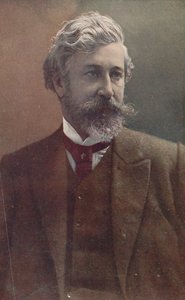
サンティアゴ・ルシニョル
1861 - 1931 , スペイン
基本情報
- Artistic Movement Or Style: カタロニア・モダニズム、象徴主義
- Artists Or Movements Influenced By This Artist: ['パブロ・ピカソ']
- Artists Who Influenced This Artist:
- エドガー・ドガ
- ジェイムズ・アボット・マクニール・ウィスラー
- Date Of Birth: 1861年2月25日
- Date Of Death: 1931年6月13日
- Full Name: Santiago Rusiñol i Prats
- Nationality: スペイン
- Notable Artworks:
- アランフエスの庭園
- ウトリーロの肖像
- マヨルカの段々畑の庭園
- エリック・サティのスケッチ
- Place Of Birth: スペイン、バルセロナ
関連記事

Joaquim Mir: A Catalan Visionary – Exploring Symbolism, Landscape & Modernist Aesthetic
Explore the captivating world of Joaquim Mir, a pivotal Catalan Modernisme painter. Discover his vibrant landscapes, symbolic depth & lasting influence on Spanish art history. Learn more at ArtsDot.

Josep Mompou Dencausse: Exploring Intimacy & Catalan Identity Through Minimalist Expression
Explore the captivating world of Josep Mompou Dencausse, a master of Post-Impressionism whose intimate paintings reflect Catalan identity and minimalist beauty. Discover his life, style & legacy.
Beyond Graffiti: Exploring the Evolution & Cultural Impact of Street Art for Collectors
Explore the evolution of street art from rebellious origins to a respected fine art form. Discover key artists like Banksy & learn how to collect urban art with confidence. Expert insights for discerning investors.
Josep Cusachs i: Exploring Catalan Modernism Through Social Commentary & Artistic Innovation
Explore the captivating world of Josep Cusachs i, a key figure in Catalan Modernism. Discover his realist paintings, social commentary, and influence on 19th-century Spanish art. Hand-painted reproductions available at ArtsDot.

現代ストリート・アートの隆盛:ギャラリーの壁を超えた文化的反省と歴史的背景
現代ストリート・アートの隆盛を歴史的背景と社会的反省の視点から深く掘り下げます。ギャラリーとの関係性、日本における独自性、コレクターズ視点まで網羅。高品質なアートコレクションのための情報を提供します。

