

 プレビュー
プレビュー
 プリントを購入
 シェアする
シェアする シェアする
シェアする
 詳細を見る
詳細を見る

 ダウンロード
 似ている作品
 X線調査
X線調査 スライドショー
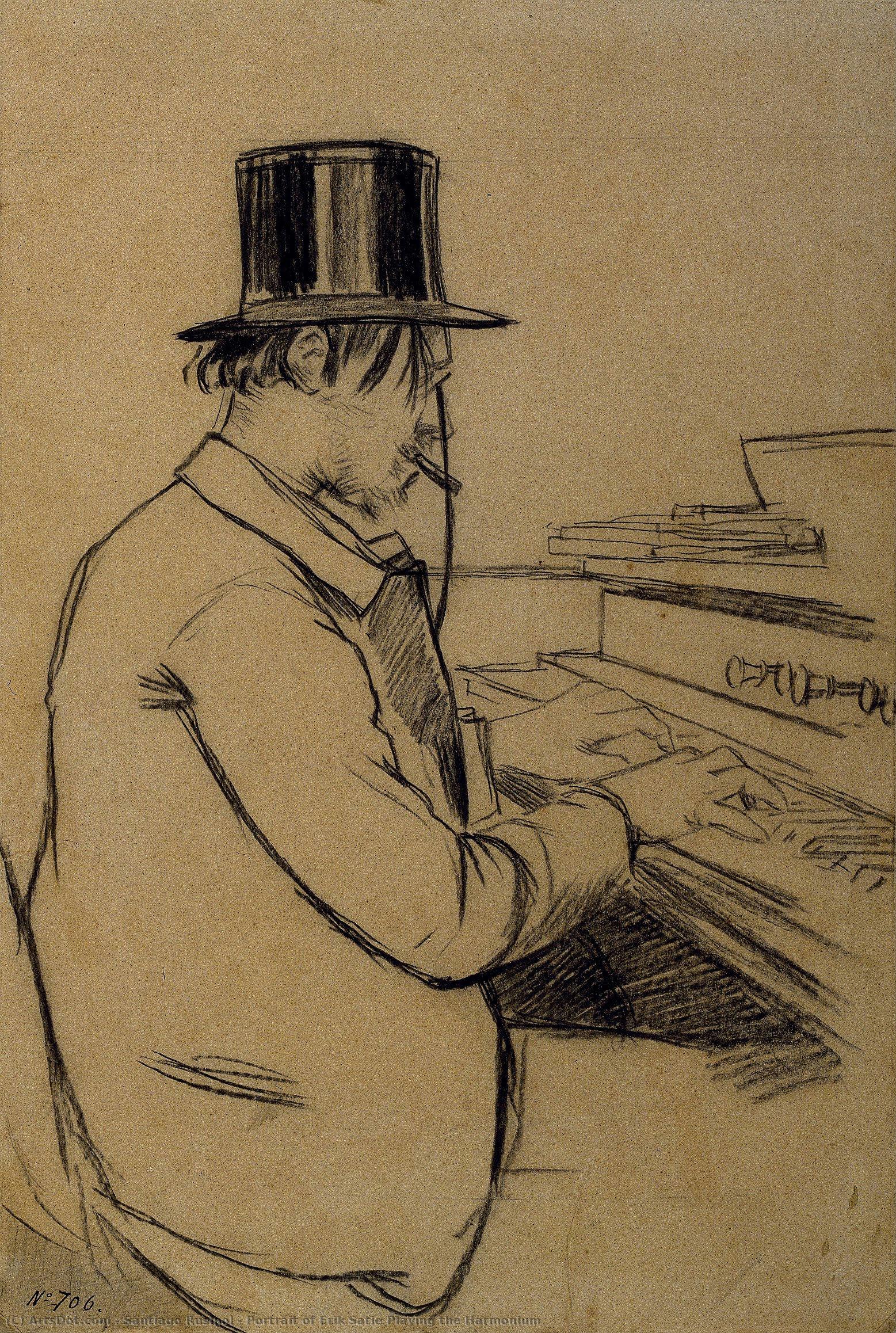
Portrait of Erik Satie Playing the Harmonium
 Oil On Canvas
- WallArt
- Catalan Modernisme
 1891
1891- 19th Century
 197.0 x 292.0 cm
 カタルーニャ国立美術館
 詳細を見る
詳細を見る




P118B $10

P118H $10

P118W $10

P438Z $10

P508JH $12

P508YH $12

P805H $10

P805Z $10

P919BZ $10

P919G $10

P919XJ $10

P959ZH $10

P968JZ $12

W106C $8

W218G $10

W218JH $8

W218Y $10

W307PJ $10

W316G $10

W316PJ $8

W316Y $10

W398PJ $8

W4111J $10

W500HY $15

W500JH $15

W692G $12

W849H $8

W940BG $15

W953PJ $8




作品のオリジナル比率に合わせた、当店の規定サイズからお選びください。

特定のフレームやスペースに合わせて、ご希望のサイズをご入力いただけます。選択されたサイズが元の画像の比率と異なる場合、アートワークをトリミングするか、手描きで要素を追加して絵画を拡張いたします。デジタルモックアップ を制作し、制作開始前にご確認(承認)をいただきます。
画面上のプレビューは、実際のトリミングや拡張を正確に反映しているものではありません。最終的な構図は、モックアップによってのみ正確にご確認いただけます。
カスタムサイズもご利用いただけますが、元の比率を維持するためには、あらかじめ用意されたリストからサイズを選択することをお勧めいたします。
ご注文後、ArtsDot.com チームより詳細な指示をお送りするとともに、仕上がりイメージ(モックアップ)をご提供いたします。


 ガラスオプションは、110cm未満のサイズでのみご利用いただけます。

Portrait of Erik Satie Playing the Harmonium
複製技法
複製画のサイズ
-


合計金額
$ 263
A Portrait of Melancholy Genius: Santiago Rusiñol's "Portrait of Erik Satie Playing the Harmonium"
Santiago Rusiñol’s “Portrait of Erik Satie Playing the Harmonium” (1891) is more than a simple depiction of a musician; it’s a poignant meditation on artistic isolation, intellectual contemplation, and the burgeoning spirit of Modernisme that was reshaping Barcelona at the turn of the century. Executed in stark black and white, the drawing captures a moment of profound stillness within a cluttered, almost claustrophobic, interior space – a space that speaks volumes about Satie’s character and Rusiñol's artistic vision.
- The Subject: The central figure is Erik Satie, the notoriously reclusive French composer, rendered with an unflinching realism. He sits hunched over a harmonium, his posture suggesting both intense concentration and a certain weariness. The inclusion of a cigarette – a common motif in Rusiñol’s work – adds to the impression of a man lost in thought, seeking solace in habit and solitude.
- Composition & Technique: Rusiñol's masterful use of line is immediately striking. He employs a loose, expressive style reminiscent of Impressionism, yet grounded in the solid forms of Realism. The drawing’s texture is achieved through varying pressures on the charcoal, creating areas of deep shadow and delicate highlights that define Satie’s face and the contours of the instrument.
Historical Context: Barcelona and the Modernisme Movement
Created in 1891, this portrait reflects a crucial period in Rusiñol's artistic development and aligns perfectly with the broader currents of Catalan Modernisme. Barcelona was undergoing a dramatic transformation – a surge of architectural innovation, industrial growth, and a fervent desire to forge a distinctly Catalan identity. Rusiñol, deeply involved in this movement, sought to capture not just physical appearances but also the spirit of his time. The presence of books scattered around the room hints at Satie’s intellectual pursuits, reflecting the Modernist emphasis on knowledge, experimentation, and challenging traditional norms.
- Catalan Modernisme: This movement championed a new aesthetic rooted in Catalan identity, incorporating elements of Gothic Revival, Art Nouveau, and Symbolism. Rusiñol's work embodies this spirit through its expressive brushwork and exploration of themes relevant to the modern age.
- Rusiñol’s Early Career: Prior to this portrait, Rusiñol had been exploring Orientalist themes and historical subjects, demonstrating a versatility that would later define his career. His travels throughout Spain undoubtedly informed his artistic sensibilities, exposing him to diverse cultural influences.
Symbolism and Emotional Resonance
The composition of the drawing is laden with symbolic weight. The cluttered room – filled with books and discarded objects – suggests a mind overflowing with ideas, perhaps bordering on obsession. Satie’s solitary activity reinforces the theme of isolation, a characteristic often associated with creative genius. The dark tones contribute to a sense of melancholy and introspection, inviting viewers to contemplate the artist's inner world. The act of playing the harmonium itself can be interpreted as an attempt to impose order on chaos, or perhaps simply a means of finding refuge from the pressures of the outside world.
- The Harmonium: As a relatively inexpensive instrument, the harmonium represented accessibility to music for those who couldn't afford grand pianos. It also symbolized introspection and quiet contemplation.
- Mood & Atmosphere: The overall effect is one of quiet intensity – a snapshot of a moment suspended in time, capturing the essence of a brilliant but troubled artist.
A Statement Piece for Your Space
This hand-painted reproduction of Santiago Rusiñol’s “Portrait of Erik Satie Playing the Harmonium” offers an exceptional opportunity to bring a touch of artistic brilliance into your home or office. Measuring 197 x 292 cm, this large format piece commands attention and creates a focal point within any room. The meticulous detail and rich tonal range faithfully recreate Rusiñol’s original drawing, ensuring that it will be a treasured addition to any art collection for years to come. Perfect for interior designers seeking to evoke a sense of intellectual curiosity and artistic contemplation, or collectors drawn to the evocative power of Modernisme.
関連作品

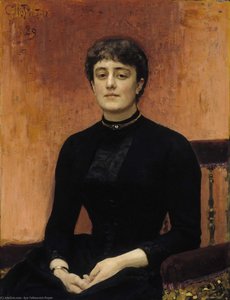
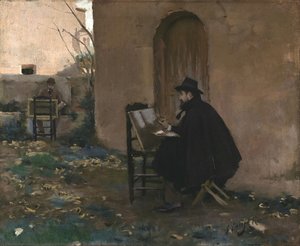
アーティストの略歴
サンティアゴ・ルシニョル:芸術とモダニズムに捧げた生涯
- 生年月日:1861年2月25日、スペイン、バルセロナ
- 没年月日:1931年6月13日、スペイン、アランフエス
- 国籍:スペイン
主な芸術運動:カタルーニャ・モダニズム、象徴主義、印象派
幼少期と芸術的形成の歩み
- ルシニョルはマンレウの繊維産業を営む家族のもとに生まれ、後にバルセロナへと移り住みました。家族からの期待とは裏腹に、彼は幼い頃から芸術への情熱を追い求め続けました。
- 彼はバルセロナ水彩画家センターにてトマス・モラガスに師事し、水彩技法と写実主義の原則を基礎として学びました。
- 初期の作品はオリエンタリズム的な主題や歴史的な題材を反映していましたが、1880年代に入ると、次第に都市の情景や風景画へとその関心を移していきました。
- スペイン各地を巡る旅は、彼の芸術的発展に多大な影響を与え、多様な文化的・建築的な背景に彼を触れさせることとなりました。
パリでの影響と芸術的成熟
- 1889年、ルシニョルのキャリアにおける決定的な瞬間となるパリへの移住が実現します。彼はモンマルトルにおいて、ラモン・カサスやイグナシオ・ズルオアといった志を同じくする芸術家たちと共に生活を送りました。
- 当時のパリの芸術界は、彼を印象派や象徴主義へと導き、その画風を深く形作ることとなりました。エドガー・ドガやピエール=オーギュスト・ルノワールといった巨匠たちの存在が、彼の表現に大きな影響を与えています。
- この時期の作品は、しばしば都市生活を描き出し、自由な筆致と抑えられた色調を通じて、孤独感や哀愁を鮮やかに捉えています。
- また、彼は文学界とも深く関わり、象徴主義の詩人や作家たちとの交流を通じて、自らの芸術的ビジョンをさらに豊かなものへと昇華させていきました。
カタルーニャへの帰還とモダニズム運動の興隆
- 1890年代、ルシニョールのカタルーニャへの帰還は、彼のキャリアのみならず、カタルーニャ・モダニズム運動の発展における重要な一章となりました。
- 彼はシッチェスに定住し、そこを芸術家や知識人が集う文化的な拠点へと変貌させました。彼が築いた邸宅「カウ・フェラット」は、名高い芸術サロンとしてその名を馳せることになります。
- ペレ・ロメウやミケル・ウトリージョといった人物と共に、ルシニョールはモダニズム運動を育む上で極めて重要な役割を果たしました。
- この時期の彼の絵画は、次第に風景、庭園、そして建築的な主題へと焦点を絞っていき、自然との深い結びつきとカタルーニャとしてのアイデンティティを反映したものとなりました。
遺産と歴史的意義
- サンティアゴ・ルシニョルは、カタルーニャ・モダニズムの指導的な人物として認められており、その運動の芸術的・文化的発展に多大な貢献を果たしました。
- 象徴主義の影響、印象派的な技法、そして風景や庭園の情緒豊かな描写が融合した彼の作品は、今なお高く評価されています。
- 彼はシッチェスにモダニズム建築の遺産を残し、カタルーニャの建築や都市計画における自身の足跡をより確固たるものにしました。
- 世紀末(フィン・ド・シエクル)時代におけるカタルーニャの美しさと文化的な豊かさを体現するルシニョールの作品は、時代を超えて芸術家や愛好家たちにインスピレーションを与え続けています。
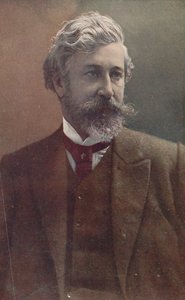
サンティアゴ・ルシニョル
1861 - 1931 , スペイン
基本情報
- Artistic Movement Or Style: カタロニア・モダニズム、象徴主義
- Artists Or Movements Influenced By This Artist: ['パブロ・ピカソ']
- Artists Who Influenced This Artist:
- エドガー・ドガ
- ジェイムズ・アボット・マクニール・ウィスラー
- Date Of Birth: 1861年2月25日
- Date Of Death: 1931年6月13日
- Full Name: Santiago Rusiñol i Prats
- Nationality: スペイン
- Notable Artworks:
- アランフエスの庭園
- ウトリーロの肖像
- マヨルカの段々畑の庭園
- エリック・サティのスケッチ
- Place Of Birth: スペイン、バルセロナ
関連記事

Giclée Prints: Archival Quality & Aesthetic Nuances for the Discerning Collector
Explore the world of giclée prints with ArtsDot. Learn about archival quality, aesthetic nuances & investment potential. Expert guidance for discerning art collectors seeking museum-quality reproductions and lasting value.

Dark Masterpieces: 10 Iconic Paintings Dominated by Black Tones |
Explore 10 iconic paintings dominated by black tones, from Rembrandt’s chiaroscuro to Goya's dark expressions. Discover the stories behind these masterpieces & find museum-quality art reproductions for your home at .

The Enduring Legacy of Fine Art Prints: Technique, History & Aesthetic Impact
Explore the rich history & techniques of fine art prints. Discover investment potential, assess authenticity, and learn how to preserve your collection with expert guidance. Trusted insights for discerning collectors.

Echoes of Time: Exploring the Enduring Appeal & Historical Context of Vintage Art Prints
Explore the captivating world of vintage art prints! Discover their history, collecting tips & enduring appeal. Expert insights on chromolithography and building a legacy collection with ArtsDot.
The Enduring Legacy of Printmaking: Techniques, Themes & Artistic Innovation Across Centuries
Explore the rich history of printmaking with ArtsDot. Discover techniques from intaglio to lithography, learn about collecting valuable prints & find museum-quality reproductions. Expert insights for art enthusiasts and collectors.

