

 プレビュー
プレビュー
 シェアする
シェアする シェアする
シェアする
 詳細を見る
詳細を見る

 ダウンロード
 似ている作品
 X線調査
X線調査 スライドショー
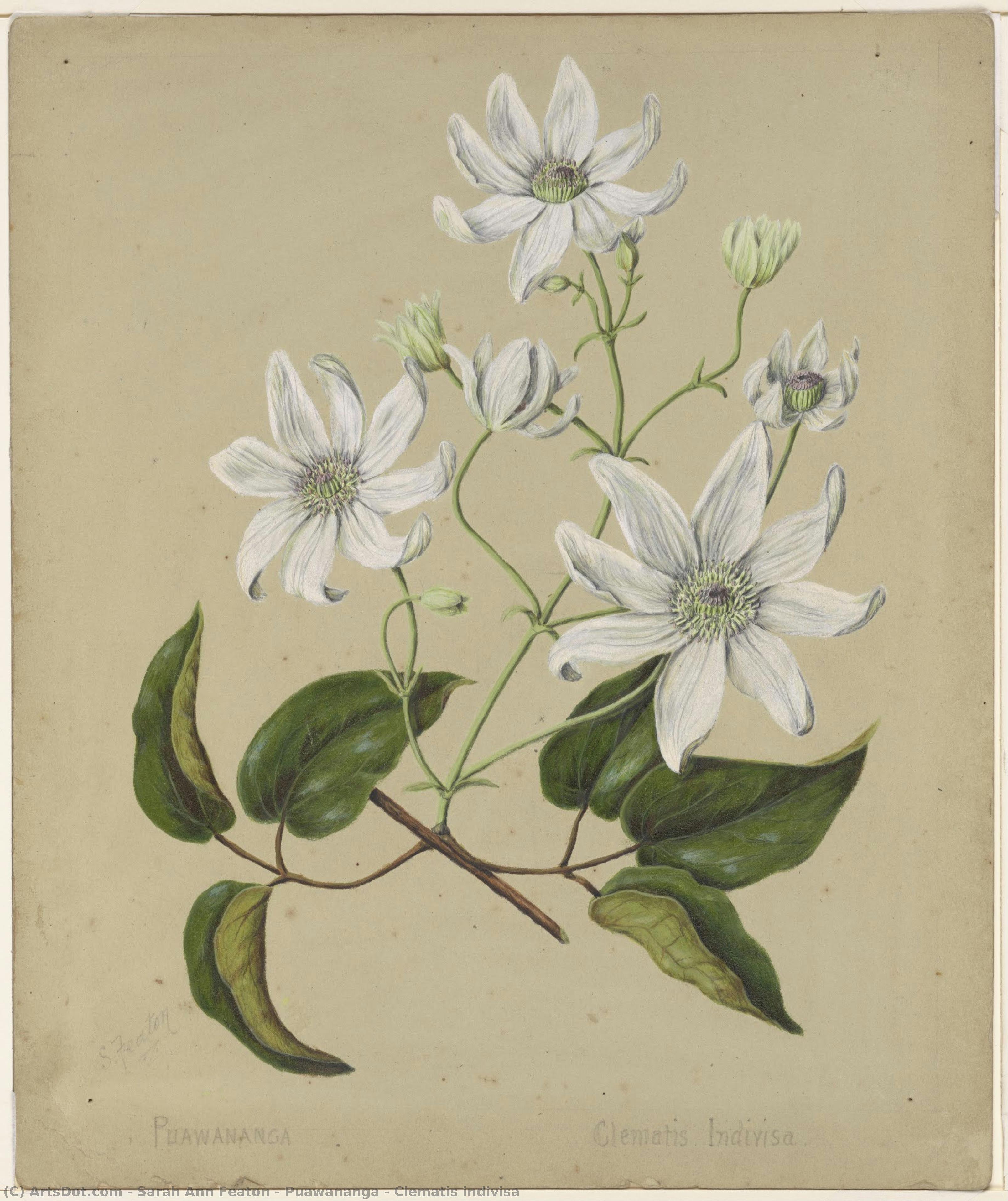
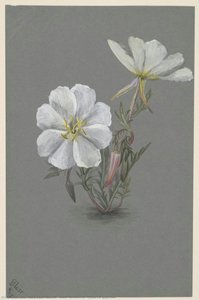
Puawananga - Clematis indivisa


 詳細を見る
詳細を見る
ジークレー/アートプリント
迅速な制作と多彩な仕上げオプションを備えた、ミュージアムクオリティのジークレーまたはキャンバスプリント。 ( 手描きの絵画を購入 画像を購入)




































作品のオリジナル比率に合わせた、当店の規定サイズからお選びください。

特定のフレームやスペースに合わせて、ご自身でサイズを指定することも可能です。選択されたサイズが元の画像の比率と一致しない場合、作品をトリミングするか、鏡面反射または単色での塗りつぶしによって画像を拡張いたします。制作を開始する前に、ご確認用のデジタルモックアップをお送りいたします。
画面上のプレビューには、実際のトリミングや拡張は反映されませんのでご注意ください。最終的な構図を正確に確認できるのは、モックアップのみとなります。
カスタムサイズも承っておりますが、元の比率を維持するためには、あらかじめ用意されたリストからサイズを選択することをお勧めいたします。


 ガラスオプションは、110cm未満のサイズでのみご利用いただけます。

Puawananga - Clematis indivisa
ジークレー/アートプリント
複製画のサイズ
-


合計金額
$ 62
作品詳細説明
関連作品
アーティストの略歴
A Journey of Discovery and Botanical Wonder
Born into the refined atmosphere of London around 1848, Sarah Ann Porter’s life underwent a profound transformation when she crossed oceans to reach the rugged landscapes of New Zealand. Alongside her husband, Edward Featon, who served as the District Land Officer in Gisborne, Sarah transitioned from the familiar comforts of English society to the vibrant, untamed beauty of a colonial frontier. This relocation was more than a mere change of scenery; it was an awakening of the artistic spirit. As she settled into the life of a pioneer, her eyes were drawn to the extraordinary flora that flourished in her new home—a botanical world far removed from the manicured gardens of her youth.The Art Album: A Collaborative Masterpiece
The pinnacle of Featon’s creative life arrived in 1889 with the publication of The Art Album of New Zealand Flora. This was not merely a collection of drawings, but a monumental collaborative triumph between Sarah and Edward. While her husband provided the lively, descriptive text, Sarah breathed life into the pages through her meticulous watercolors. Together, they sought to dismantle the prevailing myth that New Zealand was a land devoid of floral splendor. Her work was characterized by:- Scientific Precision: A commitment to capturing the true essence and structure of native specimens.
- Artistic Elegance: The use of vibrant watercolors to reflect the lushness of the New Zealand landscape.
- Botanical Documentation: The recording of species such as the Pohutukawa, Karaka, and Clematis indivisa with an eye for detail that served both art and science.
Through this publication, Featon’s artistry was supported by the scientific community, drawing upon the knowledge of experts like William Colenso and Thomas Kirk to ensure her work stood as a reliable botanical record.
A Lasting Legacy in New Zealand Art
Sarah Ann Featon’s contribution extends far beyond the pages of a single album; she remains a foundational figure in the history of New Zealand botanical art. Her ability to blend the meticulous observation required by the Victorian aesthetic with a deep, emotional connection to her adopted homeland allowed her work to transcend simple illustration. Today, her exquisite renderings are preserved in prestigious institutions such as Te Papa Tongarewa, serving as a window into the natural heritage of a bygone era. Her life stands as a testament to the power of passion and the enduring impact of an artist who looked closely at the natural world and found beauty worth preserving for eternity.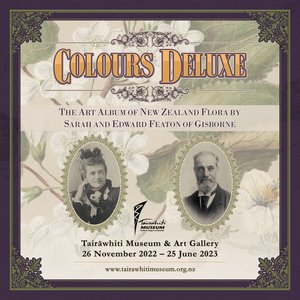
sarah ann featon
1887 , New Zealand
基本情報
- Artistic Movement Or Style: Botanical Watercolor
- Date Of Birth: c. 1848
- Date Of Death: 28 april 1887
- Full Name: Sarah Ann Featon
- Nationality: New Zealand
- Notable Artworks:
- Pohutukawa - Metrosideros tomentosa
- Puawananga - Clematis indivisa
- Myosotis species (5) forget-me-not
- Place Of Birth: Christchurch, New Zealand
関連記事
The Flourishing Canvas: A Historical Journey Through Botanical Illustration
Explore the captivating history of botanical illustration! Discover renowned artists like Robert Havell & Mary Walcott, learn about techniques, and find museum-quality art at ArtsDot.com.
Victorian Botanical Painting: Science, Art & Aesthetic Sensibility
Explore the exquisite world of Victorian botanical art! Discover the science & artistry behind stunning floral illustrations by Gould, Muckley & more. Learn about collecting, value & investment at ArtsDot.
Grahame Sydney: Evoking Otago's Soul Through Light & Landscape
Explore the captivating landscapes of Sir Grahame Sydney, a leading New Zealand artist renowned for his magic realism & evocative depictions of Otago's beauty. Discover key works and delve into his artistic legacy.
The Flourishing Canvas: A Historical & Artistic Exploration of Botanical Illustration
Explore the rich history of botanical illustration! Discover key artists like Havell & Barraband, learn about scientific accuracy & aesthetic beauty. Shop museum-quality reproductions at ArtsDot.
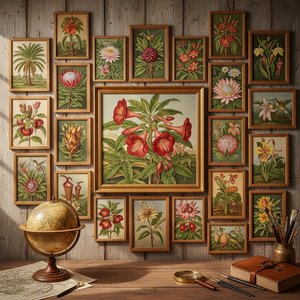
Marianne North's Masterpieces: 25 Botanical Paintings That Bloom With Adventure | ArtsDot
Journey through the vibrant world of Marianne North’s botanical paintings! Explore 25 iconic artworks from this Victorian artist, celebrating exotic flora & travel. Find museum-quality reproductions and curated decor ideas at ArtsDot.com.

