

 プレビュー
プレビュー
 プリントを購入
 シェアする
シェアする シェアする
シェアする
 詳細を見る
詳細を見る

 ダウンロード
 似ている作品
 X線調査
X線調査 スライドショー
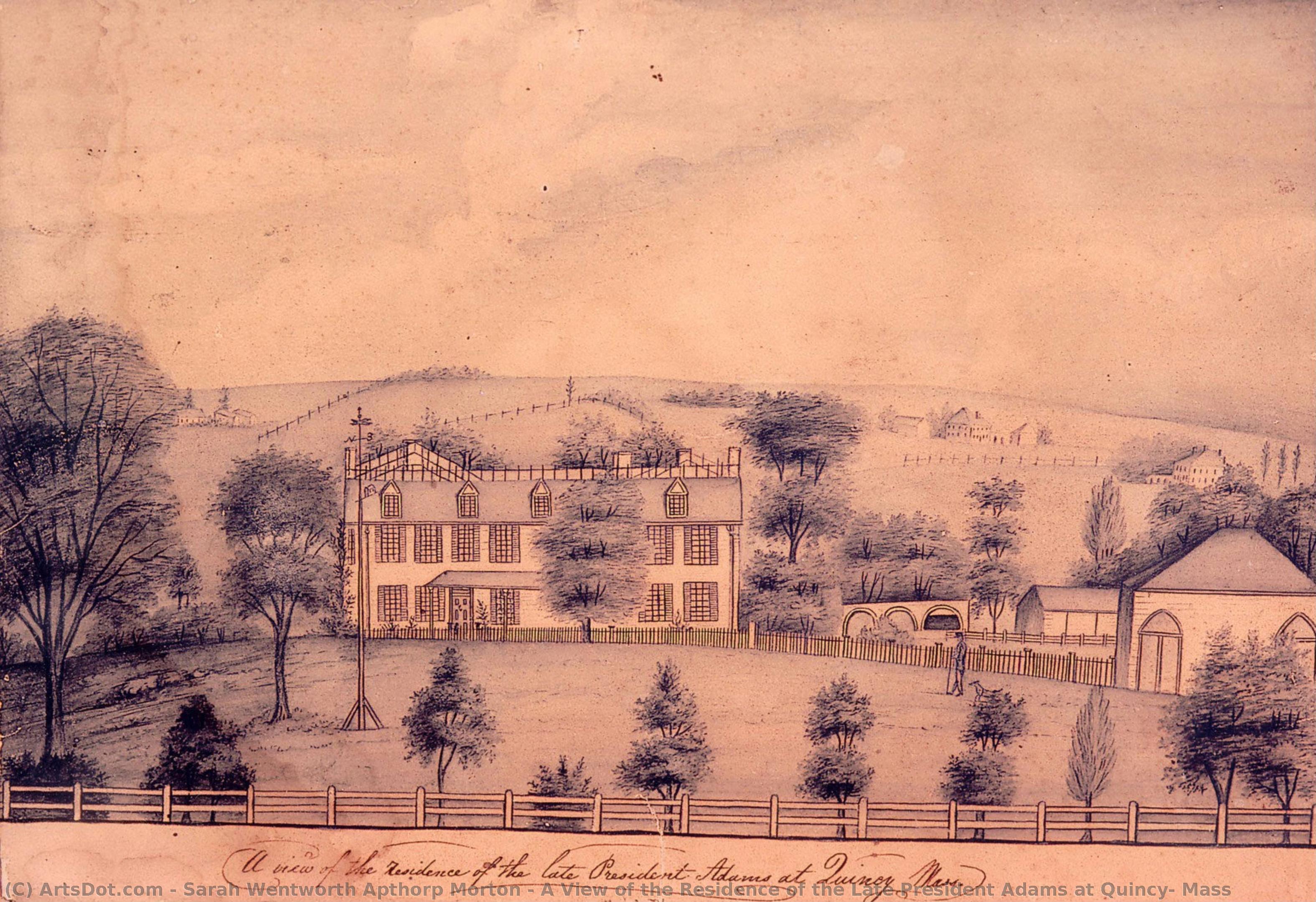
A View of the Residence of the Late President Adams at Quincy, Mass


 詳細を見る
詳細を見る




































作品のオリジナル比率に合わせた、当店の規定サイズからお選びください。

特定のフレームやスペースに合わせて、ご希望のサイズをご入力いただけます。選択されたサイズが元の画像の比率と異なる場合、アートワークをトリミングするか、手描きで要素を追加して絵画を拡張いたします。デジタルモックアップ を制作し、制作開始前にご確認(承認)をいただきます。
画面上のプレビューは、実際のトリミングや拡張を正確に反映しているものではありません。最終的な構図は、モックアップによってのみ正確にご確認いただけます。
カスタムサイズもご利用いただけますが、元の比率を維持するためには、あらかじめ用意されたリストからサイズを選択することをお勧めいたします。
ご注文後、ArtsDot.com チームより詳細な指示をお送りするとともに、仕上がりイメージ(モックアップ)をご提供いたします。


 ガラスオプションは、110cm未満のサイズでのみご利用いただけます。

A View of the Residence of the Late President Adams at Quincy, Mass
複製技法
複製画のサイズ
-


合計金額
$ 263
関連作品



アーティストの略歴
A Pioneering Voice of Early American Art and Verse
Sarah Wentworth Apthorp Morton, born into the privileged world of 1759 Boston, was far more than a product of her esteemed lineage. While her father, James Apthorp, navigated the complexities of commerce—including the troubling trade in enslaved people—and her mother hailed from a respected New England family, Sarah forged an identity as a compelling artist and one of America’s earliest significant poets. Her life unfolded against the backdrop of revolution, societal shifts, and burgeoning national consciousness, all of which deeply informed her creative output. Though few of her paintings survive today, offering only glimpses into her visual artistry, her poetic voice resonates with a unique blend of Romantic sensibility, social awareness, and distinctly American character.From Philenia to Social Commentary
Initially known under the pseudonym “Philenia,” Sarah’s poetry began circulating within Boston's intellectual circles in the late 1780s, quickly gaining recognition for its lyrical beauty and insightful observations. She wasn’t merely crafting verses; she was engaging with the defining issues of her time. Her work explored themes of love, nature, and the evolving role of women in a newly independent nation. However, it was her poem *The African Chief* (1792) that truly cemented her place as a voice for social justice. A powerful elegy responding to events at Saint-Domingue—modern-day Haiti—the poem is a searing indictment of slavery and a testament to the human cost of oppression. This courageous stance, particularly remarkable for a woman of her social standing in the late 18th century, reveals a deep moral compass guiding her artistic expression. She was lauded as “The American Sappho” by Robert Treat Paine Jr., a comparison that speaks to both the quality and the perceived audacity of her work within the literary landscape of the era. The mistaken attribution of *The Power of Sympathy*, considered America’s first novel, to Morton further illustrates the excitement surrounding her creative endeavors.A Life Marked by Complexity
Sarah's personal life was as complex and nuanced as her art. Her marriage in 1781 to Perez Morton, a prominent lawyer who would later serve as Massachusetts Attorney General, initially appeared conventional for a woman of her station. However, beneath the surface lay currents of emotional turmoil. The family experienced tragedy with the suicide of Sarah’s sister, Frances, following an affair with Perez—a scandal that shook Boston society and left lasting scars. Later in life, Sarah herself engaged in a discreet but significant relationship with Gouverneur Morris, a Founding Father and influential figure. These personal struggles undoubtedly colored her perspective and infused her work with a poignant depth of feeling. Her home on Dudley Street in Dorchester became a gathering place for literary figures, fostering an environment of intellectual exchange and creative inspiration.Artistic Influences and Lasting Legacy
While primarily celebrated as a poet, Sarah’s artistic inclinations extended to painting. Her surviving artwork, such as *A View of the Residence of the Late President Adams at Quincy, Mass*, demonstrates an affinity for Romanticism—a movement emphasizing emotion, imagination, and the sublime beauty of nature. Artists like Roger Eliot Fry, with his explorations of the relationship between landscape and human experience, and George Romney, renowned for his evocative portraiture, share stylistic resonances with her known paintings. The influence of this artistic climate is evident in her poetic imagery as well, where natural settings often serve as mirrors to internal states and emotional landscapes. Though her visual art remains relatively obscure due to its scarcity, it provides valuable insight into the breadth of her creative talent. Sarah Wentworth Apthorp Morton passed away in 1846, leaving behind a legacy that continues to inspire. Her work serves as a reminder of the power of art to challenge societal norms, advocate for justice, and capture the essence of the human spirit during a pivotal period in American history. Her contributions are increasingly recognized by scholars and enthusiasts alike, ensuring her rightful place among the pioneers of American literature and art.
Sarah Wentworth Apthorp Morton
1759 - 1846 , United States of America
基本情報
- Artistic Movement Or Style: Romanticism
- Artists Who Influenced This Artist:
- Roger Eliot Fry
- George Romney
- Ivon Hitchens
- Date Of Birth: 1759
- Date Of Death: 1846
- Full Name: Sarah Wentworth Apthorp Morton
- Nationality: American
- Notable Artworks:
- The African Chief
- A View of the Residence…
- Place Of Birth: Boston, USA