

 プレビュー
プレビュー
 プリントを購入
 シェアする
シェアする シェアする
シェアする
 詳細を見る
詳細を見る

 ダウンロード
 似ている作品
 X線調査
X線調査 スライドショー
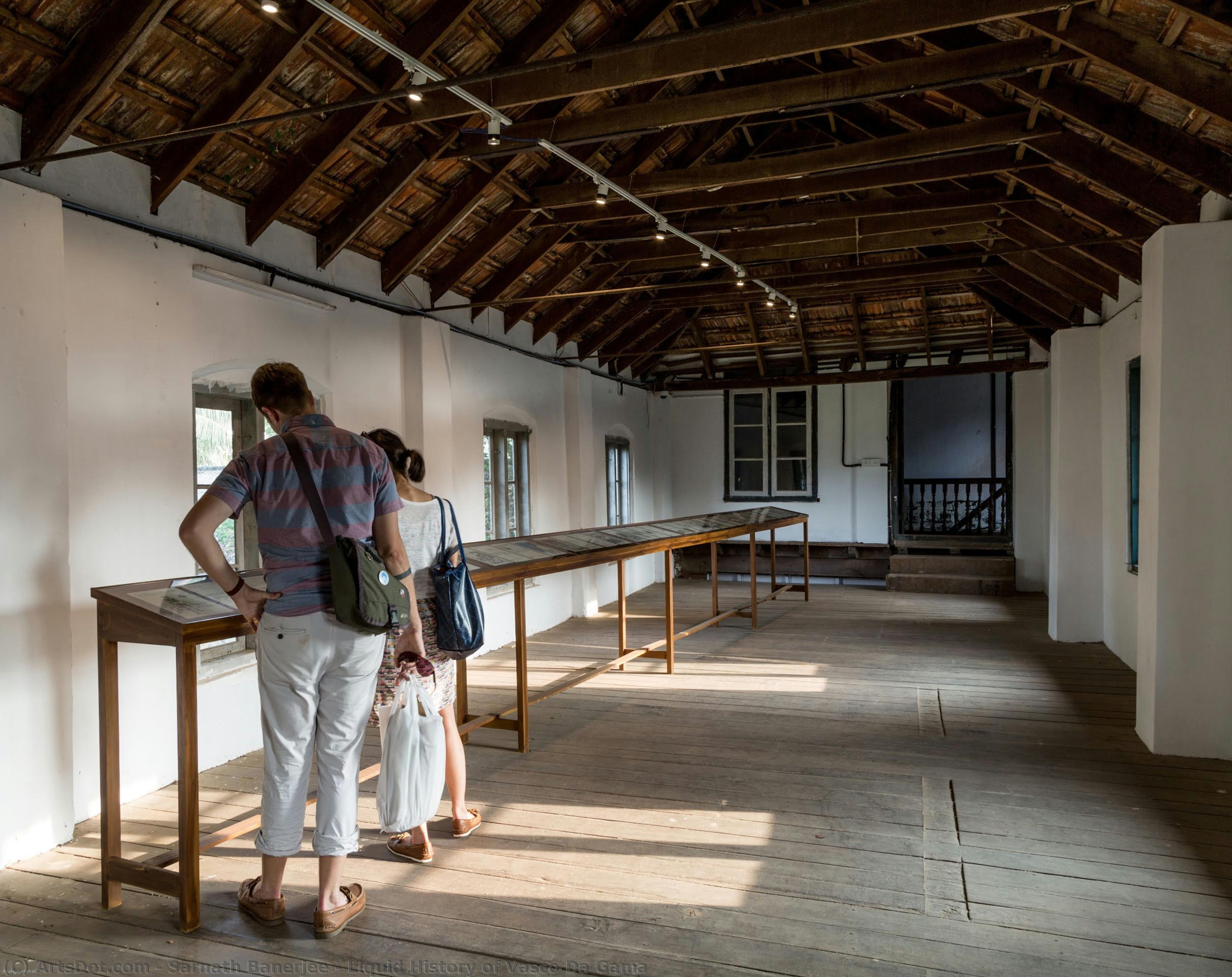
Liquid History of Vasco Da Gama

 詳細を見る
詳細を見る




































作品のオリジナル比率に合わせた、当店の規定サイズからお選びください。

特定のフレームやスペースに合わせて、ご希望のサイズをご入力いただけます。選択されたサイズが元の画像の比率と異なる場合、アートワークをトリミングするか、手描きで要素を追加して絵画を拡張いたします。デジタルモックアップ を制作し、制作開始前にご確認(承認)をいただきます。
画面上のプレビューは、実際のトリミングや拡張を正確に反映しているものではありません。最終的な構図は、モックアップによってのみ正確にご確認いただけます。
カスタムサイズもご利用いただけますが、元の比率を維持するためには、あらかじめ用意されたリストからサイズを選択することをお勧めいたします。
ご注文後、ArtsDot.com チームより詳細な指示をお送りするとともに、仕上がりイメージ(モックアップ)をご提供いたします。


 ガラスオプションは、110cm未満のサイズでのみご利用いただけます。

Liquid History of Vasco Da Gama
複製技法
複製画のサイズ
-


合計金額
$ 263
関連作品






アーティストの略歴
Sarnath Banerjee: A Cartographer of the Fragmented Indian Psyche
Sarnath Banerjee, born in Kolkata in 1972 and now residing primarily in Delhi, is a singular voice in contemporary Indian art – a graphic novelist, filmmaker, and co-founder of the influential comics publishing house, Phantomville. His work isn’t merely storytelling; it's an excavation of memory, history, and the peculiar rhythms of everyday life within India’s rapidly evolving landscape. Banerjee doesn’t offer grand narratives or sweeping pronouncements; instead, he meticulously renders fragments – fleeting encounters, forgotten details, and the unsettling juxtapositions that define the Indian experience. His art is a quiet rebellion against simplistic representations, inviting viewers to contemplate the complexities beneath the surface of a nation grappling with modernity.
Banerjee’s artistic journey began with studies in image and communication at Goldsmiths College, University of London, an environment known for its experimental approach to visual arts. This foundation proved crucial as he embarked on his career, initially gaining recognition with *Corridor* (2004), a graphic novel that defied easy categorization. Often described as “India’s first graphic novel,” the title was actually awarded to River of Stories by Orijit Sen in 1994, but *Corridor* marked a pivotal moment, establishing Banerjee's distinctive style and thematic concerns. The book itself is a haunting meditation on alienation and displacement, utilizing a fragmented narrative structure mirroring the fractured realities of urban life in Kolkata. It’s a work steeped in atmosphere, relying heavily on evocative imagery and sparse dialogue to convey profound emotional resonance.
The Barn Owl's Wondrous Capers and Beyond
Banerjee followed *Corridor* with *The Barn Owl's Wondrous Capers* (2007), a darkly humorous tale exploring the scandalous history of Calcutta’s colonial past. This novel further solidified his reputation for blending historical research with surrealist sensibilities, creating a narrative that feels both deeply rooted in Indian lore and utterly dreamlike. The book is filled with eccentric characters, bizarre events, and a pervasive sense of unease – a reflection of the anxieties simmering beneath the veneer of Victorian-era India. His subsequent work, *The Harappa Files* (2011), marked a shift towards a more explicitly autobiographical approach, while *Doab Dil* (2019) continues his exploration of memory and place.
Beyond graphic novels, Banerjee’s artistic output extends to film and illustration. He has designed the cover for Upamanyu Chatterjee's novel, *Weight Loss*, demonstrating a versatility that underscores his broader engagement with visual storytelling. Perhaps most notably, he conceived “Gallery of Losers,” an ambitious public art installation displayed on billboards across East London during the 2012 Olympics. This project, commissioned by the Frieze Foundation, tapped into a collective consciousness of sporting near misses – the people who almost made it – and offered a poignant commentary on failure and ambition. The work’s evocative imagery and subtle humor resonated deeply with audiences, cementing Banerjee's reputation as an artist capable of capturing the nuances of human experience.
Themes and Influences: A Fragmented Reality
Banerjee’s art is characterized by a profound engagement with themes of memory, history, and the impact of modernization on India. He frequently explores the loss of architectural heritage and the erosion of traditional ways of life as a result of rapid development. His work isn't didactic; it resists easy answers or moral judgments, instead presenting a series of carefully observed vignettes that invite viewers to draw their own conclusions. Banerjee himself describes his approach as “a sideways reporter of insignificant things,” suggesting a deliberate focus on the overlooked details and quiet moments that shape our understanding of the world.
Influences on Banerjee’s work are diverse and often unexpected. He cites Fernando Pessoa, Jonathan Swift, and Robert Walser as key literary figures, recognizing their ability to capture the complexities of human consciousness through unconventional narratives. His interest in memory is also evident in his engagement with historical research, drawing inspiration from a wide range of sources – from ancient texts to contemporary folklore. The artist’s work reflects a deep appreciation for the power of storytelling and its capacity to illuminate the hidden corners of the Indian psyche.
Legacy and Recognition
Sarnath Banerjee's contributions to the world of graphic novels and visual art are significant and growing. He has been recognized with numerous fellowships, including those from the MacArthur Foundation and the Charles Wallace Trust Award, acknowledging his innovative approach and artistic merit. His work has been exhibited internationally, showcasing his unique perspective on Indian culture and society. Banerjee’s influence extends beyond his own creations; he is a mentor to emerging artists and a vital voice in shaping the future of contemporary Indian art. He continues to explore the fragmented realities of India through his distinctive visual language, solidifying his place as one of the most important artists working today.
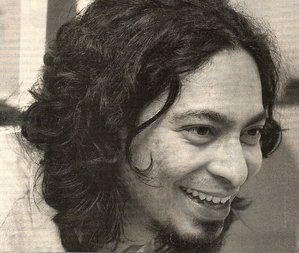
sarnath banerjee
1972 - , India
基本情報
- Artistic Movement Or Style: Graphic novelist
- Artists Who Influenced This Artist: ['Orijit Sen']
- Date Of Birth: 1972
- Full Name: Sarnath Banerjee
- Nationality: Indian
- Notable Artworks:
- Corridor
- The Barn Owls Capers
- The Harappa Files
- Place Of Birth: Kolkata, India

