 プレビュー
プレビュー
 シェアする
シェアする シェアする
シェアする
 詳細を見る
詳細を見る

 ダウンロード
 似ている作品
 X線調査
X線調査 スライドショー
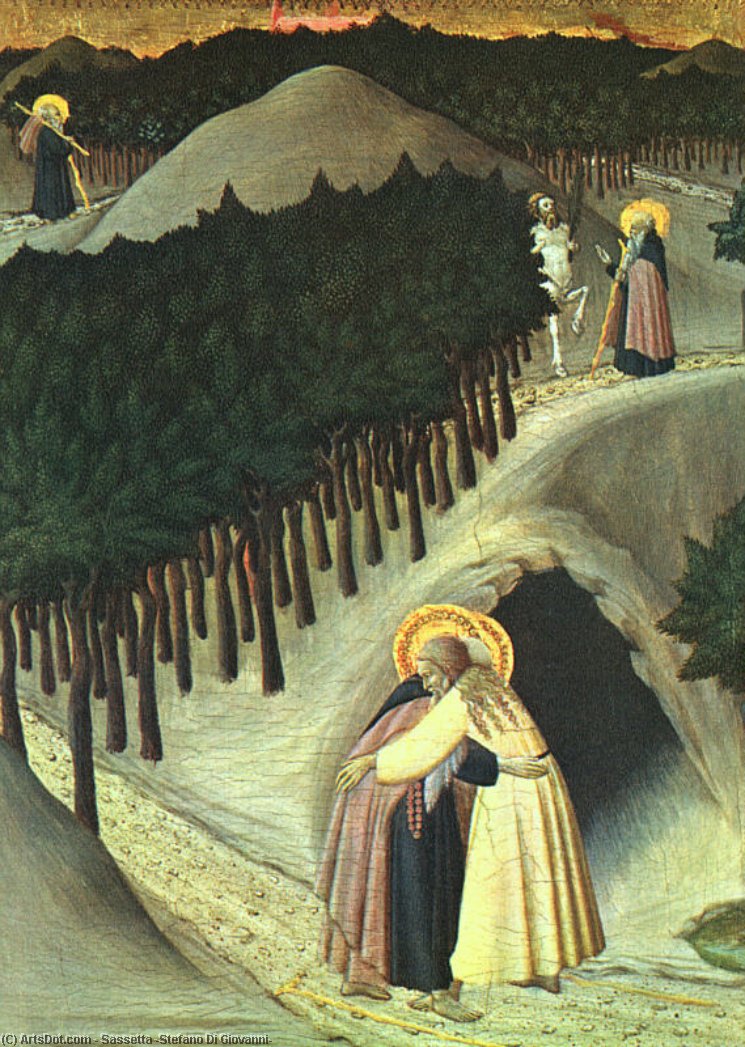
The Meeting of St. Anthony and St. Paul


 詳細を見る
詳細を見る
ジークレー/アートプリント
迅速な制作と多彩な仕上げオプションを備えた、ミュージアムクオリティのジークレーまたはキャンバスプリント。 ( 手描きの絵画を購入 画像を購入)




P118B $10

P118H $10

P118W $10

P438Z $10

P508JH $12

P508YH $12

P805H $10

P805Z $10

P919BZ $10

P919G $10

P919XJ $10

P959ZH $10

P968JZ $12

W106C $8

W218G $10

W218JH $8

W218Y $10

W307PJ $10

W316G $10

W316PJ $8

W316Y $10

W398PJ $8

W4111J $10

W500HY $15

W500JH $15

W692G $12

W849H $8

W940BG $15

W953PJ $8




作品のオリジナル比率に合わせた、当店の規定サイズからお選びください。

特定のフレームやスペースに合わせて、ご自身でサイズを指定することも可能です。選択されたサイズが元の画像の比率と一致しない場合、作品をトリミングするか、鏡面反射または単色での塗りつぶしによって画像を拡張いたします。制作を開始する前に、ご確認用のデジタルモックアップをお送りいたします。
画面上のプレビューには、実際のトリミングや拡張は反映されませんのでご注意ください。最終的な構図を正確に確認できるのは、モックアップのみとなります。
カスタムサイズも承っておりますが、元の比率を維持するためには、あらかじめ用意されたリストからサイズを選択することをお勧めいたします。


 ガラスオプションは、110cm未満のサイズでのみご利用いただけます。

The Meeting of St. Anthony and St. Paul
ジークレー/アートプリント
複製画のサイズ
-


合計金額
$ 62
The Meeting of St. Anthony and St. Paul: A Dialogue in the Wilderness
Stefano di Giovanni’s “The Meeting of St. Anthony and St. Paul,” painted around 1440, isn't merely a religious depiction; it’s a profound meditation on faith, solitude, and the transformative power of spiritual connection. Created during a pivotal transition in Sienese art – a movement bridging the Gothic’s ornate elegance with the burgeoning realism of Florence – this panel exemplifies Sassetta’s unique approach: he masterfully blended decorative elements with an emerging sense of naturalism, creating a scene both deeply symbolic and remarkably human.
The painting unfolds within a stark, almost desolate wilderness landscape. The figures, St. Anthony and St. Paul, are rendered not as idealized saints but as weathered men, their faces etched with the marks of hardship and contemplation. This deliberate choice immediately grounds the scene in earthly reality, emphasizing the arduous journey towards spiritual enlightenment. Sassetta’s technique is characterized by a remarkable attention to detail – observe the folds of their robes, the texture of the rocks beneath their feet, and the subtle play of light on their faces. He employs a layered approach, building up form through delicate brushstrokes and meticulous modeling, creating an illusion of depth and volume that was revolutionary for its time.
A Narrative of Encounter
The composition itself is meticulously crafted to guide the viewer’s eye through the narrative. The two figures are positioned in a close embrace, their arms wrapped around each other's shoulders – a gesture of profound mutual respect and understanding. This intimate connection contrasts sharply with the vastness of the surrounding wilderness, suggesting that true spiritual communion can only be found within oneself and through shared faith. Note the subtle details: St. Anthony’s hand rests gently on St. Paul’s shoulder, conveying a sense of paternal guidance; St. Paul's gaze is fixed upward, perhaps reflecting his contemplation of divine grace.
The inclusion of the demonic figures – a centaur and a satyr – adds another layer of complexity to the scene. These creatures, traditionally associated with temptation and chaos, are depicted not as menacing adversaries but as helpful guides, subtly pointing the way towards the meeting. This unexpected element underscores Sassetta’s belief that even in the darkest corners of the soul, there exists the potential for redemption and divine intervention. The centaur's gesture is particularly intriguing – he seems to be indicating a path forward, while the satyr offers a reassuring presence.
Symbolism and Spiritual Resonance
The painting’s symbolism is rich and layered. St. Anthony, known for his ascetic lifestyle and struggle against demonic forces, represents the pursuit of spiritual purity. St. Paul, the apostle who spread Christianity throughout the Roman Empire, embodies the message of salvation through faith. Their meeting in the wilderness symbolizes a convergence of these two paths – a testament to the enduring power of divine grace and the transformative potential of human devotion.
The setting itself is significant. The desolate landscape reflects the challenges faced by those who choose to dedicate their lives to spiritual pursuits. It’s a place of solitude, hardship, and temptation, yet it also represents an opportunity for profound self-discovery. Sassetta's masterful use of light and shadow further enhances the painting’s emotional impact, creating a sense of drama and mystery that draws the viewer into the scene.
A Legacy of Innovation
“The Meeting of St. Anthony and St. Paul” stands as a landmark achievement in Sienese art, marking a crucial transition from Gothic formalism to Renaissance realism. Sassetta’s innovative use of narrative composition, his meticulous attention to detail, and his profound understanding of human psychology established him as one of the most important artists of his time. Reproductions of this captivating work continue to resonate with viewers today, offering a glimpse into the spiritual depths of the Italian Renaissance and reminding us of the enduring power of faith, friendship, and the search for meaning in a complex world.
関連作品

アーティストの略歴
ロレンツォ・ギベルティ:フィレンツェの光を刻む彫刻家
1378年、フィレンツェ近郊のペラーゴに生を受けたロレンツォ・ディ・キオーネ・ギベルティの生涯は、まさにルネサンス期イタリアで芽吹きつつあった芸術的精神の証しといえるでしょう。父バルトルッチョのもとで行われた金細工師としての初期修行は、彫刻の可能性を再定義し、後世の芸術家たちに多大な影響を与えることになる輝かしいキャリアの礎となりました。ギベルティは単なる職人の枠を超え、人体、光、そして空間に対する天賦の理解力を備えていました。彼は絶え間ない実験と古典的理想への深い傾倒を通じて、その卓越した資質を丹念に磨き上げていったのです。
ギベルティの若き日々は、好機と試練が交錯するものでした。14世紀末から15世紀初頭にかけてのフィレンツェは、メディチ家のような富裕な一族によるパトロン活動や、威信を高めようとするギルドの野心に突き動かされた、芸術的革新の坩堝(るつぼ)でした。絹・金細工ギルドでの徒弟修行は彼にかけがえのない経験をもたらした一方で、フィレンツェの競争の激しい芸術市場という厳しい現実に彼をさらすことにもなりました。その後、壊滅的な疫病の影響で1400年にリミニへと移住したことは、彼の芸術的発展における決定的な転換点となりました。そこで彼は、名高い彫刻家アンドレア・デル・ヴェロッキオの門下で学ぶ機会を得たのです。その工房は、後にフィレンツェを代表する偉大な芸術家たちを輩出する揺籃(ようらん)の地となりました。
「天堂の門」:革命的なヴィジョン
ギベルティの名声は、1401年に開催されたフィレンツェ洗礼堂の北扉のデザインを巡るコンペティションでの勝利とともに、一気に高まりました。フィリッポ・ブルネレスキやヤコポ・デッラ・クエルチャといった手強いライバルたちを相手に、透視図法の巧みな操作と前例のない写実性を特徴とするギベルプリの革新的なアプローチは、その切望された依頼を勝ち取る決め手となりました。「天堂の門」として知られるこれらの扉は、ルネサンス彫刻における歴史的な転換点を示しています。当時主流であったゴシック様式とは一線を画し、ギベルティは古典的なモデルからインスピレーションを得て、より開放的で軽やかな美学を追求しました。そして、奥行きとボリューム感を見事に錯覚させる技法を駆使したのです。
このプロジェクトの圧倒的な規模と複雑さは、長年にわたる献身的な労働を必要としました。衣の繊細な襞(ひだ)から、人物たちの表情に宿る微細な感情に至るまで、ギベルティの細部への執拗なまでのこだわりには、息を呑むばかりです。扉の各パネルには旧約聖書の場面が描かれ、鮮やかな色彩と写真のようなリアリズムをもって表現されています。さらに、光と影の相互作用であるキアロスクーロ(明暗法)の使用が、三次元的な感覚を一層際立たせ、彫刻に脈動するような生命を吹き込んでいます。
洗礼堂を超えて:広がりゆく地平
「天堂の門」での成功の後も、ギベルティは自身の多才さと芸術的野心を証明する権威ある依頼を受け続けました。1412年には、フィレンツェの市民的モニュメントであるオルサンミケーレのために、洗礼者ヨハネの壮大なブロンズ像の制作を託されます。この野心的な事業には、彫刻技術だけでなく建築的な専門知識も求められました。ギベルティは周囲のニッチ(壁龕)のデザインから構造物全体の建設監督までをも担ったのです。完成した像は、預言者の厳粛さと精神的な強烈さを力強く描き出し、瞬く間に象徴的な存在となりました。
キャリアを通じて、ギベルティは常に彫刻技法の限界を押し広げようとする、多作な革新者であり続けました。彼はブロンズのモデリング、鋳造、仕上げにおける新たな手法を模索し、プロジェクトを重ねるごとにその技術を洗練させていきました。彼の活動は記念碑的な彫刻に留まらず、フィレンツェ大聖堂のステンドグラスや、ギルドホール、私邸を飾る複雑な浮き彫りパネルにまで及びました。その影響力は、ドナテッロやマサッチョといった、彼に続く数多くの芸術家たちの作品の中にも脈々と受け継がれています。
遺産と影響
ロレンツォ・ギベルティの遺産は、個々の傑作という枠を遥かに超えて広がっています。彼は写実主義、遠近法、そして感情表現に新たな重点を置くことで、ルネサンス彫刻の進むべき道を根本から変えたのです。先駆的なキアロスクーロの使用と空間の巧みな操作は、観る者を魅了する未曾有のリアリズムを生み出し、後世の芸術家たちにインスピレーションを与え続けました。ギベルティの作品は、芸術的革新が持つ変革の力と、フィレンツェ芸術の不朽の美しさを物語る証として、今なお輝きを放っています。
1455年、ギベルティはフィレンツェでその生涯を閉じましたが、彼が遺した作品群は、今もなお畏敬と称賛の念を呼び起こさずにはいられません。世界中の美術館に収蔵された彼の彫刻は、彼の天才性と、ルネサンスの芸術的景観を形作る上で果たした極めて重要な役割を、私たちに伝え続けているのです。
サッセッタ
1392 - 1450 , イタリア
基本情報
- Artistic Movement Or Style: 初期ルネサンス
- Artists Or Movements Influenced By This Artist: ['レオン・バッティスタ・アルベルティ']
- Artists Who Influenced This Artist: ['アルハゼン']
- Date Of Birth: 1378年
- Date Of Death: 1455年
- Full Name: ロレンツォ・ディ・キオーネ・ギベルティ
- Nationality: イタリア
- Notable Artworks:
- 天国への門
- 洗礼堂の扉
- Place Of Birth: イタリア、ペラーゴ
関連記事
パウル・クレー傑作25選:色彩と象徴に満ちた芸術の世界 | ArtsDot
パウル・クレーの傑作25選🎨 色彩と象徴に満ちた抽象絵画の世界を旅。ドイツ表現主義からバウハウスまで、クレーの革新的な技法と感動的な作品群をArtsDotで。高品質な美術品複製やインテリアアートも豊富です。オンラインストアで全コレクションをご覧ください。

ポール・セザンヌ:至高の25選 - 傑作と革新の軌跡 | ArtsDot
ポール・セザンヌの至高の25選。ポスト印象派を代表する画家、セザンヌの傑作と革新的な技法を紐解きます。ArtsDotで高品質な複製画やインテリアアートを見つけ、芸術の世界をご自宅に。今すぐコレクションをご覧ください。

High Medieval Art: 10 Masterpieces That Shaped an Era | ArtsDot
Journey through High Medieval Art! Explore 10 iconic masterpieces – from Giotto's frescoes to stunning Gothic cathedrals. Discover the stories behind these timeless paintings, sculptures & illuminated manuscripts. Find museum-quality art reproductions at ArtsDot.com.

ジョット・ディ・ボンドーネ:至高の25選 - ルネサンスの夜明けを彩る傑作たち | ArtsDot
ジョット・ディ・ボンドーネの至高の25選。ルネサンス美術を牽引した巨匠の傑作と、その感動的な物語を紐解きます。高品質な絵画複製やインテリアアートで、名画の世界をあなたの空間に。ArtsDot.com でコレクションをご覧ください。

エル・グレコの傑作25選:魂を揺さぶる宗教画と芸術の深淵 | ArtsDot
エル・グレコの傑作25選:魂を揺さぶる宗教画の世界へ。スペイン絵画の巨匠、マニエリスム様式と Toledo の光彩を紐解きます。ArtsDot.com で名画のアートプリントや複製画をお楽しみください。コレクションはこちら →