 プレビュー
プレビュー
 シェアする
シェアする シェアする
シェアする
 詳細を見る
詳細を見る

 ダウンロード
 似ている作品
 X線調査
X線調査 スライドショー
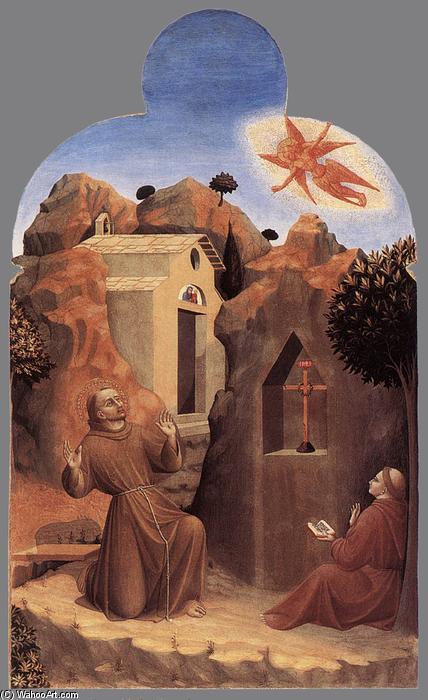
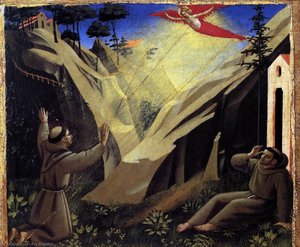
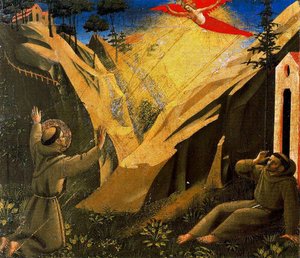
The Stigmatisation of St Francis
 Tempera On Panel
- Early Renaissance
 1437
1437- Renaissance
 88.0 x 52.0 cm
 ナショナル・ギャラリー
 詳細を見る
詳細を見る
ジークレー/アートプリント
迅速な制作と多彩な仕上げオプションを備えた、ミュージアムクオリティのジークレーまたはキャンバスプリント。 ( 手描きの絵画を購入 画像を購入)




P118B $10

P118H $10

P118W $10

P438Z $10

P508JH $12

P508YH $12

P805H $10

P805Z $10

P919BZ $10

P919G $10

P919XJ $10

P959ZH $10

P968JZ $12

W106C $8

W218G $10

W218JH $8

W218Y $10

W307PJ $10

W316G $10

W316PJ $8

W316Y $10

W398PJ $8

W4111J $10

W500HY $15

W500JH $15

W692G $12

W849H $8

W940BG $15

W953PJ $8




作品のオリジナル比率に合わせた、当店の規定サイズからお選びください。

特定のフレームやスペースに合わせて、ご自身でサイズを指定することも可能です。選択されたサイズが元の画像の比率と一致しない場合、作品をトリミングするか、鏡面反射または単色での塗りつぶしによって画像を拡張いたします。制作を開始する前に、ご確認用のデジタルモックアップをお送りいたします。
画面上のプレビューには、実際のトリミングや拡張は反映されませんのでご注意ください。最終的な構図を正確に確認できるのは、モックアップのみとなります。
カスタムサイズも承っておりますが、元の比率を維持するためには、あらかじめ用意されたリストからサイズを選択することをお勧めいたします。


 ガラスオプションは、110cm未満のサイズでのみご利用いただけます。

The Stigmatisation of St Francis
ジークレー/アートプリント
複製画のサイズ
-


合計金額
$ 62
作品詳細説明
The Stigmatisation of Saint Francis
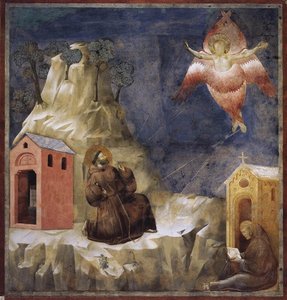
Saint Francis Receiving the Stigmata is a monumental panel painting by Stefano di Giovanni (Sassetta), completed around 1437–1444 for the Church of San Francesco in Borgo San Sepolcro, Tuscany. This masterpiece represents a pivotal moment in Saint Francis’s life—the miraculous reception of the stigmata, or the wounds of Christ—a transformative experience that cemented his devotion and established him as a saintly figure revered throughout Christendom. ### Style and Technique: A Fusion of Gothic Elegance and Florentine Realism Sassetta's artistic style embodies a remarkable synthesis between the stylistic conventions of late Gothic art and the burgeoning realism championed by artists emerging from Florence during the Quattrocento. Unlike many of his contemporaries who adhered to the rigid formalism of Byzantine iconography, Sassetta skillfully blended decorative elements characteristic of Gothic tradition—such as stylized drapery folds and luminous backgrounds—with innovative techniques inspired by Masaccio’s groundbreaking frescoes in Santa Maria Novella. The artist meticulously employed tempera on poplar wood, a medium favored during the Renaissance for its ability to achieve vibrant colors and subtle tonal gradations. Sassetta's masterful brushwork demonstrates an unparalleled command of chiaroscuro—the dramatic interplay between light and shadow—creating depth and dimensionality that draws the viewer into the scene’s spiritual atmosphere. ### Historical Context: The Franciscan Renewal and Artistic Patronage The painting emerged during a period of profound religious fervor known as the Franciscan Renewal, spearheaded by Pope Martin V. This movement sought to reinvigorate Christian piety through a renewed devotion to Saint Francis's ascetic ideals and his unwavering faith in divine providence. Sassetta’s commission reflects the significant patronage enjoyed by ecclesiastical institutions—particularly the Benedictine Order—who commissioned ambitious artworks intended to inspire contemplation and convey theological truths. The Church of San Sepolcro, already renowned for its magnificent frescoes by Giotto and Simone Martini, recognized Sassetta's talent as a crucial element in enhancing its artistic prestige. ### Symbolism: Layers of Meaning Beyond Representation The Stigmatisation of Saint Francis is replete with symbolic references that transcend mere visual depiction. The central figure—Saint Francis himself—kneels before Christ’s radiant crucifix, embodying humility and submission to God's will. The wounds of Christ—the stigmata—represent the divine sacrifice endured for humanity’s salvation, symbolizing redemption and spiritual transformation. Surrounding Saint Francis are angels and saints, signifying divine grace and intercession. The rocky landscape evokes a sense of solitude and contemplation, mirroring St. Francis’s ascetic lifestyle and his communion with God in nature. Furthermore, the inclusion of the crucifix—a cornerstone of Christian iconography—underscores the painting's theological core: the belief in Christ’s atonement for sins and the promise of eternal life. The luminous background—characteristic of Florentine Renaissance painters—creates an ethereal atmosphere that elevates the scene beyond earthly concerns. ### Emotional Impact: A Testament to Faith and Spiritual Experience The Stigmatisation of Saint Francis transcends its formal artistry, resonating with viewers on a deeply emotional level. Sassetta’s depiction captures the intensity of St. Francis's spiritual experience—the profound encounter with divine grace that marked his life’s trajectory. The painting conveys a palpable sense of reverence and awe, prompting contemplation on themes of faith, humility, and devotion. Its enduring appeal testifies to the power of art to communicate transcendent truths and inspire viewers to embrace spiritual values. As a cornerstone of Sienese Renaissance art, it continues to captivate audiences today—a testament to Sassetta’s genius and the timeless beauty of his masterpiece.関連作品


アーティストの略歴
ロレンツォ・ギベルティ:フィレンツェの光を刻む彫刻家
1378年、フィレンツェ近郊のペラーゴに生を受けたロレンツォ・ディ・キオーネ・ギベルティの生涯は、まさにルネサンス期イタリアで芽吹きつつあった芸術的精神の証しといえるでしょう。父バルトルッチョのもとで行われた金細工師としての初期修行は、彫刻の可能性を再定義し、後世の芸術家たちに多大な影響を与えることになる輝かしいキャリアの礎となりました。ギベルティは単なる職人の枠を超え、人体、光、そして空間に対する天賦の理解力を備えていました。彼は絶え間ない実験と古典的理想への深い傾倒を通じて、その卓越した資質を丹念に磨き上げていったのです。
ギベルティの若き日々は、好機と試練が交錯するものでした。14世紀末から15世紀初頭にかけてのフィレンツェは、メディチ家のような富裕な一族によるパトロン活動や、威信を高めようとするギルドの野心に突き動かされた、芸術的革新の坩堝(るつぼ)でした。絹・金細工ギルドでの徒弟修行は彼にかけがえのない経験をもたらした一方で、フィレンツェの競争の激しい芸術市場という厳しい現実に彼をさらすことにもなりました。その後、壊滅的な疫病の影響で1400年にリミニへと移住したことは、彼の芸術的発展における決定的な転換点となりました。そこで彼は、名高い彫刻家アンドレア・デル・ヴェロッキオの門下で学ぶ機会を得たのです。その工房は、後にフィレンツェを代表する偉大な芸術家たちを輩出する揺籃(ようらん)の地となりました。
「天堂の門」:革命的なヴィジョン
ギベルティの名声は、1401年に開催されたフィレンツェ洗礼堂の北扉のデザインを巡るコンペティションでの勝利とともに、一気に高まりました。フィリッポ・ブルネレスキやヤコポ・デッラ・クエルチャといった手強いライバルたちを相手に、透視図法の巧みな操作と前例のない写実性を特徴とするギベルプリの革新的なアプローチは、その切望された依頼を勝ち取る決め手となりました。「天堂の門」として知られるこれらの扉は、ルネサンス彫刻における歴史的な転換点を示しています。当時主流であったゴシック様式とは一線を画し、ギベルティは古典的なモデルからインスピレーションを得て、より開放的で軽やかな美学を追求しました。そして、奥行きとボリューム感を見事に錯覚させる技法を駆使したのです。
このプロジェクトの圧倒的な規模と複雑さは、長年にわたる献身的な労働を必要としました。衣の繊細な襞(ひだ)から、人物たちの表情に宿る微細な感情に至るまで、ギベルティの細部への執拗なまでのこだわりには、息を呑むばかりです。扉の各パネルには旧約聖書の場面が描かれ、鮮やかな色彩と写真のようなリアリズムをもって表現されています。さらに、光と影の相互作用であるキアロスクーロ(明暗法)の使用が、三次元的な感覚を一層際立たせ、彫刻に脈動するような生命を吹き込んでいます。
洗礼堂を超えて:広がりゆく地平
「天堂の門」での成功の後も、ギベルティは自身の多才さと芸術的野心を証明する権威ある依頼を受け続けました。1412年には、フィレンツェの市民的モニュメントであるオルサンミケーレのために、洗礼者ヨハネの壮大なブロンズ像の制作を託されます。この野心的な事業には、彫刻技術だけでなく建築的な専門知識も求められました。ギベルティは周囲のニッチ(壁龕)のデザインから構造物全体の建設監督までをも担ったのです。完成した像は、預言者の厳粛さと精神的な強烈さを力強く描き出し、瞬く間に象徴的な存在となりました。
キャリアを通じて、ギベルティは常に彫刻技法の限界を押し広げようとする、多作な革新者であり続けました。彼はブロンズのモデリング、鋳造、仕上げにおける新たな手法を模索し、プロジェクトを重ねるごとにその技術を洗練させていきました。彼の活動は記念碑的な彫刻に留まらず、フィレンツェ大聖堂のステンドグラスや、ギルドホール、私邸を飾る複雑な浮き彫りパネルにまで及びました。その影響力は、ドナテッロやマサッチョといった、彼に続く数多くの芸術家たちの作品の中にも脈々と受け継がれています。
遺産と影響
ロレンツォ・ギベルティの遺産は、個々の傑作という枠を遥かに超えて広がっています。彼は写実主義、遠近法、そして感情表現に新たな重点を置くことで、ルネサンス彫刻の進むべき道を根本から変えたのです。先駆的なキアロスクーロの使用と空間の巧みな操作は、観る者を魅了する未曾有のリアリズムを生み出し、後世の芸術家たちにインスピレーションを与え続けました。ギベルティの作品は、芸術的革新が持つ変革の力と、フィレンツェ芸術の不朽の美しさを物語る証として、今なお輝きを放っています。
1455年、ギベルティはフィレンツェでその生涯を閉じましたが、彼が遺した作品群は、今もなお畏敬と称賛の念を呼び起こさずにはいられません。世界中の美術館に収蔵された彼の彫刻は、彼の天才性と、ルネサンスの芸術的景観を形作る上で果たした極めて重要な役割を、私たちに伝え続けているのです。
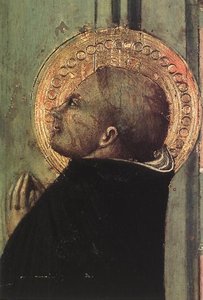
サッセッタ
1392 - 1450 , イタリア
基本情報
- Artistic Movement Or Style: 初期ルネサンス
- Artists Or Movements Influenced By This Artist: ['レオン・バッティスタ・アルベルティ']
- Artists Who Influenced This Artist: ['アルハゼン']
- Date Of Birth: 1378年
- Date Of Death: 1455年
- Full Name: ロレンツォ・ディ・キオーネ・ギベルティ
- Nationality: イタリア
- Notable Artworks:
- 天国への門
- 洗礼堂の扉
- Place Of Birth: イタリア、ペラーゴ
関連記事
フランシス・ベーコン傑作25選:魂を揺さぶる絵画の世界 | ArtsDot
フランシス・ベーコンの傑作25選。魂を揺さぶる表現主義絵画の世界へ。人物画、三面図、ポープ・インノケンティウス10世など、美術史に残る名作をArtsDotで高精細複製画としてご紹介。インテリアに深みと個性を。今すぐコレクションをご覧ください。

Giclée Prints: Archival Quality & Aesthetic Nuances for the Discerning Collector
Explore the world of giclée prints with ArtsDot. Learn about archival quality, aesthetic nuances & investment potential. Expert guidance for discerning art collectors seeking museum-quality reproductions and lasting value.

エル・グレコの傑作25選:魂を揺さぶる宗教画と芸術の深淵 | ArtsDot
エル・グレコの傑作25選:魂を揺さぶる宗教画の世界へ。スペイン絵画の巨匠、マニエリスム様式と Toledo の光彩を紐解きます。ArtsDot.com で名画のアートプリントや複製画をお楽しみください。コレクションはこちら →

The Enduring Legacy of Fine Art Prints: Technique, History & Aesthetic Impact
Explore the rich history & techniques of fine art prints. Discover investment potential, assess authenticity, and learn how to preserve your collection with expert guidance. Trusted insights for discerning collectors.

ジョット・ディ・ボンドーネ:至高の25選 - ルネサンスの夜明けを彩る傑作たち | ArtsDot
ジョット・ディ・ボンドーネの至高の25選。ルネサンス美術を牽引した巨匠の傑作と、その感動的な物語を紐解きます。高品質な絵画複製やインテリアアートで、名画の世界をあなたの空間に。ArtsDot.com でコレクションをご覧ください。