

 プレビュー
プレビュー
 プリントを購入
 シェアする
シェアする シェアする
シェアする
 詳細を見る
詳細を見る

 ダウンロード
 似ている作品
 X線調査
X線調査 スライドショー
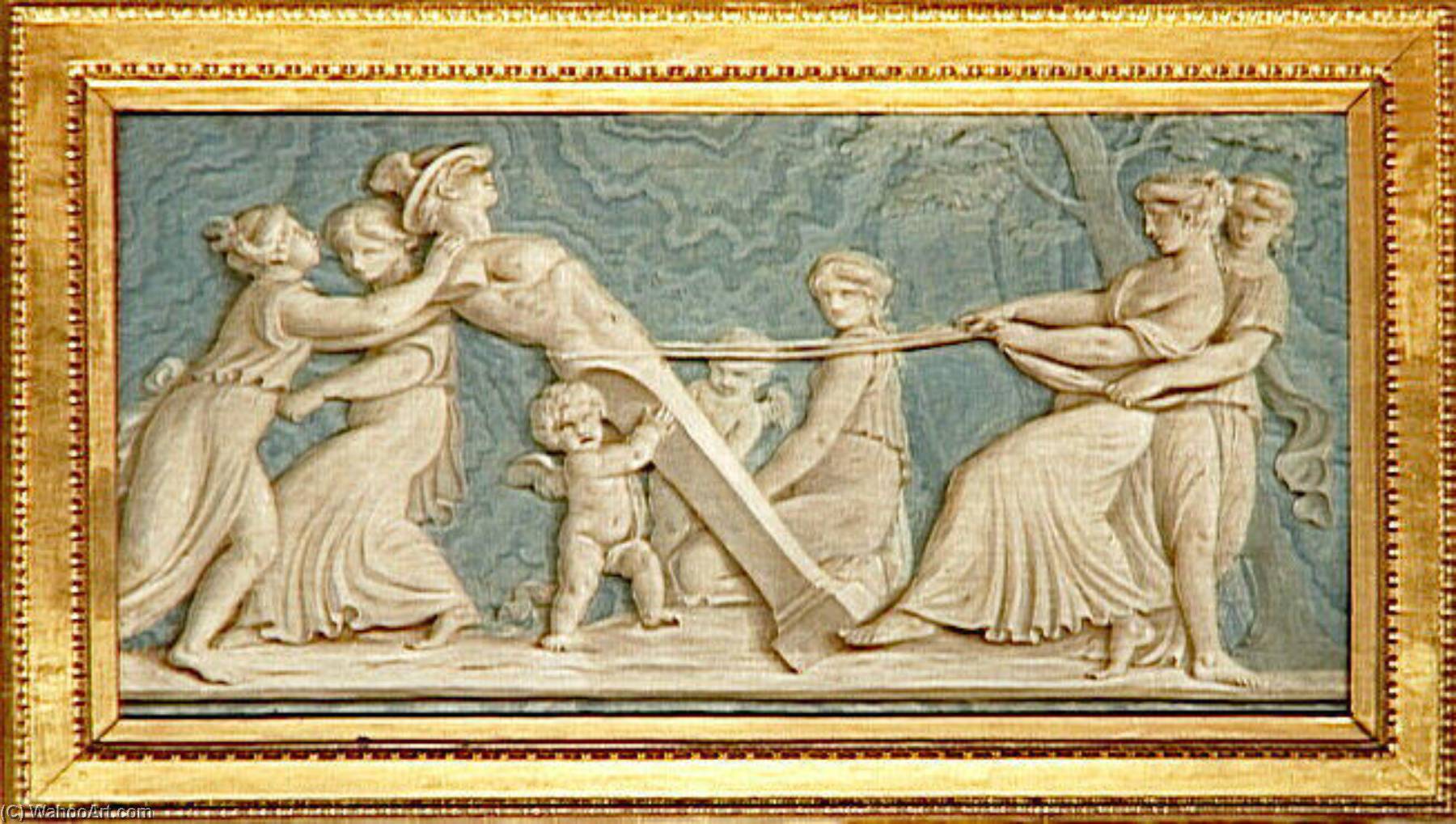
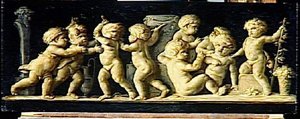
Sacrifices à Mercure 1
 詳細を見る
詳細を見る
オンラインプレビューをはるかに凌ぐ、高解像度で鮮明なデジタル画像をご購入いただけます。
各ファイルは、社内の専門家が高度なツールと熟練した手作業によるレタッチを用いて、細心の注意を払って準備されています。すべての画像において、卓越した鮮明度、正確な色彩再現性、そして繊細なディテールを保証いたします。
最終ファイルは、プロフェッショナルな編集・印刷環境ですぐにご利用いただけるよう最適化された状態で、72時間以内にメールにてお届けいたします。これは、一流のデザインスタジオ、出版社、ギャラリーから信頼されているものと同等の品質です。
デジタル画像のご注文に付随する特典
高品質なデジタル画像配信を、確かな品質で。
ArtsDot.com を選ぶことは、単に画像を手に入れることではありません。それは、プロの手によって精密に仕上げられ、満足保証が付いた高品質なデジタルアートワークを受け取ることを意味します。ご注文いただいた際に自動的に付随する内容は、以下の通りです:

メールですぐにお届け
ご注文から72時間以内に、高解像度のデジタル画像ファイルがメールでお手元に届きます。すぐにそのままご利用いただけます。

AI技術で最適化されたデジタルファイル
お客様の作品は、高度なAIツールと専門家による手作業の編集を組み合わせてプロフェッショナルに最適化されており、細部のディテール、鮮明さ、そして正確な色再現性を最大限に引き出しています。

一生涯無料の再送サービス
ファイルを誤って削除したり、紛失してしまったりしましたか?ご安心ください。いつでも無料で再送いたします。

輸入手数料は一切かかりません
関税や手数料、配送料を気にすることなく、お気に入りのアートワークをすぐにお楽しみいただけます。デジタルダウンロードは常に免税です。

色彩再現の保証
プロ仕様のツールとカラーマネジメント技術を用いることで、デジタル画像が元の色を最大限に忠実に再現することを保証いたします。

60日間満足保証
ご購入いただいたデジタル画像にご満足いただけない場合は、60日以内であれば、修正または100%の返金(理由を問う必要はありません)をさせていただきます。

100% 返金保証
ご満足いただけない場合は、デジタルファイルを受け取ってから60日以内であれば、理由を問わず全額返金いたします。

まとめ買い割引
3枚購入で10%OFF - 5枚購入で15%OFF - 10枚以上購入で20%OFF。クリエイティブなプロジェクト、ギャラリー、エージェンシーに最適です。
関連作品




作家の略歴
The Illusionist of the Rococo: The Life and Art of Piat Joseph Sauvage
In the grand, gilded halls of eighteenth-century Europe, where the boundaries between reality and artifice were often intentionally blurred, few artists mastered the art of deception as exquisitely as Piat Joseph Sauvage. A true polymath of the Rococo era, Sauvage was not merely a painter but a sculptor, printmaker, and academician whose work breathed life into cold surfaces. Born in 1744 in Tournai, his journey began far from the prestigious salons of Paris, rooted in the tactile world of craftsmanship. As the son of Antoine, a skilled glass cutter, the young Sauvage spent his formative years immersed in the precise, luminous environment of his father’s glass factory. This early exposure to the interplay of light and material would later become the cornerstone of his artistic identity, informing his ability to manipulate perception through trompe l'oeil—the "trick of the eye."
His transition from craftsman to fine artist was marked by a rigorous academic pursuit. Seeking to elevate his natural talent, he traveled to the Antwerp Academy, where he studied under the tutelage of Martin Joseph Geeraerts. It was here that Sauvage refined his command over grisaille, a technique involving monochrome painting that mimics the appearance of stone or relief sculpture. This mastery of monochromatic depth allowed him to create works that appeared as three-dimensional carvings, bridging the gap between the two-dimensional canvas and the sculptural medium. His education provided him with a profound understanding of history painting and classical composition, yet it was his ability to marry these lofty traditions with decorative innovation that would eventually set him apart in the competitive French art scene.
A Master of Illusion and Royal Patronage
The year 1774 marked a pivotal turning point in Sauvage’s career when he relocated to Paris. Joining the Académie de Saint-Luc, he quickly ascended the ranks of the artistic elite through sheer technical brilliance. His talent for creating illusions was so profound that it earned him entry into the prestigious Académie royale de peinture et de sculpture. One of his most celebrated achievements was a breathtaking trompe l'oeil painting of a round table, draped in an embroidered cloth and adorned with a collection of delicate objects—a child’s statue, a helmet, books, and a violin. This work, which resides in the Palace of Fontainebleau, serves as a testament to his ability to command the viewer's senses, making the painted surface appear to pulse with physical weight and texture.
As his reputation for decorative mastery grew, so too did his list of illustrious patrons. Sauvage became the preferred artist for some of the most powerful figures of the age, serving as the court painter to the Prince de Condé and eventually to King Louis XVI and the French Royal Family. His commissions were not limited to mere canvases; he was a master of medium, often utilizing precious materials such as marble, porcelain, and ivory to support his miniature paintings and carvings. Whether adorning the grand interiors of Versailles or creating intimate portraits of Marie-Antoinette, Sauvage’s work embodied the elegance, luxury, and sophisticated whimsy of the Rococo period.
Legacy of a Versatile Visionary
Despite the political upheavals of the French Revolution, which saw many royal artists stripped of their status, Sauvage navigated the changing tides with remarkable resilience. His artistic output remained diverse, ranging from large-scale allegorical murals to delicate, small-scale portrait sculptures. This versatility allowed him to leave an indelible mark on the decorative arts of the late eighteenth century. His ability to transform a flat surface into a window of depth and a hard material into a soft, lifelike texture remains his greatest contribution to art history.
Today, the works of Piat Joseph Sauvage are remembered as pinnacle examples of Rococo decorative artistry. His legacy is defined by several key artistic pillars:
- Technical Virtuosity: The seamless integration of painting and sculpture through the use of grisaille and trompe l'oeil.
- Material Innovation: An extraordinary ability to work across diverse supports, including ivory, porcelain, and marble.
- Atmospheric Precision: A lifelong dedication to capturing the subtle nuances of light and shadow, a skill inherited from his glassmaking roots.
- Historical Significance: Serving as a vital link between the decorative traditions of the Southern Netherlands and the height of French royal splendor.
In every brushstroke and every carved detail, Sauvage invited his audience to question the nature of sight itself, leaving behind a body of work that continues to enchant those who find beauty in the masterful deception of the senses.
sauvage pieter joseph (sauvage piat)
1744 - 1818
プロフィール概要
- Artistic Movement Or Style: Rococo Art
- Artists Or Movements Influenced By This Artist: ['Louis XVI']
- Artists Who Influenced This Artist: ['Martin Joseph Geeraerts']
- Date Of Death: 1818
- Full Name: Piat Joseph Sauvage
- Nationality: Belgian
- Notable Artworks:
- The Death of Germanicus
- Grisailles. Deux Femmes Avec Des Fleurs
- GRISAILLES (Une Fileuse )
- Place Of Birth: Tournai

