

 プレビュー
プレビュー
 プリントを購入
 シェアする
シェアする シェアする
シェアする
 詳細を見る
詳細を見る

 ダウンロード
 似ている作品
 X線調査
X線調査 スライドショー
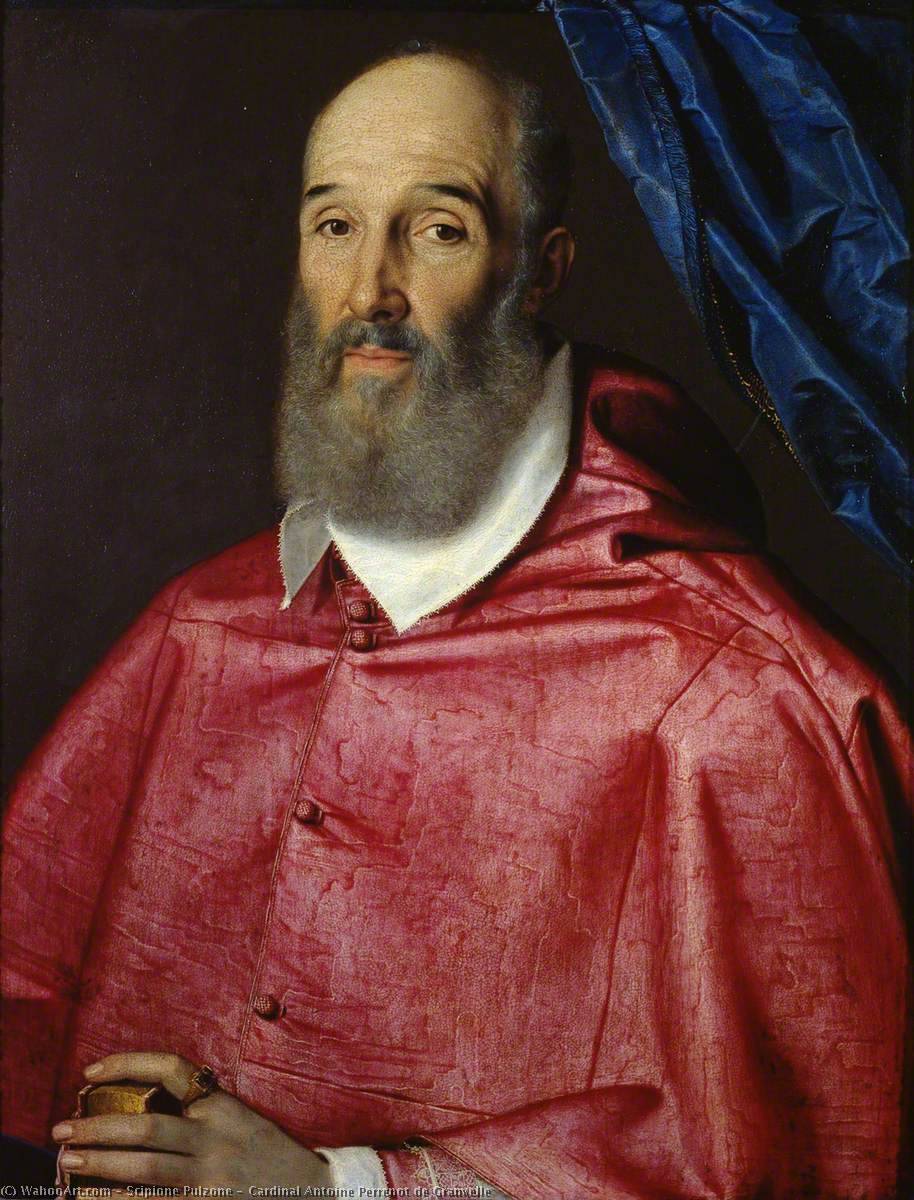
Cardinal Antoine Perrenot de Granvelle
 Oil On Copper
- Baroque
 1576
1576 82.0 x 62.0 cm
 Courtauld Gallery
 詳細を見る
詳細を見る




P118B $10

P118H $10

P118W $10

P438Z $10

P508JH $12

P508YH $12

P805H $10

P805Z $10

P919BZ $10

P919G $10

P919XJ $10

P959ZH $10

P968JZ $12

W106C $8

W218G $10

W218JH $8

W218Y $10

W307PJ $10

W316G $10

W316PJ $8

W316Y $10

W398PJ $8

W4111J $10

W500HY $15

W500JH $15

W692G $12

W849H $8

W940BG $15

W953PJ $8




作品のオリジナル比率に合わせた、当店の規定サイズからお選びください。

特定のフレームやスペースに合わせて、ご希望のサイズをご入力いただけます。選択されたサイズが元の画像の比率と異なる場合、アートワークをトリミングするか、手描きで要素を追加して絵画を拡張いたします。デジタルモックアップ を制作し、制作開始前にご確認(承認)をいただきます。
画面上のプレビューは、実際のトリミングや拡張を正確に反映しているものではありません。最終的な構図は、モックアップによってのみ正確にご確認いただけます。
カスタムサイズもご利用いただけますが、元の比率を維持するためには、あらかじめ用意されたリストからサイズを選択することをお勧めいたします。
ご注文後、ArtsDot.com チームより詳細な指示をお送りするとともに、仕上がりイメージ(モックアップ)をご提供いたします。


 ガラスオプションは、110cm未満のサイズでのみご利用いただけます。

Cardinal Antoine Perrenot de Granvelle
複製技法
複製画のサイズ
-


合計金額
$ 263
Cardinal Antoine Perrenot de Granvelle: A Portrait of Power and Faith
Scipione Pulzone’s “Portrait of Cardinal Antoine Perrenot de Granvelle,” completed in 1576, stands as a testament to the artistic fervor of the High Renaissance and the turbulent political landscape of Philip II’s Spain. More than just a likeness of a prominent statesman, this painting embodies the grandeur of papal authority intertwined with deeply rooted religious conviction – a visual articulation of the era's dominant concerns.
- Subject Matter: The portrait depicts Cardinal Granvelle in meticulous detail, capturing his commanding gaze and dignified posture. He is dressed in opulent crimson robes adorned with a white collar, symbolizing ecclesiastical prestige and highlighting his position as one of Philip II’s most trusted advisors.
- Style & Technique: Pulzone distinguishes himself from the prevailing Mannerist style through his masterful use of naturalism—a deliberate departure from stylized forms favored by many artists of the time. The artist employs oil paint on copper, a technique that maximizes color vibrancy and ensures exceptional durability. Precise rendering and subtle shading contribute to an atmosphere of solemn contemplation.
- Historical Context: Granvelle’s influence extended far beyond diplomatic negotiations; he spearheaded the Inquisition, enforcing papal decrees against heresy with unwavering resolve. This portrait reflects the anxieties surrounding religious reform and underscores Granvelle's role as a defender of Catholic orthodoxy during a period marked by intense ideological conflict.
- Symbolism: The crimson robe is laden with symbolic significance—representing royal power and spiritual devotion. Granvelle’s gaze directs outwards, suggesting an awareness of his responsibilities to God and the Church, mirroring the broader humanist preoccupation with moral virtue and divine grace.
- Emotional Impact: Viewing “Portrait of Cardinal Granvelle” evokes a sense of gravitas and contemplation. Pulzone skillfully conveys Granvelle's inner strength and unwavering conviction—a portrait that transcends mere representation to capture the essence of leadership and faith during a pivotal moment in European history.
The painting’s enduring appeal lies not only in its technical brilliance but also in its ability to communicate profound ideas about power, piety, and the human condition. It remains an invaluable window into the artistic sensibilities and intellectual currents of the Spanish Renaissance.
関連作品
アーティストの略歴
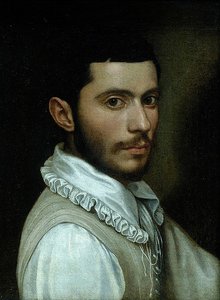
Scipione Pulzone: Life and Legacy
Early Life and Training
Scipione Pulzone (1544 – February 1, 1598), also known as Il Gaetano, was a prominent Neapolitan painter of the late Italian Renaissance. Born in Gaeta around 1550, he began his artistic journey within the workshop of Jacopino del Conte in Rome. This foundational training proved crucial to his development, shaping his early style and providing access to the vibrant Roman art scene.
Artistic Development and Style
Pulzone’s work distinguished itself from the prevailing Mannerist trends of his time. He developed a refined and detailed approach, characterized by precise rendering and a focus on naturalism. While influenced by earlier masters, he forged a unique style that blended elegance with religious fervor – particularly relevant during the period of the Counter-Reformation.
- His portraits are noted for their meticulous detail and psychological insight.
- Religious paintings often feature dramatic compositions and emotive figures.
- He skillfully balanced Renaissance ideals with emerging Baroque sensibilities.
Major Works and Achievements
Pulzone’s career spanned Naples, Florence, and Rome, resulting in a diverse body of work. Some of his most significant achievements include:
- Portraits of Prominent Figures: He painted portraits of Pope Gregory XIII, Cardinal de' Medici, Francesco I de’ Medici, Grand Duke of Tuscany, and their wives, Eleanor and Marie de’ Medici.
- Religious Commissions: Notable religious works include the “Assumption with the Apostles” for San Silvestro al Quirinale, a “Pietà” for the Gesù church, and a “Crucifixion” for Santa Maria in Vallicella.
- Mater Divinae Providentiae (around 1580): This painting is particularly significant as it inspired the Roman Catholic cult of devotion to Our Lady of Providence.
Influences and Legacy
Pulzone’s artistic development was shaped by several key influences:
- Jacopino del Conte: His initial teacher, providing a strong foundation in technique and composition.
- Girolamo Siciolante da Sermoneta: A significant influence on his religious paintings, particularly in terms of compositional style and emotional intensity.
Pulzone’s legacy lies in his ability to synthesize Renaissance ideals with the evolving artistic landscape of the late 16th century. He was one of the most esteemed artists active in Rome during this period, leaving behind a body of work that continues to be admired for its technical skill and expressive power.
Historical Significance
Scipione Pulzone’s art reflects the religious and political climate of the Counter-Reformation. His detailed and emotionally resonant paintings served as powerful tools for conveying Catholic doctrine and inspiring devotion. He successfully navigated the artistic demands of both secular courts and the Church, establishing himself as a versatile and highly sought-after artist.
Scipione Pulzone
1550 - 1598 , Italy
基本情報
- Birth Date: 1544
- Birth Place: Gaeta, Italy
- Death Date: February 1, 1598
- Influenced By: Jacopino del Conte, Girolamo Siciolante da Sermoneta
- Movement: Late Italian Renaissance
- Name: Scipione Pulzone
- Nationality: Italian
- Notable Works:
- Assumption with the Apostles
- Pietà
- Crucifixion
- Mater Divinae Providentiae
関連記事
Mario Sironi: A Poetic of Modern Italian Identity Through Symbolism & Social Commentary
Explore the profound works of Mario Sironi, a key figure in Italian Modernism. Discover his evolution from Futurism to Metaphysical painting and his powerful social commentary. Learn about his legacy at ArtsDot.
Giovanni Fattori: Realism, Identity & the Tuscan Landscape – A Macchiaioli Master
Explore the life & art of Giovanni Fattori, a leading figure of the Macchiaioli movement. Discover his revolutionary realism, captivating Tuscan landscapes, and lasting impact on Italian painting. Learn more at ArtsDot.
Carlo Carrà: Futurist Visions & Metaphysical Transformations in Early 20th-Century Italian Painting
Explore the artistic journey of Carlo Carrà, a pivotal figure in Italian Futurism & Metaphysical painting. Discover his dynamic compositions, collaborations with de Chirico, and lasting influence on modern art history.
Civic Virtue and Artistic Rivalry: Patronage and Innovation in the Italian Renaissance Republics, 1400–1600
Explore the Italian Renaissance! Discover how competitive patronage & humanist ideals fueled artistic innovation in republics like Florence & Venice. Expert insights for art lovers and collectors.
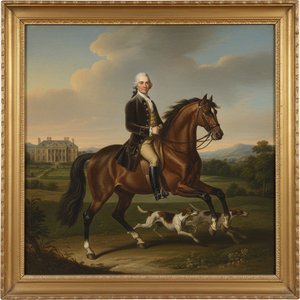
John Francis Sartorius II: Equestrian Elegance & the Rise of British Portraiture
Explore the captivating world of Francis Sartorius II (1734-1804), a leading British painter renowned for his exquisite equestrian portraits and hunting scenes. Discover his life, techniques & enduring legacy.

